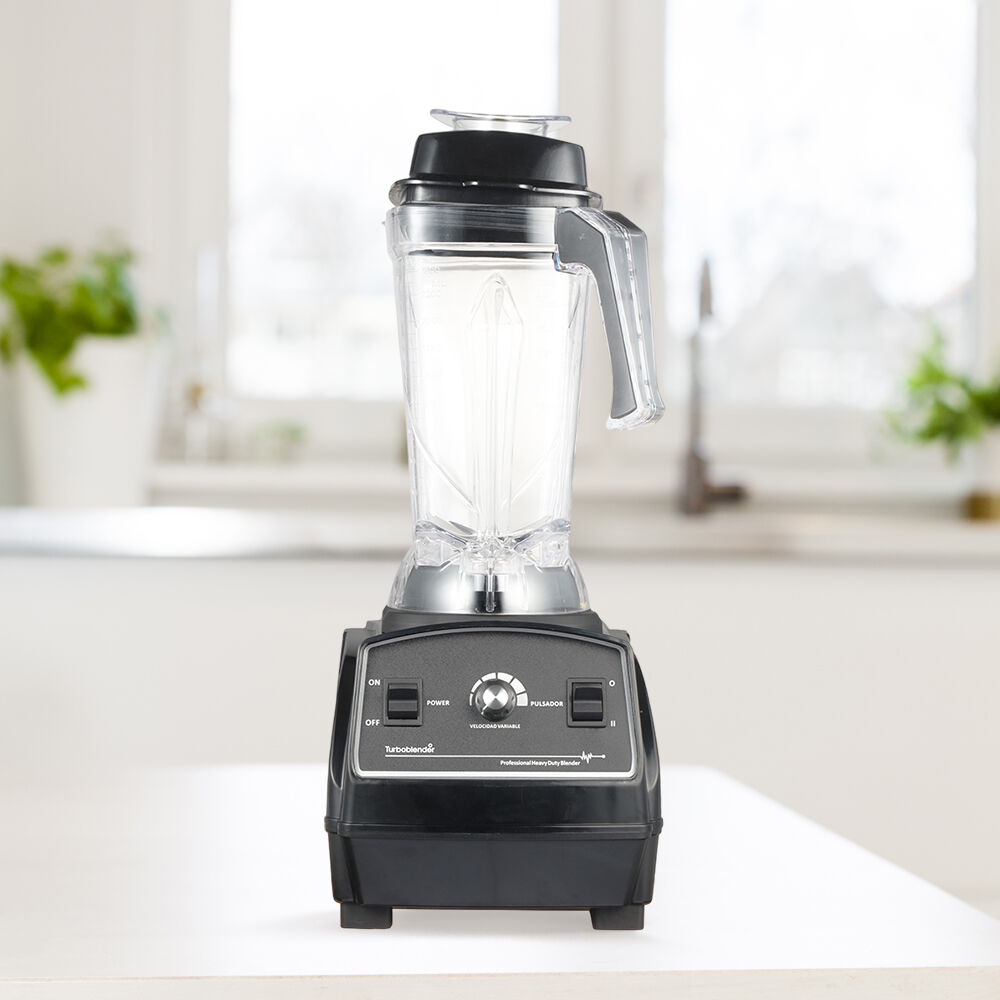
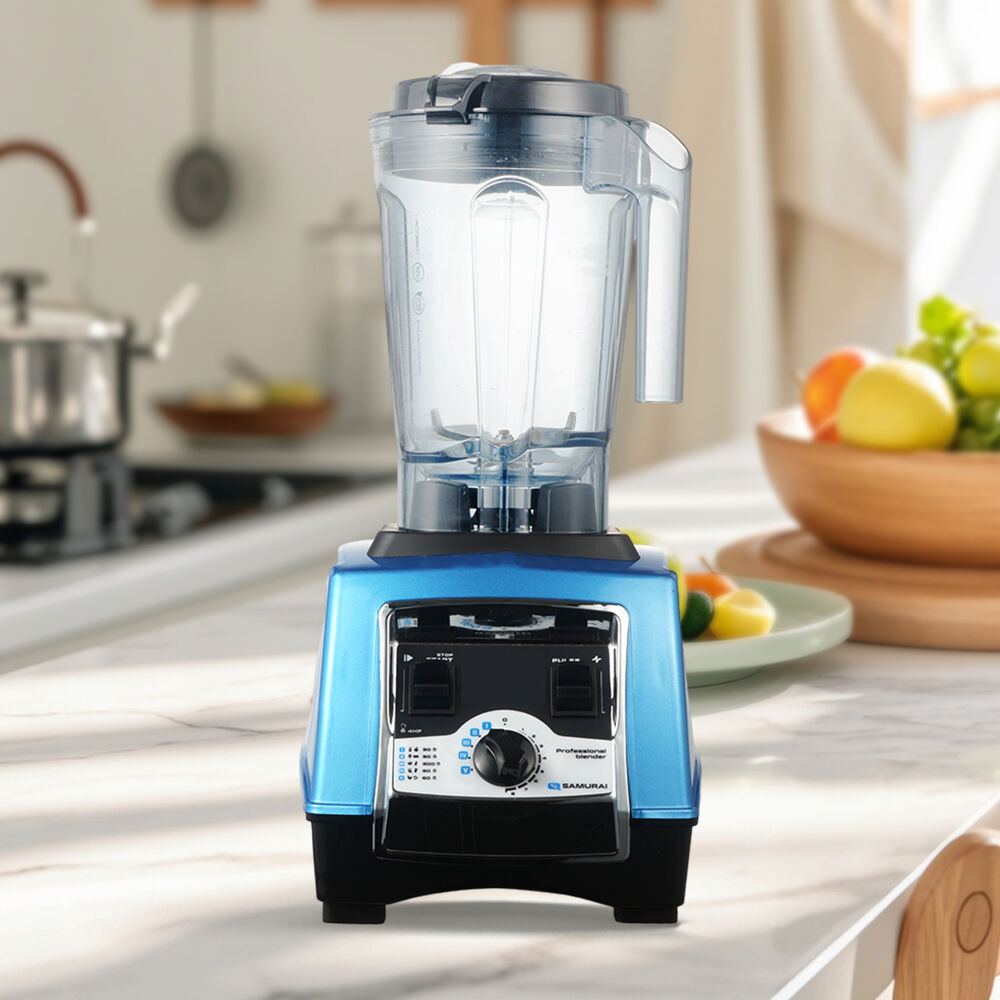
Commercial Drink Blender - Professional High-Performance Beverage Equipment for Restaurants

CONTACY ME IMMEDIATELY IF YOU ENCOUNTER PROBLEMS!

  • Professional Commercial Blender Supplier

commercial drink blender

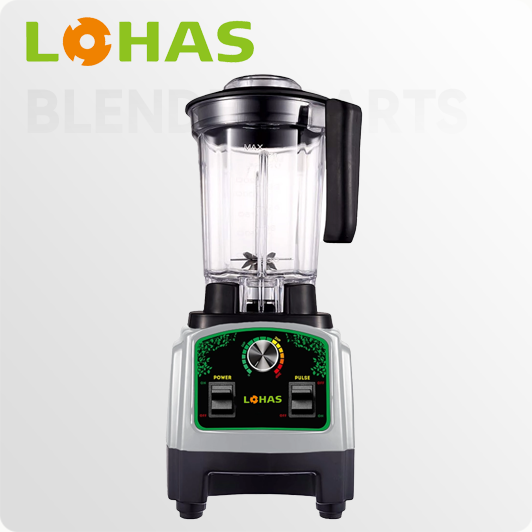
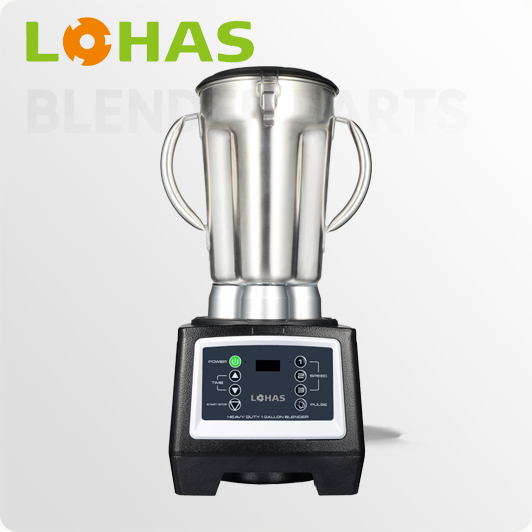
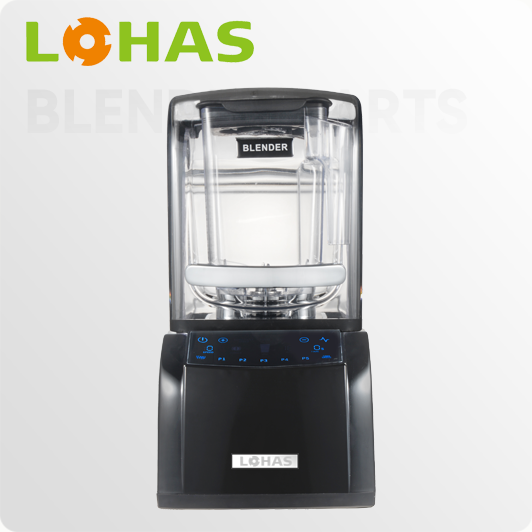
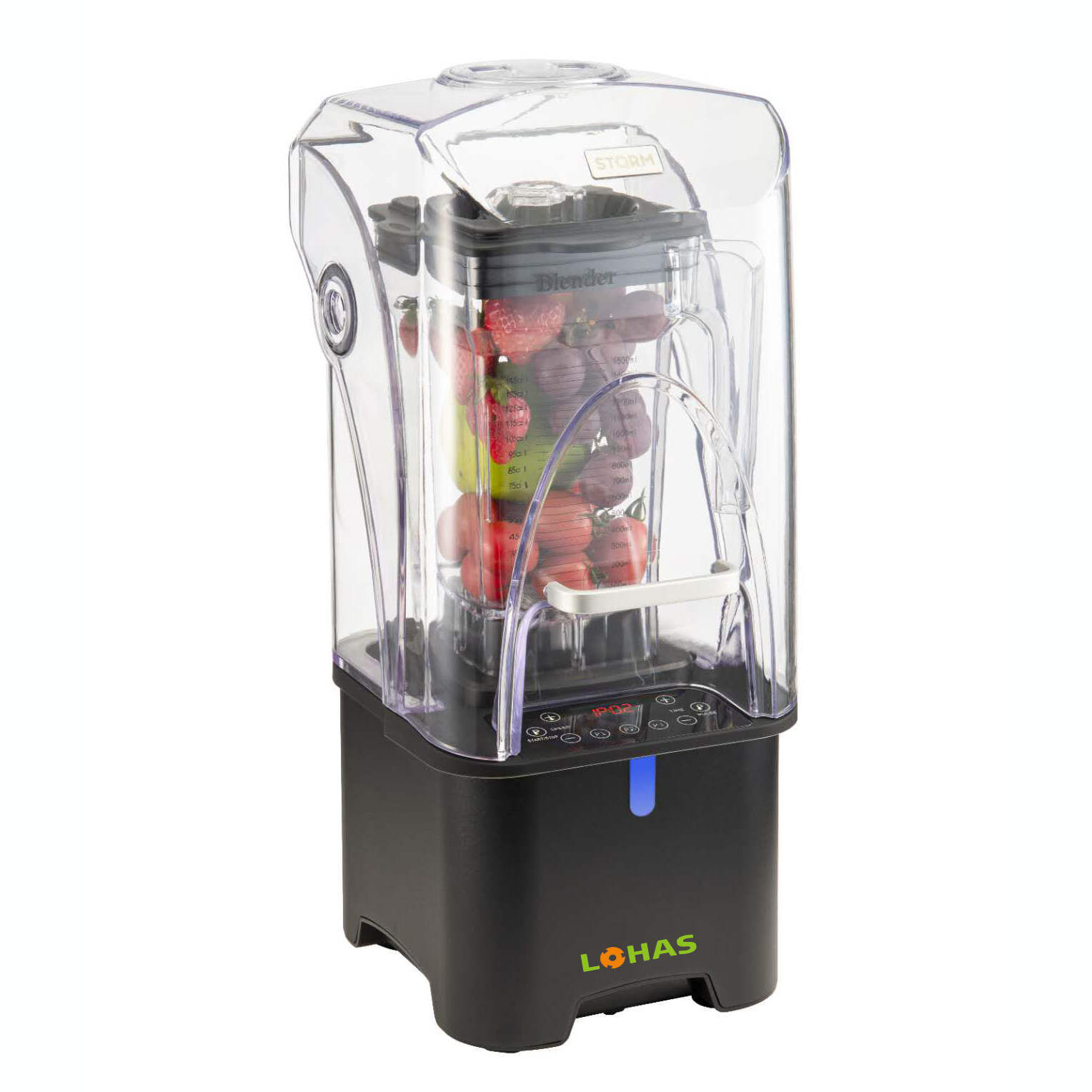
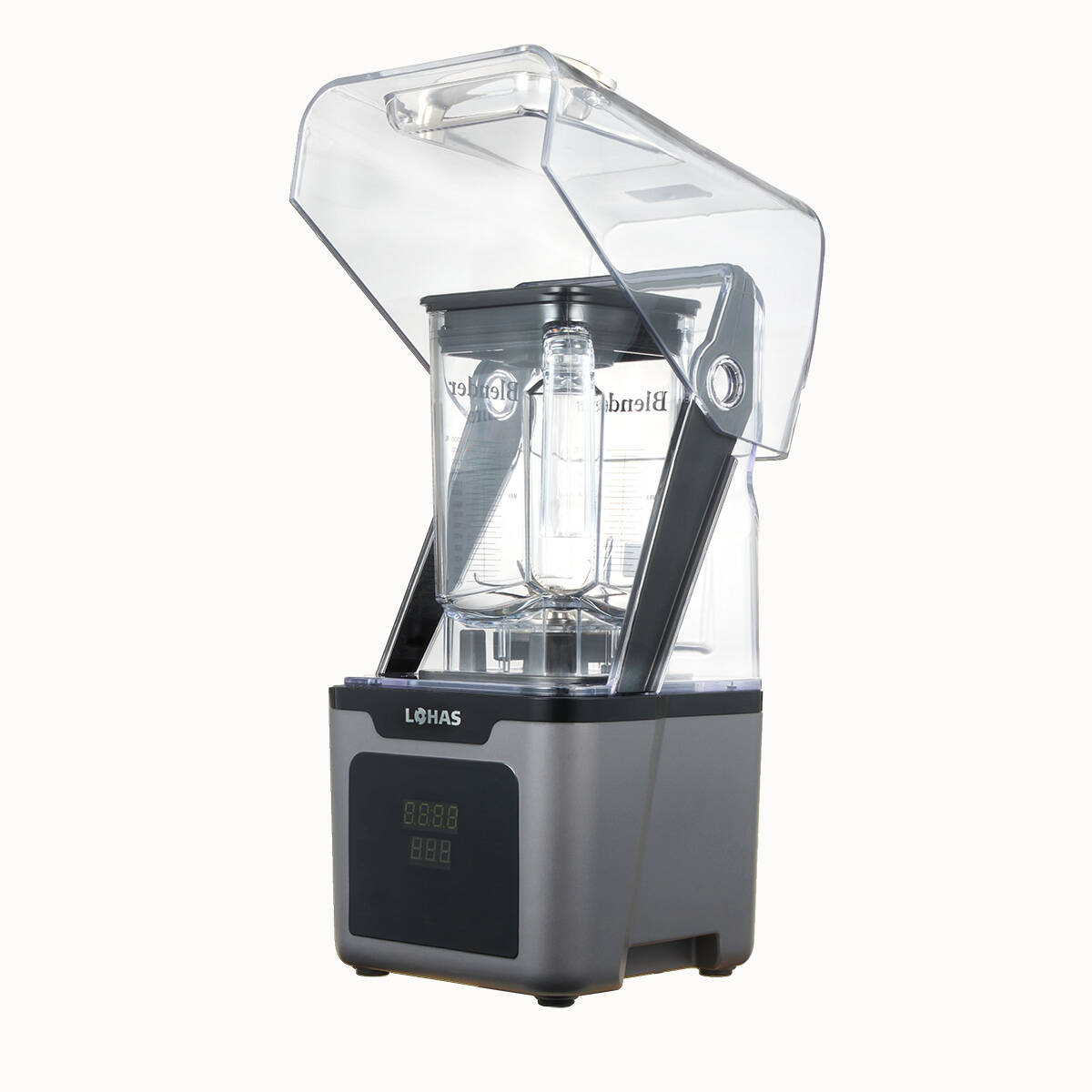
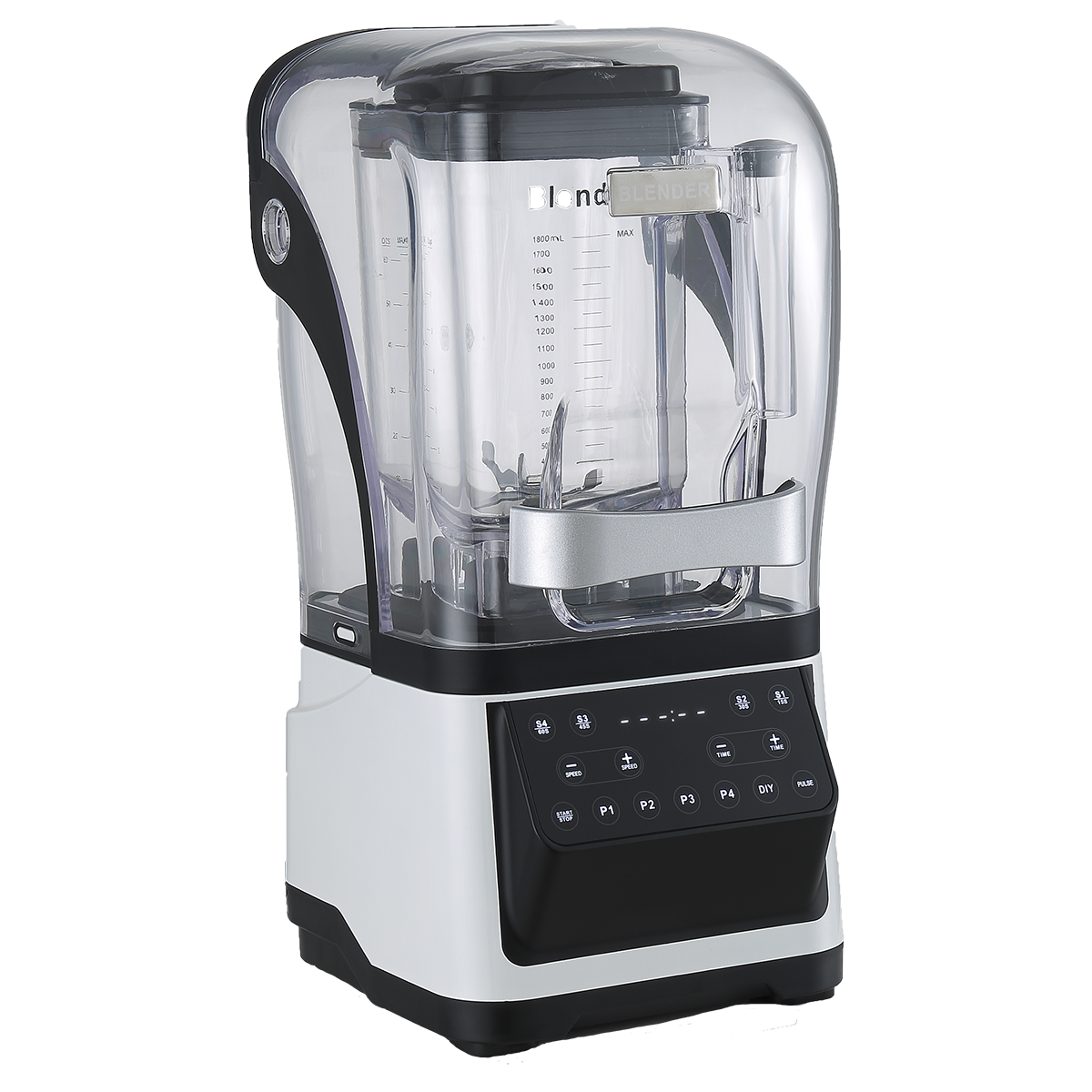
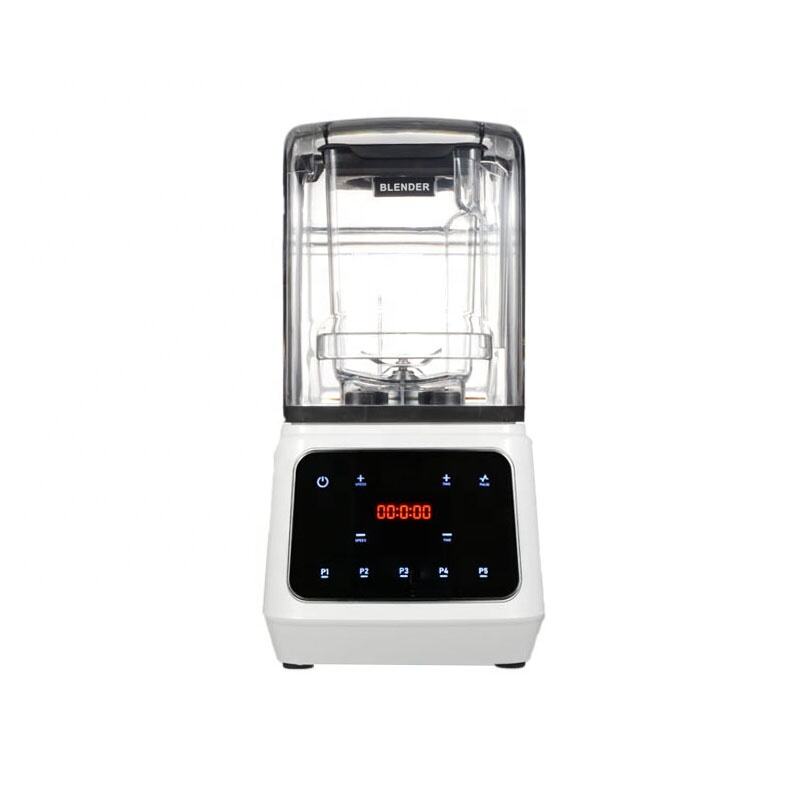
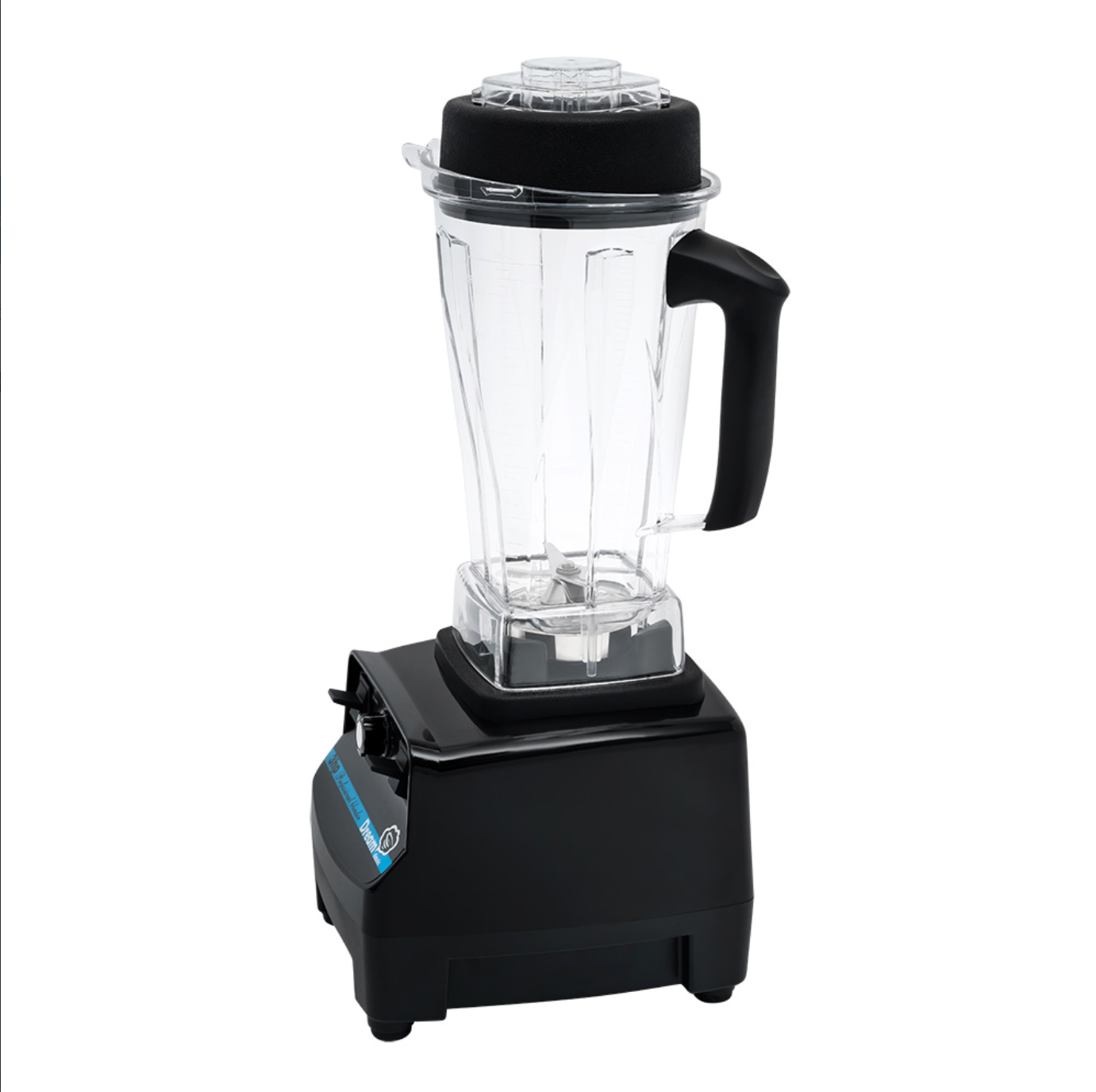
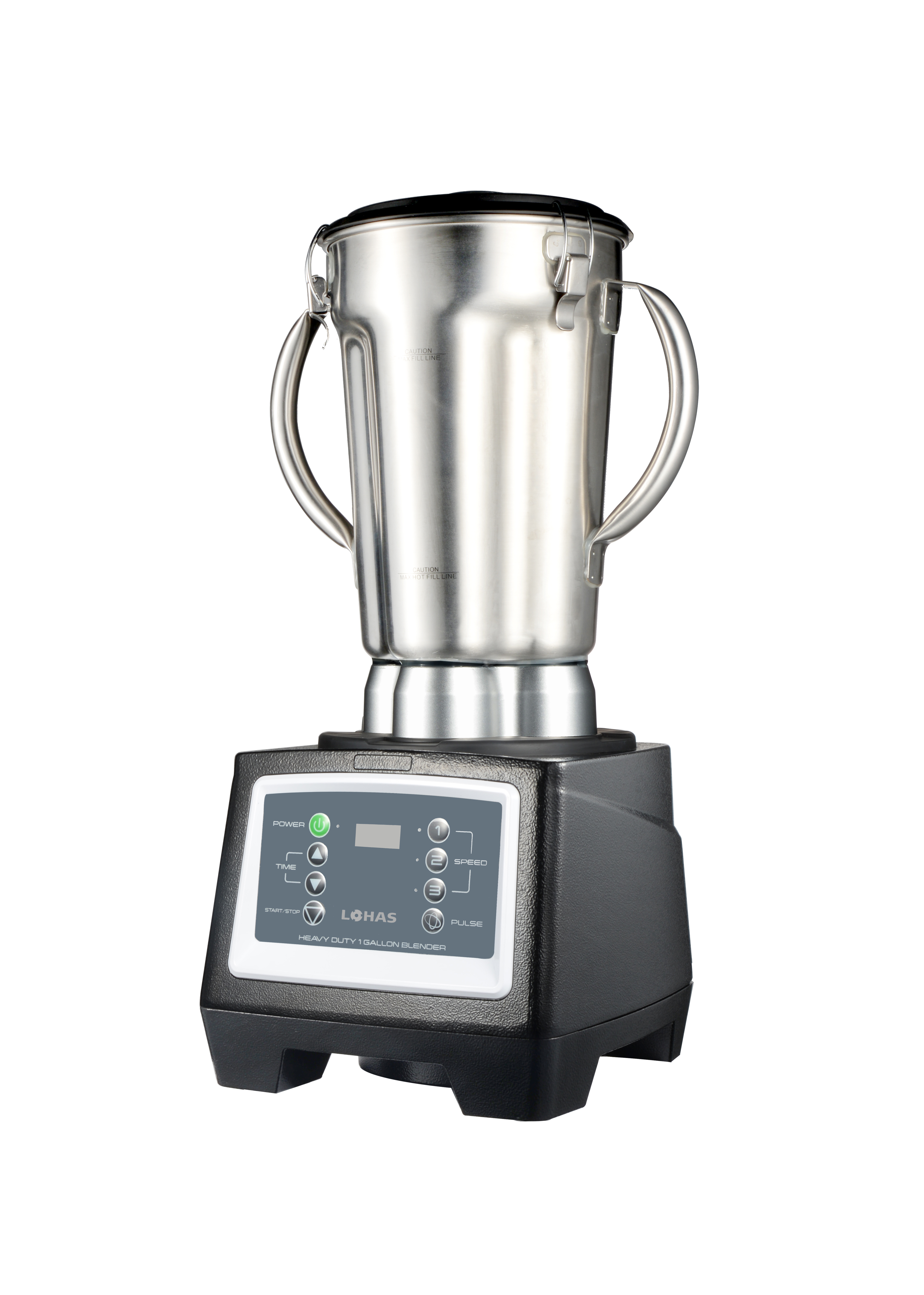
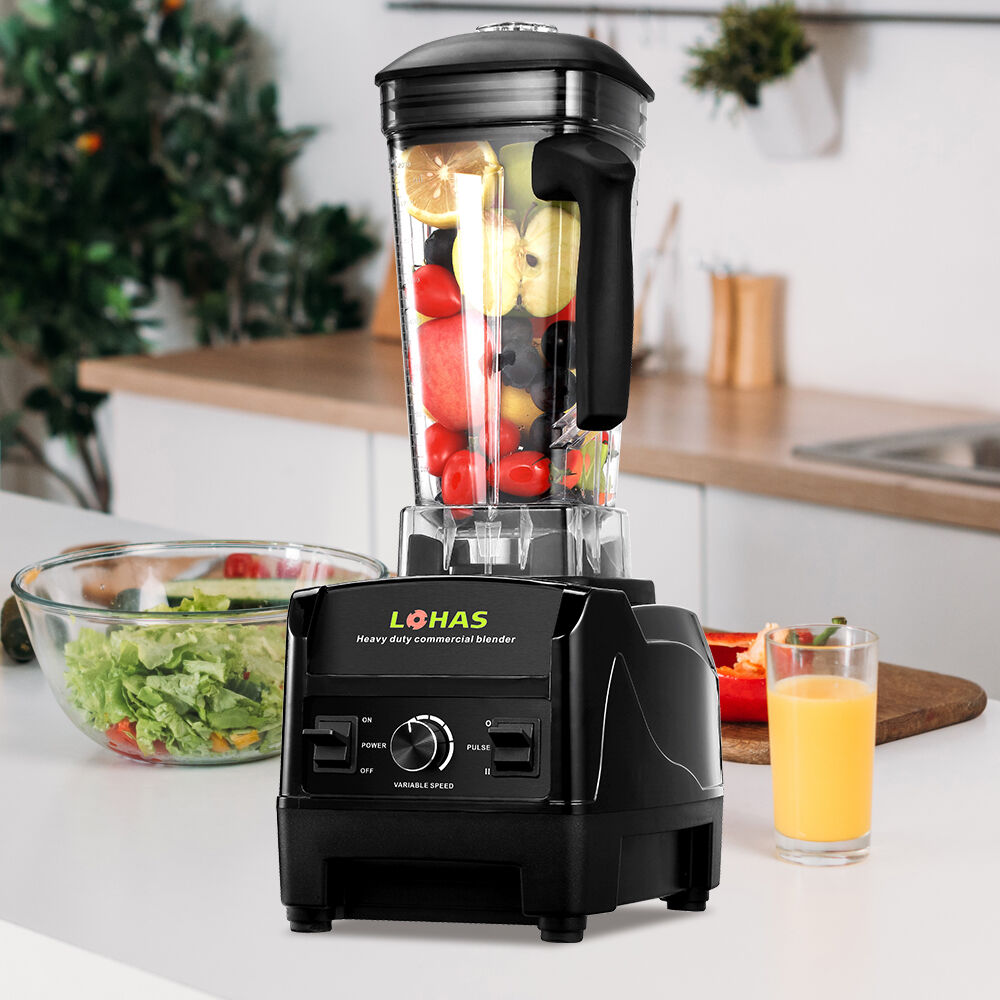
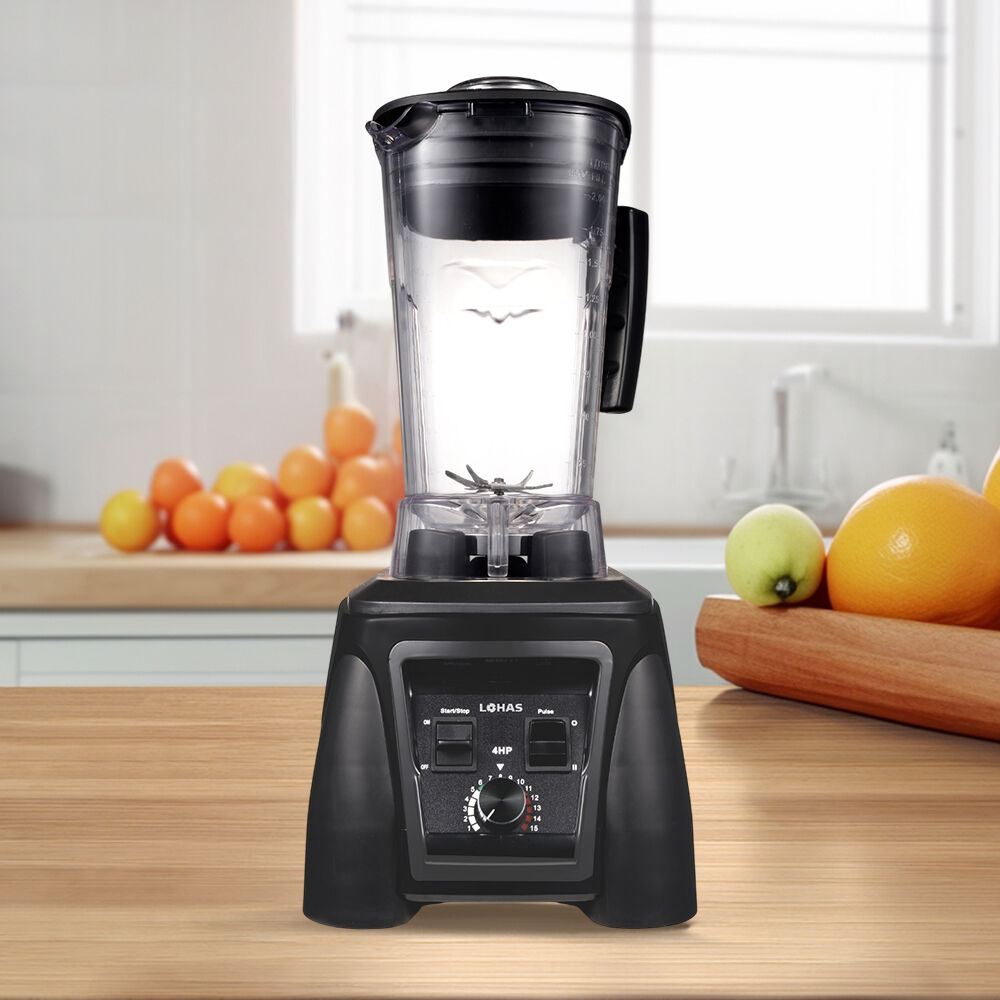
The commercial drink blender represents a revolutionary advancement in professional beverage preparation equipment, designed specifically to meet the demanding requirements of restaurants, cafes, smoothie bars, and high-volume food service establishments. This powerful commercial-grade appliance transforms raw ingredients into perfectly blended beverages with exceptional consistency and speed. Unlike residential blenders, a commercial drink blender features robust construction with heavy-duty motors ranging from 1.5 to 3.5 horsepower, enabling continuous operation throughout busy service periods. The stainless steel blades rotate at variable speeds up to 30,000 RPM, pulverizing ice, fruits, vegetables, and other ingredients into smooth textures within seconds. Advanced sound enclosure technology significantly reduces operational noise, making these units suitable for open kitchen environments and customer-facing areas. The commercial drink blender incorporates programmable controls with preset cycles for different beverage types, ensuring consistent results regardless of operator experience. Digital displays provide real-time feedback on blending progress, while safety interlocks prevent operation when the container is improperly positioned. These machines accommodate various container sizes from 32 ounces to 96 ounces, allowing operators to prepare single servings or large batches efficiently. The applications extend beyond traditional smoothies to include protein shakes, frozen cocktails, purees, soups, sauces, and specialty beverages. Food service operators rely on commercial drink blenders to maintain product quality while maximizing throughput during peak hours. The equipment's durability ensures reliable performance under continuous use, with many units operating for over 100,000 cycles before requiring major maintenance. Temperature control features prevent overheating during extended blending sessions, preserving ingredient integrity and equipment longevity. Modern commercial drink blender models integrate seamlessly with point-of-sale systems, enabling automated recipe execution and inventory tracking for enhanced operational efficiency.

New Product Recommendations

Commercial drink blender systems deliver substantial operational advantages that directly impact profitability and customer satisfaction in food service environments. The primary benefit lies in dramatically reduced preparation time, with most beverages ready within 30 seconds compared to several minutes using conventional methods. This speed advantage translates to shorter customer wait times and increased order capacity during peak periods, directly boosting revenue potential. The consistent quality output ensures every beverage meets exact specifications, eliminating variability that can damage brand reputation and customer loyalty. Operators achieve significant cost savings through reduced ingredient waste, as precise blending minimizes spillage and ensures complete utilization of expensive components like protein powders and fresh fruits. The commercial drink blender's versatility allows establishments to expand their menu offerings without additional equipment investments, accommodating everything from health-conscious smoothies to indulgent milkshakes using the same machine. Labor efficiency improves substantially, as minimal training is required for staff to operate these units effectively, reducing staffing costs and minimizing human error. The automated programs eliminate guesswork, allowing even inexperienced employees to produce professional-quality results consistently. Maintenance requirements are minimal due to self-cleaning cycles and dishwasher-safe components, reducing operational downtime and associated costs. Energy efficiency features lower utility expenses while maintaining optimal performance levels throughout extended operating periods. The commercial drink blender's compact footprint maximizes valuable counter space in busy kitchens, while quiet operation maintains pleasant customer environments. Health-conscious consumers increasingly demand fresh, made-to-order beverages, and these machines enable operators to capitalize on this growing market trend without compromising efficiency. The equipment's durability provides excellent return on investment, with typical units lasting 5-7 years under heavy commercial use. Advanced safety features protect both operators and equipment, reducing liability concerns and potential repair costs. The ability to process frozen ingredients directly eliminates the need for separate ice crushing equipment, streamlining operations and reducing equipment acquisition costs. Finally, the professional presentation and consistent texture achieved by commercial drink blenders enhance perceived value, allowing operators to command premium pricing for their beverage offerings.

Tips And Tricks

Hand Blender Guide: Which Features Matter Most for Users?

21

Oct

Hand Blender Guide: Which Features Matter Most for Users?

Essential Hand Blender Characteristics for Modern Kitchen Enthusiasts Selecting the perfect hand blender can transform your daily cooking experience from mundane to extraordinary. These versatile kitchen tools have evolved significantly over the year...
View More
Why Are Manual Blenders Eco-Friendly and Easy to Maintain?

21

Oct

Why Are Manual Blenders Eco-Friendly and Easy to Maintain?

The Sustainable Revolution in Kitchen Tools In an era where environmental consciousness meets culinary innovation, manual blenders have emerged as a beacon of sustainable kitchen practices. These ingenious tools represent a perfect harmony between fu...
View More
How Does a Stainless Steel Blender Handle Hot Soups and Frozen Drinks Effectively?

27

Nov

How Does a Stainless Steel Blender Handle Hot Soups and Frozen Drinks Effectively?

Modern commercial kitchens and home cooking enthusiasts face a common challenge when selecting the right blending equipment for versatile food preparation. A stainless steel blender stands out as the ultimate solution for handling extreme temperature...
View More
What Makes a Heavy Duty Blender Different From Standard Models

27

Jan

What Makes a Heavy Duty Blender Different From Standard Models

Commercial kitchens and food service establishments demand equipment that can withstand continuous operation while delivering consistent results. A heavy duty blender represents the pinnacle of blending technology, engineered specifically to handle t...
View More

Get a Free Quote

Our representative will contact you soon.
Email
Name
Company Name
Message
0/1000

commercial drink blender

Advanced Motor Technology and Performance Engineering

Advanced Motor Technology and Performance Engineering

The heart of every commercial drink blender lies in its sophisticated motor technology, engineered to deliver uncompromising performance under the most demanding operational conditions. These high-performance motors, typically ranging from 2 to 3.5 horsepower, represent a quantum leap beyond residential equipment capabilities, providing the raw power necessary to crush ice, blend frozen fruits, and process tough ingredients with remarkable ease. The advanced motor design incorporates variable speed control systems that allow operators to precisely adjust blending intensity based on ingredient requirements and desired texture outcomes. This technological sophistication extends to the motor's thermal management system, which prevents overheating during continuous operation through strategically placed cooling vents and temperature monitoring circuits. The commercial drink blender's motor utilization intelligent load sensing technology that automatically adjusts power output based on ingredient density and volume, ensuring optimal performance while protecting the equipment from potential damage caused by overexertion. Professional-grade bearings and reinforced housing materials contribute to exceptional durability, enabling these motors to withstand the rigorous demands of high-volume commercial environments where hundreds of beverages may be prepared daily. The engineering excellence extends to noise reduction technology, where specialized sound dampening materials and precision-balanced components minimize operational noise to levels that won't disturb customers or create uncomfortable working conditions for staff. Furthermore, the motor's energy efficiency design reduces operational costs while maintaining peak performance, featuring power management systems that optimize energy consumption based on blending requirements. The sophisticated control algorithms embedded within the motor management system provide precise timing and speed regulation, ensuring consistent results across different operators and varying ingredient combinations. This advanced motor technology represents a significant competitive advantage for commercial drink blender users, enabling them to maintain consistent quality standards while maximizing operational efficiency and minimizing long-term maintenance requirements.
Precision Blade System and Container Engineering

Precision Blade System and Container Engineering

The precision-engineered blade system within a commercial drink blender represents years of research and development focused on achieving optimal ingredient processing and beverage consistency. These specialized blades, constructed from hardened stainless steel alloys, are designed with specific angles and configurations that create powerful vortex action, pulling ingredients down toward the cutting surface while simultaneously generating the turbulence necessary for thorough mixing. The blade geometry incorporates multiple cutting edges positioned at calculated heights and angles, ensuring that all ingredients, regardless of size or density, are processed uniformly throughout the blending cycle. This sophisticated design eliminates common problems such as ingredient separation, uneven texture, and inadequate ice crushing that plague inferior equipment. The commercial drink blender's container engineering complements the blade system perfectly, featuring scientifically designed shapes that optimize fluid dynamics and ingredient flow patterns. The container walls are angled precisely to direct ingredients toward the blade assembly, preventing ingredient buildup in corners or dead zones that could compromise blending effectiveness. Advanced materials science contributes to container durability, with impact-resistant polymers or stainless steel construction that withstands repeated thermal cycling and chemical exposure from acidic fruits and cleaning solutions. The container's capacity options, ranging from compact 32-ounce units for individual servings to large 96-ounce models for batch preparation, provide operational flexibility while maintaining optimal ingredient-to-container ratios for effective blending. Safety considerations are paramount in container design, with secure locking mechanisms that prevent operation when improperly seated and reinforced construction that contains ingredients safely during high-speed operation. The precision blade and container combination enables commercial drink blender operators to achieve professional results consistently, creating smooth textures, properly incorporated ingredients, and visually appealing presentations that meet customer expectations. Additionally, the system's easy disassembly facilitates thorough cleaning and sanitization, critical requirements in commercial food service environments where health regulations and customer safety are paramount concerns.
Intelligent Control Systems and Operational Efficiency

Intelligent Control Systems and Operational Efficiency

Modern commercial drink blender units incorporate sophisticated control systems that revolutionize beverage preparation through intelligent automation and user-friendly interfaces. These advanced control platforms feature intuitive touchscreen displays that provide operators with immediate access to pre-programmed recipes, custom blending cycles, and real-time operational feedback. The intelligent programming capabilities allow establishments to standardize their beverage offerings by storing specific recipes with precise timing, speed sequences, and ingredient ratios, ensuring consistent quality regardless of which staff member operates the equipment. This standardization is particularly valuable for franchise operations and multi-location businesses where maintaining brand consistency across different sites is crucial for customer satisfaction and brand integrity. The commercial drink blender's control system incorporates adaptive learning algorithms that optimize blending parameters based on ingredient types, quantities, and desired outcomes, automatically adjusting speed and duration to achieve perfect results. Advanced diagnostic capabilities monitor equipment performance continuously, alerting operators to potential maintenance needs before costly breakdowns occur, thereby maximizing uptime and protecting the investment in commercial equipment. The control interface provides detailed usage analytics, tracking cycle counts, operational hours, and performance metrics that enable data-driven decisions about maintenance scheduling, equipment replacement, and operational optimization. Safety integration is paramount, with multiple sensor systems that detect improper container placement, ingredient overflow, or mechanical anomalies, automatically shutting down operation to prevent accidents or equipment damage. The commercial drink blender's connectivity features enable integration with point-of-sale systems, inventory management platforms, and remote monitoring services, creating a comprehensive operational ecosystem that streamlines business processes. Energy management functions optimize power consumption by adjusting motor output based on actual requirements, reducing operational costs while maintaining performance standards. The user-friendly design accommodates varying skill levels among staff members, with visual indicators, audio prompts, and simplified controls that minimize training requirements and reduce operational errors. Furthermore, the control system's flexibility allows for easy recipe modification and menu expansion, enabling businesses to adapt quickly to changing customer preferences and seasonal ingredient availability without requiring additional equipment or extensive retraining.