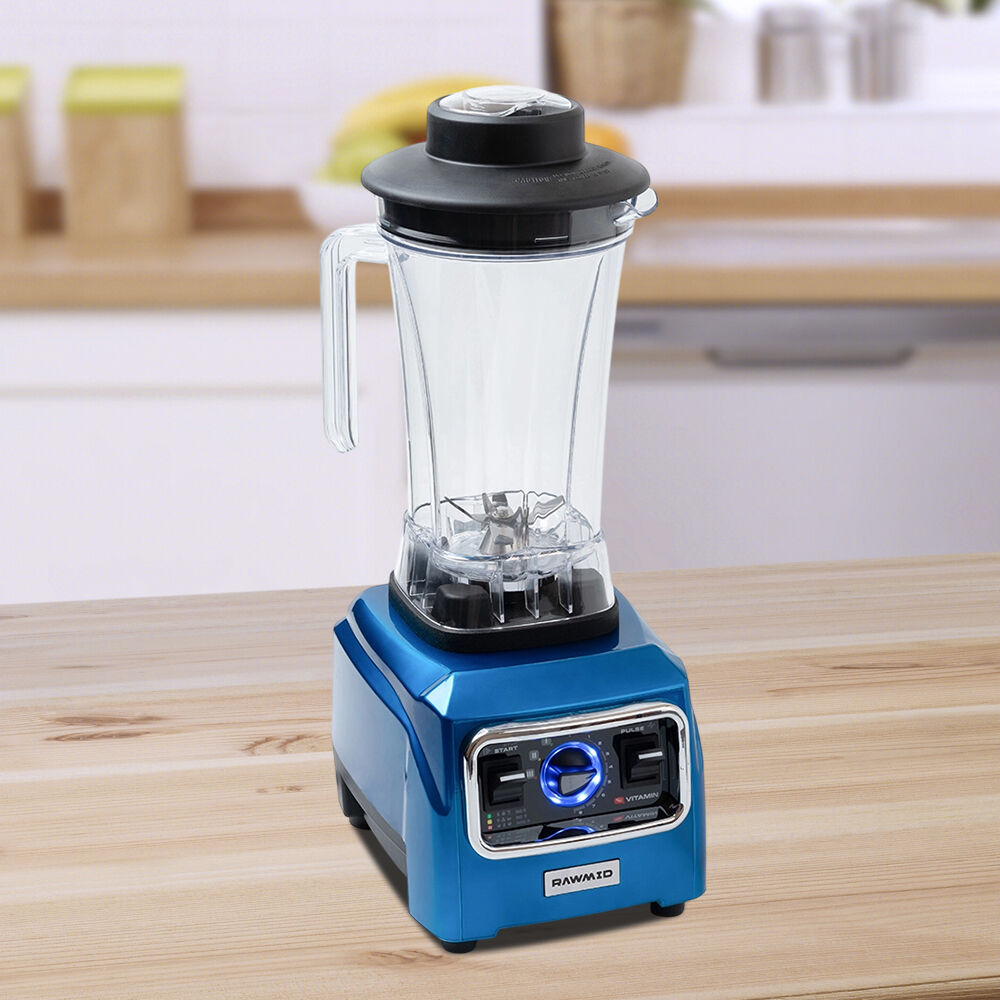
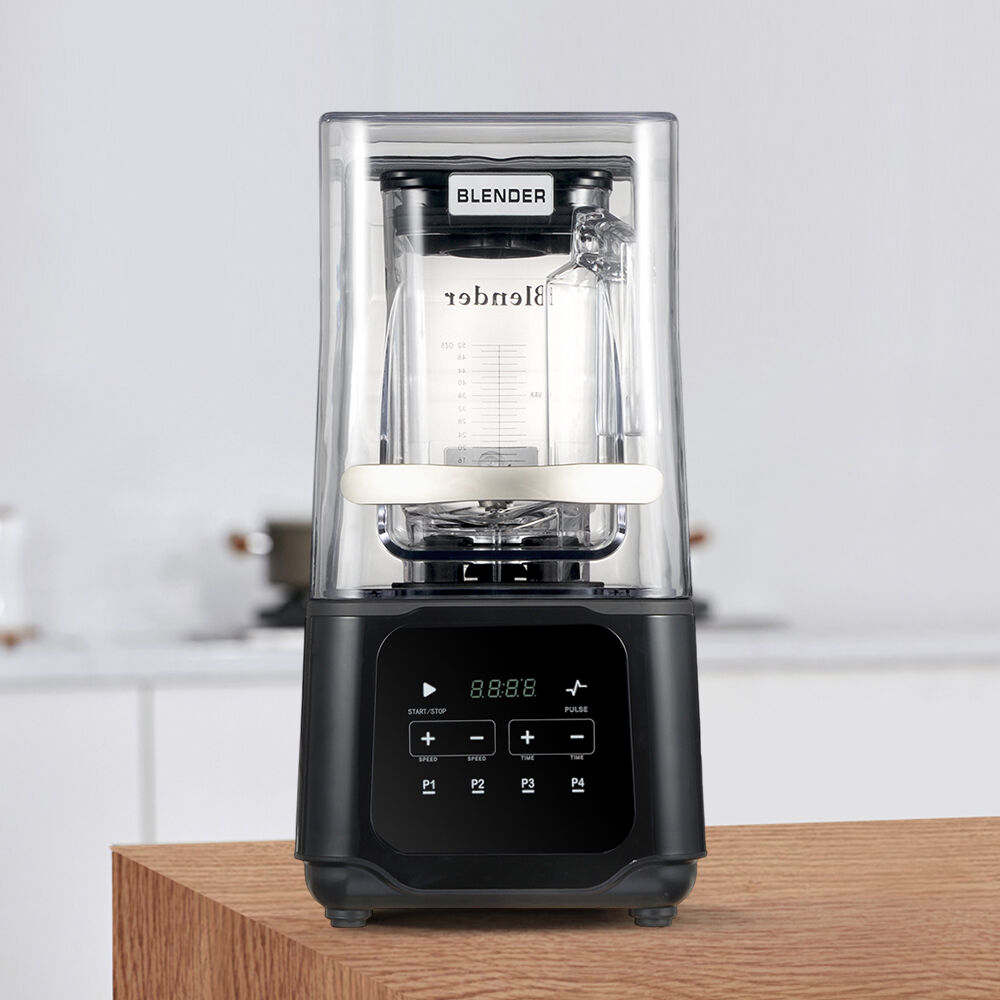
εμπορικός αναμιγνυτήρας κενού
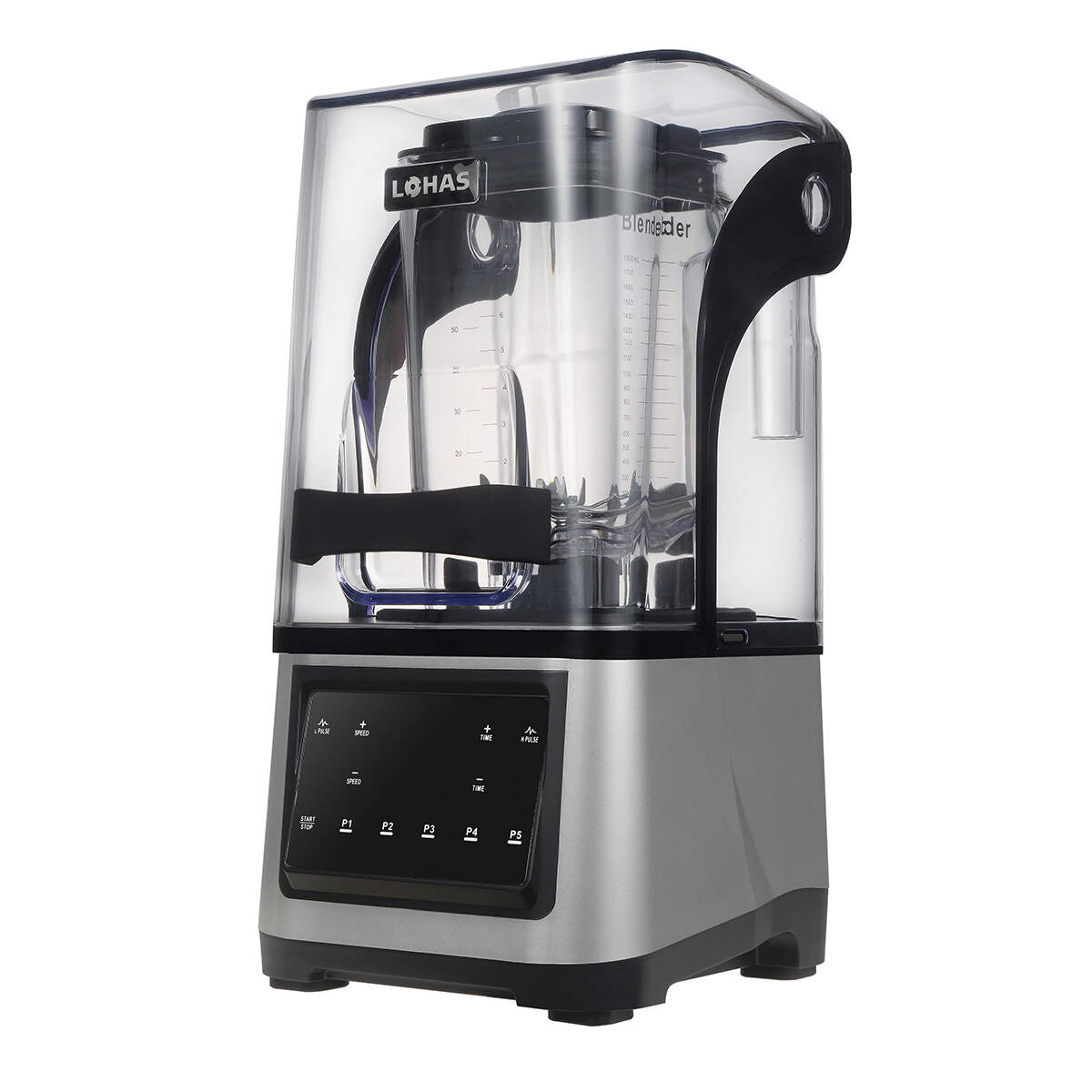
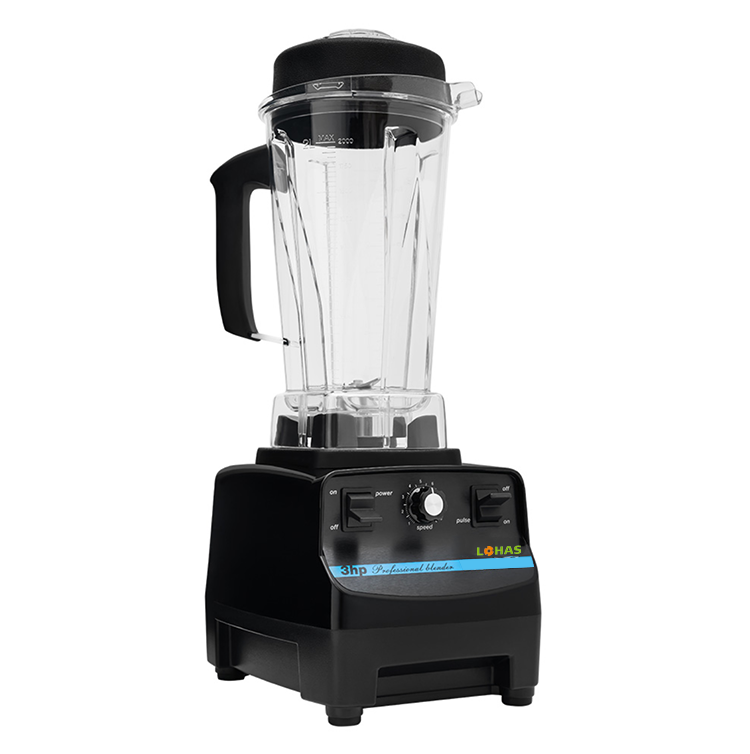
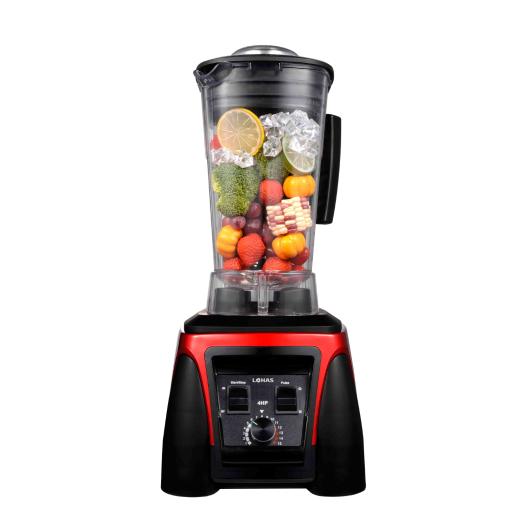
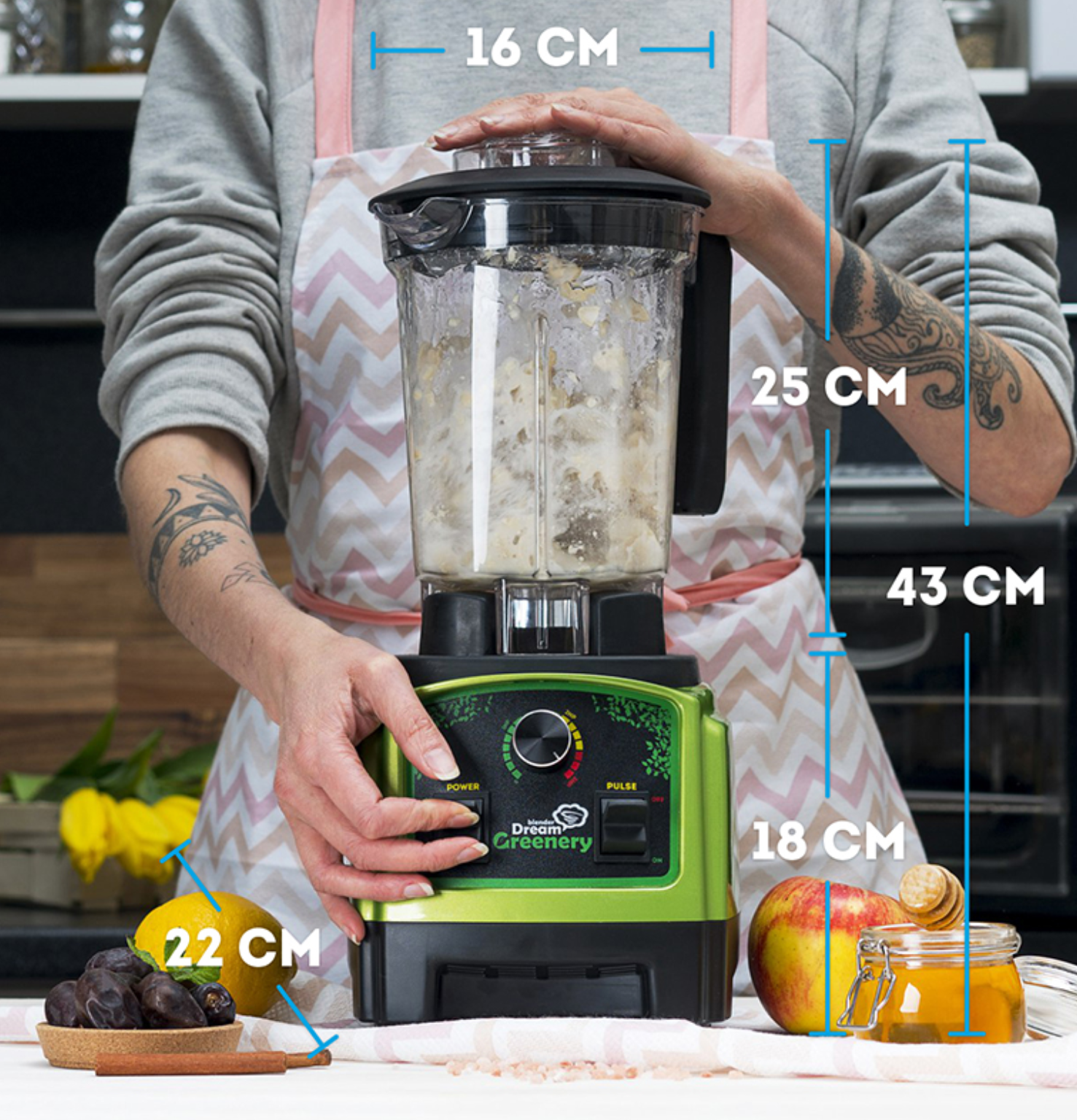
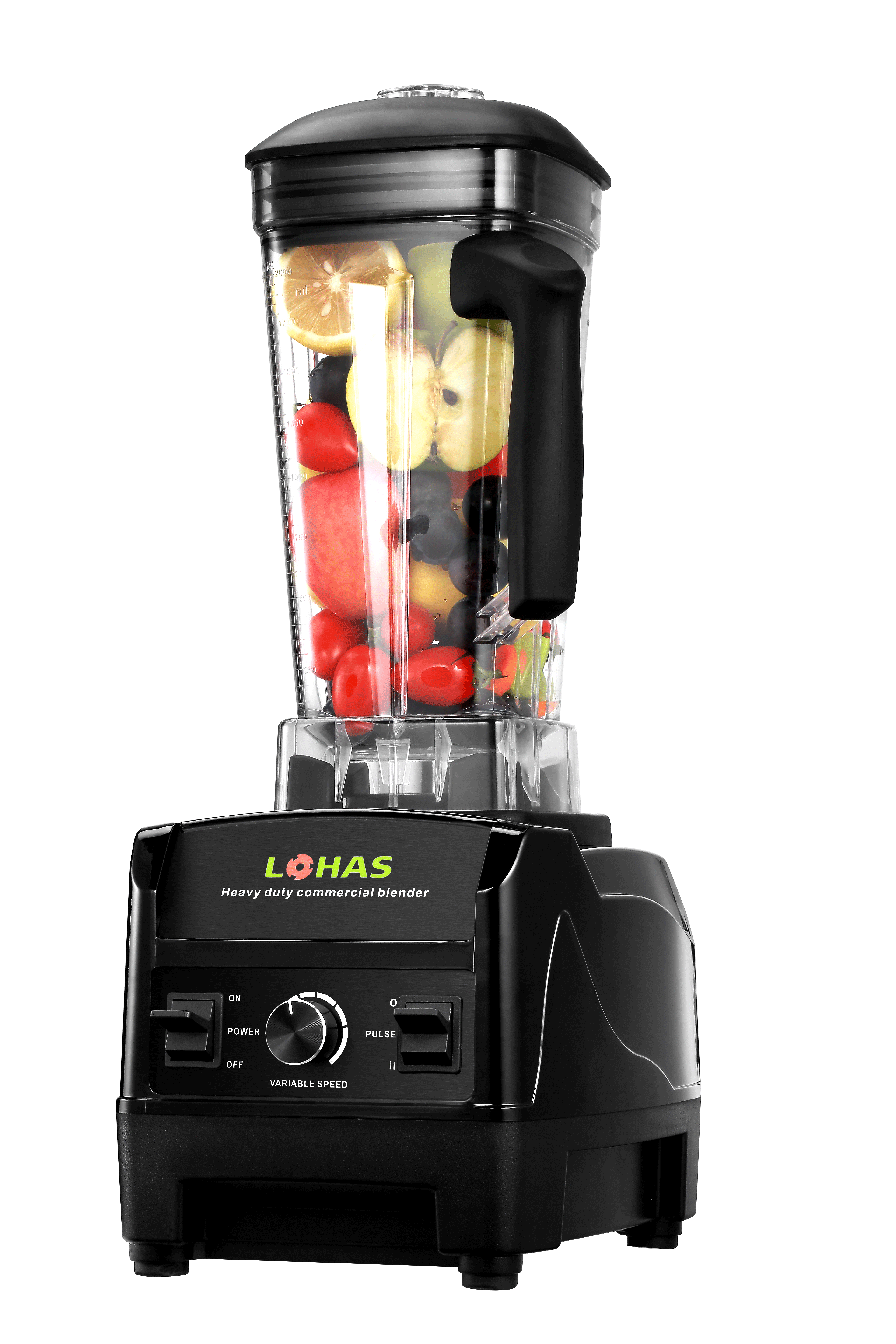
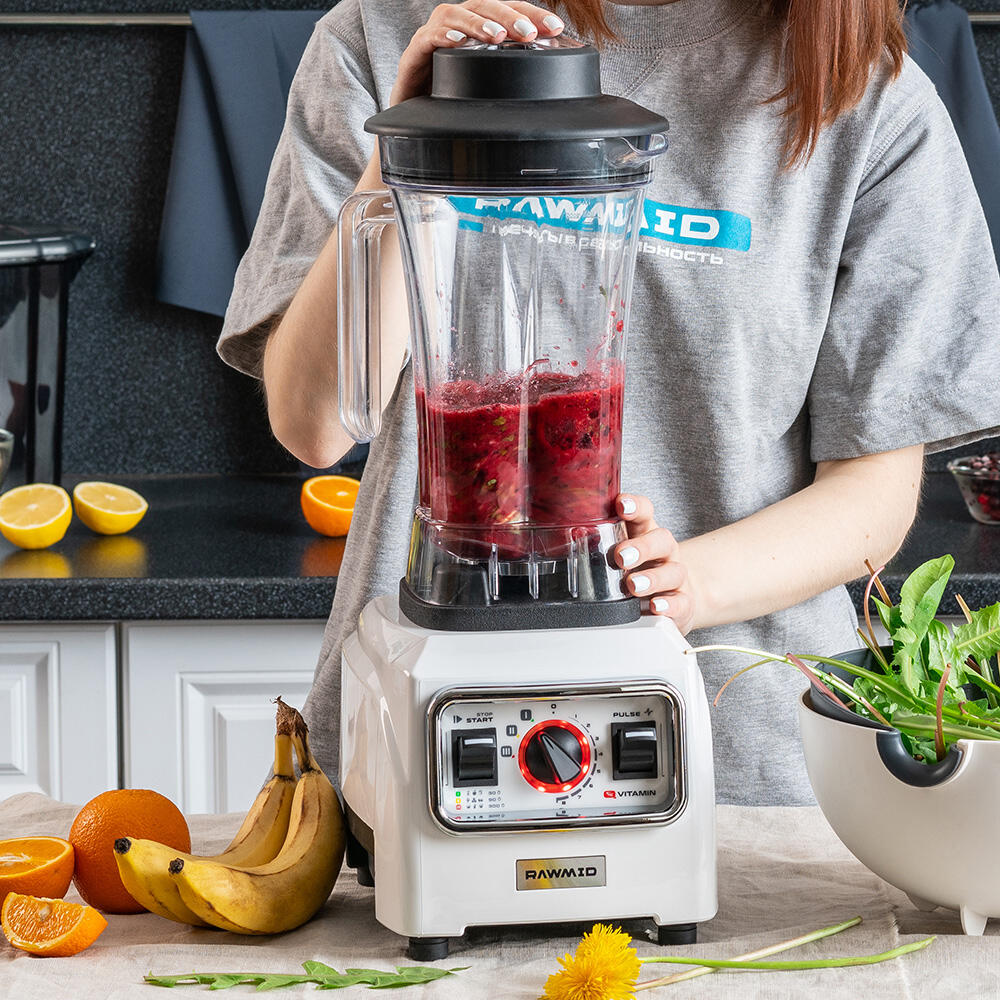
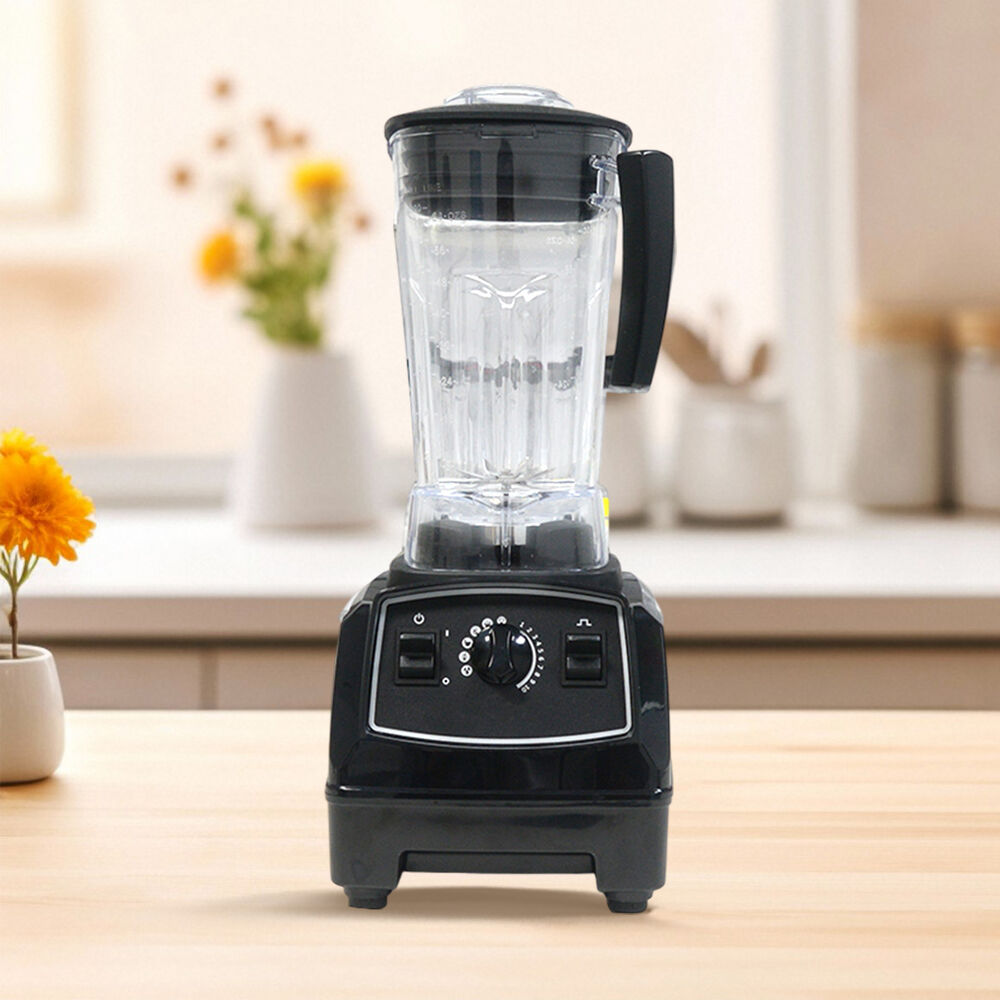
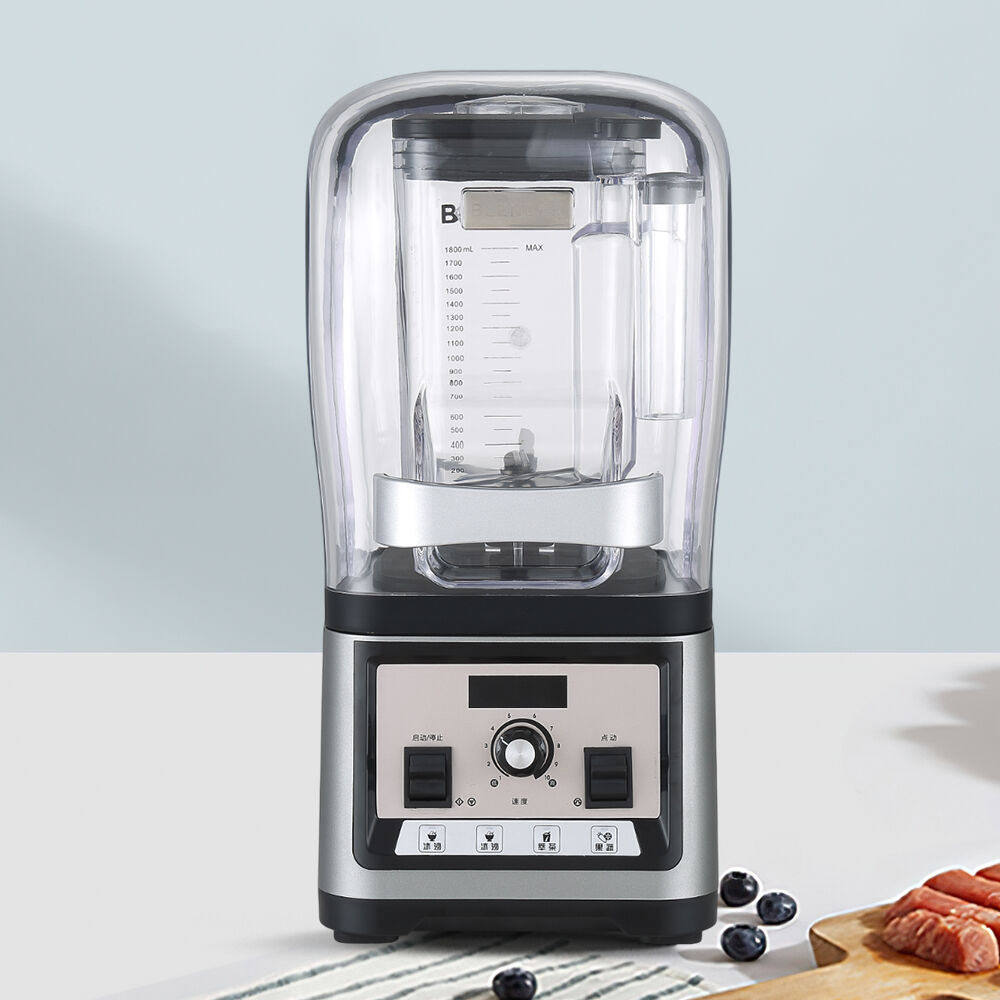
Ένα εμπορικό βιομηχανικό μπλέντερ κενού αποτελεί μια επαναστατική πρόοδο στην τεχνολογία παρασκευής τροφίμων, σχεδιασμένο ειδικά για να καλύψει τις απαιτητικές ανάγκες επαγγελματικών κουζινών, εστιατορίων, μπαρ χυμών και εμπορικών εγκαταστάσεων εστίασης. Αυτός ο σύνθετος εξοπλισμός συνδυάζει τις παραδοσιακές δυνατότητες ανάμιξης με τεχνολογία κενού, δημιουργώντας ένα περιβάλλον χωρίς οξυγόνο κατά τη διάρκεια της διαδικασίας ανάμιξης. Η κύρια λειτουργία ενός εμπορικού μπλέντερ κενού επικεντρώνεται στην αφαίρεση του αέρα από την κάμερα ανάμιξης πριν και κατά τη λειτουργία, προκειμένου να αποτραπεί η οξείδωση και να διατηρηθεί η διατροφική ακεραιότητα των συστατικών. Το σύστημα κενού λειτουργεί με την εξαγωγή του αέρα μέσω ενός ειδικού μηχανισμού αντλίας, μειώνοντας την ατμοσφαιρική πίεση εντός του δοχείου ανάμιξης για τη δημιουργία ιδανικών συνθηκών επεξεργασίας. Μεταξύ των τεχνολογικών χαρακτηριστικών περιλαμβάνονται ελεγχόμενες μεταβλητές ταχύτητες, προγραμματιζόμενες ρυθμίσεις και ακριβώς μηχανοτεχνικά κατασκευασμένες λεπίδες, οι οποίες έχουν σχεδιαστεί για να λειτουργούν αποτελεσματικά σε περιβάλλοντα με χαμηλό περιεχόμενο οξυγόνου. Η κάμερα ανάμιξης αποτελείται συνήθως από ανθεκτικά, τροφίμων εγκεκριμένα υλικά, όπως ανοξείδωτο χάλυβα ή πολυμερή ελεύθερα από BPA, διασφαλίζοντας την ασφάλεια και τη μακροζωία του εξοπλισμού. Τα προηγμένα μοντέλα διαθέτουν ψηφιακές οθόνες, προκαθορισμένα προγράμματα για διαφορετικούς τύπους συστατικών και αυτόματα συστήματα παρακολούθησης του επιπέδου κενού. Τα συστήματα κινητήρα σε αυτές τις μονάδες παρέχουν σημαντική ισχύ, που κυμαίνεται συνήθως από 2 έως 5 ίππους, εξασφαλίζοντας σταθερή απόδοση ακόμα και με πυκνά ή ινώδη συστατικά. Οι μηχανισμοί ελέγχου της θερμοκρασίας αποτρέπουν την υπερθέρμανση κατά τη διάρκεια μακρόχρονης λειτουργίας, διατηρώντας την ποιότητα των συστατικών σε όλη τη διάρκεια της διαδικασίας ανάμιξης. Οι εφαρμογές καλύπτουν πολλούς εμπορικούς τομείς, συμπεριλαμβανομένης της παρασκευής σμουθί και χυμών, της παραγωγής σάλτσες, της ετοιμασίας σούπας και της δημιουργίας ειδικών ποτών. Οι επαγγελματίες σεφ χρησιμοποιούν εμπορικά μπλέντερ κενού για τη δημιουργία εμουλσιών, πουρέ και καινοτόμων γαστρονομικών παρασκευών που απαιτούν ανώτερη υφή και βελτιωμένη διατήρηση της γεύσης. Ο εξοπλισμός αποδεικνύεται ιδιαίτερα πολύτιμος για επιχειρήσεις που επικεντρώνονται σε υγιεινές προσφορές, καθώς το περιβάλλον κενού μειώνει σημαντικά την αποδόμηση των θρεπτικών συστατικών σε σύγκριση με τις συμβατικές μεθόδους ανάμιξης.
 EN
EN