अद्वितीय निर्माण गुणवत्ता और स्वच्छता-मित्र डिज़ाइन
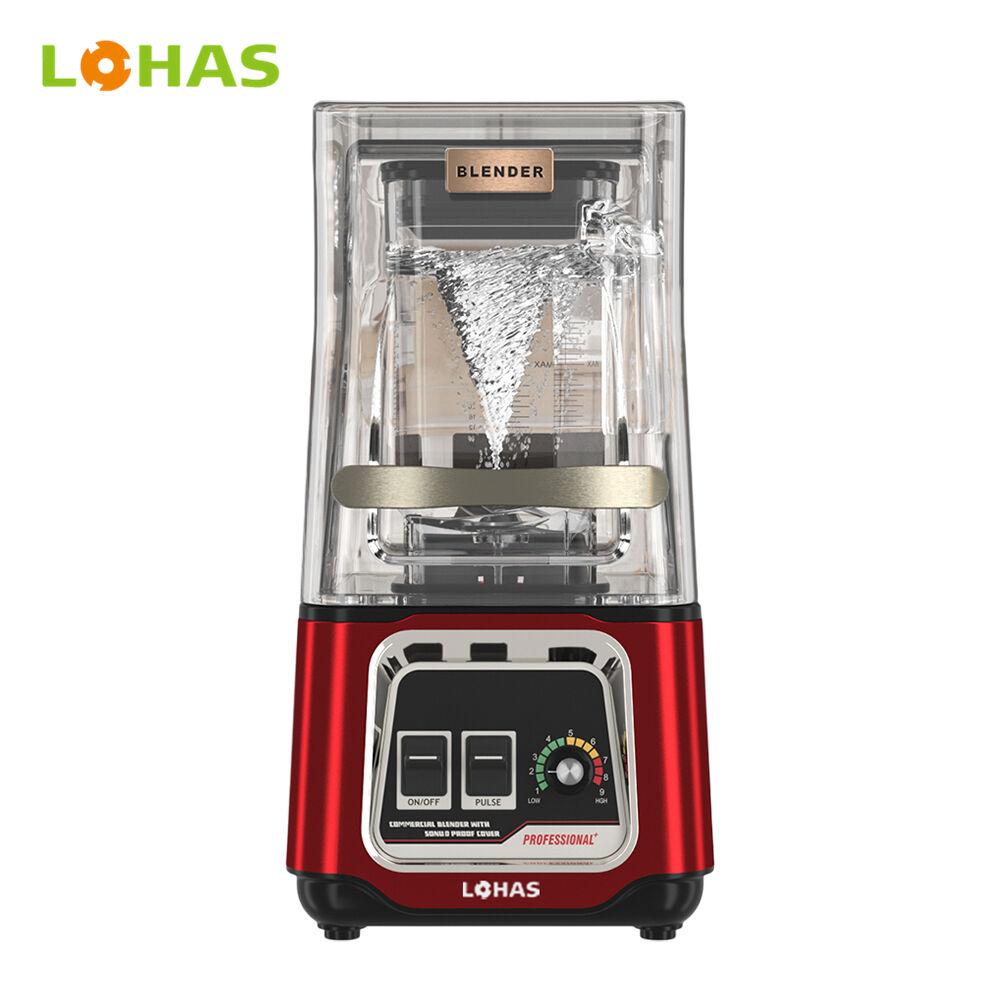
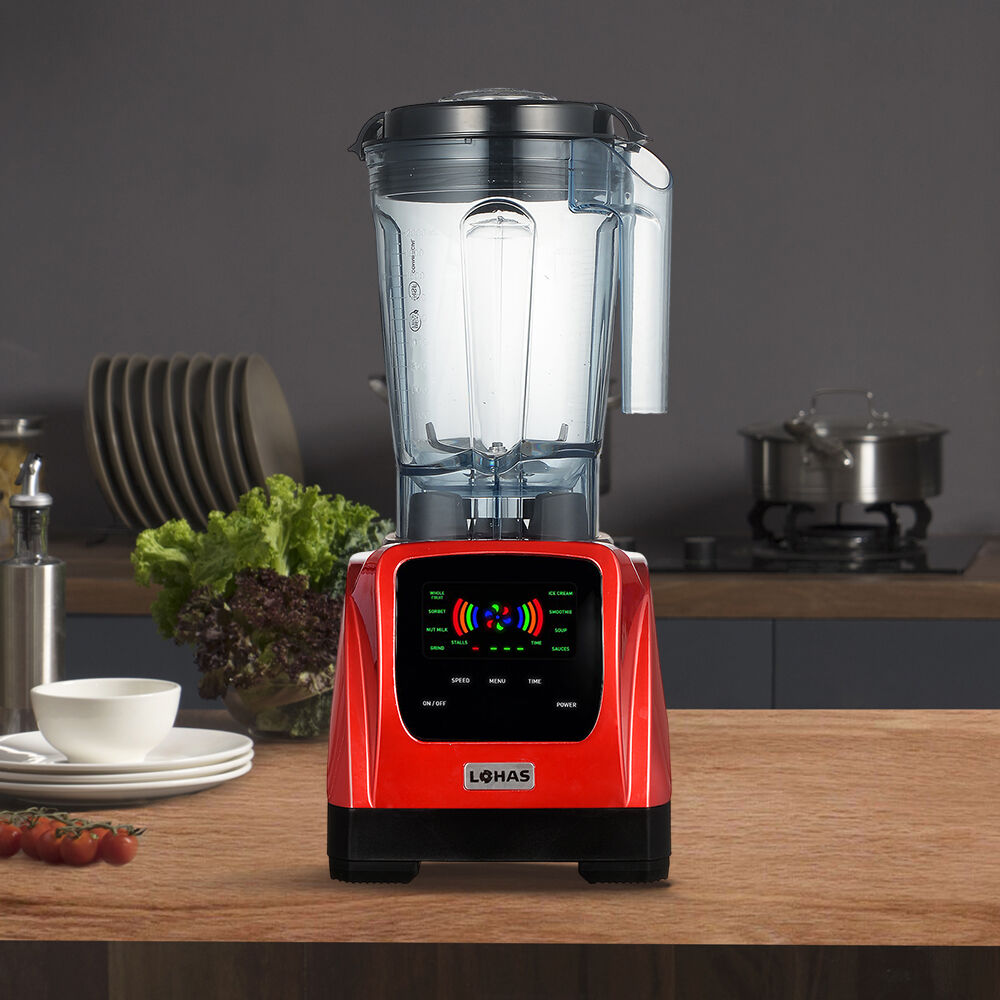
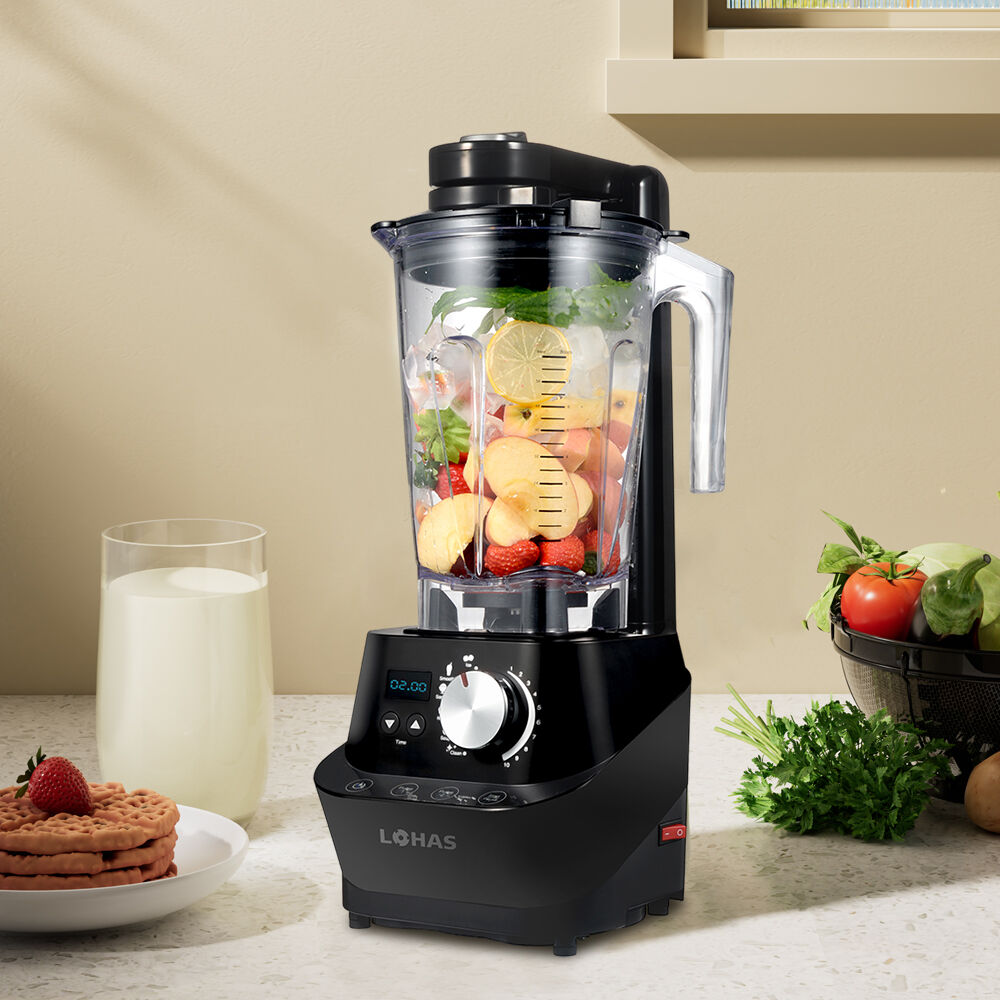
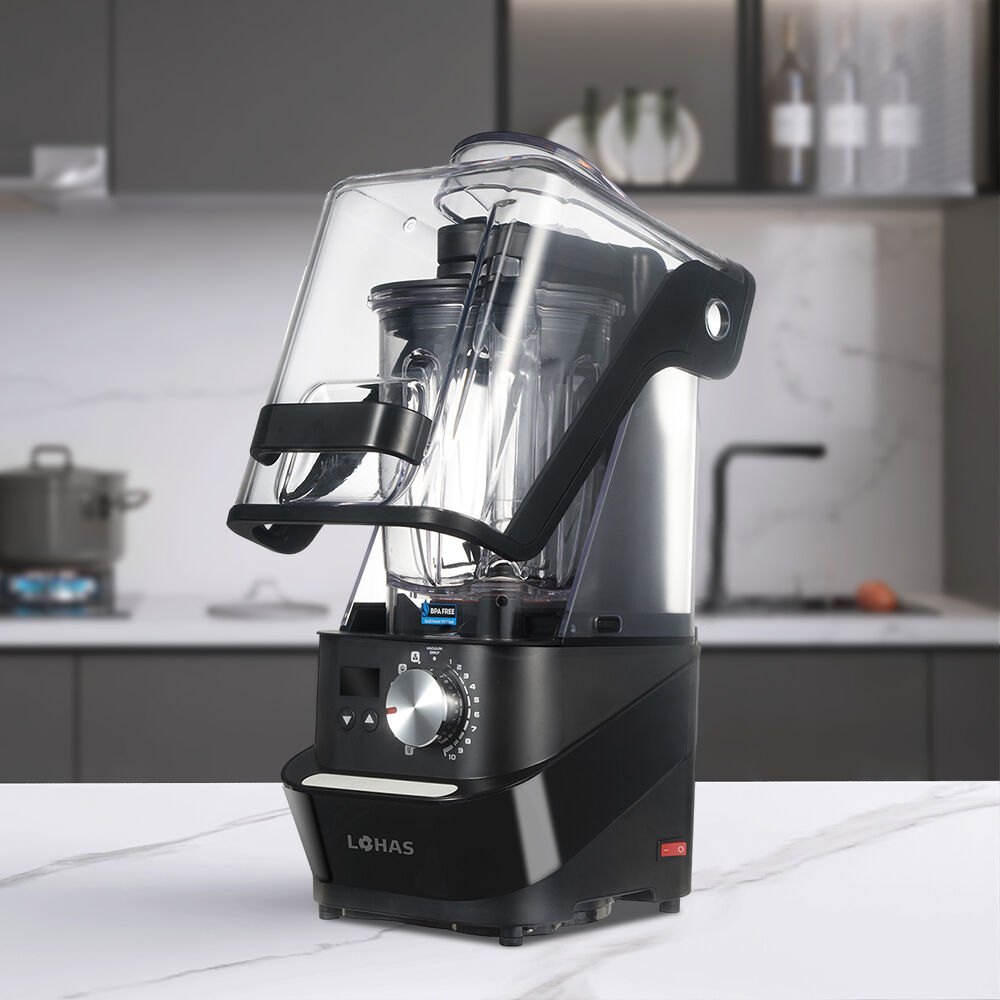
व्यावसायिक पाउडर मिश्रक अपने मजबूत निर्माण और स्वच्छता-अनुकूल डिज़ाइन सिद्धांतों के माध्यम से उत्कृष्ट इंजीनियरिंग का उदाहरण प्रस्तुत करता है, जो सबसे कठोर औद्योगिक अनुप्रयोगों की आवश्यकताओं को पूरा करता है। उच्च-गुणवत्ता वाले स्टेनलेस स्टील से निर्मित, यह उपकरण संक्षारण, रासायनिक आक्रमण और यांत्रिक क्षरण के प्रति प्रतिरोधी है, जबकि इसके निर्मल सतह परिष्करण को बनाए रखता है, जो गहन सफाई और कीटाणुरहित प्रक्रियाओं को सुविधाजनक बनाते हैं। वेल्डेड निर्माण से ऐसी दरारें और अंतराल समाप्त हो जाते हैं, जहाँ उत्पाद अवशेष जमा हो सकते हैं, जो खाद्य प्रसंस्करण, फार्मास्यूटिकल निर्माण और सौंदर्य प्रसंस्करण वातावरणों में आवश्यक कड़े स्वच्छता प्रोटोकॉल का समर्थन करता है। सभी उत्पाद संपर्क सतहों पर इलेक्ट्रोपॉलिश्ड परिष्करण होता है, जो जीवाणुओं के चिपकने को रोकता है और उत्पादन चक्रों के बीच पूर्ण धोने योग्यता सुनिश्चित करता है। व्यावसायिक पाउडर मिश्रक में स्वच्छता-संगत डिज़ाइन तत्व शामिल हैं, जिनमें पूर्ण निकास के लिए ढलान वाली सतहें, गहन निरीक्षण के लिए हटाने योग्य घटक, और व्यापक सफाई मान्यन प्रक्रियाओं का समर्थन करने वाली पहुँच सुविधाएँ शामिल हैं। विशेषीकृत सीलिंग प्रणालियाँ खाद्य-श्रेणी के इलास्टोमर्स और यांत्रिक सील्स का उपयोग करती हैं, जो बार-बार की सफाई चक्रों के तहत अपनी अखंडता बनाए रखती हैं और विभिन्न उत्पाद सूत्रों के बीच संदूषण के संक्रमण को रोकती हैं। उपकरण का डिज़ाइन क्लीन-इन-प्लेस (CIP) प्रणालियों के अनुकूल है, जिससे हस्तचालित सफाई की आवश्यकता कम हो जाती है और उपकरण के विघटन से संबंधित संदूषण के जोखिम को कम किया जाता है। भारी ड्यूटी बेयरिंग्स और ड्राइव घटक निरंतर उत्पादन शेड्यूल के तहत विश्वसनीय संचालन सुनिश्चित करते हैं, जबकि विस्तारित सेवा जीवन के दौरान सटीक सहिष्णुताएँ बनाए रखी जाती हैं। व्यावसायिक पाउडर मिश्रक में मजबूत किए गए माउंटिंग प्रणाली और कंपन अवशोषण तत्व शामिल हैं, जो उत्पादन वातावरण में स्थिर संचालन प्रदान करते हैं और शोर स्तर को कम करते हैं। निर्माण के दौरान गुणवत्ता नियंत्रण उपायों में दबाव परीक्षण, आयामी सत्यापन और सतह परिष्करण निरीक्षण शामिल हैं, ताकि प्रत्येक इकाई स्थापित प्रदर्शन मानकों को पूरा करे। मॉड्यूलर डिज़ाइन दर्शन व्यापक उपकरण विघटन के बिना सरल रखरखाव पहुँच और घटक प्रतिस्थापन को सक्षम बनाता है, जिससे अवरोध समय और सेवा लागत में कमी आती है, जबकि उपकरण के पूरे जीवनचक्र के दौरान संचालन दक्षता बनी रहती है।
 EN
EN