 EN
EN


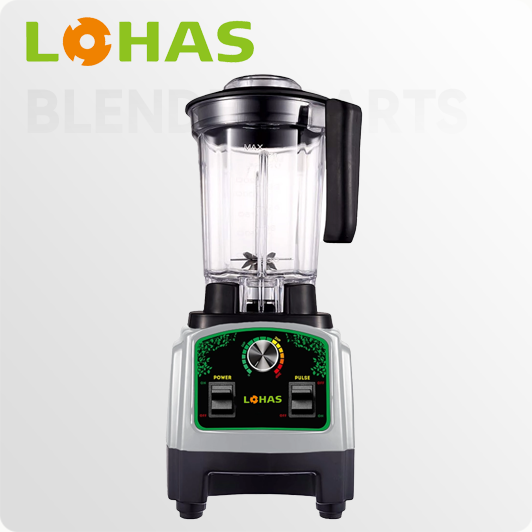
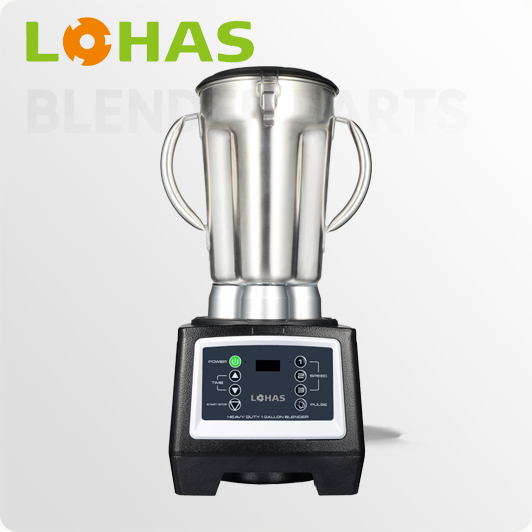
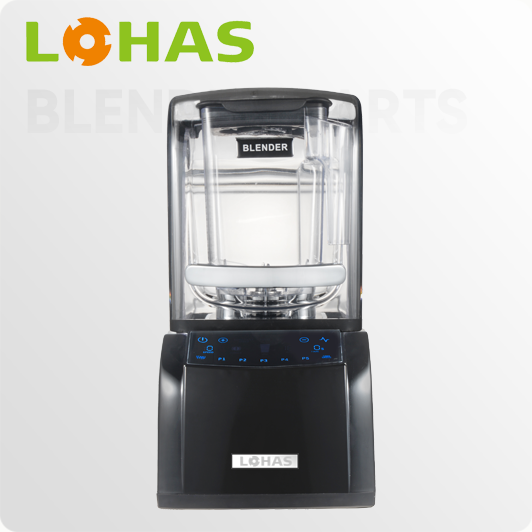

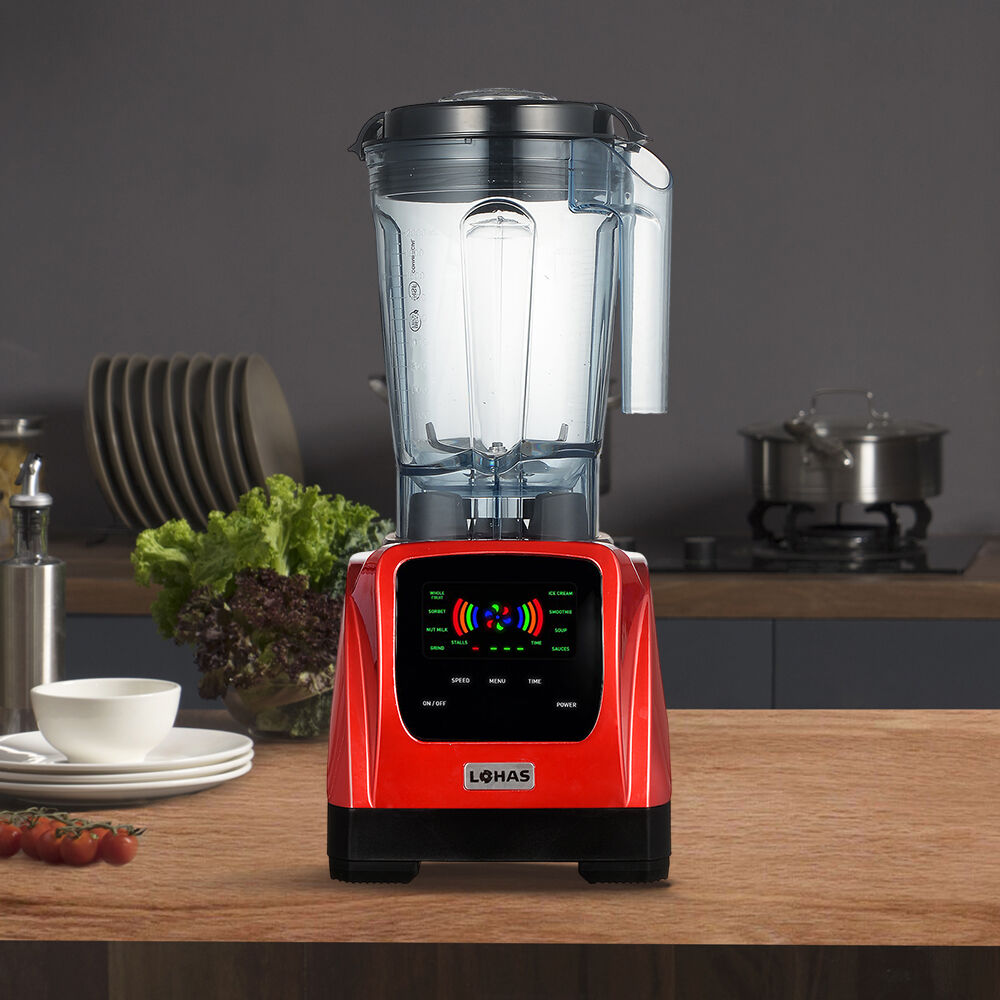
व्यावसायिक रसोईघर और खाद्य सेवा संचालन के लिए ऐसे उपकरणों की आवश्यकता होती है जो कठोर दैनिक उपयोग को सहन कर सकें और लगातार प्रदर्शन बनाए रख सकें। एक भारी उपयोग वाला वाणिज्यिक ब्लेंडर यह तकनीक के सम्मिश्रण के शिखर का प्रतिनिधित्व करता है, जिसे मांगपूर्ण वातावरणों में लगातार संचालन के लिए अभियांत्रिकी द्वारा डिज़ाइन किया गया है। ये शक्तिशाली मशीनें घरेलू मिक्सरों से काफी भिन्न होती हैं, जिनमें मजबूत निर्माण, उच्च-प्रदर्शन वाले मोटर और व्यावसायिक अनुप्रयोगों के लिए विशेष रूप से डिज़ाइन किए गए घटक शामिल होते हैं। इन मशीनों के लगातार तनाव के तहत संचालन को समझना ऑपरेटरों को दक्षता को अधिकतम करने और विश्वसनीय सेवा प्रदान करने में सहायता प्रदान करता है।
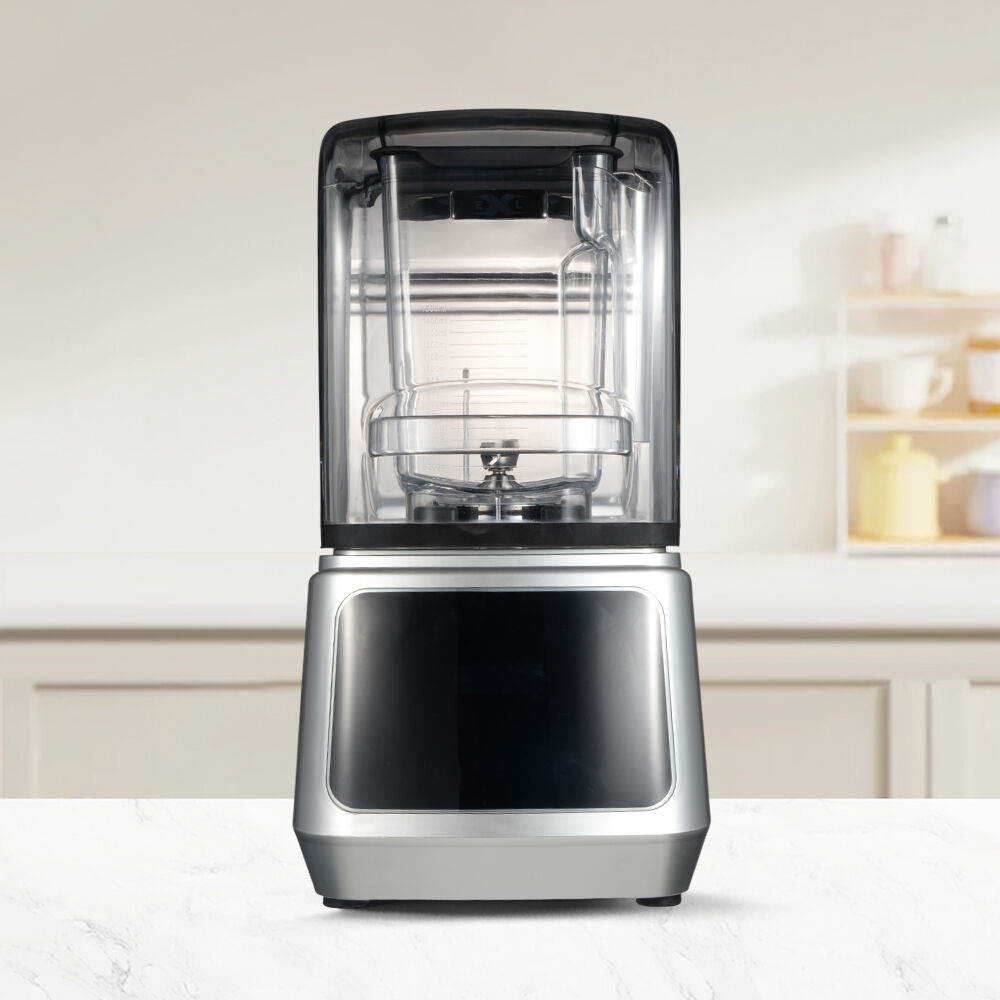
व्यावसायिक मिश्रण प्रणालियों में अभियांत्रिकी उत्कृष्टता
मोटर प्रौद्योगिकी और शक्ति वितरण
किसी भी भारी व्यावसायिक मिश्रक का हृदय उसकी मोटर प्रणाली में निहित होता है, जो लंबे समय तक चलने वाली ऑपरेशन अवधि के दौरान निरंतर शक्ति आउटपुट प्रदान करने में सक्षम होनी चाहिए। पेशेवर-श्रेणी की मोटरें आमतौर पर १२०० से ३००० वॉट की सीमा में होती हैं, जो घने सामग्री को संसाधित करने और भार के अधीन ब्लेड की गति को बनाए रखने के लिए आवश्यक टॉर्क प्रदान करती हैं। इन मोटरों में उन्नत शीतलन प्रणालियाँ शामिल होती हैं, जिनमें वेंटिलेशन चैनल और थर्मल सुरक्षा सर्किट शामिल हैं, जो निरंतर संचालन के दौरान अत्यधिक गर्म होने को रोकते हैं। शक्ति वितरण प्रणाली यह सुनिश्चित करती है कि जमे हुए फलों, नट्स या रेशेदार सब्जियों जैसी चुनौतीपूर्ण सामग्री के संसाधन के दौरान भी स्थिर प्रदर्शन बना रहे।
व्यावसायिक ब्लेंडर मोटरों में भारी उपयोग के लिए डिज़ाइन किए गए बेयरिंग और मजबूत आवरण होते हैं, जो उच्च गति संचालन से संबंधित कंपन और तनाव को सहन कर सकते हैं। विद्युत चुम्बकीय डिज़ाइन ऊर्जा हानि को न्यूनतम करता है जबकि टॉर्क प्रदान करने को अधिकतम करता है, जिससे यह सुनिश्चित होता है कि घटकों के घनत्व के बावजूद ब्लेड की गति स्थिर बनी रहे। यह इंजीनियरिंग दृष्टिकोण भारी उपयोग वाले व्यावसायिक ब्लेंडर को लंबे समय तक चलने वाले ब्लेंडिंग चक्रों के दौरान भी इसके आदर्श प्रदर्शन लक्षणों को बनाए रखने की अनुमति देता है, जिससे यह उच्च मात्रा वाली खाद्य सेवा ऑपरेशन के लिए आदर्श बन जाता है।
ट्रांसमिशन और ड्राइव तंत्र
प्रोफेशनल ब्लेंडिंग उपकरणों में ट्रांसमिशन प्रणाली मोटर शक्ति को सटीक इंजीनियरिंग वाले घटकों के माध्यम से ब्लेड असेंबली तक स्थानांतरित करती है। डायरेक्ट-ड्राइव प्रणालियाँ बेल्ट और पुली को समाप्त कर देती हैं, जिससे रखरखाव की आवश्यकताएँ कम हो जाती हैं और शक्ति स्थानांतरण की दक्षता में सुधार होता है। यह डिज़ाइन दृष्टिकोण सुनिश्चित करता है कि अधिकतम मोटर आउटपुट ब्लेंडिंग कक्ष तक पहुँचे, जिससे कठिन सामग्री के लिए उत्कृष्ट प्रसंस्करण क्षमता प्राप्त होती है। मोटर और ब्लेड असेंबली के बीच कपलिंग तंत्र में झटका अवशोषित करने वाले तत्व शामिल हैं, जो अचानक लोड परिवर्तनों से आंतरिक घटकों की रक्षा करते हैं।
उन्नत ट्रांसमिशन डिज़ाइनों में सील किए गए बेयरिंग असेंबली और मज़बूत ड्राइव शाफ्ट शामिल हैं, जो उच्च गति वाले संचालन के दौरान उत्पन्न घूर्णन बलों को संभाल सकते हैं। कपलिंग प्रणाली ब्लेड असेंबली को आसानी से हटाने की अनुमति देती है, जबकि मोटर और मिश्रण घटकों के बीच सही संरेखण बनाए रखती है। यह सटीक इंजीनियरिंग सुनिश्चित करती है कि भारी उपयोग वाला वाणिज्यिक ब्लेंडर हज़ारों संचालन चक्रों के दौरान भी निरंतर परिणाम प्रदान करे, बिना किसी प्रदर्शन के कमी के।
तापीय प्रबंधन और निरंतर संचालन क्षमताएँ
शीतलन प्रणाली वास्तुकला
प्रभावी तापीय प्रबंधन से निरंतर संचालन संभव होता है, जिसमें न तो प्रदर्शन में कोई समझौता करना पड़ता है और न ही उपकरणों को कोई क्षति पहुँचती है। वाणिज्यिक मिश्रण प्रणालियों में उन्नत शीतलन तंत्र शामिल होते हैं, जो मोटर संचालन और मिश्रण कक्ष के भीतर घर्षण के कारण उत्पन्न ऊष्मा को अवशोषित करते हैं। वायु संचार प्रणालियाँ रणनीतिक रूप से स्थित आवागमन छिद्रों के माध्यम से ठंडी वायु को खींचती हैं, जबकि गर्म वायु को समर्पित निकास छिद्रों के माध्यम से बाहर निकाला जाता है। यह वायु प्रवाह पैटर्न लंबे समय तक चलने वाले मिश्रण सत्रों के दौरान भी आदर्श संचालन तापमान को बनाए रखता है।
शीतलन प्रणाली के डिज़ाइन में अतिरिक्त बड़े ऊष्मा अवशोषक (हीट सिंक) और ऊष्मा चालकता वर्धक शामिल हैं, जो महत्वपूर्ण घटकों से ऊष्मा को दूर स्थानांतरित करते हैं। तापमान निगरानी प्रणालियाँ आंतरिक स्थितियों के बारे में वास्तविक समय में प्रतिक्रिया प्रदान करती हैं और स्वचालित रूप से शीतलन पंखों की गति को समायोजित करके आदर्श तापीय स्थितियों को बनाए रखती हैं। इस व्यापक दृष्टिकोण के कारण भारी वाणिज्यिक मिक्सर को घंटों तक निरंतर संचालित किया जा सकता है, बिना किसी तापीय कारणित शटडाउन या प्रदर्शन में कमी के।
अतिभार सुरक्षा और सुरक्षा प्रणालियाँ
आधुनिक वाणिज्यिक मिश्रकों में उपकरण और ऑपरेटरों की निरंतर संचालन के दौरान सुरक्षा सुनिश्चित करने के लिए कई सुरक्षा प्रणालियाँ शामिल होती हैं। थर्मल ओवरलोड स्विच मोटर के तापमान की निगरानी करते हैं और यदि सुरक्षित संचालन सीमाओं को पार कर लिया जाता है, तो स्वचालित रूप से बिजली का संपर्क विच्छेदित कर देते हैं। वर्तमान संवेदन सर्किट असामान्य विद्युत भारों का पता लगाते हैं, जो यांत्रिक समस्याओं या सामग्री के अवरोध का संकेत दे सकते हैं। ये सुरक्षा प्रणालियाँ उपकरण क्षति को रोकती हैं जबकि मांग वाले अनुप्रयोगों के दौरान ऑपरेटर सुरक्षा सुनिश्चित करती हैं।
सर्किट ब्रेकर और फ्यूज विद्युत दोषों या अप्रत्याशित बिजली के झटकों के खिलाफ अतिरिक्त सुरक्षा परतें प्रदान करते हैं। सुरक्षा इंटरलॉक प्रणाली ढक्कन को हटाए जाने या गलत तरीके से सुरक्षित किए जाने पर संचालन को रोक देती है, जिससे ऑपरेटरों की घूर्णनशील ब्लेड असेंबलियों से सुरक्षा सुनिश्चित होती है। आपातकालीन बंद स्विच किसी भी समस्या की स्थिति में तुरंत उपकरण को बंद करने की अनुमति देते हैं, जबकि स्वचालित पुनः प्रारंभ क्षमता सामान्य स्थितियाँ वापस आने के बाद संचालन को फिर से शुरू कर देती है। ये व्यापक सुरक्षा विशेषताएँ इसे भारी ड्यूटी कॉमर्शियल ब्लेंडर गहन वाणिज्यिक अनुप्रयोगों के लिए उपयुक्त बनाती हैं।
ब्लेड प्रौद्योगिकी और कंटेनर डिज़ाइन
ब्लेड ज्यामिति और सामग्री चयन
ब्लेड प्रणाली एक महत्वपूर्ण घटक का प्रतिनिधित्व करती है जो निरंतर संचालन के दौरान मिश्रण दक्षता और टिकाऊपन को प्रत्यक्ष रूप से प्रभावित करती है। वाणिज्यिक-श्रेणी के ब्लेड्स में कठोरीकृत स्टेनलेस स्टील मिश्र धातुओं का उपयोग किया जाता है, जो अत्यधिक संचालन की स्थितियों के तहत घिसावट, संक्षारण और विरूपण के प्रति प्रतिरोधी होते हैं। ब्लेड की ज्यामिति में कई कटिंग एज़ और विशिष्ट कोण शामिल हैं, जो कंटेनर के अंदर आदर्श प्रवाह पैटर्न उत्पन्न करते हैं। यह डिज़ाइन सामग्री के कुशल परिसंचरण को सुनिश्चित करती है, जबकि संसाधन समय और ऊर्जा खपत को न्यूनतम करती है।
उन्नत ब्लेड विन्यासों में विभिन्न ऊँचाइयाँ और कोण होते हैं, जो अलग-अलग प्रकार की सामग्री और संसाधन आवश्यकताओं को पूरा करने के लिए अनुकूलित किए जाते हैं। कटिंग एज़ की ज्यामिति लंबे समय तक उपयोग के दौरान भी तीव्रता बनाए रखती है, जिससे सामग्री की विशेषताओं के बावजूद कण आकार में सुसंगत कमी सुनिश्चित होती है। निकाले जा सकने वाले ब्लेड असेंबलीज़ गहन सफाई और रखरखाव को सुविधाजनक बनाते हैं, जिससे उपकरण के जीवनकाल में वृद्धि होती है तथा वाणिज्यिक खाद्य तैयारी में आवश्यक स्वच्छता मानकों को बनाए रखा जा सकता है।
कंटेनर का निर्माण और टिकाऊपन
वाणिज्यिक मिश्रण कंटेनरों को लगातार संचालन के साथ जुड़े बार-बार होने वाले तापीय चक्र, रासायनिक उजागरता और यांत्रिक तनाव का सामना करने में सक्षम होना चाहिए। ट्राइटैन कोपोलीएस्टर या प्रबलित पॉलीकार्बोनेट जैसे उच्च-प्रभाव वाले सामग्री अद्वितीय टिकाऊपन प्रदान करती हैं, जबकि सामग्री की दृश्यता के लिए स्पष्टता बनाए रखती हैं। कंटेनर के डिज़ाइन में आंतरिक सतहों पर पसलियों (रिब्स) का उपयोग किया गया है, जो सामग्री के परिसंचरण को बढ़ाता है और कोनों या दरारों में सामग्री के जमा होने को रोकता है।
कंटेनर और ब्लेड असेंबली के बीच सीलिंग सिस्टम खाद्य-श्रेणी के गैस्केट्स का उपयोग करता है, जो उपकरण के पूरे सेवा जीवन के दौरान रिसाव-रहित संचालन को बनाए रखते हैं। मापन के निशान हज़ारों धुलाई चक्रों के बाद भी स्पष्ट रूप से दिखाई देते रहते हैं, जिससे वाणिज्यिक अनुप्रयोगों में सटीक हिस्सा नियंत्रण सुनिश्चित होता है। भारी उपयोग के वाणिज्यिक ब्लेंडर कंटेनर का डिज़ाइन टिकाऊपन की आवश्यकताओं को मानव-केंद्रित (एर्गोनॉमिक) विचारों के साथ संतुलित करता है, जिससे सुरक्षित पकड़ के सतहें और सुरक्षित हैंडलिंग के लिए संतुलित वजन वितरण प्रदान किया जाता है।
प्रदर्शन अनुकूलन और संचालन दक्षता
परिवर्तनशील गति नियंत्रण प्रणाली
पेशेवर मिश्रण अनुप्रयोगों के लिए विविध सामग्री प्रकारों और प्रसंस्करण आवश्यकताओं के अनुसार आदर्श परिणाम प्राप्त करने के लिए सटीक गति नियंत्रण की आवश्यकता होती है। परिवर्तनशील गति नियंत्रण प्रणालियाँ उपकरण की संचालन सीमा के भीतर असीमित समायोजन प्रदान करती हैं, जिससे ऑपरेटर्स विशिष्ट अनुप्रयोगों के लिए आदर्श गति का चयन कर सकते हैं। इलेक्ट्रॉनिक नियंत्रण प्रणालियाँ भार में परिवर्तन के बावजूद चयनित गति को बनाए रखती हैं, जिससे निरंतर संचालन चक्रों के दौरान सुसंगत प्रसंस्करण परिणाम सुनिश्चित होते हैं।
प्रोग्राम करने योग्य नियंत्रण इंटरफेस ऑपरेटर्स को विभिन्न रेसिपी या सामग्री के लिए विशिष्ट गति प्रोफाइल को संग्रहीत करने और पुनः आह्वानित करने की अनुमति देते हैं। पल्स कार्य अंतरालिक संचालन या बनावट में भिन्नता की आवश्यकता वाले अनुप्रयोगों के लिए अतिरिक्त नियंत्रण विकल्प प्रदान करते हैं। नियंत्रण प्रणाली में फीडबैक तंत्र शामिल हैं जो ब्लेड की गति की निगरानी करते हैं और वांछित संचालन पैरामीटर को बनाए रखने के लिए स्वचालित रूप से शक्ति आउटपुट को समायोजित करते हैं। यह उन्नत नियंत्रण क्षमता भारी उपयोग वाले वाणिज्यिक ब्लेंडर को विभिन्न खाद्य सेवा अनुप्रयोगों के लिए अनुकूलनीय बनाती है, जबकि सुसंगत गुणवत्ता मानकों को बनाए रखती है।
शोर कम करना और कार्यस्थल संबंधी विचार
व्यावसायिक रसोई के वातावरण में ऐसे उपकरणों की आवश्यकता होती है जो दक्षतापूर्वक संचालित हों, बिना अत्यधिक शोर स्तर उत्पन्न किए जो संचार में बाधा डाले या कार्य करने के असहज परिस्थितियाँ पैदा करे। ध्वनि आवरण प्रणालियाँ ध्वनि अवशोषक सामग्रियों को शामिल करती हैं जो शीतलन वायु प्रवाह या पहुँचने की सुविधा को समाप्त किए बिना संचालन के शोर को कम करती हैं। मोटर माउंटिंग प्रणालियों में कंपन अलगाव तत्व शामिल होते हैं जो काउंटरटॉप या संरचनात्मक सतहों के माध्यम से शोर संचरण को रोकते हैं।
ब्लेड और कंटेनर का डिज़ाइन कैविटेशन और टर्बुलेंस को न्यूनतम करता है, जो संचालन के शोर में योगदान देते हैं। संतुलित घूर्णन असेंबलियाँ कंपन को कम करती हैं जबकि इष्टतम ब्लेंडिंग प्रदर्शन को बनाए रखती हैं। ये शोर कम करने वाली विशेषताएँ व्यस्त व्यावसायिक रसोइयों या ग्राहक-उन्मुख क्षेत्रों में अवरोधक ध्वनि स्तर पैदा किए बिना भारी व्यावसायिक ब्लेंडर के निरंतर संचालन की अनुमति देती हैं।
प्रतिरक्षा और दीर्घकालिकता पर विचार
रोकथाम रखरखाव आवश्यकताएँ
निरंतर संचालन के लिए कठोर रखरखाव प्रोटोकॉल की आवश्यकता होती है, जो विश्वसनीय प्रदर्शन सुनिश्चित करते हैं और उपकरण के जीवनकाल को बढ़ाते हैं। दैनिक सफाई प्रक्रियाओं में सभी खाद्य-संपर्क सतहों की मंजूर किए गए सफाई एजेंटों और तकनीकों का उपयोग करके व्यापक कीटाणुशोधन शामिल है। साप्ताहिक रखरखाव में ब्लेड असेंबली, सीलिंग घटकों और विद्युत कनेक्शन का निरीक्षण शामिल है, ताकि संभावित समस्याओं का पता लगाया जा सके जो संचालन को प्रभावित कर सकती हैं। मासिक रखरखाव प्रोटोकॉल में मोटर का निरीक्षण, शीतलन प्रणाली की सफाई और प्रदर्शन सत्यापन परीक्षण शामिल हैं।
बेयरिंग असेंबली और ड्राइव तंत्रों के लिए चिकनाई के अनुसूची निर्माता के विनिर्देशों का पालन करती हैं ताकि जल्दी घिसावट को रोका जा सके। शीतलन वायु आवागमन प्रणालियों के लिए फ़िल्टर प्रतिस्थापन इष्टतम तापीय प्रदर्शन बनाए रखता है, जबकि आंतरिक घटकों को दूषण से बचाता है। रखरखाव गतिविधियों की प्रलेखन दस्तावेज़ीकरण सेवा अंतराल के अनुकूलन और ऐसे पैटर्नों की पहचान के लिए मूल्यवान डेटा प्रदान करता है जो विकसित हो रही समस्याओं का संकेत दे सकते हैं। उचित रखरखाव सुनिश्चित करता है कि भारी व्यावसायिक ब्लेंडर अपने पूरे संचालन जीवनकाल के दौरान शिखर प्रदर्शन बनाए रखे।
घटक प्रतिस्थापन और सेवा प्रोटोकॉल
मॉड्यूलर डिज़ाइन दृष्टिकोण कंपोनेंट के प्रतिस्थापन को सुविधाजनक बनाते हैं, जिसके लिए पूरे उपकरण के प्रतिस्थापन की आवश्यकता नहीं होती है। ब्लेड असेंबली, सीलिंग कंपोनेंट्स और नियंत्रण इलेक्ट्रॉनिक्स मानकीकृत इंटरफ़ेस का उपयोग करते हैं, जो न्यूनतम डाउनटाइम के साथ त्वरित प्रतिस्थापन को सक्षम बनाते हैं। सेवा दस्तावेज़ीकरण में कंपोनेंट प्रतिस्थापन और सिस्टम कैलिब्रेशन के स्पष्ट प्रक्रियाएँ दी गई हैं, जिससे रखरखाव कर्मचारी उपकरण को अधिकतम कार्यक्षमता की स्थिति में कुशलतापूर्वक पुनर्स्थापित कर सकते हैं।
स्पेयर पार्ट्स की उपलब्धता और मानकीकृत कंपोनेंट विशिष्टताएँ रखरखाव लागत को कम करती हैं, जबकि सेवा देरी को न्यूनतम करती हैं। नैदानिक प्रणालियाँ कंपोनेंट की स्थिति और शेष सेवा आयु का स्पष्ट संकेत प्रदान करती हैं, जिससे विफलताओं के होने से पहले पूर्वानुमानात्मक प्रतिस्थापन संभव होता है। रखरखाव और सेवा का यह दृष्टिकोण भारी व्यावसायिक मिक्सर की निरंतर उपलब्धता सुनिश्चित करता है, जो मांग वाले व्यावसायिक अनुप्रयोगों में काम करता है, जहाँ उपकरण का डाउनटाइम सीधे संचालन की कार्यक्षमता और लाभप्रदता को प्रभावित करता है।
सामान्य प्रश्न
भारी उपयोग वाला व्यावसायिक मिश्रक बिना रुके कितने समय तक लगातार काम कर सकता है
अधिकांश भारी उपयोग वाले व्यावसायिक मिश्रकों को यदि उचित रूप से रखरखाव किया जाए और निर्माता द्वारा निर्दिष्ट विशिष्टताओं के भीतर संचालित किया जाए, तो वे ८–१२ घंटे तक लगातार काम कर सकते हैं। वास्तविक संचालन अवधि घटकों के प्रकार, वातावरणीय तापमान और रखरखाव की स्थिति जैसे कारकों पर निर्भर करती है। तापीय प्रबंधन प्रणालियाँ और अतिभार सुरक्षा परिपथ लंबी अवधि के उपयोग के दौरान सुरक्षित संचालन सुनिश्चित करते हैं, जबकि अत्यधिक गर्म होने या अत्यधिक भार से उपकरण क्षति को रोकते हैं।
लगातार उपयोग के लिए व्यावसायिक मिश्रकों को घरेलू मॉडलों से क्या अलग करता है
व्यावसायिक मिश्रकों में अधिक शक्तिशाली मोटरें, उन्नत शीतलन प्रणालियाँ और गहन दैनिक उपयोग के लिए डिज़ाइन किए गए मज़बूत निर्माण सामग्री शामिल होते हैं। भारी उपयोग वाले व्यावसायिक मिश्रक में पेशेवर-स्तर के घटक शामिल होते हैं, जिनमें सील किए गए बेयरिंग, तापीय सुरक्षा सर्किट और भारी उपयोग वाले ब्लेड असेंबली शामिल हैं, जो लगातार संचालन को सहन कर सकते हैं। ये डिज़ाइन अंतर ऐसे मांग वाले व्यावसायिक वातावरणों में विश्वसनीय प्रदर्शन को सक्षम बनाते हैं, जहाँ घरेलू उपकरण जल्दी ही विफल हो जाएँगे।
ताप प्रबंधन प्रणालियाँ विस्तारित संचालन के दौरान अत्यधिक गर्म होने को रोकने में कैसे सहायता करती हैं
उन्नत शीतलन प्रणालियाँ सुरक्षित कार्यकारी तापमान बनाए रखने के लिए बल द्वारा वायु संचरण, हीट सिंक और तापीय निगरानी का उपयोग करती हैं। तापमान सेंसर मोटर और घटकों के तापमान की निरंतर निगरानी करते रहते हैं, आवश्यकता पड़ने पर स्वचालित रूप से शीतलन पंखे की गति को समायोजित करते हैं या तापीय सुरक्षा परिपथों को सक्रिय करते हैं। यह व्यापक तापीय प्रबंधन सुनिश्चित करता है कि भारी व्यावसायिक मिश्रक निरंतर मिश्रण चक्रों के दौरान निष्पादन में कमी या उपकरण क्षति के बिना सुरक्षित रूप से कार्य करता रहे।
निरंतर संचालन क्षमता के लिए कौन-से रखरखाव अभ्यास आवश्यक हैं
नियमित रखरखाव में दैनिक सफाई और कीटाणुशोधन, साप्ताहिक घटकों और संयोजनों का निरीक्षण, और मासिक प्रदर्शन सत्यापन परीक्षण शामिल हैं। बेयरिंग्स और ड्राइव तंत्रों के लिए चिकनाई के अनुसूची का सटीक रूप से पालन किया जाना चाहिए, जबकि ठंडा करने वाले वायु फ़िल्टरों को आवश्यकतानुसार बदला जाना चाहिए ताकि उत्तम थर्मल प्रदर्शन बनाए रखा जा सके। उचित रखरखाव प्रोटोकॉल सुनिश्चित करते हैं कि भारी उपयोग वाला वाणिज्यिक ब्लेंडर अपने सेवा जीवन के दौरान निरंतर संचालन क्षमता बनाए रखे, जिससे अप्रत्याशित अवरोध या प्रदर्शन संबंधी समस्याओं को न्यूनतम किया जा सके।
विषय सूची
- व्यावसायिक मिश्रण प्रणालियों में अभियांत्रिकी उत्कृष्टता
- तापीय प्रबंधन और निरंतर संचालन क्षमताएँ
- ब्लेड प्रौद्योगिकी और कंटेनर डिज़ाइन
- प्रदर्शन अनुकूलन और संचालन दक्षता
- प्रतिरक्षा और दीर्घकालिकता पर विचार
-
सामान्य प्रश्न
- भारी उपयोग वाला व्यावसायिक मिश्रक बिना रुके कितने समय तक लगातार काम कर सकता है
- लगातार उपयोग के लिए व्यावसायिक मिश्रकों को घरेलू मॉडलों से क्या अलग करता है
- ताप प्रबंधन प्रणालियाँ विस्तारित संचालन के दौरान अत्यधिक गर्म होने को रोकने में कैसे सहायता करती हैं
- निरंतर संचालन क्षमता के लिए कौन-से रखरखाव अभ्यास आवश्यक हैं