 EN
EN


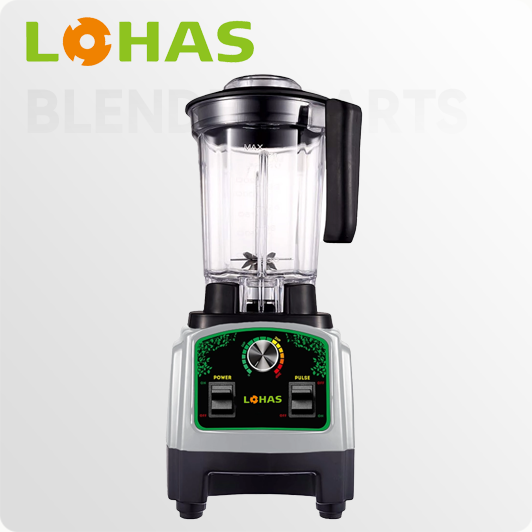
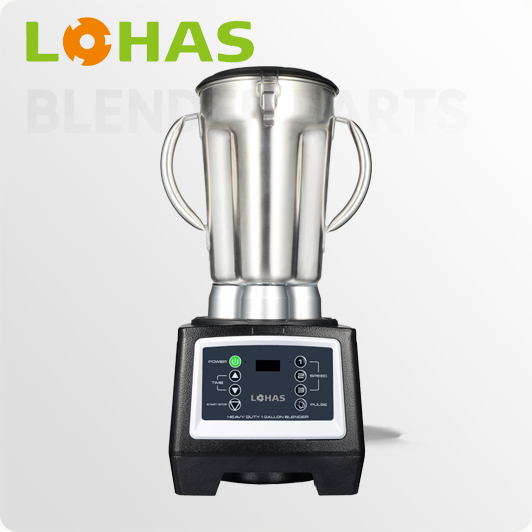
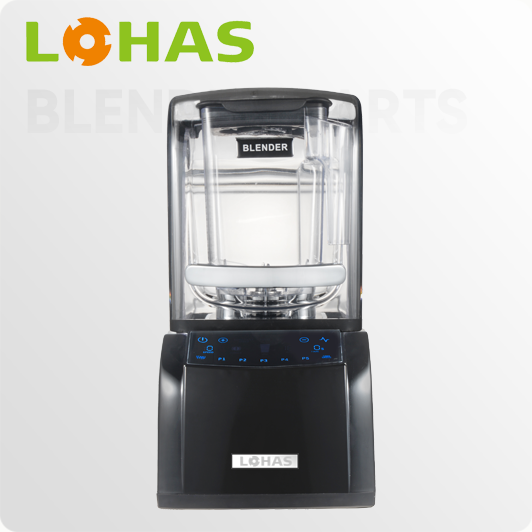

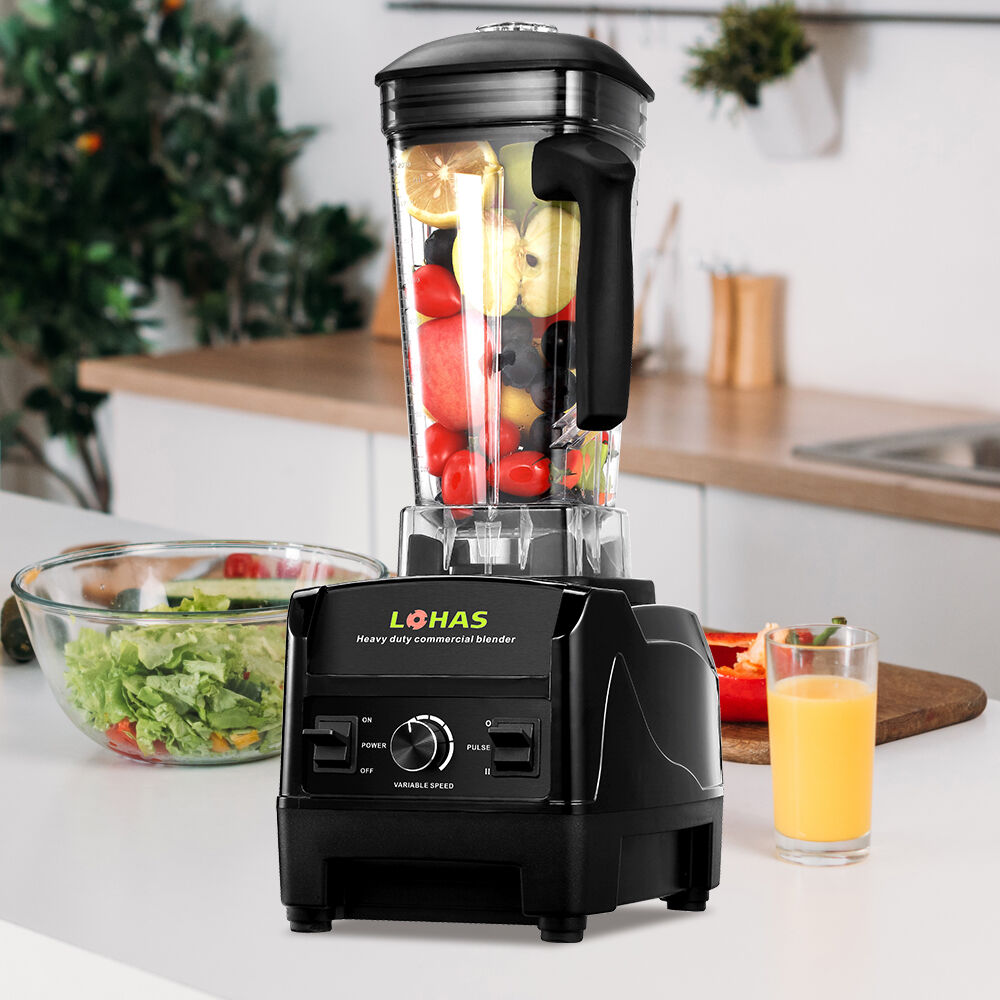
A kereskedelmi konyhák és élelmiszer-szolgáltató létesítmények olyan berendezéseket igényelnek, amelyek folyamatos üzemeltetésre képesek, miközben következetes eredményeket nyújtanak. Egy nagy teljesítményű turmixgép a turmixolási technológia csúcsát jelenti, és kifejezetten úgy lett kialakítva, hogy kezelni tudja a legkönnyebben megmunkálható összetevőket és a legnagyobb terhelést is, amely túlhatalmazná a szokásos fogyasztói modelleket. Ezek a professzionális minőségű készülékek fejlett motor-technológiát, megerősített szerkezeti anyagokat és precíziós gyártású alkatrészeket tartalmaznak, amelyek egyértelműen elkülönítik őket a háztartási készülékekkel szemben. A különbségek ezen ipari gépek és a hagyományos turmixgépek között messze túlmutatnak az egyszerű teljesítményadatokon, és a tartósságot, sokoldalúságot valamint az üzemeltetési hatékonyságot is magukban foglalják – ezek közvetlenül befolyásolják a termelékenységet és a jövedelmezőséget kereskedelmi környezetben.
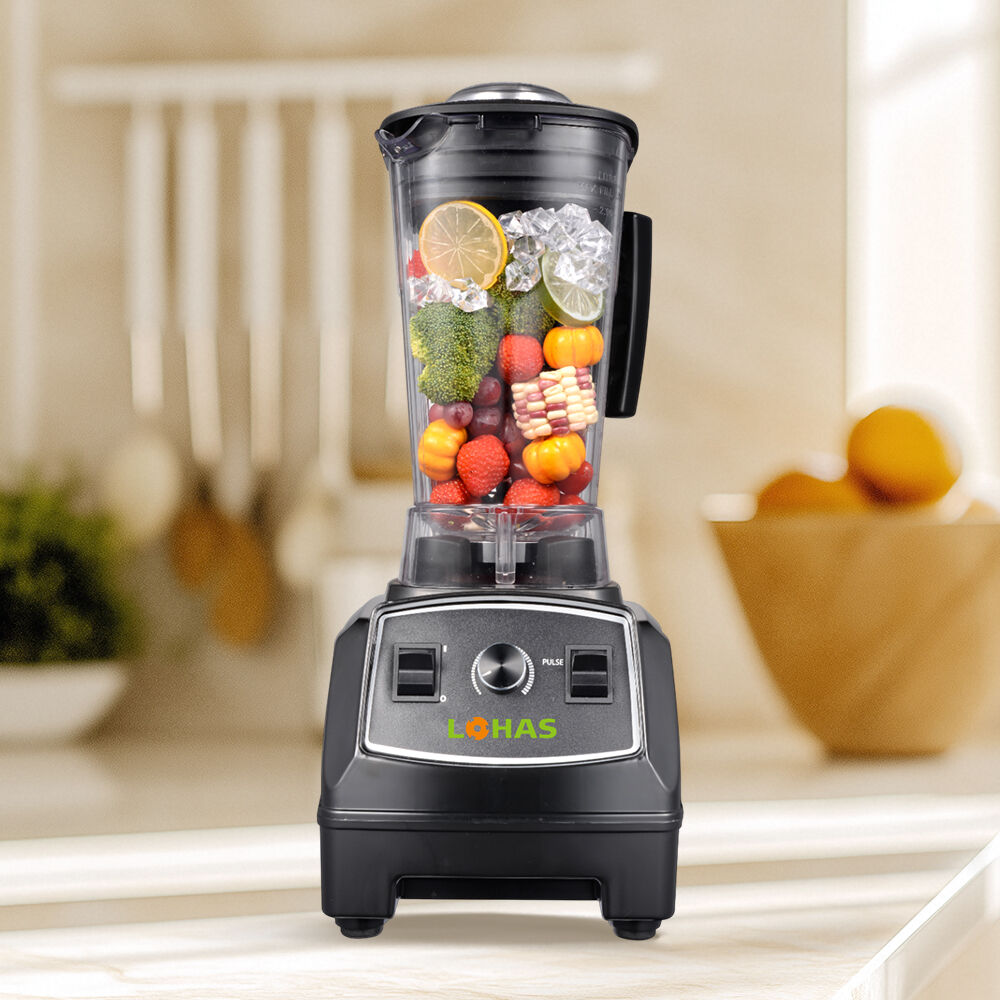
A nagy teljesítményű és a szokásos turmixgépek közötti különbség megértéséhez meg kell vizsgálni azokat a mérnöki elveket, amelyek meghatározzák a tervezésüket és működésüket. A professzionális élelmiszer-szolgáltató üzemek nem engedhetik meg maguknak a berendezések meghibásodását a csúcsforgalmi időszakokban, ezért a megbízhatóság és a folyamatosan magas színvonalú teljesítmény elsődleges szempontok a turmixolóberendezések kiválasztásakor.
Motor teljesítménye és teljesítménymérnöki megoldások
Fejlett motortechnológia
A nagy teljesítményű turmixgépek motorrendszere összetett mérnöki megoldásokat tartalmaz, amelyek lényegesen nagyobb teljesítményt nyújtanak, mint a szokásos modellek. Ezek a professzionális készülékek általában 1500–3000 wattos motorral rendelkeznek, míg a fogyasztói turmixgépek motorjai 300–800 wattosak. A növelt teljesítmény lehetővé teszi, hogy ezek a gépek sűrű összetevőket dolgozzanak fel, hatékonyan zúzzák apróra a jégkockákat, és akár nagy terhelés mellett is fenntartsák a pengék állandó forgási sebességét. A fejlett hűtőrendszerek megakadályozzák a motor túlmelegedését hosszabb ideig tartó üzemelés során, így megbízható teljesítményt biztosítanak a magas igénybevételnek kitett műszakok alatt.
A professzionális motorok tervezése szintén tartalmaz változó sebességű vezérlőket, amelyek pontos irányítást biztosítanak a keverési műveletekhez. Ez a funkció lehetővé teszi a munkavállalók számára, hogy elérjék a különböző receptekhez szükséges specifikus textúrákat és konzisztenciákat – sima pürékétől a durva aprítási alkalmazásokig. A motorházak kiváló minőségű szigetelőanyagokat használnak, amelyek csökkentik a zajszintet, miközben védelmet nyújtanak a belső alkatrészeknek a kereskedelmi konyhai környezetben gyakori nedvesség és szennyeződés ellen.
Nyomaték- és sebességképesség
A kereskedelmi keverési alkalmazások olyan motorokat igényelnek, amelyek képesek jelentős nyomatékot fejleszteni a sűrű keverékek és fagyasztott összetevők ellenállásának leküzdésére. Egy nehézüzemű keverő nyomatékértéke gyakran meghaladja a 10 Newton-métert, így lehetővé teszi a kihívást jelentő összetevők – például fagyasztott gyümölcsök, diófélék és sűrű zöldségek – erőfeszítés nélküli feldolgozását. Ez a magas nyomaték-képesség biztosítja az egyenletes eredményeket az összetevők sűrűségétől vagy mennyiségétől függetlenül, és fenntartja a homogén pengéforgási sebességet, amely profiszintű textúrákat eredményez.
A sebességtartomány szakmai egységekben általában a pontos alacsony sebességű keveréstől kezdődik, és a 30 000 fordulat/percet meghaladó nagysebességű feldolgozásig terjed. Ez a széles sebességtartomány különféle szakácsképzési alkalmazásokat tesz lehetővé: a finom összetevők óvatos összekeverésétől kezdve az intenzív aprításon és porrá zúzásos műveleteken át. Az a képesség, hogy a készülék változó terhelés mellett is konzisztens sebességet tud fenntartani, megkülönbözteti a szakmai berendezéseket a fogyasztói modellektől, amelyek gyakran nem bírják el a nehéz összetevők feldolgozását.
Építőanyagok és tartóssági szabványok
Rozsdamentes acél alkatrészek
A szakmai, nagy teljesítményű turmixgépek építése olyan anyagokra helyezi a hangsúlyt, amelyek ellenállnak a folyamatos használatnak és a kereskedelmi környezetekben szükséges gyakori tisztítási ciklusoknak. A rozsdamentes acél alkatrészek ellenállnak a korróziónak, megfelelnek a higiéniás előírásoknak, és olyan szerkezeti integritást biztosítanak, amelyet a műanyag alternatívák nem tudnak felérni. A motorház, a pengék összeállításai és az illesztő mechanizmusok minőségi rozsdamentes acél ötvözetekből készülnek, amelyek tulajdonságaikat akár több ezer üzemóra után is megtartják.
Élelmiszer-minőségű rozsdamentes acélból készült kivitel továbbá megfelel az egészségügyi hatóságok előírásainak és a kereskedelmi élelmiszer-szolgáltatási műveletek számára elengedhetetlen higiéniai protokolloknak. Ezek az anyagok ellenállnak a baktériumok növekedésének, ellenállnak az agresszív tisztítószereknek, és megőrzik megjelenésüket a naponta intenzív használat ellenére is. A felsőbb minőségű anyagokba történő beruházás közvetlenül hozzájárul a berendezés élettartamának meghosszabbításához és a karbantartási költségek csökkentéséhez hosszú távon.
Erősített háztervezés
A kereskedelmi keverők szerkezeti terve erősített házakat tartalmaz, amelyek elnyelik a rezgéseket, és megvédelmezik a belső alkatrészeket az üzemelés során fellépő károsodástól. A vastag falú építőanyagok és a stratégiai erősítési pontok megakadályozzák a feszültségrepedések kialakulását, amelyek gyakran jelentkeznek a könnyű fogyasztói modellekben. A professzionális készülékek robusztus rögzítőrendszert alkalmaznak, amely biztosan rögzíti a motorblokkot, csökkenti az üzemelési zajt, és stabilitást biztosít a nagy sebességű működés során.
A ház kialakításába integrált hőkezelő rendszerek segítik a hőelvezetést, és megakadályozzák az alkatrészek túlmelegedésből eredő minőségromlását. A szellőzőcsatornák és hűtőbordák optimalizálják a kritikus alkatrészek körül áramló levegőt, lehetővé téve a folyamatos üzemeltetést teljesítménycsökkenés nélkül. Ez a hőtechnikai szempontból kiválóan kidolgozott megoldás biztosítja a stabil teljesítményt akár hosszabb ideig tartó keverési műveletek során is, amelyek gyakoriak a forgalmas kereskedelmi konyhákban.
Penge technológia és vágási teljesítmény
Professzionális pengekialakítás
A professzionális turmixgépek pengerendszerei fejlett fémetügyi eljárásokat és precíziós mérnöki megoldásokat alkalmaznak a kiváló vágási teljesítmény érdekében. Ezek a pengék keményített acélból készülnek, speciális élvázlatokkal, amelyek hosszabb ideig megőrzik élességüket a szokásos pengeterveknél. Többféle pengeszerelés áll rendelkezésre különböző feldolgozási igények kielégítésére – finom őrléstől durva aprításig – így sokoldalúságot nyújtva, amely indokolja a professzionális berendezésekbe történő befektetést.
A pengeszerelések nagy teljesítményű turmixgép az egységek leválasztható kialakításúak, amelyek megkönnyítik a kereskedelmi környezetekben szükséges alapos tisztítást és karbantartási eljárásokat. A pontosan kiegyensúlyozott pengerendszerek csökkentik a rezgést, és zavartalan működést biztosítanak, miközben az optimalizált pengeszögek és távolságbeállítások segítségével maximalizálják a vágási hatékonyságot.
Legújabb technológia
A fejlett pengyártási technikák olyan vágóéleket hoznak létre, amelyek ezrek számára tervezett működési ciklus során is megtartják hatékonyságukat. A speciális hőkezelési eljárások és a precíziós köszörülés olyan pengeprofilokat eredményeznek, amelyeket konkrét összetevőtípusokhoz és feldolgozási igényekhez optimalizáltak. Az így elérhető vágási teljesítmény lehetővé teszi a textúra egyenletes elérését különféle összetevő-előkészítések esetében – a sima pürékétől kezdve a szabályozott részecskeméret-csökkentési alkalmazásokig.
A professzionális pengerendszerek olyan biztonsági funkciókat is tartalmaznak, amelyek megakadályozzák a véletlen érintkezést a működés és karbantartás során. A pengévédők és zárómechanizmusok az üzemeltető biztonságát garantálják, miközben továbbra is egyszerű hozzáférést biztosítanak a tisztításhoz és ellenőrzéshez szükséges munkafolyamatokhoz. Ezek a biztonsági megfontolások megfelelnek a munkahelyi biztonsági előírásoknak, miközben megőrzik a kereskedelmi alkalmazásokhoz elengedhetetlen vágási teljesítményt.
Edény kialakítása és űrtartalom figyelembevétele
Kereskedelmi mennyiségi igények
A kereskedelmi keverési műveletek olyan edénykapacitást igényelnek, amely alkalmas a vendéglátási szolgáltatásokhoz szükséges tételméretek kezelésére. A nagy teljesítményű keverőedények általában 1,5–4 literesek, így elegendő mennyiség előállítására képesek éttermi szolgáltatáshoz vagy kateringműveletekhez. Az edény tervezése olyan funkciókat tartalmaz, amelyek optimalizálják a keverés hatékonyságát, miközben egyszerű öntést és tisztítást tesznek lehetővé – ezek a tulajdonságok alapvető fontosságúak a kereskedelmi munkafolyamatok hatékonysága szempontjából.
A professzionális edények olyan anyagokból készülnek, amelyek ellenállnak az ütés okozta károknak, a hőmérsékleti szélsőségeknek és a tisztítószerekkel való kémiai érintkezésnek. Az edény falainak vastagsága úgy van meghatározva, hogy elnyelje a működés közben fellépő rezgéseket, miközben megőrzi az átlátszóságot, így a feldolgozás során jól láthatók a hozzávalók. A beosztott mérőjelölések segítenek a részletek pontos adagolásában és a receptek egységes betartásában, amelyek gyakori követelmények a professzionális konyhákban.
Ergonómiai és biztonsági jellemzők
A professzionális készülékek edényterve az ergonómiai jellemzőkre helyezi a hangsúlyt, hogy csökkentse az üzemeltetők fáradtságát a gyakori használat során. A fogantyúk kialakítása és a súlyeloszlás optimalizálja a felemelési és öntési műveleteket, miközben biztos fogást biztosít akkor is, ha az edények nedvesek vagy forró hozzávalókat tartalmaznak. A biztonsági funkciók közé tartoznak a zármechanizmusok, amelyek megakadályozzák a készülék működését, ha az edény nincs megfelelően behelyezve, ezzel védelmet nyújtva az üzemeltetőknek a lehetséges veszélyek ellen.
Hangszigetelő rendszerek érhetők el számos nehézüzemű keverőmodellhez, amelyek megoldást nyújtanak a zajproblémákra olyan nyitott konyhai környezetekben, ahol az ügyfélterületek közvetlenül szomszédosak az élelmiszer-előkészítési zónákkal. Ezek a rendszerek jelentősen csökkentik a működési zajszintet, miközben fenntartják a szellőzést és a hozzáférést az alapanyagok hozzáadásához és a feldolgozási ciklusok során történő ellenőrzéshez.
Üzemeltetési hatékonyság és termelékenységi előnyök
Sebesség- és konzisztenciaelőnyök
Professionális keverőberendezések olyan feldolgozási sebességet biztosítanak, amely drasztikusan csökkenti az előkészítési időt a szokásos modellekhez képest. Egy nehézüzemű keverő másodpercek alatt végez feladatokkal, amelyeket fogyasztói berendezések percekig tartanak elvégezni – ez közvetlenül növeli a konyha termelékenységét és csökkenti a munkaerő-költségeket. Az eredmények konzisztenciája kizárja a minőségi szabványoknak nem megfelelő tétel újrafeldolgozásának szükségességét, tovább növelve ezzel a működési hatékonyságot.
Az előre beállítható programozási funkciók fejlett modellekben lehetővé teszik a kezelők számára, hogy konzisztens eredményeket érjenek el a személyes készségszinttől vagy tapasztalattól függetlenül. Ezek a programozható ciklusok biztosítják az eljárási receptek szabványosítását különböző műszakok és kezelők között, így fenntartva azt a minőségi egyenletességet, amelyet az ügyfelek a professzionális intézményektől várnak. A pontos feldolgozási paraméterek reprodukálásának képessége csökkenti a képzési igényeket, és minimalizálja a késztermékekben fellépő ingadozásokat. termékek .
Karbantartás és megbízhatóság
A professzionális berendezések tervezése elsődlegesen a karbantartási munkák egyszerűsítését és az alkatrészek könnyű elérhetőségét célozza, hogy a karbantartási időszakok alatti leállásokat a lehető legkisebbre csökkentsék. A nagy teljesítményű turmixgépek alkatrészei standard rögzítőelemeket és moduláris szerkezetet alkalmaznak, amelyek megkönnyítik a helyszíni javításokat és a rutin karbantartási feladatokat. Ez a tervezési filozófia csökkenti a szervizköltségeket, és biztosítja a berendezések rendelkezésre állását a kritikus szervizidőszakokban, amikor a cserelehetőségek korlátozottak lehetnek.
A megbízhatósági mérnöki tevékenység szakmai egységekben redundáns alkatrészeket és biztonsági mechanizmusokat tartalmaz, amelyek megakadályozzák a működés közben bekövetkező katasztrofális hibákat. A hővédelmi rendszerek automatikusan leállítják a berendezéseket, ha a működési paraméterek túllépik a biztonságos határértékeket, ezzel védelmet nyújtanak a motoralkatrészeknek a károsodással szemben, és figyelmeztetik az üzemeltetőket a lehetséges problémákra. Ezek a védőrendszerek meghosszabbítják a berendezések élettartamát, miközben fenntartják a kereskedelmi környezetekben előírt üzemeltetési biztonsági szabványokat.
Költségelemzés és megtérülési ráta
Kezdeti beruházási szempontok
A nagy teljesítményű turmixgépek modelljei és a fogyasztói alternatívák közötti árkülönbség tükrözi a kereskedelmi szintű teljesítmény eléréséhez szükséges jelentős mérnöki és anyagbefektetéseket. A professzionális készülékek általában három-öt szeresek a háztartási modellek áránál, de ez a befektetés megfelelő mértékű növekedést eredményez a képességekben, a tartósságban és az üzemeltetési hatékonyságban. A kezdeti költséget a várható használati szintekkel, az elvárt élettartammal és a fokozott teljesítmény révén elérhető termelékenységnövekedéssel kell összevetni.
A finanszírozási lehetőségek és a felszerelések bérleti programjai lehetővé teszik, hogy kisebb működések is hozzáférjenek professzionális keverőberendezésekhez, amelyek nélkül kénytelenek lennének elégtelen fogyasztói modellekre támaszkodni. Ezek a programok a beruházási költséget időben terhelik, miközben azonnali hozzáférést biztosítanak a professzionális képességekhez, amelyek javíthatják az étlapajánlatot és a működési hatékonyságot. A berendezések frissítésének lehetősége jelentős tőkebefektetés nélkül lehetővé teszi a vállalkozások számára, hogy erősítsék versenyképességüket a magas igényeket támasztó piacokon.
Hosszú távú értéktervezet
A professzionális berendezések kiváló értéket nyújtanak hosszabb üzemeltetési élettartamuk révén, amely gyakran meghaladja az intenzív kereskedelmi használatra szánt öt évet. Egy nagy teljesítményű turmixgép a teljes élettartama során egyenletes teljesítményt nyújt, ellentétben a fogyasztói modellekkel, amelyeknél fokozatosan csökken a teljesítmény, és ez cseréjüket teszi szükségessé. A professzionális berendezések megbízhatósága csökkenti a cserék költségét, miközben fenntartja az ételminőségre vonatkozó egyenletes szabványokat, amelyek elengedhetetlenek az ügyfélértékelés szempontjából.
A modern professzionális berendezések energiahatékonyságának javulása csökkenti az üzemeltetési költségeket, miközben kiváló teljesítményt biztosít. A fejlett motortervek optimalizálják az energiafelhasználást az üzemelés során, és így alacsonyabb áramköltséget eredményeznek a kevésbé hatékony alternatívákhoz képest. Ezek a hatékonyságnövelő intézkedések hozzájárulnak az környezeti fenntarthatósági célok eléréséhez, miközben csökkentik az üzemeltetési kiadásokat, amelyek a berendezések élettartama alatt jelentősen összegyűlnek.
GYIK
Mennyi ideig tartanak általában a nagy teljesítményű turmixgépek kereskedelmi környezetben
A professzionális nagy teljesítményű turmixgépek kifejezetten a hosszú távú kereskedelmi használatra vannak tervezve, és megfelelő karbantartás mellett általában 5–7 évig tartanak a követelményes ételkészítő környezetekben. A robosztus szerkezeti anyagok és kereskedelmi célú alkatrészek lehetővé teszik, hogy ezek az egységek több ezer üzemciklust is elviseljenek, miközben folyamatosan konzisztens teljesítményt nyújtanak. A rendszeres karbantartás és a megfelelő kezelés meghosszabbíthatja a berendezések élettartamát a gyártó által megadott specifikációkon túl is, így kiváló hosszú távú befektetést jelentenek kereskedelmi konyhák számára.
Képesek-e a nagy teljesítményű turmixgépek biztonságosan kezelni forró összetevőket
Igen, a professzionális, nagy teljesítményű keverők kifejezetten úgy lettek tervezve, hogy biztonságosan feldolgozzák a forró összetevőket, a tartályok és alkatrészek hőállósága elérheti a 82 °C-ot vagy annál magasabb hőmérsékletet. A hőálló anyagokból készült alkatrészek és a szellőztető rendszerek megakadályozzák a nyomásnövekedést, és egyben védelmet nyújtanak a kezelőknek a hőhatás ellen. Ugyanakkor a kezelőknek mindig be kell tartaniuk a gyártó által megadott maximális hőmérsékleti határokat és a forró összetevők feldolgozásánál alkalmazandó megfelelő eljárásokat, hogy biztosítsák a munkavégzés biztonságát és a berendezés hosszú távú üzemképességét.
Milyen karbantartás szükséges a kereskedelmi célú keverőberendezésekhez
A nagy teljesítményű turmixgépek karbantartása napi tisztítást igényel a tartályokból és a pengeszerkezetekből, heti ellenőrzést a tömítéseknél és csatlakozásoknál, valamint havi kenést a motoralkatrészeknél a gyártó által megadott előírások szerint. A professzionális kivitelű berendezések könnyen hozzáférhető tervezésűek, így a rutinkarbantartási feladatokat speciális eszközök nélkül is elvégezhetők. A megelőző karbantartási ütemtervek segítenek az esetleges problémák időben történő azonosításában, mielőtt azok működési zavarokat okoznának, és így biztosítják a megbízható teljesítményt a kritikus szolgáltatási időszakok alatt.
A nagy teljesítményű turmixgépek jelentősen hangosabbak, mint a szokásos modellek?
Bár a nagy teljesítményű turmixgépek erősebb motorjaik miatt több zajt is termelnek, számos professzionális modell hangcsendítő technológiákat alkalmaz, amelyek minimálisra csökkentik a működési zajszintet. A hangszigetelő kiegészítők tovább csökkenthetik a zajkibocsátást olyan mértékre, amely elfogadható nyitott konyhákban. A professzionális berendezésekkel általában rövidebb feldolgozási időre van szükség, ami gyakran kevesebb összesített zajexpozíciót eredményez, mint a kevésbé hatékony alternatívákhoz szükséges hosszabb működési időszakok.
Tartalomjegyzék
- Motor teljesítménye és teljesítménymérnöki megoldások
- Építőanyagok és tartóssági szabványok
- Penge technológia és vágási teljesítmény
- Edény kialakítása és űrtartalom figyelembevétele
- Üzemeltetési hatékonyság és termelékenységi előnyök
- Költségelemzés és megtérülési ráta
-
GYIK
- Mennyi ideig tartanak általában a nagy teljesítményű turmixgépek kereskedelmi környezetben
- Képesek-e a nagy teljesítményű turmixgépek biztonságosan kezelni forró összetevőket
- Milyen karbantartás szükséges a kereskedelmi célú keverőberendezésekhez
- A nagy teljesítményű turmixgépek jelentősen hangosabbak, mint a szokásos modellek?