 EN
EN



בסביבה הקולינרית המהירה של ימינו, הגשת איכות עקיבה ויעילות בהכנה של מזון הפכה לפרמטר חשוב ביותר למטבחים מסחריים, מסעדות ומוסדות שמתעניינים בריאות. שילוב של ציוד בעל ביצועים גבוהים בתפעול היומיומי יכול לשנות דרמטית את kếtש, הטעם והערך התזונתי של משקאות ומזונות מוצרים . אנשי מקצוע בתחום שירותי המזון המודרניים מזהים באופן גובר כי השקעה בטכנולוגיית ערבוב מתקדמת מביאה להחזרי השקעה מדידים באמצעות שיפור איכות המוצר, צמצום זמן ההכנה והגברת שביעות הרצון של הלקוחות. בין אם אתם מפעילים בר שיקומים, מטבח מסעדה או מתקן אירוח, ציוד הערבוב הנכון מהווה את הבסיס ליצירת חוויות קולינריות יוצאות דופן.
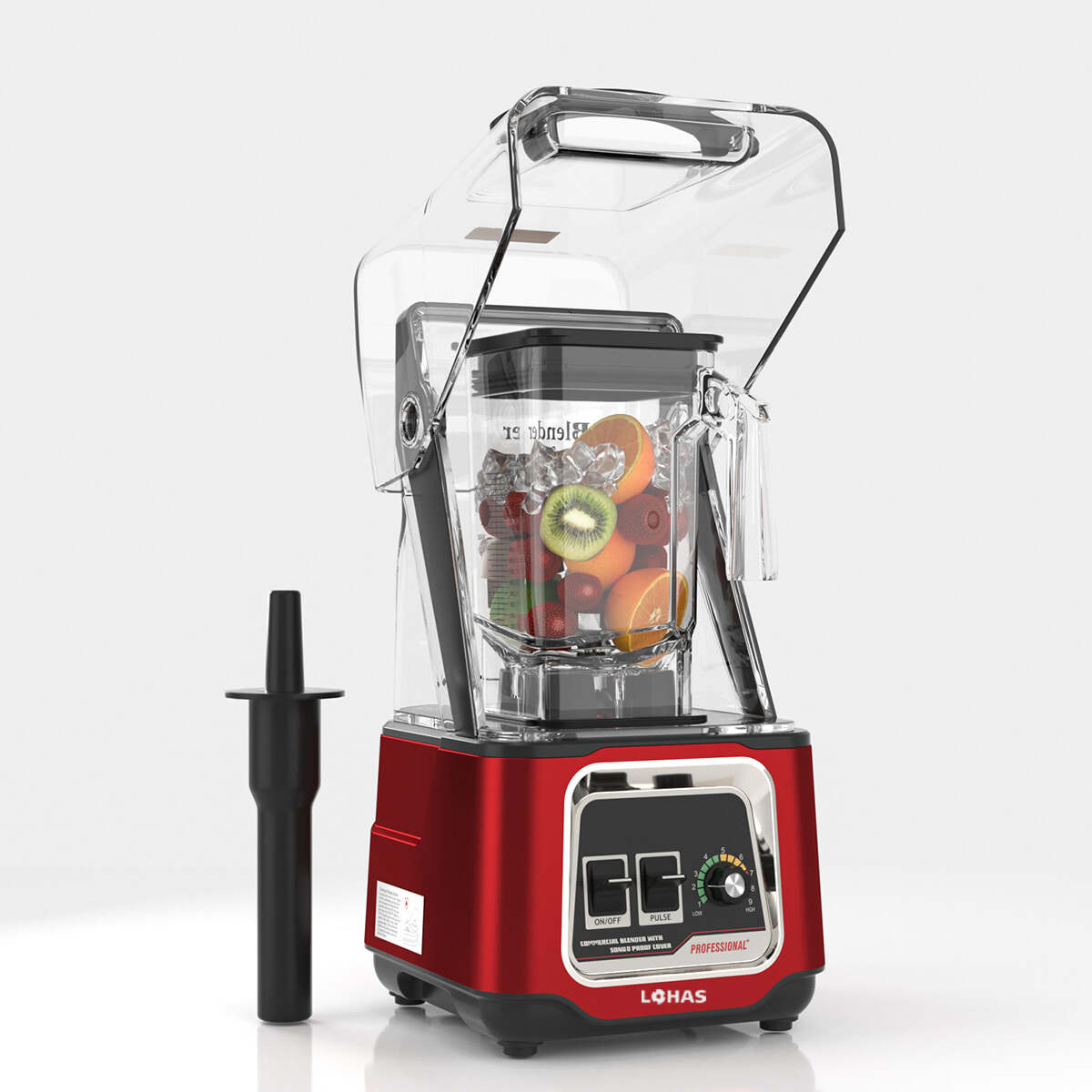
הבנת טכנולוגיית ערבוב מקצועית
כוח מנוע ויכולות ביצוע
לב של כל מערכת ערבוב ביצועים גבוהים נמצא בתצורת המנוע ומנגנוני אספקת הכוח. יחידות דרגת מסחרית מתקדמות מצטיינות במנועים שמתהווים בין 2 ל-5 כוח סוס, ומספקות את המומנט הנדרש לעיבוד חומרי גלם צפופים, פירות קפואים וירקות סיביים ללא מאמץ. תפוקת הכוח המשמעותית הזו מאפשרת תוצאות ערבוב עקביות ללא תלות בצפיפות או נפח החומרים, ומבטיחה כי כל מחזור עומד בסטנדרטים איכותיים. תצורות מנוע מתקדמות כוללות מערכות הגנה תרמית שמונעות חימום יתר במהלך תקופות שימוש ממושכות, מה שהופך אותן 이상יות לפעולות בתפוקה גבוהה.
בקרים של מהירות משתנה מאפשרים למשתמשים להתאים את עוצמת ההטחינה בהתאם לדרישות המתכון הספציפיות ולתוצאה המבוקשת מבחינת טקסטורה. יחידות מקצועיות כוללות לעיתים קרובות תוכניות מוכנות מראש, המותאמות ליישומים נפוצים כמו הכנת שיקויים, אמולסיה של רוטבים ויצירת פירורים. הגדרות תכנותיות אלו מסירים סיכון של טעויות ומבטיחים תוצאות אחידות בין משמרות שונות ומבין משתמשים שונים. צמד של כוח מנוע עוצמתי ובקרת מהירות מדויקת יוצרים בסיס להשגת תוצאות באיכות מקצועית בכל סביבת שירות מזון.
עיצוב להט ותכנון המכל
צורת הלהט קובעת את יעילות הערבוב ואת איכות המוצר הסופי. מערבלים מקצועיים משתמשים בהרכבות להט בעלות זווית חיתוך מרובות ומבוססות במיקום אסטרטגי כדי ליצור דפוסי תנועה אופטימליים. להטטטטטט
עיצוב המיכל תומך בביצועי התערבת באמצעות מימדים וחישובי גאומטריה פנימית מדוייקים. מיכלי ערבוב מקצועיים מצוידים בתחתית צרה ובדפנות צידיות מחופות שמנחיתים את המרכיבים לכיוון מערך התערבת, תוך מניעת היווצרות חלל ריק או קבוצות של אויר. מיכלים באיכות גבוהה מיוצרים מחומרים חסרי BPA שמ مقاימים לקליפות, ספיגת ריחות ושינויים דרסטיים של טמפרטורה. שילוב של עיצוב תערובת אופטימלי ומיכלים מהנדסים מבטיח יעילות ערבוב מרבית, תוך מזעור זמן עיבוד וצריכת אנרגיה.
שדרוג איכות השקייה והעקביות
טכניקות אופטימיזציה של מרקם
יצירת שקייה יוצאות דופן דורשת שליטה מדויקת על פיתוח kếtextura ואינטגרציה של מרכיבים. א בלנדר מקצועי Sobhi מצליחה לשבור את המבנים התאיים של פירות וירקות, משחררת את ריכוז החומרים המזינים המקסימלי תוך יצירה של текстורה חלקלקה במיוחד שמשפרת את הטעם. פעולת להטיה במהירות גבוהה מאבדת את רשתות הסיבים, מסירה כל תחושה של גstructuring ומייצרת עקביות אחידה לאורך כל המשקה. עיבוד זה מבטיח שהחומרים המזינים ישארו זמינים לגוף, ונותן את התחושה הלחה ברורה שצרכנים מצפים לה ממוצרי ס무די איכותיים.
בקרת טמפרטורה במהלך ערבוב מונעת חמצון ושומרת על הצבעים הבהירים והטעמים החמימים שמבדילים את השיקויים באיכות גבוהה. מערכות ערבוב מקצועיות יכולות לעבד מרכיבים במהירות מספקת כדי למזער ייצור חום, תוך שימור ערבוב מלא. יכולת העיבוד המהיר הזו מאפשרת למשغلים לשמור על טמפרטורות נמוכות לאורך כל התהליך, לשמר את תוכן הויטמינים ולמנוע התכהבות שעלולה להתרחש всריקה של זמן ערבוב ממושך. התוצאה היא שיקויים בעלי מראה מושך עם תכולת תזונה משופרת ותקופת חיי מדף ארוכה יותר.
אסטרטגיות שילוב רכיבים
הכנה מוצלחת של שיקי פירות דורשת שיכבה אסטרטגית ותזמון נכון בהוספת המרכיבים כדי למקסם את פיתוח הטעם והפקת התזונה. ציוד ערבוב מקצועי מספק את הכוח הנדרש לעיבוד יעיל של מרכיבים קשים כגון ירקות עלים, זרעים ופירות קפואים, מבלי להקל על איכות kếtשורה. היכולת לרסק סיבים צמחיים קשיחים משחררת תזונה שעלולה אחרת להישאר נעולה בתוך מבנים תאיים, ובכך מגדילה את זמינות הויטמינים, המינרלים והאנטיאוקסידנטים בגוף.
סדר הוספת המרכיבים משפיע על יעילות ערבוב ועל איכות המוצר הסופי. התחלת העבודה עם בסיס נוזלי מאפשרת להתקין את תנועת התערבת לפני הוספת מרכיבים מוצקים. מרכיבים קפואים צריכים להضاف בהדרגה, כדי למנוע עומס על המנוע ולוודא שילוב מלא. מחazers מקצועיים מתמודדים בצורה חלקה עם צפיפויות שונות של מרכיבים, ויוצרים תערובות הומוגניות שמצייבות יציבות במהלך אחסון ושירות. גמישות זו מאפשרת לאנשי מקצוע ליצור פרופילי טעמים מורכבים, תוך הבטחת תוצאות עקביים בין גרסאות מתכון שונות.
שליטה ביצירת רוטב ואמולסיה
מדע האמולסיה והיציבות
הכנה מקצועית של רוטבים דורשת שליטה מדויקת בתהליכי אמולסיה כדי להשיג טקסטורה יציבה וקרמה שמשפרת את העברת הטעם והמראה החזותי. ציוד ערבוב בעל ביצועים גבוהים מייצר כוחות גזירה הדרושים ליצירת אמולסיות יציבות בין מרכיבים מבוססי שמן ובazקו, מה שיוצר רוטבים חלקים והומוגניים שממקרים התפצלות במהלך אחסון ושירות. התנועה המהירה של להט פורקת טיפות שמן לחלקיקים מיקרוסקופיים, מה שמאפשר לממסים ליצור קשרים מתמידים שמישמרים תחת מגוון תנאי טמפרטורה ו-pH.
ניהול טמפרטורה במהלך האמולסיה מונע שבירת התערובת ומבטיח קשירה אופטימלית בין המרכיבים. מחטנים מקצועיים מעבדים רוטבים במהירות מספקת כדי למנוע הצטברות מוגזמת של חום, תוך שמירה על ערבוב מלא הנדרש לקבלת אמולסיות יציבות. יכולת זו מאפשרת ייצור של תבניות מבוססות מיונז, וינגרטים ורוטבים קרימים אשר שומרים על kếtסטורתם ומראהן לאורך כל תקופת ההגשה. היכולת לשלוט במהירות ובמשך זמן העיבוד נותנת למפעילים שליטה מדויקת בתכונות הסיום של kếtסטורה.
התפתחות ואינטגרציה של טעם
טכניקות ערבוב מתקדמות חושפות פרופילי טעם מורכבים על ידי שחרור יעיל של תרכובות ארומטיות ושמרי ריח מחטיפים, תבלינים ומרכיבים אחרים המשפרים את הטעם. פעולת ההעשרה של ציוד הערבוב המקצועי שוברת את דפנות התאים של חטיפים ותבלינים טריים, ומשחררת תרכובות נדיפות שתרמו לעומק ולמורכבות של הרוטבים הסופיים. תהליך החילוץ המוגבר הזה יוצר טעמים חיוניים יותר, תוך הפחתת כמות המרכיבים היקרים הנדרשים להשגת פרופילי הטעם הרצויים.
מהירויות עיבוד מבוקרות מאפשרות לאופרטורים לשלב בין חילוץ הטעם לבין פיתוח kếtextורה, ומייצרות רוטבים שמשפיעים מיד ואחריהם נותר טעם ממושך. האפשרות להפעיל בדפקים ולשנות את עוצמת הערבוב מספקת שליטה מדויקת על התפלגות גודל החלקיקים, ומאפשרת יצירת רוטבים כפריים עם חתיכות עשבים גלויות או תערובות חלקות במיוחד לצורך הצגות אסטטיות. גמישות זו מאפשרת לבעלי מקצוע בתחום הקולינריה להתאים מתכוני רוטב בסיסיים ליישומים שונים תוך שמירה על סטנדרטים עקביים של איכות.
שיפור שיטות הכנת ערבובים
פירוק תאי ותהליך חילוץ החומרים המזינים
יצירת פירורים ייחודיים דורשת פירוק מוחלט של המבנים התאיים תוך שמירה על שלמותם התזונתית והטעמים הטבעיים. ציוד ערבוב מקצועי מצליח לפזר תאים בצורה מיטבית באמצעות פעולה מכנית במהירות גבוהה שמעבדת ביעילות ירקות סיביים, אגוזי חלבון מבושלים ופירות רכים לטקסטורה חלקה ואחידה. עיבוד מקיף זה משחרר תזונה שנלכדת בתוך דפנות תאים שלמות, ובכך מגדיל את זמינותם הביולוגית של הויטמינים, המinerals והсоединים הצמחיים המועילים. התוצאה היא פירורים עשירים בחומרים מזינים שמספקים ערך תזונתי מוגבר בהשוואה לחלופות מעובדות באופן קונבנציונלי.
בקרת מהירות מדויקת מאפשרת למשתמשים להתאים את עוצמת העיבוד לפי מאפייני המרכיבים והמרקם הסופי הרצוי. מרכיבים רכים כמו בננות בשלות או תפוחי אדמה מתובלים דורשים עיבוד עדין כדי למנוע ערבול מוגזם, בעוד שירקות סיביים נהנים מערבול אגרסיבי יותר כדי להשיג עקיבות חלקה. מח_MIXרים מקצועיים מספקים את הגמישות הנדרשת לאפשר אופטימיזציה של פרמטרי עיבוד עבור סוגי מרכיבים שונים, ומבטיחים תוצאות עקביות ב рецепטים שונים. התאימות הזו הופכת אותם לכלי עבודה חיוניים ביצירת אוכל לתינוקות, תוספי תזונה ומוצרים תזונתיים מיוחדים.
בקרת טקסטורה וניהול עקיבות
השגת עקצוב טחינה מושלם דורשת איזון בין עיבוד מקיף לשימור תכונות רצויות כמו מתיקות טבעית וצבעים בולטים. מערכות ערבוב מקצועיות מספקות שליטה מדויקת לאורך זמן העיבוד ועוצמתו, ומאפשרות לעובדים להפסיק את התערובת בדיוק בנקודה שבה מושגת האיכות הטובה ביותר. שליטה זו מונעת עיבוד יתר העלול להוביל לחמצון, דיטוריאציה של צבע או היווצרות טעמים זרים שמחלישים את איכות המוצר.
טכניקות ניהול המאמץ משתמשות ביכולות ערבוב מקצועיות כדי ליצור פורמים עם דרגות שונות של חלקות והתפלגות גודל חלקיקים. בכמה יישומים יש תועלת מ kếtסטורות על-חלקות העוברות דרך מסננים עדינים, בעוד שאחרים דורשים שוני קל בטקסטורה לצורך עניין חזותי ושיפור תחושת הפה. ציוד מקצועי מספק את הכוח והשליטה הנדרשים כדי להשיג באופן עקבי פרופילי טקסטורה מגוונים, ומאפשר לפעולות שירות המזון ליצור מוצרים ייחודיים שמבדילים אותם מתחריהם.
השגת יעילות תפעולית ותגבור הייצוריות
אסטרטגיות אופטימיזציה של זרימת עבודה
אינטגרציה של ציוד ערבוב מקצועי לתהליכי עבודה קיימים בתחום שירותי המזון דורשת תכנון אסטרטגי כדי למקסם את השיפורים ביעילות ולמזער הפרעות בתפעול. מיקום נכון של הציוד מבטיח זרימה חלקה של מרכיבים, תוך הפחתת תנועות וצעדים לא נחוצים שיכולים להאט את הייצור. מערכות ערבוב מקצועיות מצוידות בדרך כלל בכלי ערבוב עם שחרור מהיר ובשלטים נגישים שמאפשרים תפעול קל במהלך תקופות שירות עמוסות. אלמנטים אלה של העיצוב מקצרים את זמן ההכנה והניקיון, ומאפשרים לעובדים לשמור על איכות יצוא עקיבה גם תחת לחץ.
יכולות עיבוד באצווה של ציוד מקצועי מאפשרות למשתמשים להכין כמויות גדולות יותר של מרכיבים בסיסיים במהלך תקופות שיא נמוכות, ובכך משפרות את יעילות המטבח בכלל ומצמצמות את עלות העבודה. האפשרות לעבד מספר מנות בו-זמנית מקטינה את זמן ההכנה ליחידה, תוך הבטחת איכות אחידה בכל המנות. היקף זה הופך את ציוד הערבול המקצועי לבעל ערך מיוחד בפעולות נפח גבוה כמו בבתי חולים, בתי ספר ומסעדות גדולות, שבהן יעילות ישירה משפיעה על הרווחיות.
היקף השמירה והאריכות חיים
ציוד ערבוב מקצועי דורש פרוטוקולים שיטתיים של תחזוקה כדי להבטיח ביצועים מיטביים ולמגר את אורך חיי השרות. הליכי ניקיון וחיטוי קבועים מונעים הצטברות של שאריות מזון העלולות להכיל חיידקים ולהשפיע על איכות הטעם. ליחידות מקצועיות יש בדרך כלל רכיבים ניתנים להסרה ומשטחים חלקים המקלים על ניקיון מקיף תוך עמידה בהנחיות בטיחות המזון. הבנייה החזקה של ציוד מסחרי עמידה בניסור תכוף ובפרוטוקולי ניקיון קפדניים ללא פגיעה בביצועים או באיכות האמינות.
לוחות זמנים לשמירה מונעת עוזרים לזהות בעיות פוטנציאליות לפני שהן משפיעות על הפעילות, ובכך מפחיתים תקלות לא צפויות ועומס נמוך יותר על 비ויות. יצרני ציוד ערבוב מקצועי מספקים לרוב הנחיות שימור מפורטות וזמינות של חלקי חילוף כדי לתמוך בפעולת ארוכת טווח. העמידות והנגישות לשירות של יחידות מקצועיות הופכות אותן להשקעה כדאית מבחינה כלכלית, שמספקת שנים של שירות אמין כאשר מתבצעת עליה שימור כראוי. אורך החיים הזה, בצירוף יכולות ביצוע מרשימות, מבטיח תשואה מצוינת על ההשקעה עבור פעילויות אספקת מזון בכל גודל.
שאלות נפוצות
מה גורם למהמט מקצועיה להיות שונה מדגמי בית?
מערבלים מקצועיים מצטיינים במנועים חזקים בהרבה, שרובם נעים בין 2 ל-5 כוח סוס, בהשוואה ל-1 כוח סוס או פחות במודלים ביתיים. הם כוללים גם חומרי בנייה מחוזקים, עיצובי להבים מתקדמים ומערכות הגנה תרמית המאפשרות פעילות מתמשכת בתנאים מסחריים קיצוניים. מודלים מקצועיים מציעים שליטה מדויקת במהירות, תוכניות מוכנות מראש וכלי קיבול בנפח גדול יותר, שעוצבו כדי לעמוד בדרישות ייצור נפח גבוה תוך שמירה על תקנים עקביים באיכות.
איך בוחרים את המערבל המקצועי המתאים לעסק שלי?
קחו בחשבון את היישומים העיקריים שלכם, דרישות הנפח היומי והשטח הפנוי על הדלפק בעת בחירת ציוד ערבוב מקצועי. פעולות ס무די נהנות ממודלים עם תכניות מוכנות מראש וכיסויי בידוד קולי, בעוד שتحضير רוטבים דורש שליטה מדויקת במהירות ותצורות להט מיוחדות. הערכו את עוצמת המנוע בהתאם לצפיפות המרכיבים הסופיים ונפח העיבוד שלך. בנוסף, קחו בחשבון את דרישות התפעול, תנאי ה гарантиיה וזמינות השירות המקומי כדי להבטיח הצלחה תפעולית לטווח הארוך.
האם בלנדרים מקצועיים יכולים לעבד מרכיבים חמים בצורה בטוחה?
לרבים ממתקני ערבול מקצועיים מעוצבים לעבד מרכיבים חמים בצורה בטוחה, אך גבולות הטמפרטורה הספציפיים משתנים בהתאם למודל וליצרן. באופן כללי, המרכיבים צריכים להיות מתחת ל-180°F כדי למנוע נזק למיכל ולהבטיח את ביטחון המפעיל. בעת ערבוב נוזלים חמים, יש להתחיל במהירויות נמוכות כדי למנוע התפזרות, ואז להגביר בהדרגה את המהירות לפי הצורך. חלק מהדגמים כוללים מערכות צנרת מיוחדות ומיכלים עמידים לחום שעוצבו במיוחד לApplications של עיבוד מרכיבים חמים.
אילו הליכי ניקוי וחיטוי נדרשים למתקני ערבול מקצועיים?
מערבלים מקצועיים דורשים ניקיון וסניטציה מקיפים לאחר כל שימוש כדי לעמוד בתקני הבטחת התזונה. יש להפריד רכיבים ניתנים להסרה ולשטוף אותם במים חמים וסבון, או להריץ במכונות כביסה מסחריות אם הרכיבים מתאימים לכך. יש לסנן את כל המשטחים שנוגעים במזון באמצעות תמיסות סניטציה מאושרות ולהניח לייבש באוויר. יש לקבוע הליכי ניקיון יומיים מעמיקים הכוללים ניקיון בסיס המנוע ובדיקה של אספלת התלפיות, כדי למנוע הצטברות ולבטיח ביצועים מיטביים לאורך זמן השימוש.