 EN
EN


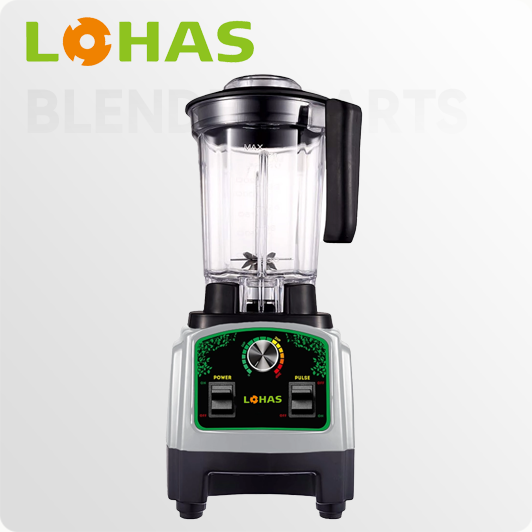
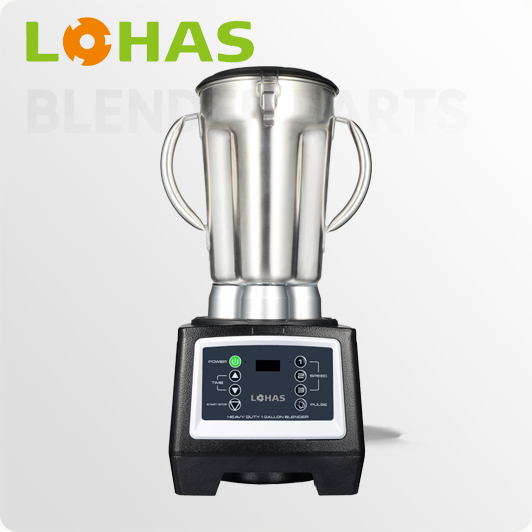
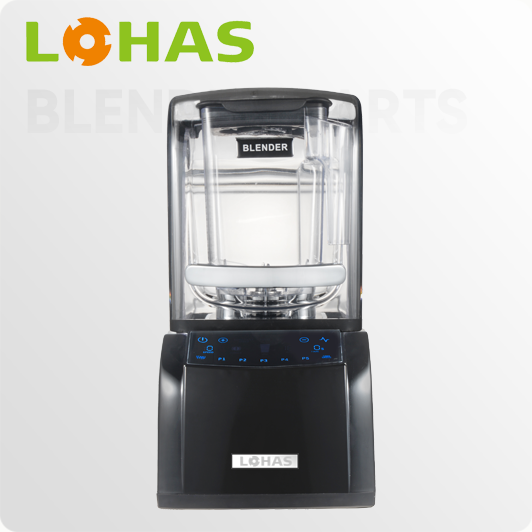

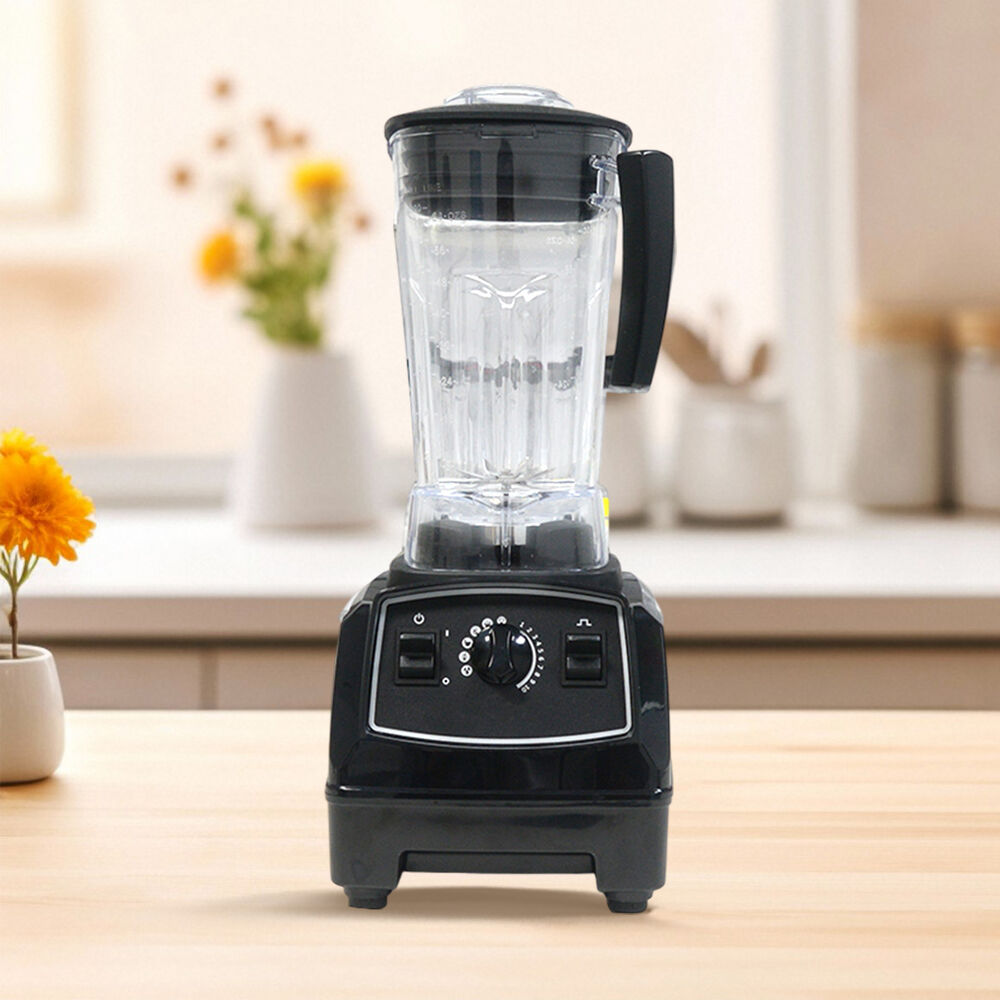
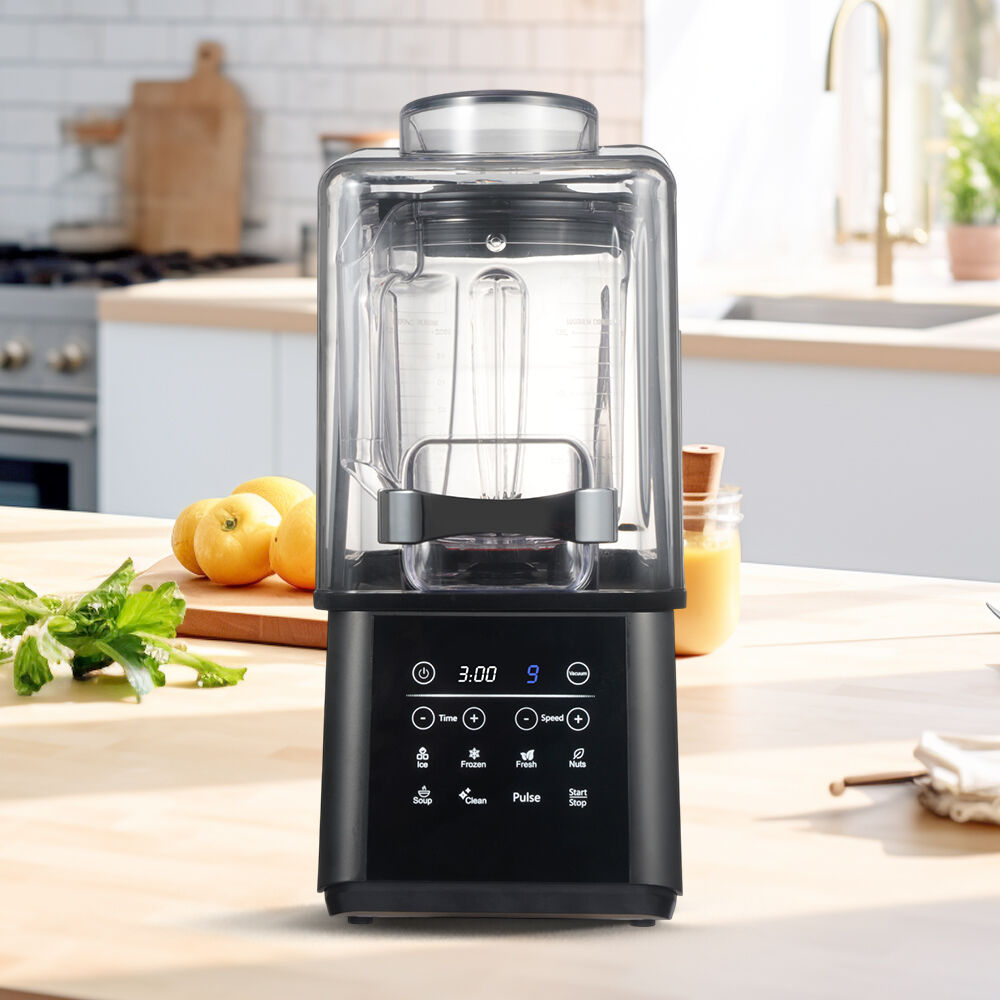
א בלנדר מסחרי המכונה מהווה את עמוד השדרה של פעולות השירות המזון המודרניות, ומשנה את הדרך שבה מסעדות, קפיטריות ומוסדות מזון מכינים משקאות ויצירות בישול. ציוד חזק זה התפתח בהרבה מעבר להכנה פשוטה של ס무ذي, והפך לציוד חיוני למשימות מגוונות של הכנת מזון שדורשות עקביות, מהירות ואמינות. הבנת היישומים הרחבים של טחנת מזון מסחרית עוזרת למקצוענים בתחום השירות המזון לקבל החלטות מושכלות בנוגע להשקעותיהם בציוד המטבח ולשפר את יעילות הפעילות שלהם.
יישומים עיקריים בהכנת משקאות
סמוודי ומשקאות בריאות
השימוש המוכר ביותר במכונת בלנדר מסחרית הוא בהכנה של ס무ذي, משקאות חלבון ומשקאות תזונתיים. מכונות אלו מצליחות מצוין לעבד פירות קפואים, קרח, אבקות חלבון ובסיסים נוזליים מגוונים כדי להשיג את הרצינות והעיבוד האחיד שצופים בהם הלקוחות. המנועים בעלי הספק גבוה והשבלולים הנחקרים במדויק מבטיחים ערבוב מלא ללא שאריות או טקסטורות לא אחידות שיכולות לפגוע בחווית השתייה.
מוסדות מקצועיים מסתמכים על מכונות בלנדר מסחריות כדי להתמודד עם ייצור משקאות בכמויות גדולות בשעות השיא. העמידות והמהירות של מכונות אלו מאפשרות למנהלים להכין מספר משקאות ברצף ללא חימום יתר או ירידה בביצועים. אמינות זו קריטית לברים ליוצי, חנויות סמוודי ומסעדות enfocused בריאות, שבהן המכירות של משקאות מהוות חלק משמעותי מההכנסות.
יישומים בבית קפה
קופיות וקופות קפה משתמשות במכונות בלנדר מסחריות ליצירת פרפés, משקאות קפה קירורים ומשקאות מיוחדים הדורשים ערבוב מושלם של קרח, סירופים ובסיסי קפה. הבקרה המדויקת שמציעות מכונות מקצועיות מבטיחה פרופילים טעימים וטקסטורות אחידים המקיימים את תקני המותג בכל המיקומים. רשתות רבות תלויות במכונות אלו ליצירת משקאות ייחודיים שמייחדים אותן מול המתחרים.
הגיוון שב מכונת מixer מסחרית השימוש בבלנדרים משתרע גם להכנה של ריכוזי קפה קרים, ערבוב סירופים טעימים ויצירת צמרמורת לפרסנטציות קפה מיוחדות. היכולת להשיג תוצאות ערבוב מדויקות עוזרת לבריסטות לשמור על תקני האיכות תוך שירות מהיר של לקוחות בתקופות עמוסות.
הכנה מזון ויישומים בישוליים
ייצור רוטבים וסלטים
מטבחים של מסעדות משתמשים על פי רוב במיקסריס מסחריים להכנת רוטבים, תיבולות ומרינדות שדורשים אמולסיה או עקביות חלקה. מכונות אלו מצליחות במיוחד בהכנה של מיונז, וינגרט, הולנדיז' ואחרים רוטבים מבוססי אמולסיה שדורשים ערבוב מדויק כדי להשיג את העקביות והיציבות הנדרשות. התוצאות הסדירות עוזרות לשמור על סטנדרטי האיכות בייצור партиות גדולות.
שפים מקצועיים מעריכים את היכולת של מיקסריס מסחריים לעבד מרכיבים חמים לרטבים וחמאות חמים ללא פגיעה בציוד. הבנייה החזקה והמנועים היעילים מתמודדים עם מרכיבים צפופים כגון אגוזים, עשבים וירקות, ויוצרים פורées ופסטות חלקות שחיוניות ליישומים גסטרונומיים מגוונים. הגמישות הזו מבטלת את הצורך באפליקציות متخصصות מרובות במטבחים מסחריים עמוסים.
הכנה של חמאות ופורées
מאות מסעדות משתמשות במיקסרות מסחריות ליצירת מרקים חלקים, רטבים של ירקות וביטסקות שדורשים עיבוד חלק כמו משי, אשר לא ניתן להשיג בשיטות ערבוב מסורתיות. פעולת הערבוב במהירות גבוהה פורצת את המבנה התאי של הירקות והפרוטאינים, ויוצרת טקסטורות יוקרתיות שמשפרות את חוויית האכילה. מטבחים מקצועיים מעריכים במיוחד יכולת זו להכנת בסיסים אחידים למספר סוגי מרקים.
היעילות של מיקסרות מסחריות בעיבוד ירקות מבושלים, קטניות ופרוטאינים מאפשרת לצוות המטבח להכין כמויות גדולות של רטבים בזריזות. יכולת זו נחוצה במיוחד למוסדות שמייצרים מזון לתינוקות, ארוחות המותאמות למגבלות תזונתיות או מזון עם טקסטורה معدلת עבור קשישים. האחידות המושגת באמצעות ערבוב מקצועי מבטיחה אחידות מוצרים שמתקיימת דרישה תזונתית ספציפית.
פונקציות מיוחדות למטבח מסחרי
ערבוב בצק ומעסה
מאפיות ומוסדות המכינים תערובות טריות מסתמכים על מכונות בלנדר מסחריות כדי ליצור תערובות חלקות, ללא גושים, לפלטינס, ופלפלים, קרפס ותערובות טמפורה. פעולת הבלנדר המנוהלת משלבת את הרכיבים באופן אחיד בלי לעורבב יותר מדי, דבר שעלול לפתח גלוטן וליצור עקצנות בטקסטורה. דיוק זה חשוב במיוחד לשמירה על איכות מוצר עקבית בתפעול בקיבולת גבוהה.
מכונות בלנדר מסחריות מצוינות גם בהכנה של בצקים ותערובות נוזליות הדורשים רמות עקביות מסוימות. האפשרות להתאים את מהירות ומשך הבלנדר מאפשרת למנהלים להשיג את דרישות הטקסטורה המדויקות ליישומים שונים — מתערובות קרפס דקיקות לתערובות פלטינס עבות יותר. שליטה זו עוזרת למוסדות לשמור על סטנדרטי מתכונים ועל עקביות המוצר בין משמרות וצוותי הכנה.
עיבוד קרח והכנות קפואות
המנועים החזקים במכונות בלנדר מסחריות הופכים אותן למתאימות במיוחד לריסוק קרח ועיבוד מרכיבים קפואים ליישומים מגוונים. מפעלי שתייה וрестורנטים תלויים במכונות אלו לצורך הכנת קרח מרוסק לקוקטיילים, מרגאריטות קפואות ומשקאות קפואים מיוחדים שדורשים טקסטורות קרח מסוימות. יכולת עיבוד הקרח העקבית מבטיחה איכות אחידה של המשקאות והצגתם.
הכנה של ממתקים קפואים מהווה יישום חשוב נוסף שבו מכונות בלנדר מסחריות מצליחות במיוחד. מכונות אלו מסוגלות לעבד פירות קפואים, תערובות גלידת בסיס ומרכיבי סורבה כדי ליצור טקסטורות חלקות וקרמיות. היכולת לשמור על טמפרטורות אחידות במהלך התערובות מונעת התמסרות תוך הגעה לטקסטורות הרצויות להכנות הקפואות השונות.
יעילות ויתרונות تشغיליים
חיסכון בזמן ובעבודה
מכונות בלנדר מסחריות מפחיתות באופן משמעותי את זמן ההכנה בהשוואה לשיטות ערבוב ידניות או למכשירים קטנים יותר. הפעולה בעוצמה גבוהה מאפשרת לעובדים להשלים משימות ערבוב במהירות, מה שמשחרר זמן לפעילויות אחרות בהכנת המזון. יעילות זו הופכת קריטית בתקופות שיא של שירות, כאשר כל דקה חשובה לשמירה על מהירות ואיכות השירות.
פאנלי הבקרה הידידותיים למשתמש וההגדרות המוקדמות במכונות בלנדר מסחריות מודרניות מפחיתים את דרישות האימון לעובדים חדשים. פעילות עקבית מפחיתה את רמת הכישורים הנדרשת כדי להשיג תוצאות מקצועיות, ועוזרת למוסדות לשמור על סטנדרטי איכות ללא תלות ברמת החשיפה של העובדים. הסטנדרטיזציה הזו נמצאת בשימוש רב בשרשראות עסקיות, שבהן עקביות בין המיקומים היא קריטית.
עקביות ובקרת איכות
מפעלי שירותי מזון מקצועיים מעניקים עדיפות לרציפות במוצרים שלהם, ומכונות בלנדר מסחריות ממלאות דרישה זו באמצעות מנגנוני בקרה מדויקים ותוצאות חוזרות על עצמן. היכולת לתכנת מחזורים ספציפיים של בלנדר מבטיחה תוצרים זהים ללא קשר לעובד שמנוהל את המכונה. רציפות זו עוזרת לשמור על סטנדרטים של המותג וברמת שביעות הרצון של הלקוחות.
בקרת האיכות הופכת לנהלתית יותר כאשר משתמשים במכונות בלנדר מסחריות, מכיוון שהציוד loại משתנים הקשורים בשיטות הכנה ידניות. פעולת הבלנדר האחידה, הזמנים המ kontrolים וההליכים הסטנדרטיים מפחיתים את הסבירות להבדלים במוצר שעלולים להשפיע על חוויית הלקוח. אמינות זו היא חיונית למוסדות הבונים את השם שלהם על איכות מוצר עקבי.
יישומים ספציפיים לתעשייה
מערכת הבריאות ומערכות שירותי מזון מוסדיות
בתי חולים, מוסדות למבוגרים ולזקנים ומוסדות בריאות מסתמכים במידה רבה על מכונות טחינה מסחריות להכנת מאכלים בעלי עיבוד טקסטורלי ומלאי תזונתי. מוסדות אלו חייבים לספק ארוחות שמתאימות לדרישות תזונתיות ספציפיות תוך שמירה על ערכן התזונתי ועל הטעמה. מכונות טחינה מסחריות מאפשרות לצוות לטחון מאכלים רגילים למסגרות טקסטורליות מתאימות לחולים הסובלים מקשיי בליעה או מתנאים רפואיים מסוימים.
יכולות הניקוי והסניטציה של מכונות הטחינה המסחריות הופכות אותן למתאימות לסביבות בריאותיות, שבהן דרישות ההיגיינה הן קריטיות. דגמים רבים כוללים רכיבים ניתנים להסרה שמאפשרים ניקוי וסניטציה מעמיקים בין השימושים. יכולת זו מבטיחה את ההתאמה לתקנות הבריאות תוך שמירה על זרמי עבודה יעילים בהכנה של המאכלים.
שירותי אוכל בבתי ספר ובמוסדות חינוכיים
מוסדות חינוך משתמשים במכונות בלנדר מסחריות להכנה של כמויות גדולות של משקאות, רוטבים וטחינות הנדרשים לייצור מזון בקנה מידה גדול. אוכליות בית הספר חייבות לשרת מאות או אלפי ארוחות מדי יום תוך שמירה על סטנדרטים תזונתיים ובקרה על העלויות. מכונות בלנדר מסחריות עוזרות להשיג את המטרות הללו על ידי אפשרו הכנה יעילה של משקאות בריאים והכלה של ירקות לצורות מושכות לצרכנים הצעירים.
העמידות של מכונות הבלנדר המסחריות היא קריטית בסביבות חינוכיות, שבהן הציוד חייב לעמוד בשימוש יומי כבד לאורך כל השנה הלימודית. הבנייה החזקה והביצועים האמינות עוזרים למוסדות למקסם את ההשקעה בציוד תוך שמירה על איכות מזון עקבית לתלמידים ולעובדים.
שאלות נפוצות
מה גורם למכונת בלנדר מסחרית להיות שונה ממודלים לשימוש ביתי
מכונות בלנדר מסחריות מאפיינות מנועים חזקים בהרבה, בדרך כלל בטווח של 2–6 כוח סוס, לעומת דגמים לשימוש ביתי שכוללים בדרך כלל מנועים מתחת ל-2 כוח סוס. הן כוללות גם חומרי בנייה עמידים יותר, מיכלים בעלי קיבולת גדולה יותר ומערכות קירור משופרות כדי להתמודד עם פעילות רציפה ללא חימום יתר. היחידות המסחריות מעוצבות לאלפי מחזורי עבודה ביום, בעוד שדגמי הבתים נבנו לשימוש ביתי מזדמן.
איך מתפקדים על בלנדר מסחרי כדי להשיג ביצועים אופטימליים
תחזוקה רגילה כוללת ניקוי יומי של כל החלקים הניתנים להסרה, סניטציה מעמיקה אחת לשבוע וחדק או החלפת הלהבים באופן מחזורי. על המפעילים לבדוק באופן שוטף את החיבורים והחוגרים לאותות בלאי, להבטיח שיזוף תקין של חלקים נעים בהתאם לדרישות היצרן ולצפות בביצועי המנוע עבור צלילים או רטט חריגים. עמידה בלוחות הזמנים של היצרן לתחזוקה ושימוש בכימיקלים מתאימים לניקוי תורמים להארכת חיי המיכון ולשמירת סטנדרטי הבטיחות המזון.
באיזו קיבולת אמורות מסעדות לבחור במכונת הבלנדר המסחרית שלהן
בחירת הקיבולת תלויה בנפח השירות, בדרישות התפריט ובשטח הזמין על שולחן העבודה. קפה קטנים זקוקים בדרך כלל לכלי קיבולת של 32–48 אונציית נוזל, בעוד שמבנים בעלי נפח גבוה עשויים לדרוש כלי של 64 אונציות או יותר. יש לקחת בחשבון את דרישות השיא בשעות השירות, את גודל הממוצע של מנות הייצור ואת דרישות האחסון בעת בחירת הקיבולת. לעיתים קרובות, מספר יחידות קטנות יותר מספקות גמישות רבה יותר מאשר יחידה אחת גדולה עבור יישומים מגוונים בתפריט.
האם מכונות בלנדר מסחריות מתאימות לעיבוד מרכיבים חמים
רבות מהמכונות המסחריות לבלנדר יכולות לעבד בביטחה מרכיבים חמים עד לגבולות טמפרטורה מסוימים, בדרך כלל סביב 180°F, מה שמהווה התאמה טובה להכנת מרק חם ותבשילים. עם זאת, על המפעילים לבדוק את דירוגי הטמפרטורה עם היצרנים ולתת זמן קירור מתאים בין מחזורי עיבוד של מרכיבים חמים כדי למנוע נזק לציוד. חלק מהדגמים מצוידים במערכות הגנה תרמית שמביאות להפסקת פעילות אוטומטית אם הטמפרטורות עולמות את גבולות הפעולה הבטוחים.