 EN
EN

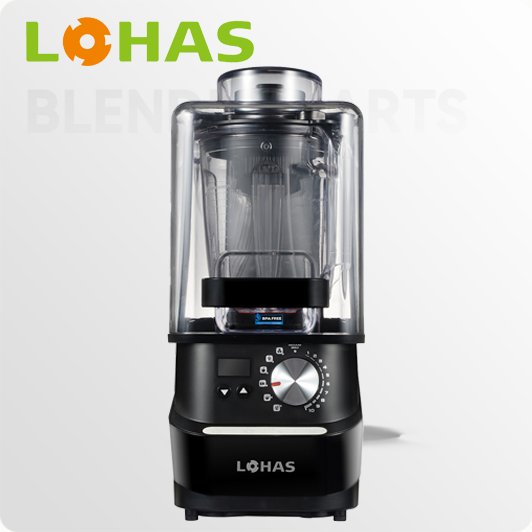
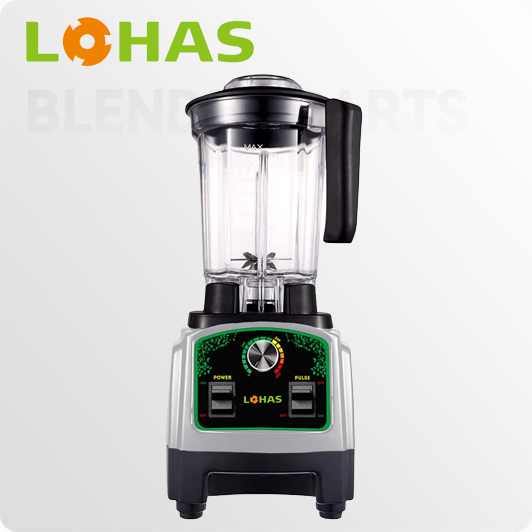
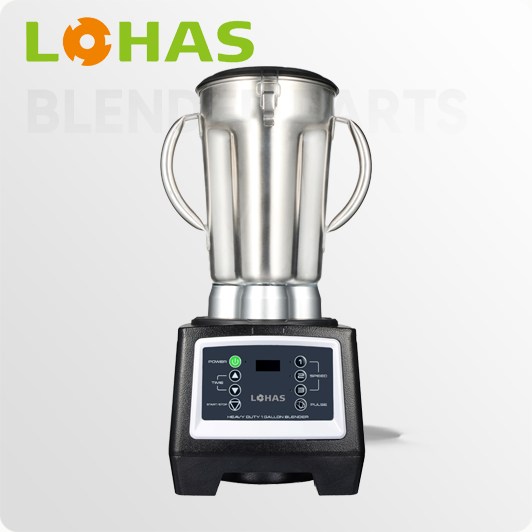
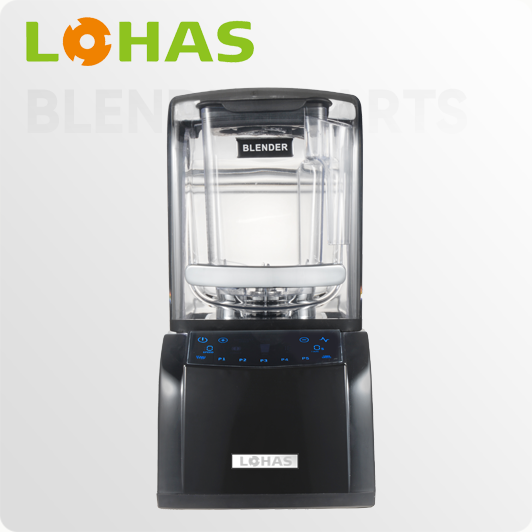
A high performance commercial blender is engineered to process the most demanding ingredients without compromise. Whether you're running a juice bar, smoothie shop, restaurant, or catering operation, a high performance commercial blender must deliver consistent results while handling ice, frozen fruit, nuts, seeds, and fibrous vegetables day after day. The difference between a standard blender and a high performance commercial blender lies in motor strength, blade construction, thermal management, and durability design. Understanding how a high performance commercial blender tackles tough ingredients helps you select the right equipment for your business needs.
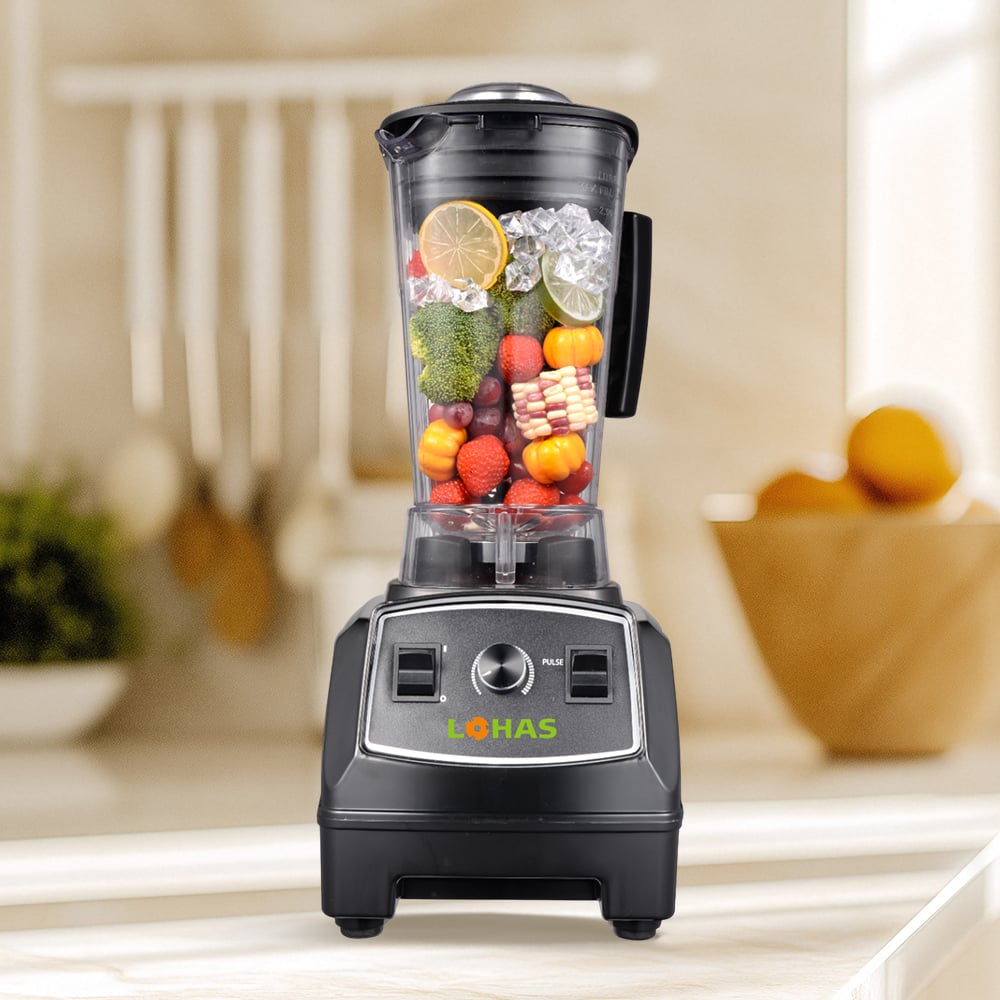
The core capability of any high performance commercial blender lies in its ability to break down resistant materials into smooth, consistent textures. A high performance commercial blender must process whole fruits with skin intact, frozen berries at subzero temperatures, raw nuts in bulk quantities, and leafy greens without bogging down or producing gritty results. This performance level is not accidental; it comes from deliberate engineering choices in motor power, blade geometry, vessel design, and operational speed control. Commercial kitchens depend on a high performance commercial blender to maintain productivity throughout busy service periods without thermal shutdown or performance degradation.
Motor Power and Torque in a High Performance Commercial Blender
Understanding Motor Requirements for Tough Ingredients
A high performance commercial blender typically features a motor rated between 1200 and 2200 watts, with industrial-grade construction designed for continuous operation. Motor power alone does not define performance; torque delivery and sustained output matter equally. A high performance commercial blender must deliver consistent rotational force even when blade resistance increases as frozen materials contact the spinning blades. The motor must not stall, slow significantly, or shut down thermal protection during extended blending cycles. Premium models use direct-drive systems or gear-reduced designs that maximize torque transmission to the blade assembly, enabling a high performance commercial blender to process ice and frozen fruits without requiring pre-thawing.
Thermal Management and Duty Rating
A high performance commercial blender incorporates cooling systems to prevent motor overheating during back-to-back use cycles. Commercial kitchens require equipment rated for continuous duty, meaning a high performance commercial blender must operate for eight or more hours daily without mandatory cooldown periods. Thermal sensors in a high performance commercial blender monitor internal temperature and may reduce speed automatically to protect motor life, but quality units maintain near-full power output even under sustained load. The duty cycle rating of a high performance commercial blender directly impacts its suitability for high-volume production environments where downtime disrupts service and revenue.
Blade Design and Cutting Geometry
Blade Material and Configuration
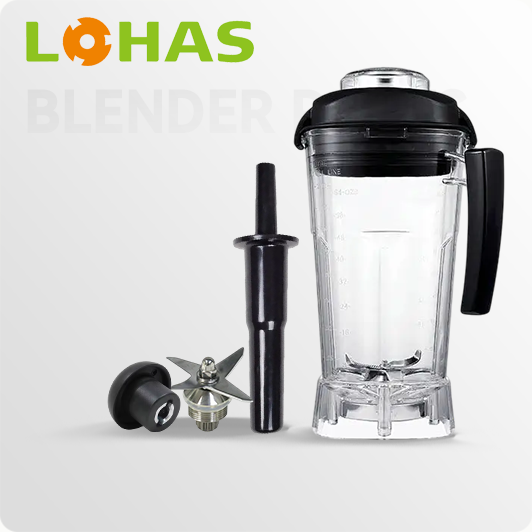
The blade assembly defines how a high performance commercial blender actually processes ingredients. Stainless steel blades in a high performance commercial blender are precision-ground to razor-sharp edges, often arranged in multiple tiers or arranged at specific angles to create multiple cutting points. A high performance commercial blender blade design creates vortex action that pulls ingredients downward into cutting zones repeatedly, progressively breaking down tough fibers and cell walls. Blade configurations in a high performance commercial blender vary; some use four primary cutting edges, while others employ six or more edges at different heights. This multi-point geometry means a high performance commercial blender achieves finer texture and faster processing times compared to standard home blenders with simpler two or three-blade designs.
Speed Control and Processing Efficiency
Variable speed control distinguishes a professional high performance commercial blender from entry-level models. A high performance commercial blender with multiple speed settings allows operators to match rotational velocity to ingredient type; lower speeds preserve cell structure in delicate greens while high speeds pulverize frozen berries and hard nuts. Pulse mode in a high performance commercial blender enables precise texture control by allowing operators to apply bursts of power rather than continuous blending. The best high performance commercial blender designs provide both variable dial control and preset buttons for common recipes, reducing operator fatigue and ensuring batch consistency. This flexibility makes a high performance commercial blender suitable for diverse menu items from silky nut butters to chunky vegetable salsas.
Vessel Construction and Heat Dissipation
Material Durability and Impact Resistance
A high performance commercial blender vessel typically uses reinforced stainless steel or commercial-grade polycarbonate, each chosen for specific durability characteristics. Stainless steel in a high performance commercial blender offers superior heat retention and aesthetic appeal in visible kitchen areas, while polycarbonate vessels in a high performance commercial blender provide transparency for visual monitoring and excellent impact resistance. The vessel capacity in a high performance commercial blender usually ranges from one to two liters, balancing batch size for individual smoothies against the thermal load generated by processing. Thick vessel walls in a high performance commercial blender reduce vibration, improve safety, and support the intense cutting forces generated at high speeds without cracking or warping.
Seal Technology and Leak Prevention
The seal between blade assembly and vessel must be absolutely reliable in a high performance commercial blender used for thick, liquid-heavy ingredients. Silicone or rubber gaskets in a high performance commercial blender create watertight seals that prevent leaking during operation and simplify cleaning. Quality high performance commercial blender seals withstand repeated thermal cycling without degrading; hot blended soup immediately followed by ice-based drinks creates thermal stress that inferior seals cannot tolerate. Removable, replaceable seal components in a high performance commercial blender reduce maintenance costs and extend equipment life. The seal design also impacts blade removal for cleaning; a high performance commercial blender with quick-release or easy-access blade systems reduces service time and encourages thorough daily sanitation.
Processing Performance Across Ingredient Categories
Frozen and Ice-Based Materials
A high performance commercial blender handles frozen fruit and ice not by melting them but by fracturing them into progressively smaller particles through repeated blade contact. The cutting geometry and motor torque of a high performance commercial blender must overcome the molecular cohesion of frozen water and dense frozen fruit simultaneously. Lower-powered equipment struggles with ice because motor torque drops as resistance increases; a true high performance commercial blender maintains power delivery even as blade resistance peaks. This capability makes a high performance commercial blender essential for frozen smoothie bars where frozen beverages represent the majority of daily volume. The result is smooth, uniform texture without ice crystal grittiness that signals poor processing.
Nuts, Seeds, and Fibrous Vegetables
Raw almonds, walnuts, and seeds require sustained cutting action to break cell walls and release oils; a high performance commercial blender provides this through multiple blade passes and vortex circulation. Fibrous vegetables like kale, celery, and carrots contain tough cellulose structures that resist simple impact; a high performance commercial blender handles these through continuous cutting at high speed rather than brief pulse cycles. The multi-tier blade geometry in a high performance commercial blender ensures ingredients don't pack around a single blade point; instead, pieces circulate through multiple cutting zones. This prevents the jamming that occurs when a standard blender attempts to process whole kale bunches or handfuls of raw nuts. Professional juice bars and health-focused restaurants depend on a high performance commercial blender to create nut-based creams and vegetable blends efficiently.
FAQ
What motor wattage should I choose for a high performance commercial blender?
Motor power between 1500 and 2000 watts provides adequate torque for most commercial applications where a high performance commercial blender processes frozen fruit, ice, and nuts regularly. Higher wattage in a high performance commercial blender offers faster processing and the ability to handle heavier loads without thermal throttling. Lower wattage models below 1200 watts may struggle with sustained ice processing; if your operation focuses on frozen beverages, select a high performance commercial blender rated for continuous duty at the higher end of the power range. Matching motor power to your ingredient profile ensures your high performance commercial blender delivers consistent performance throughout your busiest service periods.
How does blade design affect what a high performance commercial blender can process?
Blade geometry in a high performance commercial blender directly determines processing speed and texture quality for different ingredients. A high performance commercial blender with multiple cutting edges at varied angles creates more cutting points per revolution, reducing processing time and improving consistency. Angle and sharpness of blades in a high performance commercial blender determine whether it produces silky-smooth nut butter or leaves grainy texture; precision-ground stainless steel blades in a high performance commercial blender maintain sharpness through hundreds of daily cycles. Dull or poorly designed blades force a high performance commercial blender to operate longer, generating excess heat and wasting motor energy. Replacing or professionally sharpening blades on your high performance commercial blender when they become dull maintains peak performance and extends motor life.
Can a high performance commercial blender handle continuous back-to-back blending throughout a busy shift?
Yes, a properly designed high performance commercial blender with continuous-duty rating maintains reliable performance through eight or more hours of active use. The key is selecting a high performance commercial blender specifically engineered for commercial environments with robust cooling systems and commercial-grade components. Quality thermal management in a high performance commercial blender prevents automatic shutdowns that interrupt service; however, allowing brief cool periods between cycles extends motor lifespan even for continuous-duty models. A high performance commercial blender used in high-volume environments should undergo daily cleaning and weekly maintenance checks to ensure peak performance. Investing in a commercial-grade high performance commercial blender designed for your volume level prevents performance degradation and reduces unplanned downtime.