 EN
EN


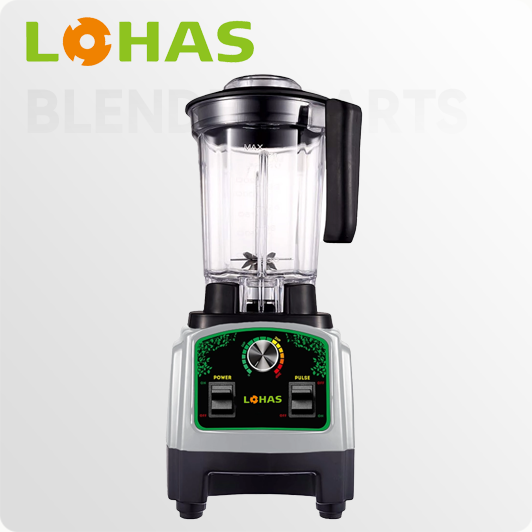
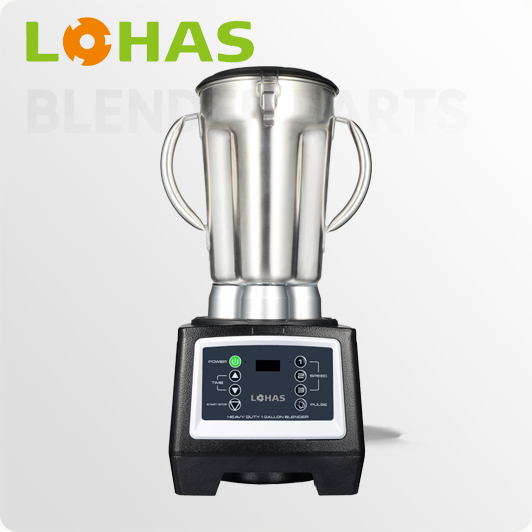
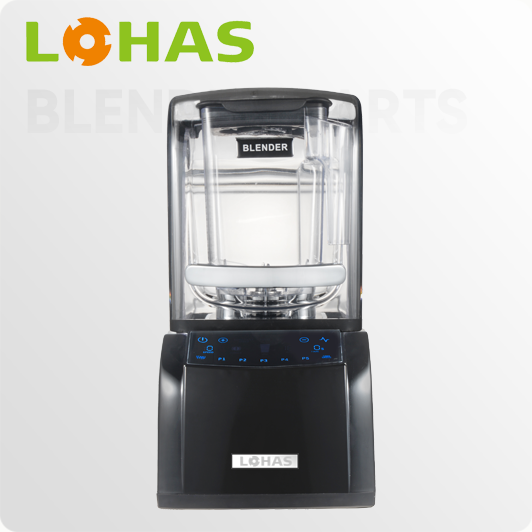

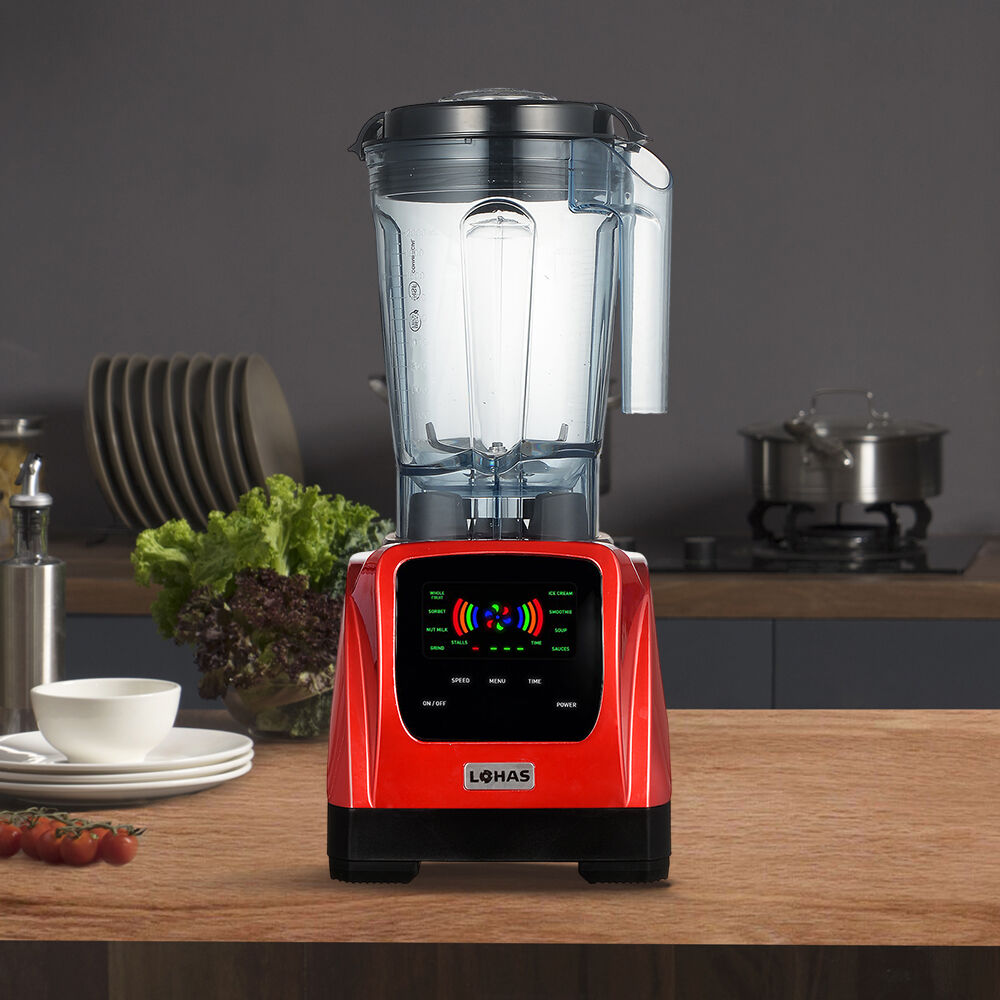
Dapur restoran, kedai jus buah-buahan, dan operasi makanan komersial menghadapi tekanan hebat semasa jam perkhidmatan puncak, memerlukan peralatan yang mampu menahan penggunaan berterusan tanpa mengorbankan prestasi. Pengisar tahan lasak pengisar Komersil mewakili tulang belakang banyak penubuhan perkhidmatan makanan, memberikan keputusan yang konsisten walaupun memproses ratusan pesanan sepanjang tempoh sibuk. Memahami cara jentera berkuasa ini mengekalkan keberkesanannya di bawah tuntutan operasi ekstrem menjadi penting bagi pemilik perniagaan yang mencari pelaburan peralatan yang boleh dipercayai.
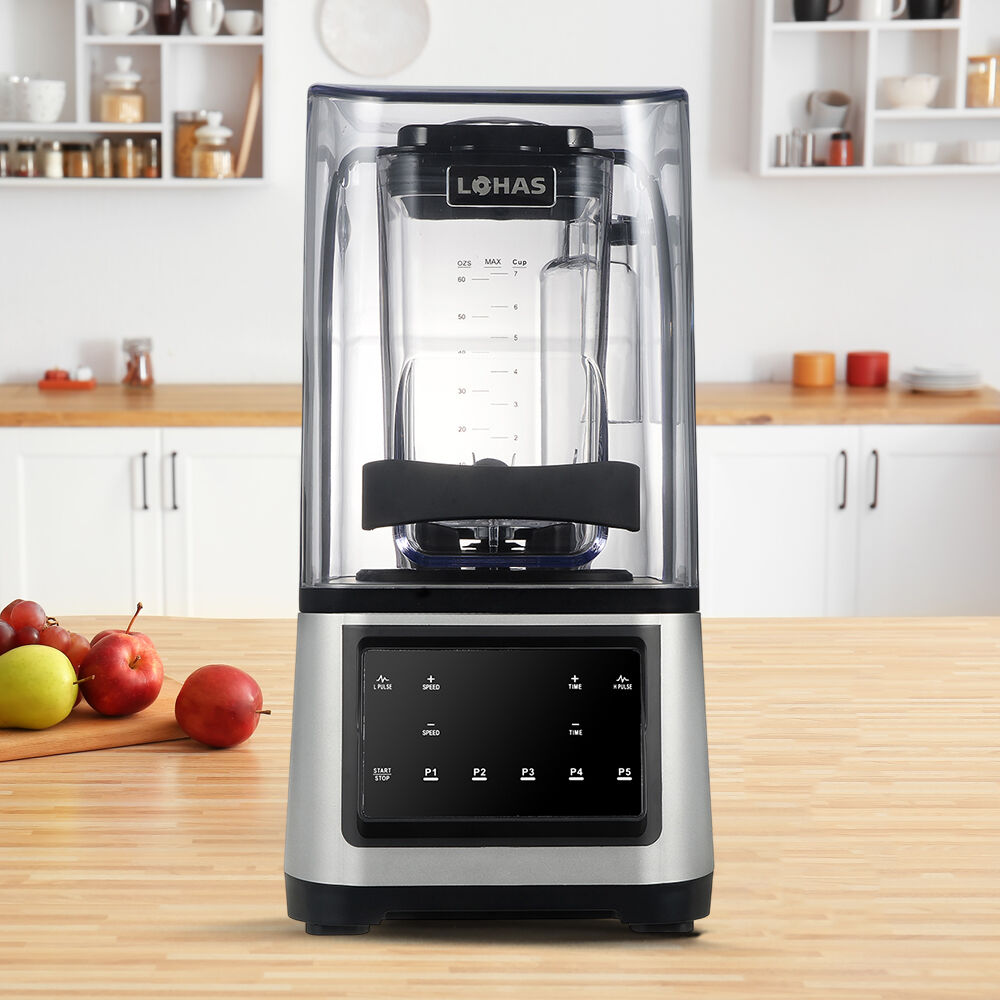
Alam sekitar yang mencabar di dapur komersial menguji keupayaan peralatan melebihi aplikasi biasa di rumah. Senario permintaan puncak mencipta cabaran unik yang membezakan peralatan pengisar berkelas profesional daripada model pengguna. Semasa tempoh sibuk, penubuhan mungkin memproses puluhan jus halus, sup, atau sos dalam jangka masa yang singkat, memerlukan jentera yang mampu mengekalkan daya kilas yang konsisten, kawalan suhu, dan ketajaman bilah sepanjang kitaran operasi yang panjang.
Kecekapan Kejuruteraan untuk Operasi Berterusan
Prestasi Motor di Bawah Beban Berterusan
Operasi perkhidmatan makanan profesional memerlukan motor yang direkabentuk khusus untuk kitaran tugas berterusan, yang membezakan pengisar komersial tahan lasak daripada pilihan yang lebih ringan. Motor yang kukuh ini biasanya dilengkapi dengan lilitan kuprum, sistem penyejukan yang ditingkatkan, dan galas yang diperkukuh untuk menangani aplikasi berdaya torsi tinggi secara berterusan. Keupayaan motor untuk mengekalkan RPM yang konsisten di bawah pelbagai keadaan beban secara langsung mempengaruhi kualiti pengisaran dan kecekapan operasi semasa tempoh perkhidmatan yang sibuk.
Sistem pengurusan haba lanjutan mengelakkan motor daripada terlalu panas semasa operasi berpanjangan, dengan memasukkan rekabentuk ventilasi khusus dan bahan yang membuang haba. Ciri-ciri kejuruteraan ini memastikan bahawa lonjakan suhu tidak menjejaskan prestasi motor atau mengurangkan jangka hayat peralatan. Penubuhan komersial mendapat manfaat daripada motor yang mampu beroperasi secara berterusan selama berjam-jam tanpa memerlukan jeda penyejukan atau mengalami kemerosotan kuasa.
Ketahanan Sistem Pemindahan
Mekanisme pemindahan yang menghubungkan kuasa motor kepada pemasangan bilah mesti tahan terhadap daya-daya besar yang dihasilkan semasa operasi pengisar berat. Unit komersial berkualiti tinggi menggunakan komponen keluli yang dimesin dengan tepat, perakam bantalan yang kedap, dan sistem penghubung yang diperkukuh untuk mengekalkan pelarasan di bawah tekanan. Unsur-unsur mekanikal ini berfungsi bersama-sama bagi memindahkan kuasa maksimum motor secara cekap sambil meminimumkan kehilangan tenaga dan haus komponen.
Jadual penyelenggaraan berkala menjadi penting untuk mengekalkan integriti sistem pemindahan, khususnya dalam persekitaran berkelantangan tinggi di mana peralatan beroperasi hampir pada kapasiti maksimum setiap hari. Pelinciran yang betul, pemeriksaan pelarasan, dan pemeriksaan komponen membantu mengenal pasti isu-isu potensi sebelum ia berkembang menjadi kegagalan mahal yang boleh mengganggu perkhidmatan semasa tempoh kritikal.
Teknologi Bilah dan Reka Bentuk Bekas
Sistem Pemotongan yang Direka Secara Tepat
Pemasangan bilah dalam pengisar komersial tahan lasak mesti mengekalkan ketajamannya dan integriti strukturalnya walaupun memproses beribu-ribu paun bahan setiap minggu. Bilah bertaraf profesional biasanya menggunakan pembinaan keluli keras dengan geometri sudut tertentu yang dioptimumkan untuk pelbagai aplikasi pengisaran. Sistem pemotongan ini mencipta dinamik bendalir yang cekap untuk memastikan pencampuran bahan secara menyeluruh sambil meminimumkan masa pemprosesan.
Ketahanan bilah berkorelasi secara langsung dengan kualiti produk yang konsisten dan kecekapan operasi. Bilah yang tajam dan diselenggara dengan baik memerlukan tekanan motor yang lebih rendah untuk mencapai tekstur yang diinginkan, seterusnya mengurangkan penggunaan tenaga dan memperpanjang jangka hayat peralatan. Operasi komersial mendapat manfaat daripada rekabentuk bilah yang tahan tumpul, pecah, dan kakisan—walaupun apabila memproses bahan berasid atau bahan abrasif secara kerap.
Kekuatan dan Fungsionaliti Bekas
Bekas pengadun komersial mesti tahan tekanan dalaman yang tinggi yang dihasilkan oleh putaran bilah berkelajuan tinggi dan rintangan bahan. Bekas profesional biasanya menggunakan bahan diperkukuh seperti polikarbonat atau keluli tahan karat, direka untuk mengelakkan retak, terpesong, atau kegagalan di bawah tekanan. Reka bentuk yang kukuh ini memastikan operasi yang selamat sambil mengekalkan toleransi tepat yang diperlukan bagi prestasi pengadunan yang optimal.
Ciri-ciri reka bentuk ergonomik meningkatkan kecekapan operasi semasa tempoh permintaan puncak, termasuk kawasan pegangan yang selesa, corong tuang, dan tanda ukuran yang kekal kelihatan selepas penggunaan lanjut. Permukaan yang mudah dibersihkan serta pembinaan yang selamat untuk mesin pencuci pinggan mangkuk memudahkan pergantian pantas antara kelompok, yang amat penting untuk mengekalkan kelajuan perkhidmatan semasa tempoh sibuk.
Metrik Prestasi Semasa Operasi Berisipadu Tinggi
Analisis Kapasiti Aliran
Mengukur kapasiti keluaran sebenar memerlukan pemahaman tentang bagaimana pengisar komersial berprestasi tinggi beroperasi dalam keadaan operasi yang realistik, bukan berdasarkan maksimum teoretikal. Senario permintaan puncak biasanya melibatkan pemprosesan pelbagai jenis bahan, saiz kelompok yang berbeza, dan keperluan tekstur yang berlainan sepanjang tempoh perkhidmatan. Unit profesional menunjukkan nilai mereka melalui prestasi yang konsisten dalam semua keadaan berubah ini.
Pengukuran keluaran harus mengambil kira masa pembersihan di antara pelbagai produk , keperluan persediaan untuk pelbagai resipi, dan mana-mana tempoh penyejukan yang diperlukan semasa operasi berpanjangan. Pertimbangan praktikal ini memberikan jangkaan prestasi yang lebih tepat bagi operator komersial yang merancang keperluan kapasiti peralatan.
Kecekapan Tenaga di Bawah Beban
Corak penggunaan tenaga berubah secara ketara apabila peralatan pengisaran beroperasi dalam keadaan beban yang berbeza sepanjang tempoh perkhidmatan. Blender komersial berat unit yang direka khas untuk aplikasi permintaan puncak menggabungkan ciri-ciri pengoptimuman kecekapan yang mengekalkan penggunaan kuasa pada tahap yang munasabah walaupun semasa kitaran penggunaan yang intensif.
Sistem kawalan motor lanjutan menyesuaikan penghantaran kuasa berdasarkan keperluan beban, menyediakan tork maksimum semasa memproses bahan-bahan sukar sambil mengurangkan pembaziran tenaga semasa tugas pencampuran yang lebih ringan. Sistem pintar ini menyumbang kepada kawalan kos operasi tanpa mengorbankan piawaian prestasi sepanjang tempoh perkhidmatan yang mencabar.
Kebutuhan Pemeliharaan untuk Prestasi Terbaik
Protokol Penjagaan Pencegahan
Penetapan jadual penyelenggaraan yang komprehensif menjadi kritikal bagi memastikan pengisar komersial berprestasi tinggi mengekalkan prestasi optimum di bawah syarat operasi yang mencabar. Prosedur pembersihan harian, pensanitasi mendalam mingguan, dan pemeriksaan mekanikal bulanan membentuk asas program penjagaan peralatan yang berkesan. Protokol-protokol ini menghalang kemerosotan prestasi serta memanjangkan hayat perkhidmatan peralatan secara ketara.
Penyelenggaraan pencegahan termasuk memantau corak kausan pada pemasangan bilah, memeriksa kestabilan pemasangan motor, dan mengesahkan sambungan elektrik tetap kukuh. Juruteknik perkhidmatan profesional dapat mengenal pasti isu potensi semasa pemeriksaan berkala, seterusnya mencegah kegagalan tidak dijangka semasa tempoh perkhidmatan kritikal apabila masa henti peralatan menyebabkan gangguan operasi yang ketara.
Strategi Penggantian Komponen
Jadual penggantian komponen strategik membantu mengekalkan prestasi yang konsisten sambil menguruskan kos operasi secara berkesan. Pemasangan bilah, getah penutup kedap, dan komponen pemacu mengalami corak kausan yang boleh diramalkan berdasarkan isi padu penggunaan dan jenis bahan yang diproses. Perancangan penggantian berdasarkan metrik prestasi—bukan tindak balas reaktif terhadap kegagalan—memastikan keupayaan perkhidmatan tanpa gangguan.
Pengurusan inventori bagi komponen penggantian kritikal menjadi penting dalam operasi berkelompok tinggi di mana masa tidak beroperasinya peralatan secara langsung menjejaskan pendapatan. Menyimpan inventori suku cadang yang sesuai membolehkan pembaikan dilakukan dengan cepat sambil meminimumkan gangguan perkhidmatan semasa tempoh permintaan puncak.
Amalan Terbaik Operasi
Latihan Staf untuk Prestasi Optimum
Latihan operator yang betul memberi kesan ketara terhadap prestasi pengisar komersial berkuasa tinggi di bawah keadaan permintaan puncak. Ahli staf mesti memahami prosedur memuatkan yang betul, tempoh pemprosesan yang sesuai, dan protokol pembersihan yang tepat untuk mengekalkan keberkesanan peralatan. Operator yang dilatih dengan baik dapat mengenal pasti tanda-tanda awal isu mekanikal yang berpotensi sebelum isu tersebut berkembang menjadi masalah serius.
Program latihan harus menekankan prosedur keselamatan, teknik kecekapan, dan piawaian kawalan kualiti yang memastikan keluaran produk yang konsisten semasa tempoh sibuk. Latihan penyegaran berkala membantu mengekalkan piawaian operasi sambil memasukkan teknik baharu atau ciri peralatan yang meningkatkan prestasi.
Kawalan Kualiti Semasa Pengeluaran Berisipadu Tinggi
Menjaga piawaian kualiti produk menjadi lebih mencabar semasa tempoh permintaan puncak apabila tekanan untuk kelajuan mungkin mendorong pengambilan jalan pintas atau mengurangkan tumpuan terhadap butiran. Pelaksanaan prosedur kawalan kualiti secara sistematik memastikan pengisar komersial berkapasiti tinggi terus menghasilkan keputusan yang diterima walaupun di bawah sekatan masa dan keadaan tekanan tinggi.
Langkah-langkah kawalan kualiti termasuk pensampelan tekstur secara berkala, pemantauan suhu, dan pemeriksaan visual yang mengesahkan keseragaman produk sepanjang tempoh perkhidmatan. Prosedur-prosedur ini membantu mengenal pasti bila penyesuaian peralatan atau tindakan penyelenggaraan diperlukan untuk mengekalkan piawaian.
Kesan Ekonomi daripada Kelengkapan yang Boleh Dipercayai
Perlindungan Pendapatan melalui Masa Aktif
Kebolehpercayaan kelengkapan secara langsung memberi kesan kepada perlindungan pendapatan semasa tempoh perkhidmatan puncak apabila permintaan pelanggan mencapai tahap maksimum. Sebuah pengisar komersial berkapasiti tinggi yang mengekalkan prestasi konsisten dapat mengelakkan kelewatan pesanan, ketidakpuasan pelanggan, dan kehilangan peluang jualan akibat kegagalan kelengkapan semasa tempoh kritikal. Nilai ekonomi daripada operasi yang boleh dipercayai sering kali melebihi kos pelaburan awal kelengkapan dalam tahun pertama operasi.
Pengiraan jumlah kos kepemilikan merangkumi faktor-faktor di luar harga pembelian, termasuk kos penyelenggaraan, penggunaan tenaga, dan potensi kerugian pendapatan akibat masa tidak aktif kelengkapan. Kelengkapan bertaraf profesional biasanya menunjukkan nilai ekonomi jangka panjang yang lebih unggul walaupun memerlukan pelaburan awal yang lebih tinggi.
Peningkatan Kecekapan Tenaga Kerja
Peralatan pengadun yang cekap mengurangkan keperluan tenaga buruh semasa tempoh puncak dengan memproses pesanan lebih cepat dan memerlukan kurang campur tangan manual. Ahli staf boleh memberi tumpuan kepada perkhidmatan pelanggan, penyediaan makanan, dan aktiviti bernilai tambah lain berbanding berjuang dengan peralatan yang tidak mencukupi. Peningkatan kecekapan ini menyumbang kepada pengalaman pelanggan yang lebih baik dan peningkatan keuntungan operasi.
Prestasi peralatan yang konsisten juga mengurangkan masa latihan untuk pekerja baharu, kerana jentera yang boleh dipercayai beroperasi secara dapat diramalkan tanpa memerlukan kemahiran pembaikan yang mendalam atau teknik jalan pintas yang menjadi perlu apabila menggunakan peralatan yang kurang cekap.
Soalan Lazim
Berapa lamakah pengadun komersial tugas berat boleh beroperasi secara berterusan semasa jam puncak?
Kebanyakan unit pengisar komersial tugas berat yang paling profesional mampu beroperasi secara berterusan selama 2–4 jam semasa tempoh perkhidmatan puncak, bergantung kepada model khusus dan keadaan beban. Unit komersial berprestasi tinggi dengan sistem penyejukan lanjutan mungkin mampu mengendalikan operasi berterusan yang lebih lama, manakala sebahagian unit memerlukan jeda penyejukan ringkas setiap jam semasa penggunaan intensif. Perkara utama ialah memantau suhu motor dan mematuhi garis panduan pengilang mengenai kitaran tugas.
Jadual penyelenggaraan manakah yang menjamin prestasi optimum semasa tempoh kelantangan tinggi?
Pembersihan dan pemeriksaan harian, pensanitasi mendalam mingguan, pemeriksaan mekanikal bulanan, serta lawatan perkhidmatan profesional sukuan biasanya mengekalkan pengisar komersial tugas berat pada tahap prestasi puncak. Operasi kelantangan tinggi mungkin memerlukan penajaman bilah dan penggantian segel yang lebih kerap. Penubuhan log penyelenggaraan pencegahan membantu melacak kerosakan komponen dan menjadualkan penggantian sebelum kegagalan berlaku semasa tempoh perkhidmatan kritikal.
Bagaimana anda menentukan bila penggantian bilah diperlukan dalam aplikasi komersial
Penggantian bilah menjadi diperlukan apabila masa pemprosesan meningkat secara ketara, kualiti tekstur menjadi tidak konsisten, atau tekanan pada motor meningkat semasa operasi biasa. Pemeriksaan visual untuk kecacatan seperti pecahan, tumpul, atau kakisan memberikan tanda awal amaran. Kebanyakan bilah blender komersial berkuasa tinggi memerlukan penggantian setiap 6–12 bulan dalam aplikasi berisipadu tinggi, walaupun tempoh ini berbeza-beza bergantung kepada jenis bahan dan corak penggunaan.
Apakah keperluan kuasa yang perlu dipertimbangkan untuk operasi permintaan puncak
Dapur komersial harus merancang litar elektrik khusus yang mampu mengendalikan arus lonjakan semasa permulaan, yang boleh mencapai 3–5 kali amperaj operasi normal. Sebuah pengisar komersial berkuasa tinggi biasanya memerlukan litar 15–20 amp untuk operasi yang boleh dipercayai, dengan kestabilan voltan menjadi sangat penting bagi prestasi motor yang konsisten. Perancangan kapasiti elektrik yang mencukupi dapat mengelakkan masalah prestasi dan kerosakan peralatan semasa tempoh permintaan puncak.
Jadual Kandungan
- Kecekapan Kejuruteraan untuk Operasi Berterusan
- Teknologi Bilah dan Reka Bentuk Bekas
- Metrik Prestasi Semasa Operasi Berisipadu Tinggi
- Kebutuhan Pemeliharaan untuk Prestasi Terbaik
- Amalan Terbaik Operasi
- Kesan Ekonomi daripada Kelengkapan yang Boleh Dipercayai
-
Soalan Lazim
- Berapa lamakah pengadun komersial tugas berat boleh beroperasi secara berterusan semasa jam puncak?
- Jadual penyelenggaraan manakah yang menjamin prestasi optimum semasa tempoh kelantangan tinggi?
- Bagaimana anda menentukan bila penggantian bilah diperlukan dalam aplikasi komersial
- Apakah keperluan kuasa yang perlu dipertimbangkan untuk operasi permintaan puncak