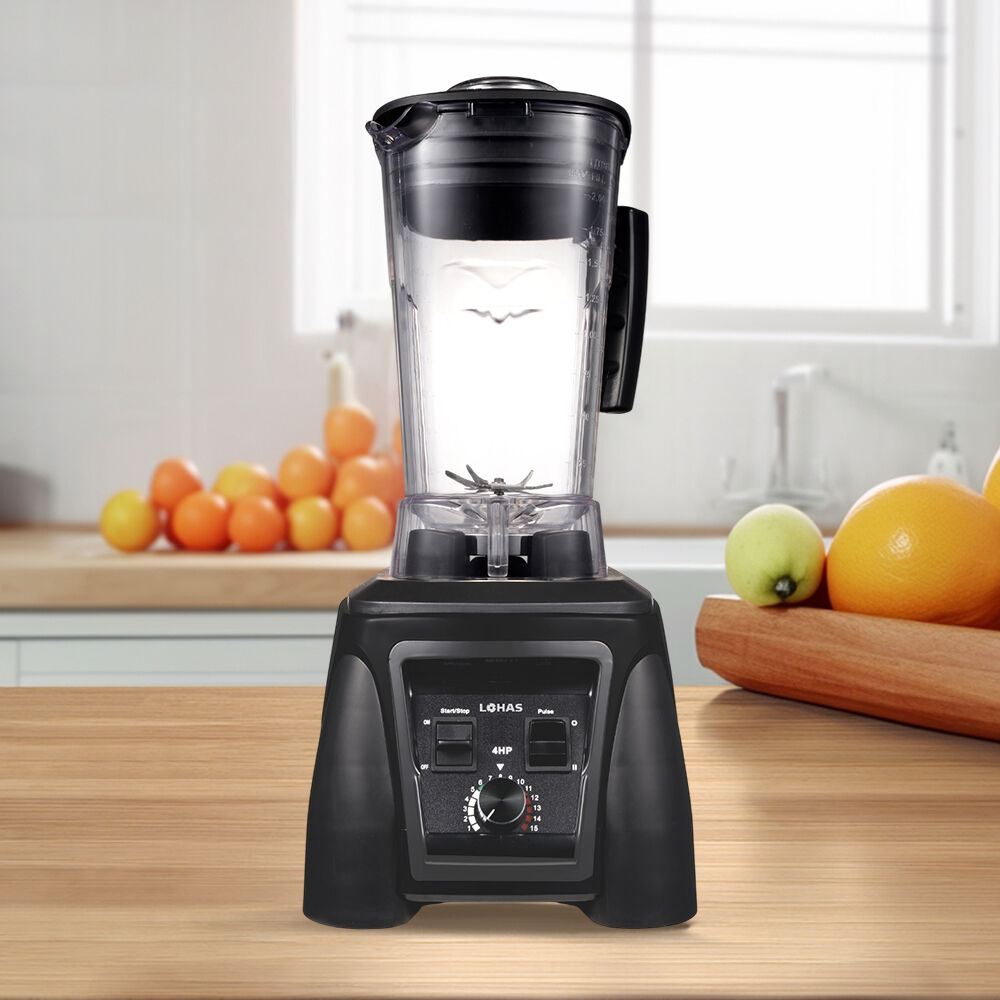
Industrial Juice Blender: High-Performance Commercial Processing Equipment for Large-Scale Production

CONTACY ME IMMEDIATELY IF YOU ENCOUNTER PROBLEMS!

  • Professional Commercial Blender Supplier

industrial juice blender

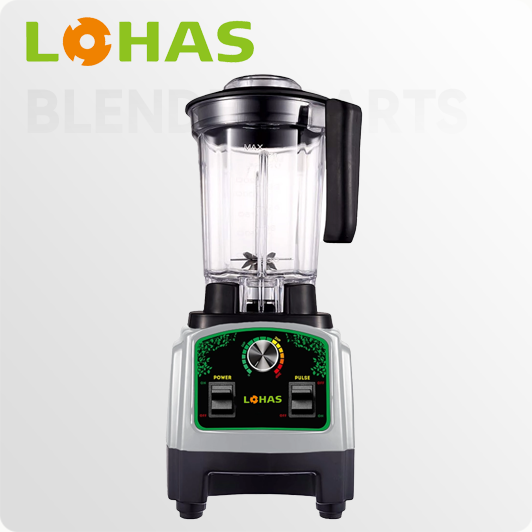
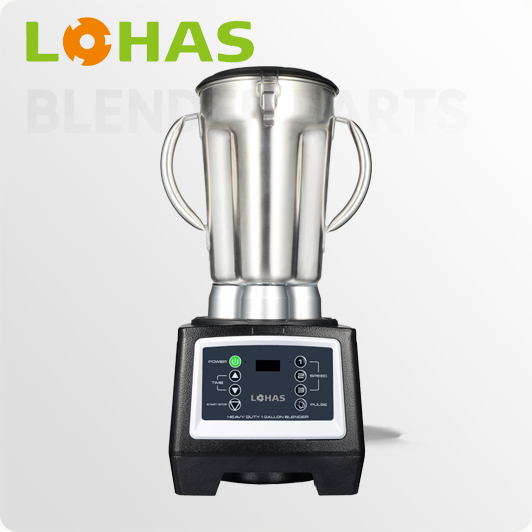
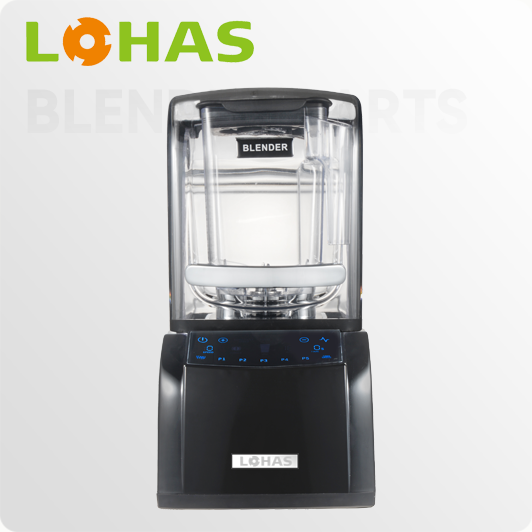
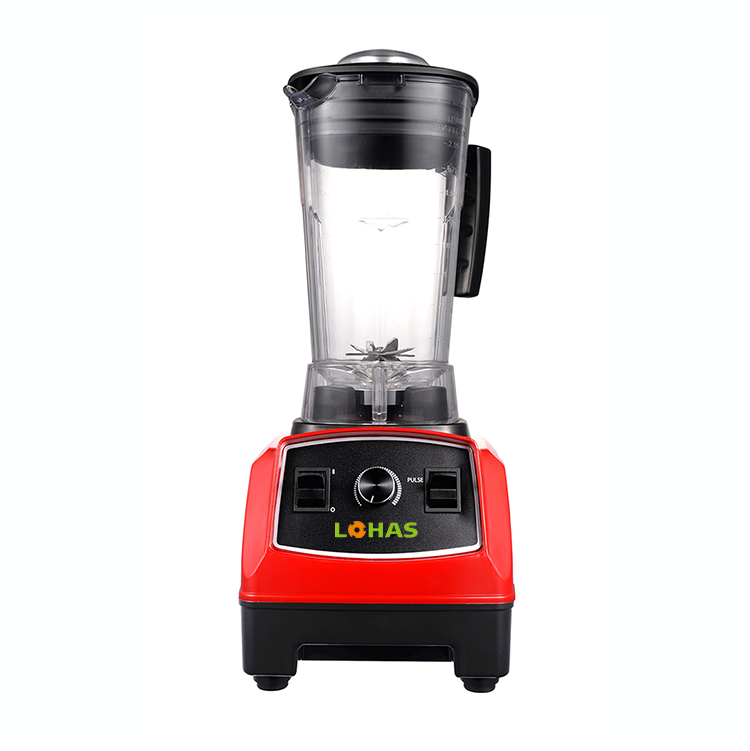
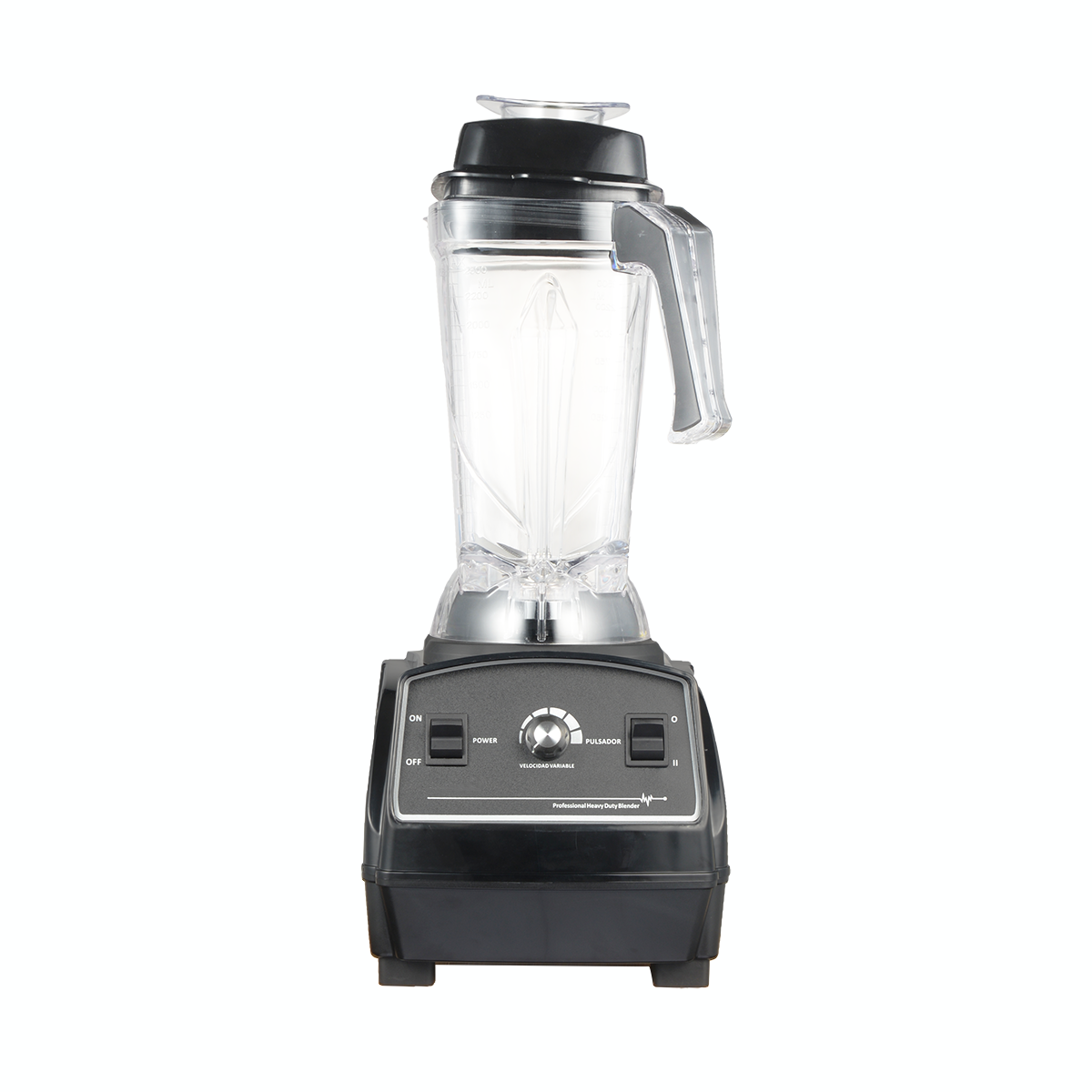
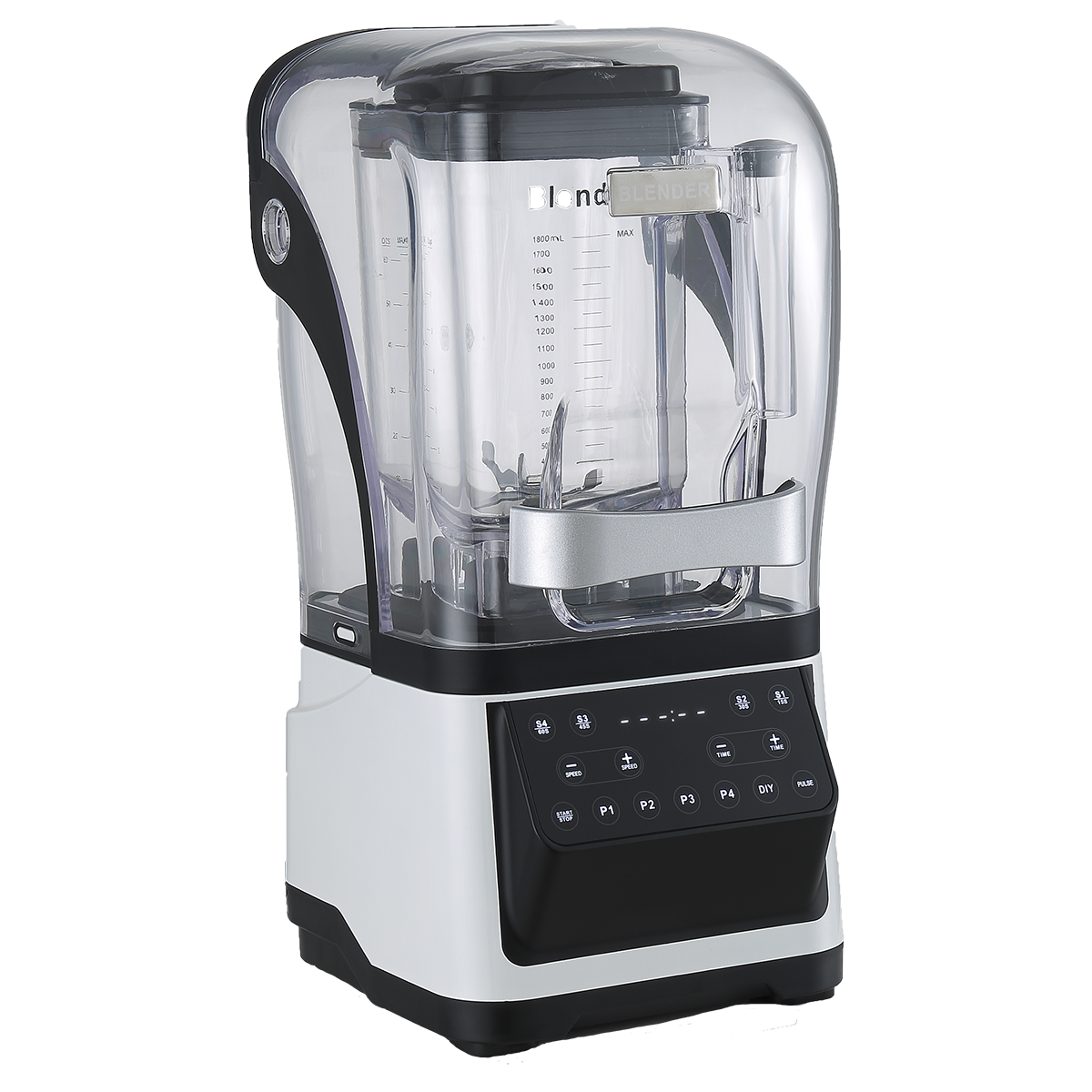
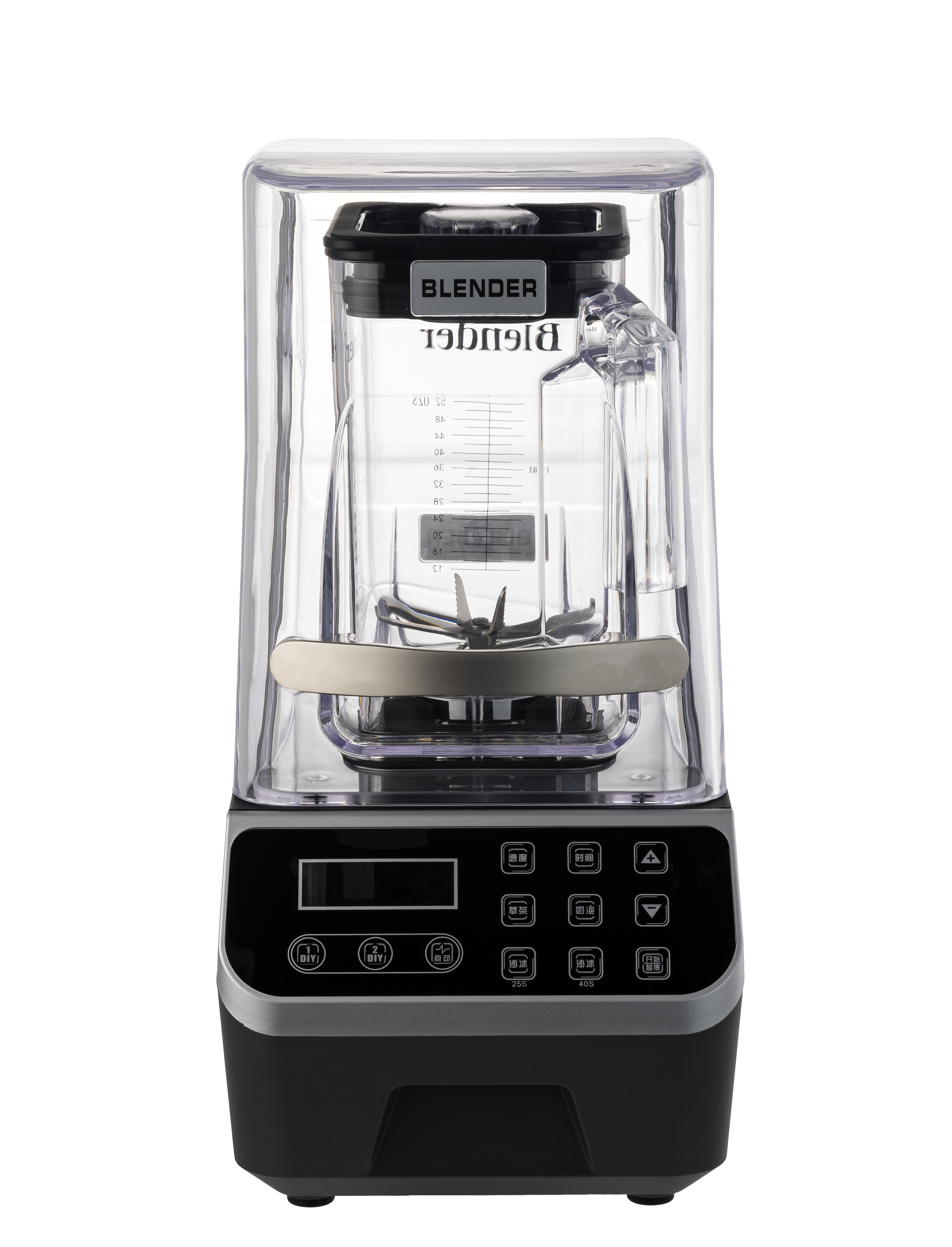
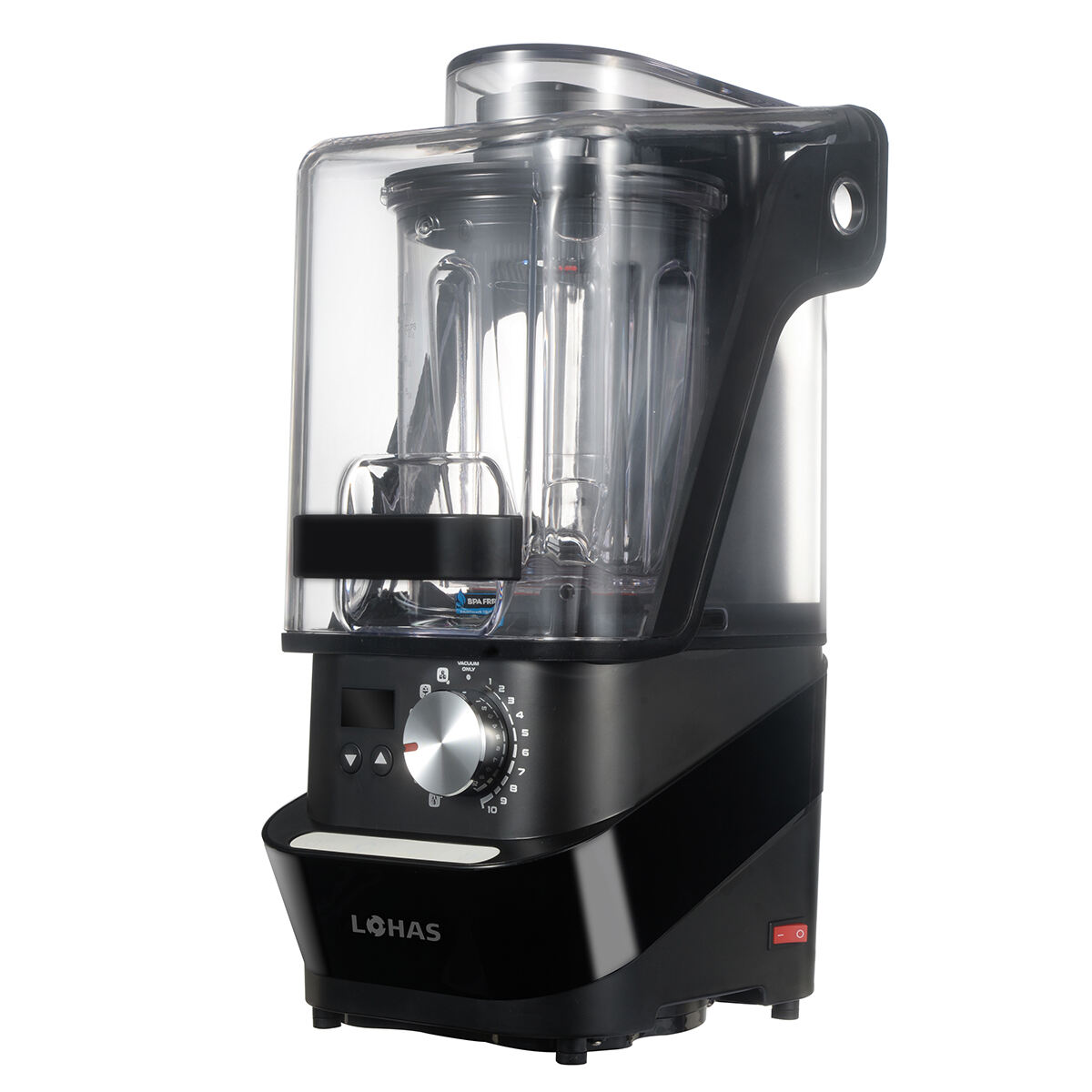
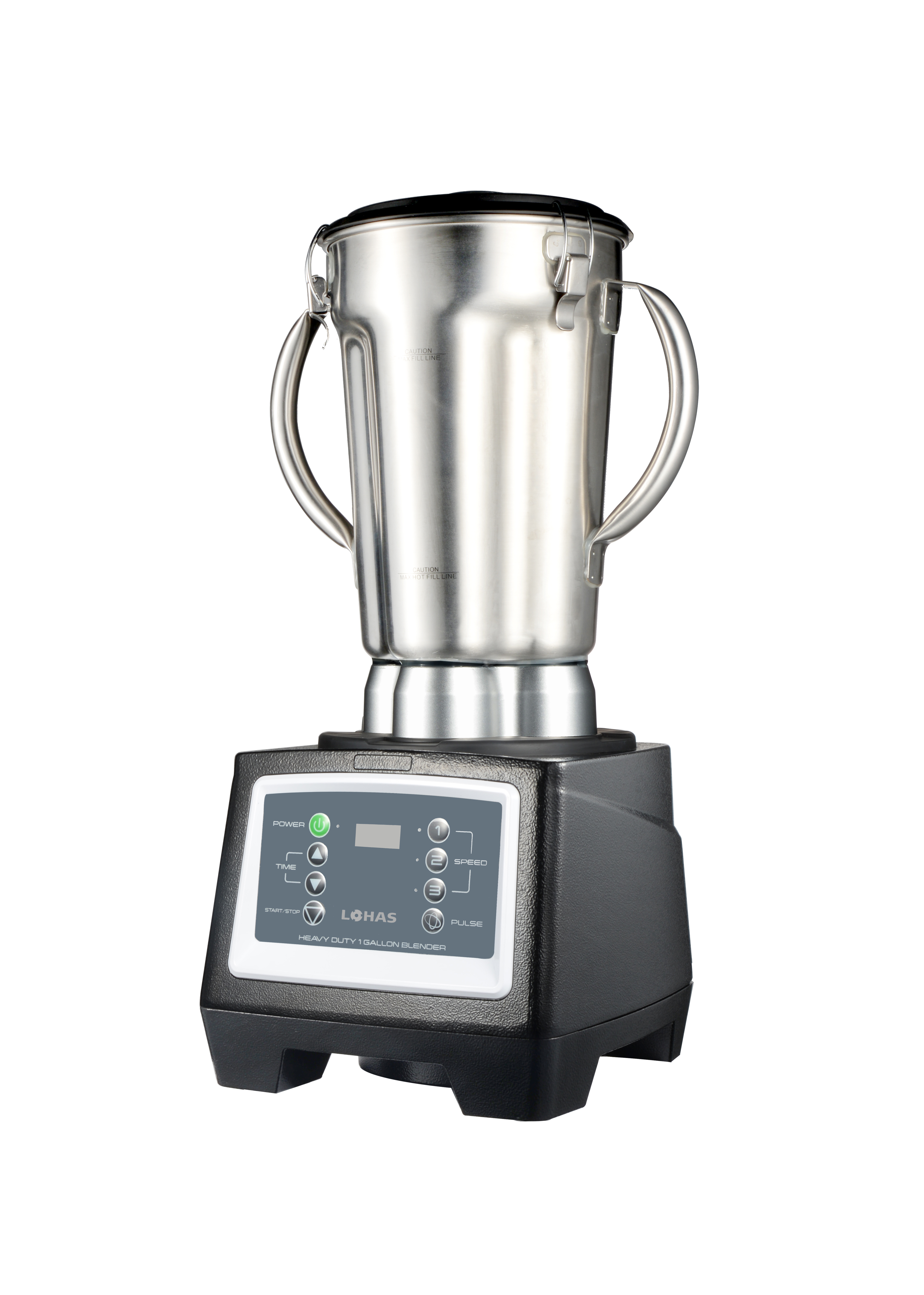
The industrial juice blender represents a cornerstone of modern food and beverage manufacturing, designed to handle large-scale production requirements with exceptional efficiency and reliability. This sophisticated equipment transforms raw fruits and vegetables into smooth, homogeneous juice products through advanced mechanical processing techniques. Unlike residential blenders, an industrial juice blender incorporates robust construction materials, powerful motor systems, and specialized blade configurations to manage continuous operation cycles while maintaining consistent output quality. The primary functions encompass fruit and vegetable pulping, liquid homogenization, texture modification, and ingredient integration for complex juice formulations. These machines feature variable speed controls that allow operators to adjust processing intensity based on specific product requirements, ensuring optimal texture and nutritional preservation. Technological innovations include stainless steel construction for hygiene compliance, programmable control systems for recipe standardization, and multi-stage filtering mechanisms that separate pulp from liquid according to desired consistency levels. Temperature control systems prevent overheating during extended operation, preserving vitamin content and natural flavors that consumers demand. Modern industrial juice blenders incorporate safety features such as emergency stops, protective housing, and automated cleaning cycles that reduce maintenance time while ensuring operator safety. Applications span commercial juice bars, beverage manufacturing facilities, restaurant chains, institutional kitchens, and food processing plants where consistent quality and high throughput are essential. The equipment handles diverse ingredients including citrus fruits, berries, tropical fruits, vegetables, and specialized additives for fortified juice products. Production capacities range from small batch processing to continuous flow systems capable of processing thousands of gallons daily. Integration with existing production lines allows seamless workflow management, while modular designs enable capacity expansion as business needs grow.

New Products

The industrial juice blender delivers substantial operational benefits that directly impact profitability and product quality for food service establishments and manufacturing facilities. Processing speed represents a primary advantage, with these machines capable of handling volumes that would require hours using conventional equipment, completing tasks in minutes while maintaining consistent results. This efficiency translates to reduced labor costs and increased production capacity, enabling businesses to meet growing demand without proportional increases in staffing requirements. Consistency stands as another critical benefit, as the industrial juice blender produces uniform texture and flavor profiles across large batches, eliminating variations that can occur with manual processing or smaller equipment. This reliability ensures brand consistency and customer satisfaction while reducing waste from substandard products. Cost effectiveness emerges through multiple channels including reduced ingredient waste, lower energy consumption per unit produced, and decreased maintenance requirements compared to operating multiple smaller units. The equipment's durability minimizes replacement costs and production downtime, providing excellent return on investment over extended operational periods. Quality enhancement occurs through precise control over processing parameters, allowing operators to optimize extraction rates while preserving nutritional content and natural flavors that distinguish premium juice products. Versatility enables processors to create diverse product lines using the same equipment, from smooth juices to textured beverages, expanding market opportunities without additional capital investment. Safety improvements include enclosed processing chambers that protect operators from moving parts while automated controls reduce human error risks. Hygiene standards benefit from stainless steel construction and integrated cleaning systems that ensure compliance with food safety regulations while minimizing contamination risks. Scalability allows businesses to adjust production volumes based on demand fluctuations, processing small batches during low periods or maximizing output during peak seasons. Energy efficiency reduces operational costs through optimized motor designs and processing cycles that minimize power consumption while maintaining performance standards. Space utilization improves as single industrial units replace multiple smaller machines, freeing valuable floor space for other operations while simplifying workflow management and reducing complexity in production planning and equipment maintenance schedules.

Latest News

Why Is a Hand Blender Perfect for Quick Blending Tasks?

21

Oct

Why Is a Hand Blender Perfect for Quick Blending Tasks?

The Ultimate Kitchen Helper for Efficient Blending When it comes to kitchen efficiency and versatility, the hand blender stands out as an indispensable tool for both home cooks and professional chefs. This compact yet powerful device has revolutioniz...
View More
What Benefits Do Manual Blenders Offer for Healthy Living?

21

Oct

What Benefits Do Manual Blenders Offer for Healthy Living?

Embracing Sustainable Kitchen Tools for Modern Wellness The growing interest in sustainable, mindful living has sparked a remarkable return to traditional kitchen tools, with manual blenders leading this movement. These simple yet effective devices a...
View More
How Does a Stainless Steel Blender Handle Hot Soups and Frozen Drinks Effectively?

27

Nov

How Does a Stainless Steel Blender Handle Hot Soups and Frozen Drinks Effectively?

Modern commercial kitchens and home cooking enthusiasts face a common challenge when selecting the right blending equipment for versatile food preparation. A stainless steel blender stands out as the ultimate solution for handling extreme temperature...
View More
What Are the Health Benefits of Using a Vacuum Blender for Daily Juicing?

27

Nov

What Are the Health Benefits of Using a Vacuum Blender for Daily Juicing?

Modern health-conscious consumers are increasingly turning to advanced blending technology to maximize the nutritional value of their daily smoothies and juices. Among the latest innovations in kitchen appliances, vacuum blenders have emerged as a re...
View More

Get a Free Quote

Our representative will contact you soon.
Email
Name
Company Name
Message
0/1000

industrial juice blender

Advanced Multi-Stage Processing Technology

Advanced Multi-Stage Processing Technology

The industrial juice blender incorporates sophisticated multi-stage processing technology that revolutionizes juice production efficiency and quality control. This innovative system features cascading blade assemblies operating at precisely calibrated speeds to achieve optimal extraction rates while preserving essential nutrients and natural flavors. The first stage utilizes coarse blades that break down cellular structures in fruits and vegetables, releasing maximum juice content without generating excessive heat that could degrade vitamin content. Secondary processing stages employ progressively finer blade configurations that homogenize the mixture, creating smooth consistency while maintaining the integrity of beneficial compounds. Temperature monitoring systems continuously track processing conditions, automatically adjusting blade speeds and processing duration to prevent overheating that could compromise nutritional value or introduce undesirable flavors. The multi-stage approach allows operators to customize processing intensity based on specific ingredient characteristics, ensuring optimal results whether processing soft berries or fibrous vegetables. Programmable control systems store recipe parameters for consistent reproduction of successful formulations, eliminating guesswork and reducing operator training requirements. Advanced filtration mechanisms integrated between processing stages separate pulp according to desired consistency levels, enabling production of everything from smooth juices to textured beverages using the same equipment. This technological sophistication translates to superior product quality that meets consumer expectations for premium juice products while maximizing yield from raw ingredients. The system's ability to process diverse ingredients without cross-contamination makes it invaluable for facilities producing multiple product lines, as thorough cleaning cycles between batches ensure flavor integrity and food safety compliance. Quality control benefits extend to consistent particle size distribution, uniform color development, and predictable viscosity characteristics that facilitate downstream processing and packaging operations. The multi-stage processing technology represents a significant advancement over traditional single-stage systems, delivering measurable improvements in extraction efficiency, product consistency, and operational flexibility that directly impact profitability and market competitiveness.
High-Capacity Continuous Operation Design

High-Capacity Continuous Operation Design

The industrial juice blender's high-capacity continuous operation design addresses the demanding requirements of large-scale food production environments where consistent output and minimal downtime are critical success factors. This robust engineering approach incorporates heavy-duty components capable of sustained operation under challenging conditions while maintaining performance standards throughout extended production cycles. The continuous operation capability stems from advanced motor systems that deliver consistent power output without overheating, enabling processors to maintain production schedules without interruption for cooling periods. Reinforced bearing assemblies and precision-balanced rotating components minimize vibration and wear, extending equipment lifespan while reducing maintenance requirements that could disrupt production flow. The high-capacity design accommodates varying batch sizes from small test runs to maximum production volumes, providing operational flexibility that adapts to changing market demands and seasonal variations in ingredient availability. Automated feed systems ensure consistent ingredient flow rates, preventing processing bottlenecks while maintaining uniform product quality across extended production runs. Heat dissipation systems incorporate advanced cooling mechanisms that manage thermal buildup during continuous operation, preserving ingredient quality while protecting equipment components from temperature-related degradation. The design philosophy emphasizes accessibility for maintenance personnel, with strategically positioned access panels and modular component arrangements that facilitate routine servicing without complete system shutdown. Production monitoring systems provide real-time feedback on processing parameters, enabling operators to identify and address potential issues before they impact product quality or equipment performance. The continuous operation capability proves particularly valuable during peak production periods when meeting delivery schedules requires maximum equipment utilization without compromising quality standards. Integration capabilities allow the industrial juice blender to function as part of automated production lines, receiving ingredients from upstream processing equipment and delivering finished products to packaging systems without manual intervention. This seamless integration reduces labor requirements while minimizing contamination risks associated with manual handling. The high-capacity design incorporates redundant safety systems that protect both equipment and operators during extended operation periods, including emergency shutdown procedures and protective barriers that prevent accidents while maintaining production efficiency.
Comprehensive Hygiene and Safety Systems

Comprehensive Hygiene and Safety Systems

The industrial juice blender incorporates comprehensive hygiene and safety systems that exceed industry standards while simplifying compliance with stringent food safety regulations. These integrated systems address every aspect of sanitary operation from initial startup through cleaning cycles, ensuring consistent product safety while minimizing contamination risks throughout the production process. The hygienic design features seamless stainless steel construction with smooth surfaces that eliminate potential bacteria harboring areas while facilitating thorough cleaning and sanitization procedures. Specialized gaskets and sealing systems prevent ingredient leakage while maintaining sanitary barriers between processing chambers and external environments. The cleaning-in-place (CIP) system automates sanitization procedures, circulating cleaning solutions through all product contact surfaces while monitoring temperature and chemical concentrations to ensure effective microbial elimination. This automated approach reduces cleaning time and labor costs while providing consistent sanitization results that manual cleaning methods cannot guarantee. Safety systems encompass multiple layers of protection including emergency stop mechanisms, protective guards around moving components, and interlocked access panels that prevent operation when safety barriers are compromised. Electrical safety features include ground fault protection, moisture-resistant controls, and fail-safe circuits that shut down equipment if hazardous conditions develop. The comprehensive approach extends to operator training requirements, with intuitive control interfaces and clear safety protocols that minimize human error risks while ensuring consistent adherence to established procedures. Documentation systems automatically record cleaning cycles, maintenance activities, and processing parameters, providing audit trails that demonstrate regulatory compliance while supporting quality management systems. The hygiene systems incorporate validation procedures that verify cleaning effectiveness through sampling ports and inspection points, ensuring that sanitation objectives are consistently achieved. Advanced filtration systems remove airborne contaminants from processing environments while positive air pressure prevents external contamination from entering production areas. Temperature monitoring throughout the system ensures that processing conditions remain within safe parameters while preventing bacterial growth during extended operation periods. The safety design philosophy extends to ergonomic considerations, with controls positioned for easy access while minimizing operator exposure to moving parts or hazardous materials. Regular safety inspections and maintenance procedures are simplified through accessible design features and clear maintenance schedules that prevent safety system deterioration over time.