 EN
EN


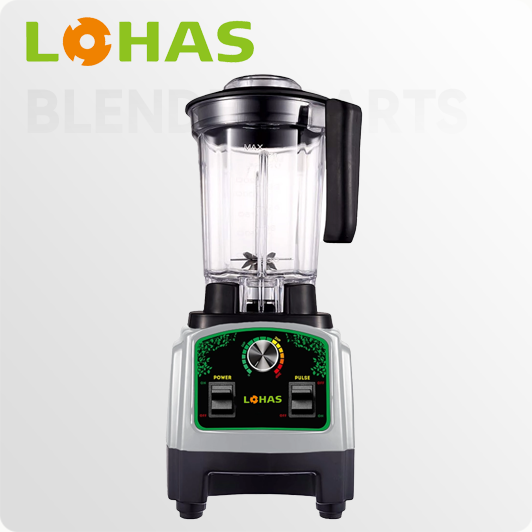
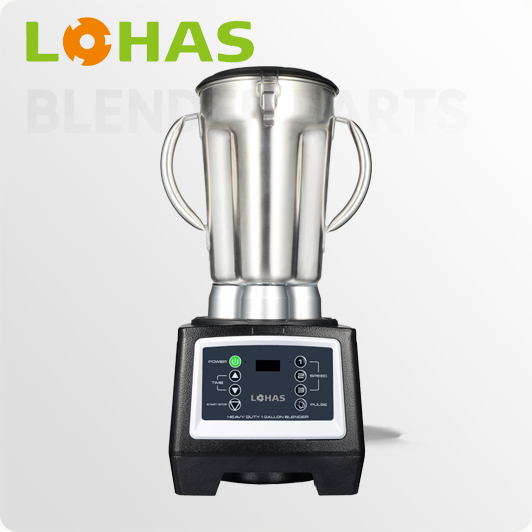
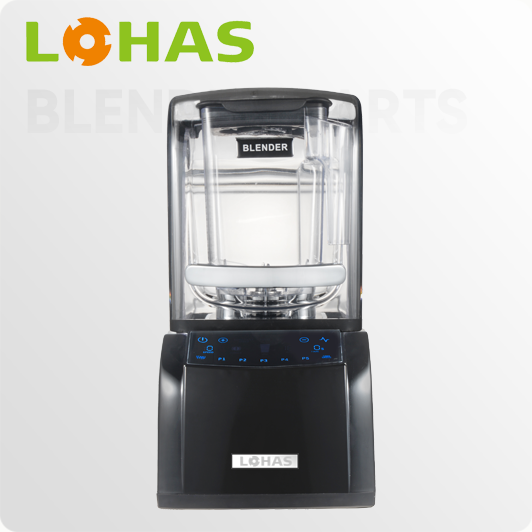

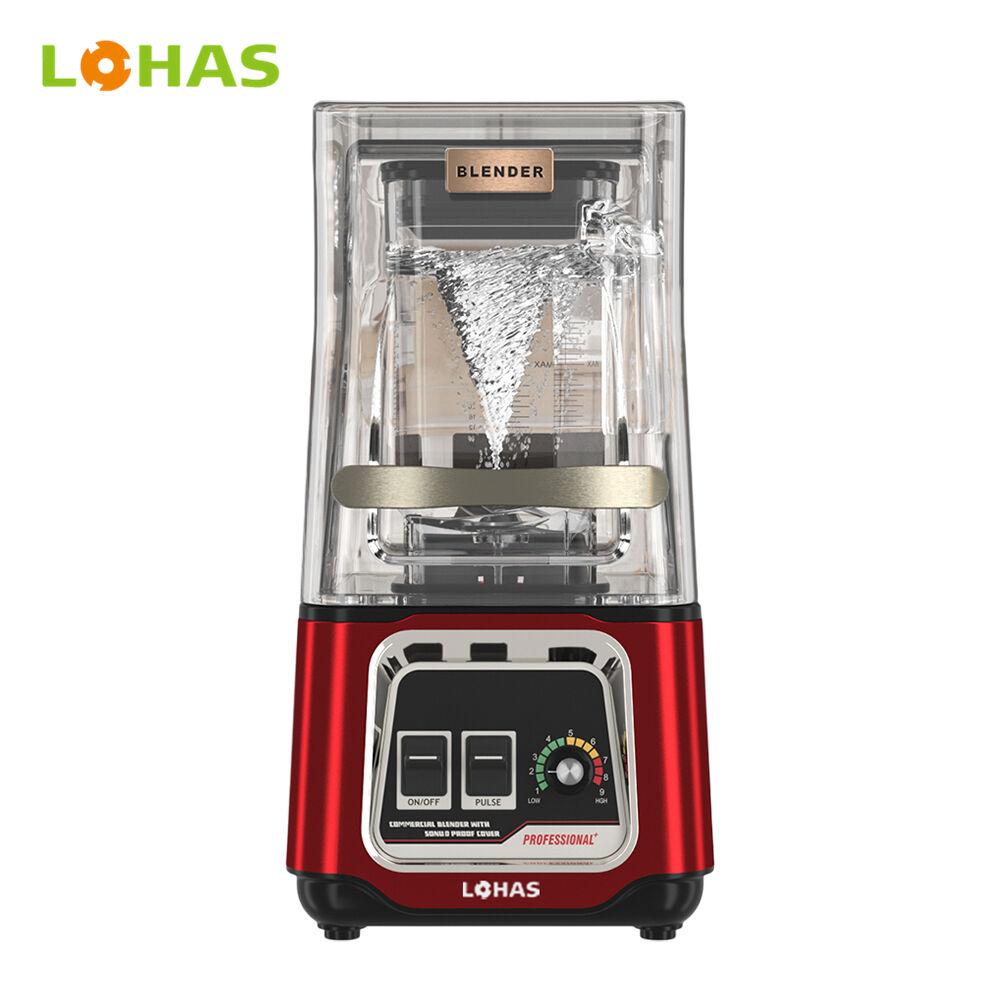
Professionella kök och kommersiella verksamheter är starkt beroende av effektiv utrustning för att upprätthålla produktivitet och kvalitetsstandarder. Bland de mest avgörande apparaterna är en kommersiell blender utgör ryggraden för otaliga livsmedelsverksamheter, från smoothiebarer till restaurangens förberedelsekök. Att förstå de faktorer som påverkar blenderns prestanda kan göra skillnaden mellan smidiga driftsförlopp och kostsamma fördröjningar. Konsekvensen och hastigheten i blandningsprocesserna påverkar direkt kundnöjdheten, driftseffektiviteten och slutligen bottenraden för varje livsmedelsverksamhet.
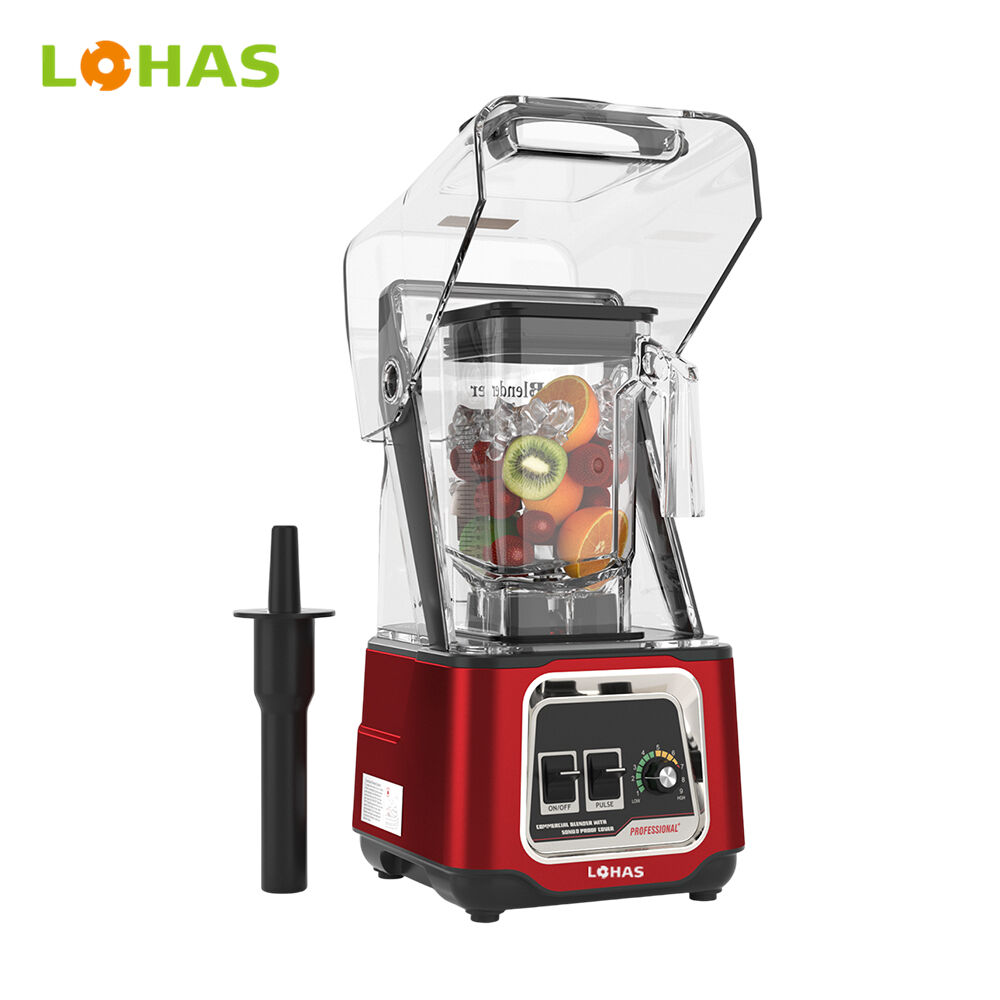
Modern kommersiell blender-teknik har utvecklats avsevärt under det senaste decenniet och inkluderar avancerade ingenjörsprinciper som förbättrar både prestandamått. Hastighetskapaciteten sträcker sig nu längre än enkla RPM-mätningar och omfattar även vridmomentstyrning, bladoptimering och motorers effektivitetsbetyg. Dessa tekniska förbättringar översätts direkt till förbättrad konsekvens i produktkvaliteten, kortare bearbetningstider och ökad hållbarhet vid kontinuerlig kommersiell användning.
Motoreffekt och vridmomentsspecifikationer
Förstå kraven på hästkraft
Motorn utgör hjärtat i alla kommersiella mixersystem och avgör den maximala bearbetningskapaciteten samt driftens tillförlitlighet. Professionella enheter har vanligtvis motorer med effekt mellan 2 och 5 hästkraft, där högre effektklasser möjliggör mer krävande applikationer, såsom krossning av is, bearbetning av frysta frukter och framställning av slät nötsmör. Sambandet mellan hästkraft och faktisk mixningsprestanda innebär komplexa interaktioner med vridmomentkurvor, växelförhållanden och termiska hanteringssystem.
Endast toppvärden för hästkraft garanterar inte överlägsen prestanda, eftersom en konstant effektleverans under belastade förhållanden är avgörande för kommersiella applikationer. Variabla hastighetsregleringar gör att operatörer kan optimera efforförbrukningen samtidigt som de upprätthåller konsekventa resultat vid olika ingrediensarter och mängder.
Vridmomentstyrningssystem
Vridmomentegenskaper påverkar i hög grad hur effektivt en kommersiell mixer hanterar varierande ingrediensdensiteter och volymer. Motorer med högt vridmoment är särskilt lämpliga för bearbetning av tjocka blandningar, frysta ingredienser och fibriga material, vilka skulle överbelasta enheter med lägre effekt. Formen på vridmomentkurvan avgör accelerationskarakteristiken, där bredare vridmomentband ger mer konsekvent prestanda över olika hastighetsområden.
Moderna kommersiella mixers med avancerad design inkluderar ofta intelligenta vridmomentkänningssystem som automatiskt justerar effektleveransen baserat på belastningsförhållanden. Dessa system förhindrar motorstopp samtidigt som de optimerar bearbetningseffektiviteten, vilket resulterar i mer konsekventa texturresultat och kortare bearbetningstider. Att förstå vridmomentspecifikationer hjälper operatörer att välja utrustning som matchar deras specifika applikationskrav och förväntade arbetsbelastningskarakteristik.
Påverkan av bladsdesign och konfiguration
Optimering av bladgeometri
Bladkonfigurationen utgör en av de mest kritiska faktorerna som påverkar prestandan och resultatkonsekvensen hos kommersiella mixers. Vinkeln, formen och placeringen av skärande element bestämmer strömningsmönstren för vätskan i behållaren och påverkar direkt blandningseffektiviteten samt partikelstorleksminskningen. Avancerade bladdesigner inkluderar flera skärvinklar och varierande höjder för att skapa komplexa virvelmönster som säkerställer grundlig ingrediensinkorporering.
Professionella bladsystem har ofta en hårdad rostfritt stålkonstruktion med precisionsslipade skärande kanter som behåller sin skärpa vid kontinuerlig kommersiell användning. Antalet blad och deras relativa placering påverkar både bearbetningshastigheten och den slutliga texturkvaliteten, där fyra-blads-konfigurationer ger optimal balans för de flesta kommersiella applikationer. Utbytesintervall för blad och underhållskrav bör beaktas vid utrustningsval för högvolymsdrift.
Behållardynamik och flödesmönster
Interaktionen mellan knivdesign och behållargeometri skapar specifika flödesmönster som avgör blandningseffektiviteten och bearbetningskonsekvensen. Välutformade kommersiella mixarbehållare har interna konturer som främjar nedåtriktat ingrediensflöde samtidigt som de förhindrar luftinblandning och heta zoner. Behållarens form påverkar virvelbildningen, där koniska designerna i allmänhet ger bättre blandningsverkan jämfört med räta väggar.
Ljudkapsling och vibrationsdämpningssystem i professionella enheter hjälper till att bibehålla konsekvent prestanda samtidigt som bullerutvecklingen minskas i kommersiella miljöer. Optimering av behållarkapacitet innebär att balansera maximal genomströmning mot konsekvent bearbetningskvalitet, eftersom överfyllnad kan drastiskt minska blandningseffektiviteten och öka bearbetningstiderna. Rätt val av behållare säkerställer optimal prestanda inom det avsedda driftområdet.
Hastighetskontroll och variabla inställningar
Elektronisk varvtalsstyrning
Precisa hastighetskontrollfunktioner gör det möjligt for operatörer att optimera processparametrar för specifika ingredienser och önskade resultat. Elektroniska hastighetsregulatorer i kommersiella mixersystem ger finjusterade inställningsområden som kan hantera både delikata operationer och högintensiva bearbetningsuppgifter. Variabel hastighetsfunktion gör det möjligt att gradvis öka hastigheten, vilket förhindrar att ingredienser spruts ut samtidigt som grundlig blandning säkerställs under hela bearbetningscykeln.
Digitala hastighetsindikatorer och programmerbara inställningar förbättrar driftens konsekvens genom att eliminera gissningar och möjliggöra återkommande resultat mellan olika operatörer och skift. Pulsfunktionen ger ytterligare kontroll för applikationer som kräver diskontinuerlig bearbetning, till exempel hackning av grönsaker eller framställning av grova texturer. Avancerade enheter kan omfatta automatisk hastighetsökningsfunktion och tidsbestämda cykler som optimerar bearbetningseffektiviteten utan att påverka produktens kvalitetsstandarder.
Förprogrammerade cykelalternativ
Många kommersiella mixermodeller inkluderar idag förprogrammerade cykler som är utformade för specifika applikationer, till exempel smoothies, soppor eller ismalning. Dessa automatiserade program optimerar hastighetssekvenser, bearbetningstid och effektleveransmönster för att uppnå konsekventa resultat samtidigt som kraven på operatörens utbildning minimeras. Programmerbara minnesfunktioner gör det möjligt att anpassa cykelparametrar så att de stämmer överens med specifika recept och kvalitetskrav.
Tillgängligheten av flera programplatser gör det möjligt för anläggningar att lagra olika bearbetningsprofiler för olika menyartiklar eller produktionskrav. Cykelkonsekvens blir särskilt viktig i högvolymsdrift där produktens enhetlighet direkt påverkar kundnöjdheten och den operativa effektiviteten. Regelbunden kalibrering och programoptimering hjälper till att bibehålla prestandakraven över tid, samtidigt som man kan anpassa sig efter ändringar i ingrediensspecifikationer eller kvalitetskrav.
Förberedelse och lastningstekniker för ingredienser
Optimal ingredienssekvensering
Den ordning i vilken ingredienser läggs in i kommersiell blender behållaren påverkar kraftigt bearbetningseffektiviteten och slutproduktens konsekvens. Vätskeingredienser bör vanligtvis tillsättas först för att underlätta korrekt virvelbildning och förhindra luftfickor som kan minska blandningseffekten. Frysta eller hårda ingredienser får bättre resultat om de introduceras gradvis under blandningsprocessen snarare än att läggas i från början tillsammans med mjukare komponenter.
Temperaturöverväganden påverkar ingrediernas beteende under bearbetningen, där extremt kalla produkter potentiellt kan orsaka knivblockering eller motorbelastning om de inte hanteras på rätt sätt. Att förskära större ingredienser säkerställer en mer enhetlig bearbetning och minskar risken för ofullständig blandning eller ojämna texturer. Att förstå hur ingredienser interagerar hjälper operatörer att utveckla standardiserade rutiner som maximerar utrustningens prestanda samtidigt som produktkvaliteten bibehålls.
Volymhantering och batchstorlek
Rätt batchstorlek är en avgörande faktor för att uppnå konsekvent prestanda hos kommersiella mixers vid olika produktionsvolymer. Om behållare fylls för lite kan det leda till dålig blandverkan och ojämn bearbetning, medan för mycket innehåll kan orsaka spill, minskad effektivitet och inkonsekventa resultat. De flesta kommersiella enheterna fungerar optimalt när de fylls mellan 25 % och 75 % av den totala behållarkapaciteten, beroende på ingrediensernas typ och bearbetningskraven.
Strategier för uppdelning av större produktionsomgångar i mindre batchar hjälper till att bibehålla konsekvent kvalitet samtidigt som genomströmnings-effektiviteten maximeras. Sekventiell bearbetning av liknande batchstorlekar säkerställer förutsägbara bearbetningstider och enhetliga resultat som uppfyller kvalitetskraven. Att förstå kapacitetsbegränsningarna och de optimala lastningsmönstren gör att operatörer kan planera produktionsplaner som maximerar utnyttjandet av utrustningen utan att påverka produktens konsekvens.
Underhåll och prestandaoptimering
Regelbundet Rensning och Desinfektion
Konsekventa rengöringsprotokoll påverkar direkt prestandan hos kommersiella mixers genom att förhindra uppkomst av ingrediensavlagringar som kan påverka knivarnas effektivitet och motorns funktion. Ansamling av rester på knivar och behållarytor skapar oregelbundna flödesmönster som minskar blandningseffekten och kan orsaka korskontaminering mellan olika batchar. Rätt rengöringsförfaranden innebär demontering av utbytbara komponenter samt grundlig desinficering i enlighet med livsmedels säkerhetsregler.
Frekvensen av djuprengöringscykler bör anpassas efter användningsintensiteten och de ingredienser som bearbetas. Syrliga ingredienser kan kräva mer frekvent uppmärksamhet för att förhindra korrosion, medan klibbiga eller fettrika produkter kräver specialiserade rengöringsmedel för att säkerställa fullständig borttagning. Att införa standardiserade rengöringsscheman hjälper till att bibehålla optimal prestanda samtidigt som utrustningens livslängd förlängs och efterlevnaden av livsmedelssäkerhetskraven säkerställs.
Skärnings- och ersättning av blad
Bladets skick påverkar kraftigt bearbetningseffektiviteten och produktkvaliteten i kommersiella blenderdrift. Blunt blad kräver längre bearbetningstider, genererar överdriven värme och kan ge inkonsekventa strukturer som inte uppfyller kvalitetskraven. Regelbunden inspektion av bladen hjälper till att identifiera slitage mönster och prestandaförsvagning innan de påverkar produktionseffektiviteten eller produktkvaliteten.
Professionella bladslipningstjänster eller utbytesplaner bör integreras i underhållsprogram för att säkerställa konsekvent prestanda. Kostnaden för bladunderhåll utgör en minimal investering jämfört med potentiella förluster på grund av minskad effektivitet eller kvalitetsproblem med produkten. Att hålla skärkanterna skarpa säkerställer optimal effektoverföring, minskar motorbelastningen och ger konsekvent bättre resultat i alla bearbetningsapplikationer.
Miljöfaktorer som påverkar prestanda
Temperatur- och fuktighetsöverväganden
Köksmiljöns förhållanden påverkar i betydande utsträckning prestandan och driftens konsekvens hos kommersiella mixers. Höga omgivningstemperaturer kan påverka motorns kyleffektivitet, vilket potentiellt kan leda till att termiskt skydd aktiveras och prestandan minskar under perioder med hög belastning. Luftfuktighetsnivåer påverkar ingrediensernas beteende och kan kräva justeringar av bearbetningsparametrar för att upprätthålla konsekventa resultat.
Rätt ventilation runt installationer av kommersiella mixers hjälper till att bibehålla optimala driftstemperaturer samtidigt som bullerspridning till kundområden minskas. Klimatanläggningar och luftkonditioneringssystem bör ta hänsyn till värmeutvecklingen från högeffektsmixerutrustning, särskilt i anläggningar där flera enheter drivs samtidigt. Miljöövervakning hjälper till att identifiera förhållanden som kan kräva driftjusteringar eller utrustningsmodifikationer.
Stabilitet i strömförsörjning
Kvaliteten på el-försörjningen påverkar direkt motorprestandan och driftens tillförlitlighet för kommersiella mixerapparater. Spänningsfluktuationer kan orsaka varierande rotationshastighet, minskad vridmomentutmatning och potentiell motorskada med tiden. Strömförstärkningssystem eller dedicerade elkretsar kan vara nödvändiga i anläggningar med flera hög-effektapparater eller instabila elnät.
Att förstå de elektriska kraven hjälper till att säkerställa korrekt installation och optimal prestanda för kommersiella mixerapparater. Tre-fas-elanslutningar ger vanligtvis mer stabil drift och bättre verkningsgrad jämfört med enfasalternativ för hög-effektenheter. Regelbunden underhåll och övervakning av det elektriska systemet hjälper till att förebygga prestandaproblem, förlänga utrustningens livslängd och säkerställa säker drift.
Vanliga frågor
Hur ofta bör bladen på en kommersiell mixer bytas ut
Utväxlingsfrekvensen för blad i kommersiella mixer är beroende av användningsintensiteten och vilka ingredienser som bearbetas. Vid högvolymverksamhet där slipande ingredienser som is eller frysta frukter bearbetas kan bladen behöva bytas ut vart 6–12 månad, medan verksamheter med måttlig användning kan förlänga utväxlingsintervallen till 12–18 månader. Regelbunden prestandaövervakning och inspektion av bladen hjälper till att fastställa den optimala utväxlingstiden innan effektivitetsförsämring påverkar produktkvaliteten.
Vilka faktorer avgör den optimala storleken på en kommersiell mixer för en anläggning
Att välja rätt kapacitet för en kommersiell mixer innebär att analysera kraven under toppproduktion, tillgänglig arbetsytans yta samt vanliga batchstorlekar. Anläggningar bör ta hänsyn till maximalt timkrav för genomströmning, möjligheter för förvaring av ingredienser samt personalens arbetsflödesmönster. En korrekt dimensionerad mixer hanterar toppbelastningen effektivt samtidigt som den passar in i befintliga kökslayouter och operativa rutiner.
Hur påverkar höjd över havet motorns prestanda i kommersiella mixer
Platser på hög höjd har en lägre luftdensitet, vilket påverkar motorns kyleffektivitet och kan kräva att kommersiella mixers prestandaspecifikationer minskas. Motorerna kan bli varmare och kräva mer frekventa underhållsintervall vid höjder över 914 meter (3 000 fot). Konsultera tillverkarens riktlinjer för att fastställa lämpliga driftanpassningar och underhållsscheman för installationer på hög höjd.
Vilken underhållsplan säkerställer optimal livslängd för kommersiell mixer
Ett omfattande underhåll av kommersiell mixer inkluderar daglig rengöring och desinficering, veckovisa djuprengöringscykler, månatlig inspektion av bladen samt kvartalsvisa kontroller av motorn. Årlig professionell service bör inkludera provning av elsystemet, smörjning av lager och en fullständig prestandaundersökning. Att följa tillverkarens underhållsrekommendationer och dokumentera servicehistoriken bidrar till att maximera utrustningens livslängd och bibehålla optimala prestandakrav.