 EN
EN



Att välja rätt professionell mixer för kommersiellt bruk eller användning i hem med hög belastning kräver noggrann övervägning av flera faktorer som direkt påverkar prestanda, hållbarhet och driftseffektivitet. Oavsett om du utrustar ett restaurangkök, smoothiebar eller ska tillreda stora portioner hemma, så kommer förståelse för de viktigaste specifikationerna och funktionerna att säkerställa att din investering ger konsekventa resultat under många år framöver. Marknaden erbjuder många olika alternativ med varierande effektnivåer, behållarmaterial och knivkonfigurationer, vilket gör informerad beslutsfattande avgörande för att uppnå optimal mixningsprestanda.
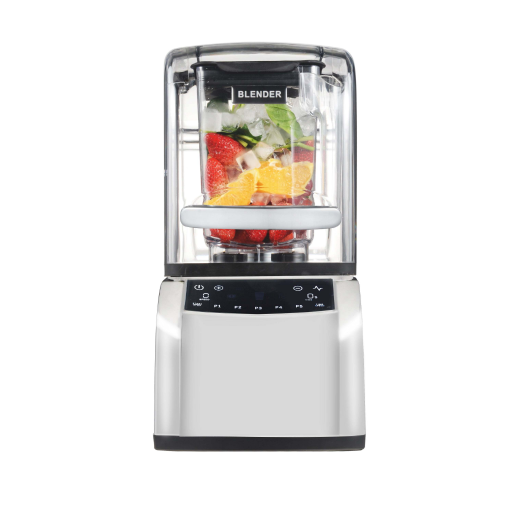
Överväganden kring effekt och motorprestanda
Motoreffekt i watt och hästkraftsbehov
Motorn utgör hjärtat i varje professionell mixer, och effektklassningar ligger vanligtvis mellan 1 200 och 3 000 watt i kommersiella enheter. Högereffekt garanterar inte automatiskt bättre prestanda, men indikerar oftast maskinens förmåga att hantera hårda ingredienser som is, frysta frukter och fibrösa grönsaker utan ansträngning. De flesta professionella tillämpningar kräver minst 1 500 watt för att bibehålla konstanta hastigheter under belastning, medan verksamheter som bearbetar stora volymer eller särskilt tät konsistens drar nytta av motorer som överstiger 2 000 watt.
Maxhastighetsvärden kan vara missvisande, eftersom tillverkare ofta annonserar maximal effekt snarare än varaktig driftkapacitet. Leta efter kontinuerliga belastningsklassningar och termiska skyddsfunktioner som förhindrar överhettning vid längre användning. Kvalitetsmotorer har kraftfulla kylsystem och robusta inre komponenter som är utformade för att tåla den repetitiva belastningen i kommersiella miljöer. Dessutom bör du ta hänsyn till motorns brusnivå, eftersom professionella kök ofta kräver utrustning som minimerar störningar i kundområden.
Hastighetskontroll och variabla inställningar
Professionella mixerborstar bör erbjuda exakt hastighetskontroll för att hantera olika mixuppgifter, från försiktig blandning till höghastighetsmaldning. Variabla hastighetsreglage ger större flexibilitet än förinställda program, vilket tillåter operatörer att justera mixintensiteten beroende på ingrediensernas konsistens och önskad struktur. Många kommersiella enheter har hastighetsområden från 10 000 till 40 000 varv per minut, vilket ger användaren full kontroll över mixprocessen.
Pulsfunktion är avgörande för att uppnå specifika texturer och förhindra överförädling, särskilt vid tillredning av grova salsor, nötfördelningar eller texturerade smoothies. Avancerade modeller har programmerbara cykler som automatiskt justerar hastighet och varaktighet för konsekventa resultat mellan flera omgångar. Vissa enheter har även möjlighet till omvänd rotation för att lösgöra fastnade ingredienser och förbättra den totala mixeffektiviteten.
Design av behållare och bladkonfiguration
Material och konstruktion av behållare
Professionella mixerbehållare måste tåla upprepade stötar från höghastighetsblad samtidigt som de bibehåller strukturell integritet vid extrema temperaturer. Tritan-kopolyester och polycarbonat är de mest slitstarka plastalternativen och erbjuder utmärkt klarhet, kemikaliebeständighet och krossbeständighet jämfört med vanlig akryl. Dessa material motverkar dimmighet orsakad av sura ingredienser och behåller sitt utseende även efter tusentals cykler.
Behållarkapaciteten bör anpassas till vanliga batchstorlekar, med alternativ från 32 uns för individuella portioner till 128 uns för stora kommersiella tillämpningar. Behållarens form påverkar mixningseffektiviteten avsevärt, där fyrkantiga design rör upp mer turbulens och ger bättre cirkulation av ingredienser jämfört med runda behållare. Sök efter behållare med mätmarkeringar, hälluttag och ergonomiska handtag som underlättar säker hantering och exakt portionering.
Bladdesign och utbytesalternativ
Bladkonfiguration påverkar direkt blandningsprestanda, där de flesta system använder hårdade rostfria stålkonstruktioner utformade för specifika applikationer. professionell blender flernivåiga bladkonfigurationer skapar olika skärzoner inom behållaren, vilket säkerställer grundlig bearbetning av ingredienser på olika djup. Bladkonstruktionen bör vara avtagbar för grundlig rengöring och eventuell ersättning när skärkanterna blir trubbiga vid långvarig användning.
Ta hänsyn till tillgänglighet och kostnad för reservblad vid utvärdering av olika modeller, eftersom vissa tillverkare använder proprietära design som begränsar källalternativ. Kvalitetsrika bladkonstruktioner innefattar tätningsförslutna lagringar och korrosionsbeständiga material för att förhindra förorening och förlänga livslängden. Kopplingsmekanismen för bladen bör passa ordentligt med motordriften samtidigt som den möjliggör enkel demontering vid underhållsprocedurer.
Hållbarhet och byggnadsqualitet
Basuppbyggnad och stabilitetsegenskaper
Blenderns fot innehåller kritiska komponenter såsom motorn, styrsystem och drivmekanism, vilket gör en robust konstruktion nödvändig för långsiktig pålitlighet. Tryckgjutna metallfötter ger överlägsen stabilitet och minskad vibrationsöverföring jämfört med plasthöljen, vilket minskar bullernivån och förhindrar att apparaten förflyttar sig under drift. Tunga fön bidrar också till jämnare drift genom att säkerställa konstant kontakt mellan behållaren och drivkopplingen.
Antislirfötter och ljudkapslingar förbättrar säkerheten vid användning och minskar ljudöverföring till omgivande ytor. Kommersiella enheter har ofta kylventiler och termiska skyddssystem som automatiskt stänger av motorn om temperaturen överskrider säkra driftgränser. Kontrollpanelen bör ha tätningsförsedda brytare och display som tål fukt och rengöringsmedel som vanligtvis används i professionella kök.
Garantitäckning och servicestöd
Professionella mixerers garanti omfattar vanligtvis en till sju år, där längre täckningsperioder indikerar tillverkarens förtroende för konstruktionens kvalitet och pålitlighet. Omfattande garantier bör täcka motorbyte, reservdelsförsörjning och arbetskostnader för auktoriserade reparationer. Vissa tillverkare erbjuder förlängda garantioptioner specifikt utformade för kommersiella applikationer där utrustningen används flera timmar per dag.
Tillgången till service nätverk blir avgörande för företag som inte kan tillåta långvariga avbrott, vilket gör lokala auktoriserade reparationseinrättningar till en viktig faktor. Krav på förebyggande underhåll, tillgänglighet av reservdelar och kvaliteten på teknisk support kan i stor utsträckning påverka den totala ägandekostnaden under utrustningens livstid. Utvärdera tillverkarens rykte när det gäller att uppfylla garantianspråk och leverera reservdelar i tid när det behövs.
Säkerhetsfunktioner och driftkontroller
Interlocksystem och säkerhetsmekanismer
Professionella mixer måste innehålla flera säkerhetssystem för att skydda operatörer och förhindra skador på utrustningen under normal användning. Behållaridentifieringssystem ser till att motorn inte kan aktiveras om mixerkärlet inte är korrekt placerat och säkrat till basen. Dessa interlock-system förhindrar oavsiktlig igångsättning och skyddar drivkopplingen från skador som kan uppstå om behållaren lossnar under drift.
Lockdetekteringssystem förhindrar drift när behållarlocket är borttaget eller felplacerat, vilket skyddar användaren från kontakt med kniven och förhindrar spill av ingredienser. Nödstoppkontroller bör vara lättåtkomliga och omedelbart stoppa all motorverksamhet vid aktivering. Vissa enheter har automatiska avstängningstidtagare som förhindrar kontinuerlig drift bortom säkra gränser, vilket skyddar både motorn och ingredienserna från överbearbetning.
Ergonomisk design och användargränssnitt
Placering av kontroller och gränssnittsdesign påverkar i stor utsträckning operatörens effektivitet och säkerhet under intensiva servicetider. Intuitiva kontrollupplägg minskar träningsperioden och minimerar driftfel som kan påverka produktkvaliteten eller utrustningens livslängd. Stora, tydligt märkta kontroller förblir synliga och tillgängliga även vid dåligt ljus eller när operatörer bär handskar.
Ljudisolerande inkapslingssystem minskar inte bara bullernivåerna utan ger också ytterligare säkerhetsbarriärer mellan operatörer och rörliga komponenter. Vissa modeller har genomskinliga inkapslingar som gör det möjligt att övervaka blandningsprocessen visuellt samtidigt som ljudreduceringen bevaras. Tänk på den totala höjden och golvytan så att enheten får plats bekvämt inom det tillgängliga arbetsutrymmet med tillräckligt med ledighet för behållarbyte och rengöring.
Underhållskrav och rengöringsförfaranden
Dagliga rengörings- och desinficeringsprotokoll
Underhåll av professionella mixrar börjar med korrekta dagliga rengöringsförfaranden som förhindrar bakterietillväxt och upprätthåller livsmedelssäkerhetsstandarder. De flesta kommersiella enheter tillåter fullständig montering av ytor i kontakt med mat, vilket möjliggör grundlig rengöring av behållare, lock och bladkonstruktioner. Möjligheten att separera dessa komponenter förenklar desinficeringsprocesser som krävs i kommersiella livsmedelstjänster.
Självrengörande funktioner kan avsevärt minska arbetsinsatsen, där många professionella modeller har automatiska rengöringscykler som använder diskmedel för att ta bort rester från inre ytor. Manuell demontering och rengöring är dock nödvändig för fullständig desinficering, särskilt vid byte mellan olika ingredienser eller recept innehållande allergener. Välj enheter med släta ytor och minimala sprickor som kan bärga bakterier eller matrester.
Långsiktig underhåll och utbyte av komponenter
Regelbundna underhållsscheman bidrar till att säkerställa konsekvent prestanda och förlänga utrustningens livslängd bortom garantiperioderna. Professionella mixerkravar periodisk kontroll av drivkopplingar, bladkonstruktioner och behållartätningar för att identifiera slitage innan komponenter helt går sönder. Genom att etablera underhållssamarbeten med auktoriserade serviceleverantörer kan man få tillgång till original reservdelar och teknisk expertis.
Byte av motorborstar, smörjning av lagringar och kontroll av elektriska anslutningar bör utföras enligt tillverkarens rekommendationer för att förhindra oväntade driftstopp. Dokumentera alla underhållsåtgärder och byte av komponenter för att följa utrustningens prestanda och identifiera mönster som kan indikera designfel eller driftrelaterade problem. Korrekta underhållsprotokoll stödjer även garantianspråk och hjälper till att fastställa realistiska tidsramar för utbytesperioder.
Kostnadsanalys och avkastning på investering
Överväganden kring ursprungligt inköpspris
Priset på professionella mixer varierar kraftigt beroende på effekt, konstruktionskvalitet och medföljande funktioner, där kommersiella basmodeller startar runt 300 USD och toppmodeller kan överstiga 1 500 USD. Även om anskaffningskostnaden är en viktig faktor kan fokus enbart på inköpspriset leda till högre långsiktiga kostnader genom ökad underhållskostnad, kortare livslängd och reducerad produktivitet.
Jämför den totala ägandekostnaden inklusive garantitäckning, förväntad livslängd och driftseffektivitet när du utvärderar olika modeller. Dyrare enheter med bättre konstruktion och längre garantiperiod ger ofta bättre värde över sin livstid, särskilt i kommersiella tillämpningar med hög belastning. Överväg finansieringsalternativ och leasingprogram som kan göra toppmodeller mer tillgängliga samtidigt som kapital sparas för andra affärsbehov.
Driftseffektivitet och produktivitetspåverkan
Professionell mixerprestanda påverkar direkt arbetskostnader och servicetakt i kommersiella miljöer, vilket gör prestandaegenskaper avgörande för lönsamhetsanalys. Snabbare mixningscykler minskar kundväntetider och ökar kapaciteten under toppperioder. Konsekventa resultat minskar även slöseri med misslyckade omgångar och reducerar behovet av operatörsingripanden under mixningscykler.
Energiförbrukningen varierar mellan olika modeller, där mer effektiva motorer minskar elkostnaderna under utrustningens livslängd. Vissa professionella mixerapparater har effekthanteringsfunktioner som optimerar energiförbrukningen baserat på belastningskrav och mixningstid. Beräkna potentiella besparingar från minskade arbetskostnader, reducerat svinn och förbättrad kundnöjdhet vid motivering av investeringar i högre kvalitet utrustning.
Vanliga frågor
Hur mycket effekt behöver jag egentligen i en professionell mixer
Effektkravet beror på dina specifika tillämpningar och volymbehov. För grundläggande tillredning av smoothies och shakes ger 1 200–1 500 watt tillräcklig prestanda, medan verksamheter som bearbetar is, frysta ingredienser eller nötförädlade smör drar nytta av motorer på 2 000+ watt. Ta hänsyn till både topp effekt och kontinuerlig driftkapacitet när du utvärderar olika modeller.
Vilket behållarmaterial fungerar bäst för kommersiella tillämpningar
Behållare i Tritan-kopolyester och polycarbonat erbjuder den bästa kombinationen av hållbarhet, klarhet och kemikaliebeständighet för professionellt bruk. Dessa material motstå sprickbildning, bibehåller genomskinlighet över tid och tål upprepade exponeringar för sura ingredienser och kommersiella rengöringsmedel. Undvik enkla akrylbehållare vid högvolymtillämpningar.
Hur ofta bör komponenter till professionella mixerersättas
Bladmonteringar måste vanligtvis bytas ut var 12–18 månad i kommersiella miljöer, medan behållare kan hålla 2–3 år beroende på användningsmönster och rengöringsförfaranden. Motorkomponenter ger normalt 5–10 års drifttid med ordentlig underhållning, även om verksamheter med hög belastning kan uppleva kortare livslängd. Inför regelbundna kontrollschema för att identifiera slitage innan haverier uppstår.
Är programmerbara inställningar värt den extra kostnaden
Programmerbara inställningar ger värde i kommersiella miljöer där konsekvens och operatörsutbildning är prioriterade. Förinställda program minskar variationer mellan olika operatörer och säkerställer konsekventa resultat över flera omgångar. Verksamheter som kräver flexibilitet eller anpassade recept kan dock dra större nytta av variabla hastighetsregleringar och manuella driftsfunktioner.