 EN
EN


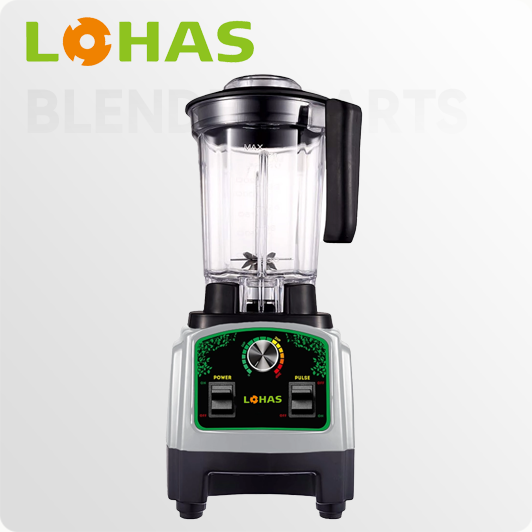
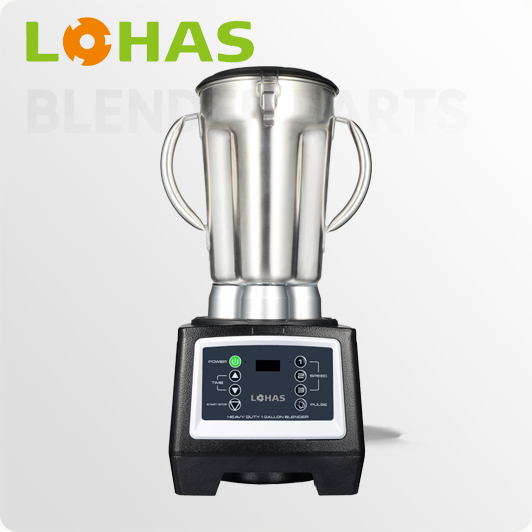
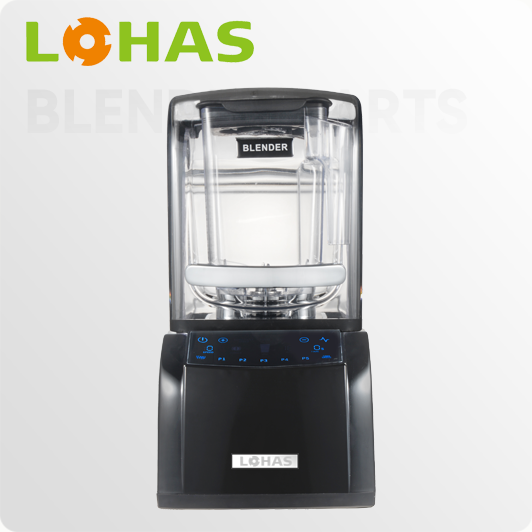

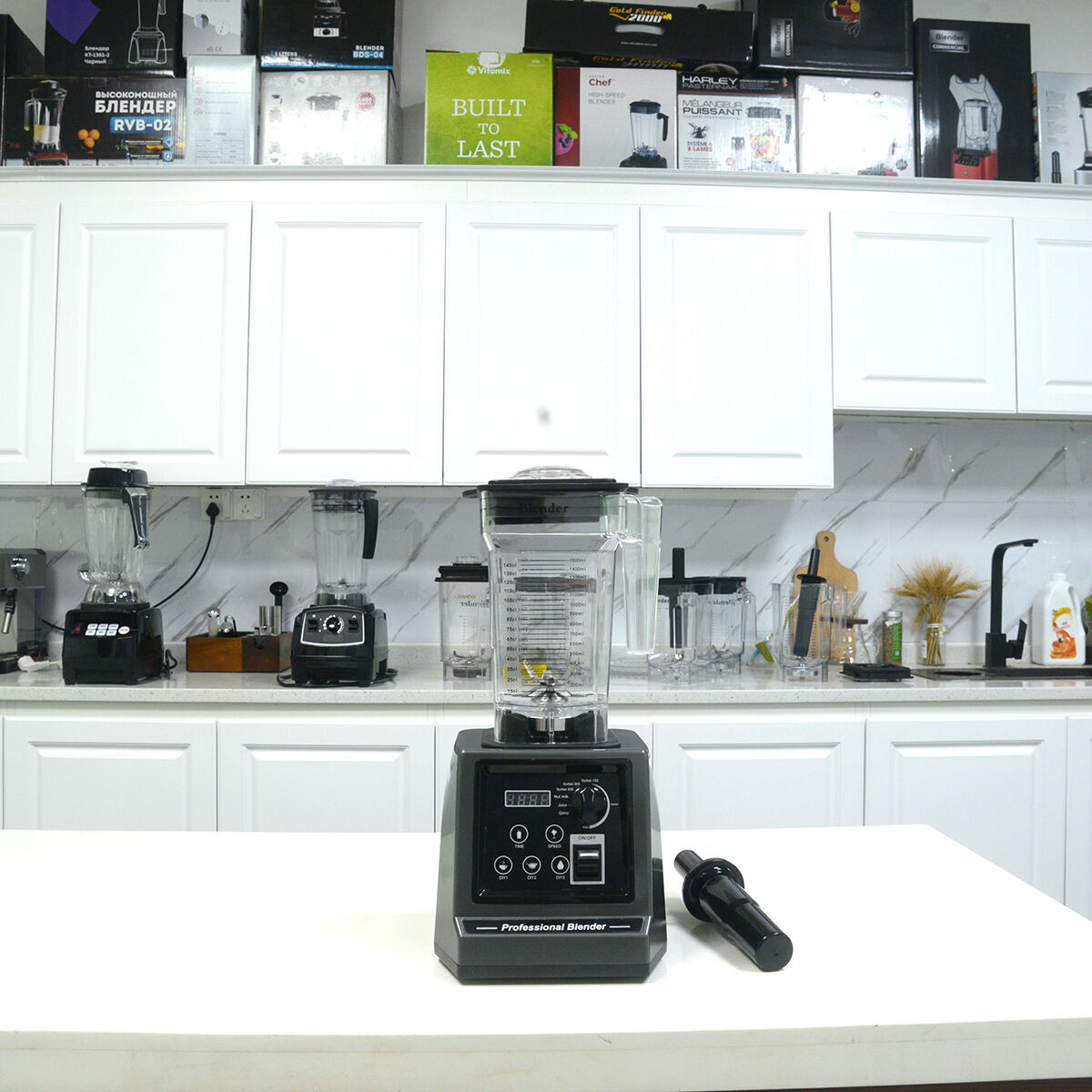
Ang mga komersyal na kusina at mga pasilidad sa pagproseso ng pagkain ay nangangailangan ng kagamitan na kayang tumagal sa mahigpit na patuloy na operasyon habang pinapanatili ang pare-parehong antas ng pagganap. Ang isang malakas na blender ay kumakatawan sa isang mahalagang investisyon para sa mga negosyo na nangangailangan ng maaasahang kakayahan sa paghahanda ng pagkain sa buong mahabang panahon ng operasyon. Ang mga makapangyarihang makinaryang ito ay dapat magpakita ng napakadakilang tibay, pare-parehong kalidad ng output, at pinakamababang downtime upang suportahan ang mapagkikitaan na komersyal na operasyon.
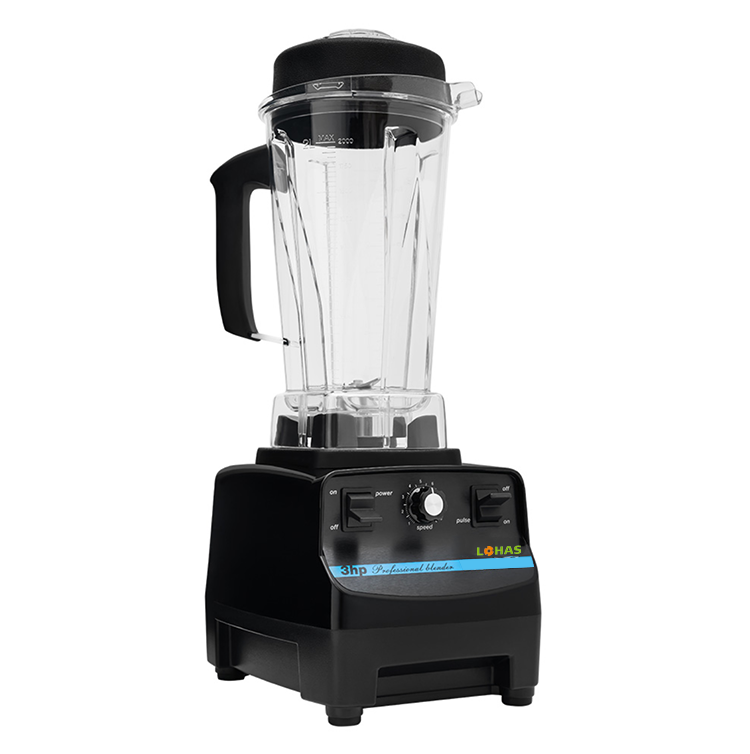
Ang pag-unawa sa mga senaryo ng patuloy na paggamit ay naging mahalaga kapag pinipili ang angkop na kagamitan para sa paghalo sa mga propesyonal na kapaligiran. Ang mga restawran na may sanga, mga bar na nagbebenta ng smoothie, mga pasilidad sa paggawa ng juice, at mga kusina ng mga institusyon ay lahat ay nangangailangan ng matatag na kagamitan para sa paghalo na kayang tumagal ng maraming siklo ng paghahanda nang hindi nawawala ang kanilang pagganap o katiyakan. Ang pagkakaiba sa pagitan ng kagamitang pangkonsumo at pangkomersyo ay lalo pang napapansin sa panahon ng mahabang operasyon kung saan ang pagkabigo ng kagamitan ay maaaring magdulot ng malaking pagkawala sa kita.
Pagganap ng Motor Sa Mahabang Panahon ng Paggana
Rating ng Kapangyarihan at Pamamahala ng Init
Ang sistema ng motor ang kumakatawan sa puso ng anumang heavy duty blender, na tumutukoy sa parehong kakayahan sa agarang pagganap at pangmatagalang tibay sa ilalim ng patuloy na operasyon. Ang mga high-performance motor ay karaniwang may power rating na nasa pagitan ng 1500 hanggang 3500 watts, na nagbibigay ng sapat na torque upang prosesuhin nang pare-pareho ang malalapad na sangkap. Ang mga advanced thermal management system ay nakakaiwas sa sobrang init habang ginagamit nang matagal, na kasama ang mga cooling fan, heat sink, at thermal protection circuit na awtomatikong nagpapatakbo ng operating temperature.
Ang mga motor na antas propesyonal ay gumagamit ng espesyal na windings at bearings na idinisenyo upang tiisin ang patuloy na mga cycle ng operasyon. Ang mga komponenteng ito ay may mga nabubuti na materyales na tumututol sa pagkasira at nananatiling epektibo kahit pagkatapos ng libu-libong oras ng operasyon. Ang konstruksyon ng motor housing ay may mahalagang papel din, kung saan ang cast aluminum at steel na mga bahagi ay nagbibigay ng mas mahusay na heat dissipation kumpara sa mga plastik na alternatibo na karaniwang ginagamit sa mga consumer model.
Mga Katangian ng Torque at Kontrol ng Bilis
Ang pare-parehong pagpapadala ng torque ay naging mahalaga kapag pinoproseso ang mga sangkap na may magkakaibang densidad sa buong panahon ng patuloy na operasyon. Ang isang mabuti ang disenyo na pang-industriya na blender ay nagpapanatili ng matatag na output ng torque anuman ang pagbabago ng load, na nagtitiyak ng pare-parehong tekstura at kalidad sa iba’t ibang siklo ng paghahanda. Ang mga sistema ng variable speed control ay nagbibigay-daan sa mga operator na i-optimize ang mga parameter ng paghalo para sa partikular na mga resipe habang pinoprotektahan ang motor mula sa labis na pagsisikap.
Ang mga electronic speed control system ay patuloy na sinusubaybayan ang pagganap ng motor, na binabago ang pagpapadala ng kuryente upang mapanatili ang optimal na kondisyon ng operasyon. Ang mga sopistikadong sistema ng kontrol na ito ay nakakaiwas sa pagtitigil ng motor (stalling) sa ilalim ng mabigat na load habang tiyak na nagbibigay ng pare-parehong resulta sa iba’t ibang kombinasyon ng mga sangkap. Ang functionality ng pulse ay nagbibigay ng karagdagang opsyon sa kontrol, na nagpapahintulot sa tumpak na pagkontrol sa tekstura nang hindi napapaso o sobrang pinoproproseso ang mga delikadong sangkap.
Disenyo ng Lalagyan at mga Kadahilanan sa Pagtitiis
Pagpili ng Materyales at Kalidad ng Konstruksyon
Malaki ang epekto ng konstruksyon ng lalagyan sa agarang pagganap ng paghahalo at pangmatagalang tibay sa ilalim ng patuloy na paggamit. Ang mga de-kalidad na lalagyan ng heavy duty blender ay gumagamit ng mga materyales tulad ng BPA-free na Tritan plastic, hindi kinakalawang na asero, o reinforced polycarbonate na lumalaban sa pagbibitak, pagmantsa, at pagkasira ng kemikal sa paglipas ng panahon. Dapat mapanatili ng mga dingding ng lalagyan ang integridad ng istruktura habang natitiis ang paulit-ulit na thermal cycling at mechanical stress mula sa high-speed blade operation.
Ang mga tampok para sa pagbawas ng ingay ay naging mas mahalaga sa mga sitwasyon ng patuloy na paggamit kung saan ang antas ng ingay ay maaaring makaapekto sa kumportableng pakiramdam ng mga manggagawa at sa karanasan ng mga customer. Ang mga napapanahong disenyo ng lalagyan ay kasama ang mga materyales na pampababa ng ingay at espesyal na hugis na nagpapababa ng ingay sa operasyon nang hindi binabawasan ang kahusayan sa paghalo. Ang mga tampok na ito ay lalo pang kapaki-pakinabang sa mga bukas na kusina at mga lugar ng paghahanda na nakikita ng mga customer.
Inhenyeriya at Pananatiling Paggamit ng Sistema ng Bilauk
Ang pangkat ng bilauk ay kumakatawan sa isang mahalagang bahagi na madaling mabahid sa mga aplikasyon na ginagamit nang patuloy, kailangan ng matibay na inhinyerya upang panatilihin ang katalasan at kahusayan sa loob ng mahabang panahon ng operasyon. Ang mga premium na modelo ng mabigat na blender ay may mga bilauk na gawa sa bakal na may stainless steel na pinatitibay at may optimisadong heometriya para sa epektibong pagproseso ng mga sangkap. Ang mga disenyo ng bilauk na may maraming antas ay lumilikha ng epektibong mga pattern ng sirkulasyon na nagpapatiyak ng lubos na paghalo habang binabawasan ang oras ng pagproseso.
Ang mga maaaring tanggalin na pangkat ng bilauk ay nakakatulong sa karaniwang pagpapanatili at kapalit, na binabawasan ang panahon ng hindi paggamit habang nasa piko ang operasyon. Ang mga disenyo ng bilauk na may kakayahang magpasharp ng sarili ay nagpapanatili ng kahusayan sa pagputol nang mas matagal, samantalang ang mga espesyal na coating ay tumututol sa korosyon at sa pag-akumula ng mga sangkap. Ang mga regular na protokol sa pagpapanatili ng bilauk ay tumutulong na mapanatili ang optimal na mga katangian ng pagganap sa buong buhay ng kagamitan.
Mga Sukat ng Pagganap sa Komersyal na Aplikasyon
Kapasidad ng Throughput at Oras ng Siklo
Ang pagsukat ng mga sukatan ng pagganap ay nagbibigay ng mahalagang datos para sa pagtataya ng kakayahan ng mga mabibigat na blender sa mga sitwasyon ng patuloy na paggamit. Ang kapasidad ng throughput ay sumusukat sa dami ng mga sangkap na napoproseso bawat oras, na isinasaalang-alang ang laki ng bawat batch at ang kadalasan ng siklo. Ang mga high-performance na yunit ay karaniwang nakakamit ng mga siklo na may tagal na 30–60 segundo para sa karaniwang paghahanda ng smoothie, na nagpapahintulot ng malaking dami ng produksyon bawat oras upang suportahan ang abala at komersyal na operasyon.
Ang mga sukatan ng pagkakapareho ay sinusuri ang pagkakapareho ng tekstura at pagpapanatili ng kalidad sa maraming siklo ng paghahanda. Ang mga advanced na yunit ay nagpapakita ng napakaliit na pagbabago sa pagganap kahit pagkatapos ng daan-daang sunud-sunod na siklo, na nagsisiguro ng kasiyahan ng customer at pamantayan ng produkto. Ang kontrol sa temperatura habang nangyayari ang proseso ay tumutulong na panatilihin ang kalidad ng mga sangkap habang pinananatili rin ang mga pamantayan sa kaligtasan ng pagkain sa buong panahon ng patuloy na operasyon.
Kasinikisan ng Enerhiya at Mga Gastos sa Operasyon
Ang mga pattern ng pagkonsumo ng enerhiya ay naging mahalagang mga kadahilanan sa gastos habang tumatagal ang operasyon, kaya ang pag-optimize ng kahusayan ay napakahalaga para sa kumikitang operasyon. Ang mga modernong blender na mabigat ang gamit disenyo ay kasama ang mga motor na epektibo sa enerhiya at mga sistema ng madaling kontrol na kumokontrol sa pagkonsumo ng kuryente habang pinapanatili ang mga pamantayan sa pagganap. Ang operasyon na may variable speed ay nagbibigay-daan sa mga operator na i-match ang pagkakaloob ng kapangyarihan sa mga kinakailangan sa proseso, kaya nababawasan ang hindi kinakailangang pag-aaksaya ng enerhiya habang ginagawa ang mas magaan na mga gawain sa paghahanda.
Ang mga tampok sa pamamahala ng standby power ay awtomatikong binabawasan ang pagkonsumo ng enerhiya habang wala sa aktibong operasyon, na nakakatulong sa kabuuang kahusayan ng operasyon. Ang mga sistemang ito ay maaaring makabawas nang malaki sa buwanang gastos sa kuryente sa mga pasilidad na gumagamit ng maraming yunit sa loob ng mahabang oras araw-araw. Ang tamang sukat ng kagamitan ay nagsisiguro ng optimal na paggamit ng enerhiya habang natutugunan ang mga kinakailangan sa produksyon nang hindi lumalampas sa kinakailangang sukat ng kagamitan.
Mga Kinakailangang Paggamot Para sa Kontinuong Operasyon
Protokolo sa Pagpapala ng Pag-aalaga
Ang pagtatatag ng komprehensibong mga iskedyul para sa pangangalaga ay nagpapatiyak ng maaasahang pagganap ng malakas na blender sa loob ng patuloy na mga aplikasyon. Ang mga araw-araw na proseso sa paglilinis ay nakakapigil sa pag-akumula ng mga sangkap na maaaring makaapekto sa pagganap o magdulot ng mga katanungan sa kalinisan. Ang mga lingguhang proseso sa pagsusuri ay nakakakilala ng mga posibleng indikador ng pagkasira bago pa man ito magresulta sa kabiguan ng kagamitan, na nagbibigay-daan sa maayos na pagpaplano ng pangangalaga sa panahon ng mas mabagal na operasyon.
Ang mga buwanang proseso sa malalim na paglilinis ay tumutugon sa mga panloob na bahagi na nangangailangan ng periodikong atensyon, kabilang ang mga sistema ng bentilasyon ng motor at mga koneksyon sa kuryente. Ang taunang propesyonal na serbisyo ay nagbibigay ng komprehensibong pagsusuri sa lahat ng mga bahagi ng sistema, at pinalalitan ang mga bahaging nasisira bago pa man ito makaapekto sa katiyakan ng operasyon. Ang dokumentasyon ng mga gawain sa pangangalaga ay tumutulong sa pagkilala ng mga pattern sa paggamit at pag-optimize ng mga iskedyul sa pagpapalit upang makamit ang pinakamataas na kahandahan ng kagamitan.
Paggawa ng Pampalit na Bahagi at Kakayahang Serbisyuhan
Ang mga prinsipyo ng modular na disenyo ay nagpapahusay sa kagamitang pangserbisyo sa komersyal na kapaligiran kung saan ang pagbawas ng panahon ng pagkakabigo ay mahalaga. Ang mga premium na modelo ng mabibigat na blender ay may mga bahagi na madaling palitan tulad ng mga bilauk, mga seal, at mga drive coupling na maaaring baguhin nang mabilis gamit ang karaniwang mga kasangkapan. Ang availability ng mga bahagi at lokal na suporta para sa serbisyo ay naging mahahalagang kadahilanan kapag pumipili ng kagamitan para sa mga aplikasyong may patuloy na paggamit.
Ang mga programa sa pagsasanay para sa mga tauhan sa pagpapanatili ay tumutulong upang matiyak ang tamang prosedura sa pagserbisyo at teknik sa pagpapalit ng mga bahagi. Ang tamang pagpapanatili ay nababawasan ang kabuuang gastos sa pagmamay-ari habang pinapahaba ang buhay ng kagamitan. Ang saklaw ng warranty at mga kasunduan sa serbisyo ay nagbibigay ng karagdagang proteksyon para sa mataas na paggamit na komersyal na aplikasyon kung saan ang pagkabigo ng kagamitan ay maaaring makaimpluwensya nang malaki sa operasyon ng negosyo.
Pagsusuri sa Kalidad at Paghahati ng Pagkakasunod-sunod
Pagsusuri sa Tekstura at Pagsumbat sa mga Pamantayan
Ang pagpapanatili ng pare-parehong kalidad ng produkto ay nangangailangan ng sistematikong pagsubaybay sa mga resulta ng paghalo sa buong panahon ng patuloy na operasyon. Ang mga protokol sa pagsusuri ng tekstura ay nagtataya sa pamamagitan ng distribusyon ng laki ng partikulo at pagkakapareho sa maraming siklo ng paghahanda, na nakikilala ang mga pagbabago sa pagganap na maaaring magpahiwatig ng pangangailangan sa pagpapanatili o mga pag-aadjust sa operasyon. Ang mga standardisadong proseso sa pagsusuri ay tumutulong na itatag ang mga batayan ng kalidad at subaybayan ang pagganap ng kagamitan sa paglipas ng panahon.
Ang mga digital na sistema sa pagsubaybay ay maaaring awtomatikong subaybayan ang mga sukatan ng pagganap, na nagbibigay ng datos para sa pagsusuri ng kontrol sa kalidad at sa pagbuo ng iskedyul para sa prediktibong pagpapanatili. Ang mga sistemang ito ay tumutulong sa mga operator na tukuyin ang pinakamainam na mga parameter sa pagproseso habang pinapanatili ang mga pamantayan sa pagkakapareho. Ang regular na kalibrasyon ay nagsisiguro ng katiyakan at kawastuhan ng mga sukat sa buong proseso ng pagsubaybay.
Kontrol ng Temperatura at Kaligtasan ng Pagkain
Ang pamamahala ng temperatura ay naging lalo pang mahalaga sa pananatiling operasyon ng blender sa mabigat na paggamit, lalo na kapag pinoproseso ang mga sangkap na sensitibo sa temperatura. Ang labis na pagkagenera ng init ay maaaring makaapekto sa kalidad ng sangkap, nilalaman nitong nutrisyon, at pagsumunod sa mga regulasyon tungkol sa kaligtasan ng pagkain.
Ang mga sistema ng pagpapalamig at mga tampok para sa pamamahala ng init ay tumutulong na panatilihin ang angkop na temperatura sa proseso habang nagpapatakbo nang matagal. Ang mga sistemang ito ay nagpoprotekta sa kalidad ng mga sangkap at sa mga bahagi ng kagamitan, samantalang sinusiguro rin ang pagsumunod sa mga regulasyon ukol sa kaligtasan ng pagkain. Ang tamang kontrol sa temperatura ay nakatutulong din upang mapanatili ang pare-parehong viscosity at katangian ng tekstura sa maraming batch ng paghahanda.
Integrasyon ng Teknolohiya at Automasyon
Mga Digital na Sistema ng Kontrol at Pagsasagawa
Ang mga modernong sistema ng mabigat na paggamit na blender ay nagsasama ng mga sopistikadong digital na platform ng kontrol na nagpapahusay sa kahusayan at pagkakapare-pareho ng operasyon. Ang mga programmable na cycle settings ay nagbibigay-daan sa mga operator na i-store ang optimal na mga parameter para sa iba't ibang recipe, na nagsisigurado ng paulit-ulit na resulta sa iba't ibang operator at shift. Ang mga touch screen interface ay nagbibigay ng madaling gamiting operasyon habang ipinapakita ang data ng performance at mga alerto para sa pagpapanatili.
Ang awtomatikong pagtatapos ng cycle batay sa pagsusuri ng texture o mga parameter ng oras ay tumutulong na pigilan ang sobrang proseso habang sinusiguro ang pare-parehong resulta. Ang mga sistemang ito ay binabawasan ang kinakailangang kasanayan ng operator habang pinapanatili ang mataas na pamantayan ng kalidad sa buong panahon ng patuloy na operasyon. Ang network connectivity ay nagpapahintulot sa remote monitoring at pagkuha ng data para sa mga operasyon sa maraming lokasyon.
Integrasyon sa mga Sistema ng Pamamahala ng Produksyon
Ang mga advanced na yunit ng heavy-duty blender ay maaaring i-integrate sa mas malawak na mga sistema ng pamamahala ng produksyon, na nagbibigay ng real-time na datos tungkol sa throughput, pagkonsumo ng enerhiya, at mga kinakailangan sa pagpapanatili. Ang mga integrasyong ito ay tumutulong upang i-optimize ang kahusayan ng operasyon habang nagbibigay ng datos para sa pagsusuri ng gastos at pagpaplano ng kapasidad. Ang mga awtomatikong sistema ng pag-uulat ay sinusubaybayan ang mga sukatan ng produksyon at pagganap ng kagamitan sa paglipas ng panahon.
Ang integrasyon ng pamamahala ng imbentaryo ay maaaring awtomatikong subaybayan ang paggamit ng mga sangkap at magbigay ng paalala sa mga operator kapag kailangan nang punuan ang mga suplay. Ang mga sistemang ito ay tumutulong upang maiwasan ang mga interupsiyon sa produksyon habang ino-optimize ang mga gastos sa pag-iimbak. Ang mga kakayahan sa integrasyon ay lalo pang kapaki-pakinabang sa mga operasyong may malaking saklaw kung saan maraming yunit ang gumagana nang sabay-sabay sa iba't ibang linya ng produksyon.
FAQ
Ano ang mga salik na nagtatakda ng maximum na patuloy na oras ng operasyon para sa isang heavy-duty blender
Ang pinakamataas na patuloy na oras ng operasyon ay nakasalalay sa disenyo ng motor, mga sistema ng pangangasiwa sa init, at mga kondisyon ng kapaligiran. Ang mga de-kalidad na heavy duty blender na yunit ay karaniwang kayang gumana nang patuloy sa loob ng 8–12 na oras na may sapat na pagpapalamig at pangangalaga. Ang mga kadahilanan tulad ng kahigpit-higpit ng mga sangkap, bilis ng proseso, at temperatura ng kapaligiran ay nakaaapekto sa pinakamataas na tagal ng operasyon. Ang regular na mga panahon ng pagpapalamig at ang tamang bentilasyon ay tumutulong na palawigin ang kakayahang gumana nang patuloy.
Paano nakaaapekto ang uri ng sangkap sa pagganap ng heavy duty blender habang ginagamit nang patuloy
Iba’t ibang mga sangkap ang nagdudulot ng magkakaibang pasanin sa motor at sa sistema ng bilauk, na nakaaapekto sa pagganap at sa bilis ng pagsuot. Ang mga malalapad o may hibla na sangkap ay nangangailangan ng higit na kapangyarihan at lumilikha ng dagdag na init, na maaaring bawasan ang patuloy na oras ng operasyon. Ang mga pinalamig na sangkap ay maaaring dagdagan ang pasanin sa motor, samantalang ang mga acidic na sangkap ay maaaring paakselerahan ang pagsuot ng mga bahagi. Ang tamang paghahanda ng mga sangkap at ang wastong mga parameter ng proseso ay tumutulong na i-optimize ang pagganap sa iba’t ibang uri ng sangkap.
Anong mga indikador ng pagpapanatili ang nagpapahiwatig na kailangan ng serbisyo ang isang heavy duty blender habang ito ay tumatakbo nang patuloy
Ang mga pangunahing indikador ng pagpapanatili ay kinabibilangan ng hindi karaniwang ingay, pagvivibrate, nabawasang kahusayan sa paghalo, napahabang oras ng siklo, o labis na paglikha ng init. Ang mga pagbabago sa tunog ng motor o sa pagkakapareho ng pagganap ay madalas na nagpapahiwatig ng pagsuot ng mga bearing o pagdulung ng mga blade. Ang pagsubaybay sa mga indikador na ito ay nakakatulong sa pagpaplano ng pagpapanatili bago pa man mangyari ang kabiguan ng kagamitan, na mininimise ang panahon ng paghinto sa operasyon sa panahon ng pinakamataas na demand.
Paano mapapag-optimise ng mga operator ang kahusayan ng isang heavy duty blender habang ginagamit ito nang mahaba at patuloy
Ang mga estratehiya para sa pag-optimize ay kinabibilangan ng pag-aayos ng bilis ng pagproseso batay sa mga kinakailangan ng sangkap, pagpapatupad ng angkop na mga panahon ng paglamig, pangangalaga sa mga bahagi upang manatiling malinis, at paggamit ng angkop na mga pamamaraan sa paghahanda ng mga sangkap. Ang regular na pagsubaybay sa pagganap ay tumutulong na matukoy ang mga pinakamainam na parameter ng operasyon, samantalang ang pansariling pagpapanatili ay nagsisiguro ng pare-parehong pagganap. Ang tamang pagsasanay sa mga operator ay nagmamaksima ng kahusayan habang binabawasan ang hindi kinakailangang pagkasira sa mga bahagi ng kagamitan.
Talaan ng mga Nilalaman
- Pagganap ng Motor Sa Mahabang Panahon ng Paggana
- Disenyo ng Lalagyan at mga Kadahilanan sa Pagtitiis
- Mga Sukat ng Pagganap sa Komersyal na Aplikasyon
- Mga Kinakailangang Paggamot Para sa Kontinuong Operasyon
- Pagsusuri sa Kalidad at Paghahati ng Pagkakasunod-sunod
- Integrasyon ng Teknolohiya at Automasyon
-
FAQ
- Ano ang mga salik na nagtatakda ng maximum na patuloy na oras ng operasyon para sa isang heavy-duty blender
- Paano nakaaapekto ang uri ng sangkap sa pagganap ng heavy duty blender habang ginagamit nang patuloy
- Anong mga indikador ng pagpapanatili ang nagpapahiwatig na kailangan ng serbisyo ang isang heavy duty blender habang ito ay tumatakbo nang patuloy
- Paano mapapag-optimise ng mga operator ang kahusayan ng isang heavy duty blender habang ginagamit ito nang mahaba at patuloy