 EN
EN


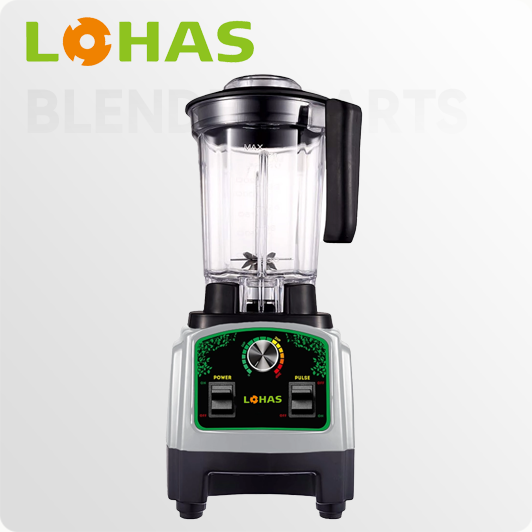
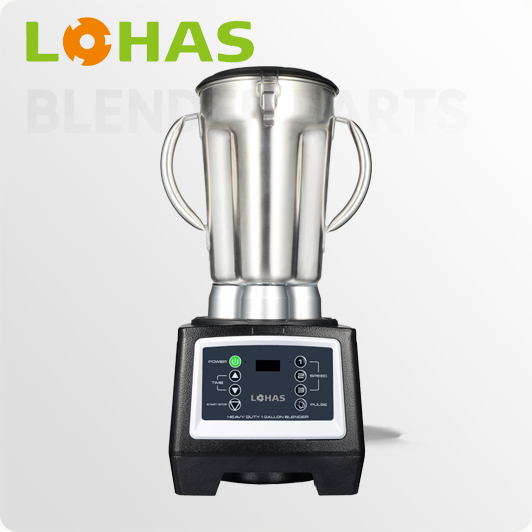
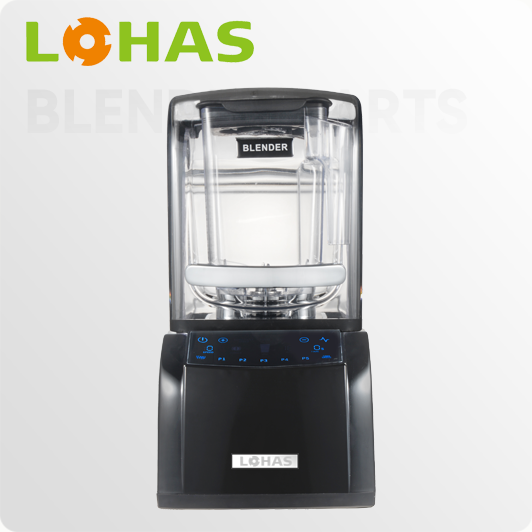

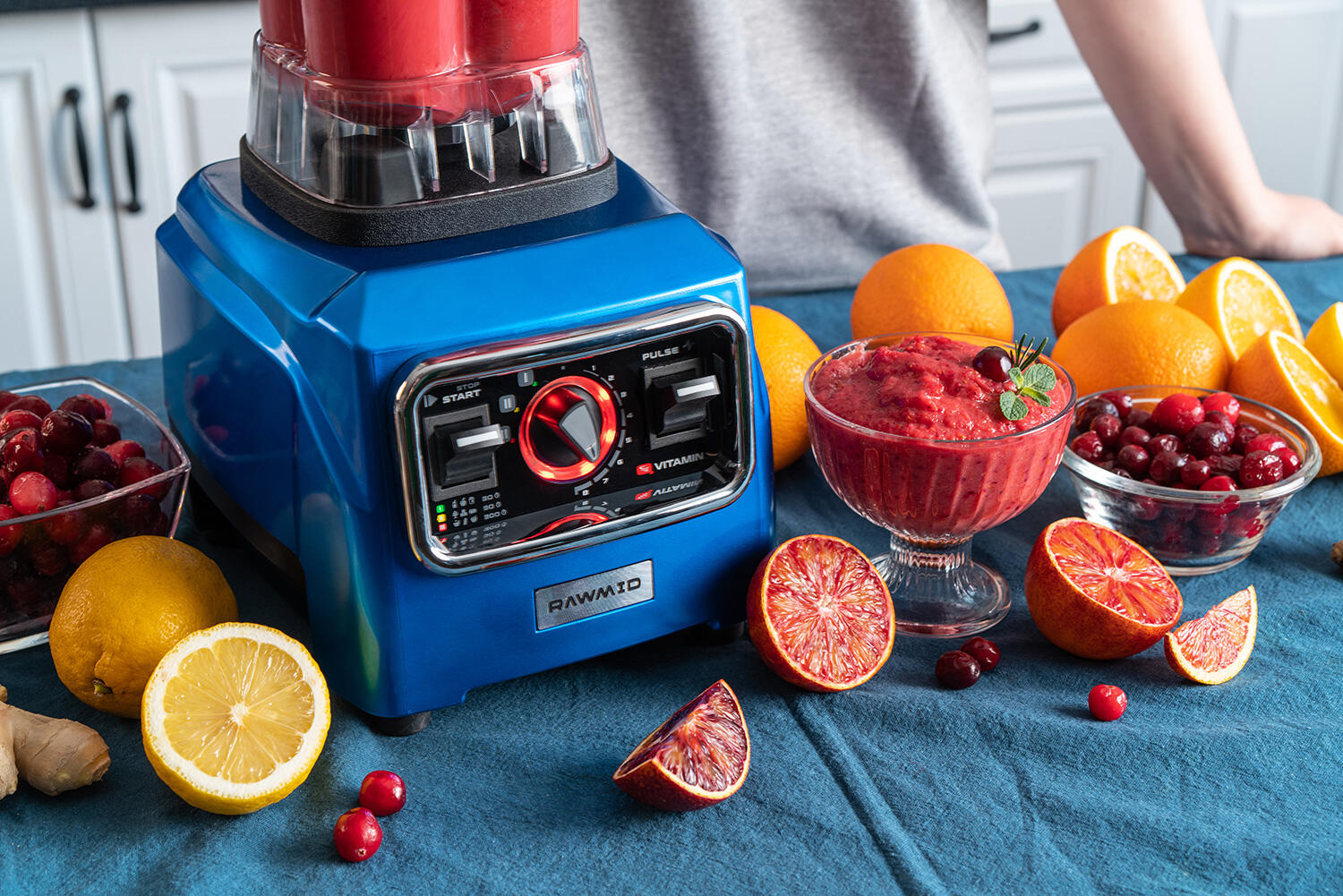
Ang isang propesyonal na blender ay isang malaking pamumuhunan para sa anumang komersyal na kusina, smoothie bar, o establisimiyento sa paghahanda ng pagkain. Hindi tulad ng mga modelo para sa bahay, idinisenyo ang mga makapangyarihang makitang ito upang mapaglabanan ang patuloy na operasyon at matinding workload, ngunit ang kanilang habambuhay ay lubos na nakadepende sa tamang mga gawi sa pangangalaga. Ang pag-unawa kung paano alagaan ang iyong kagamitan ay hindi lamang nagpoprotekta sa iyong pamumuhunan kundi tinitiyak din ang pare-parehong pagganap at binabawasan ang mahal na downtime na maaaring makaapekto sa iyong operasyon sa negosyo.
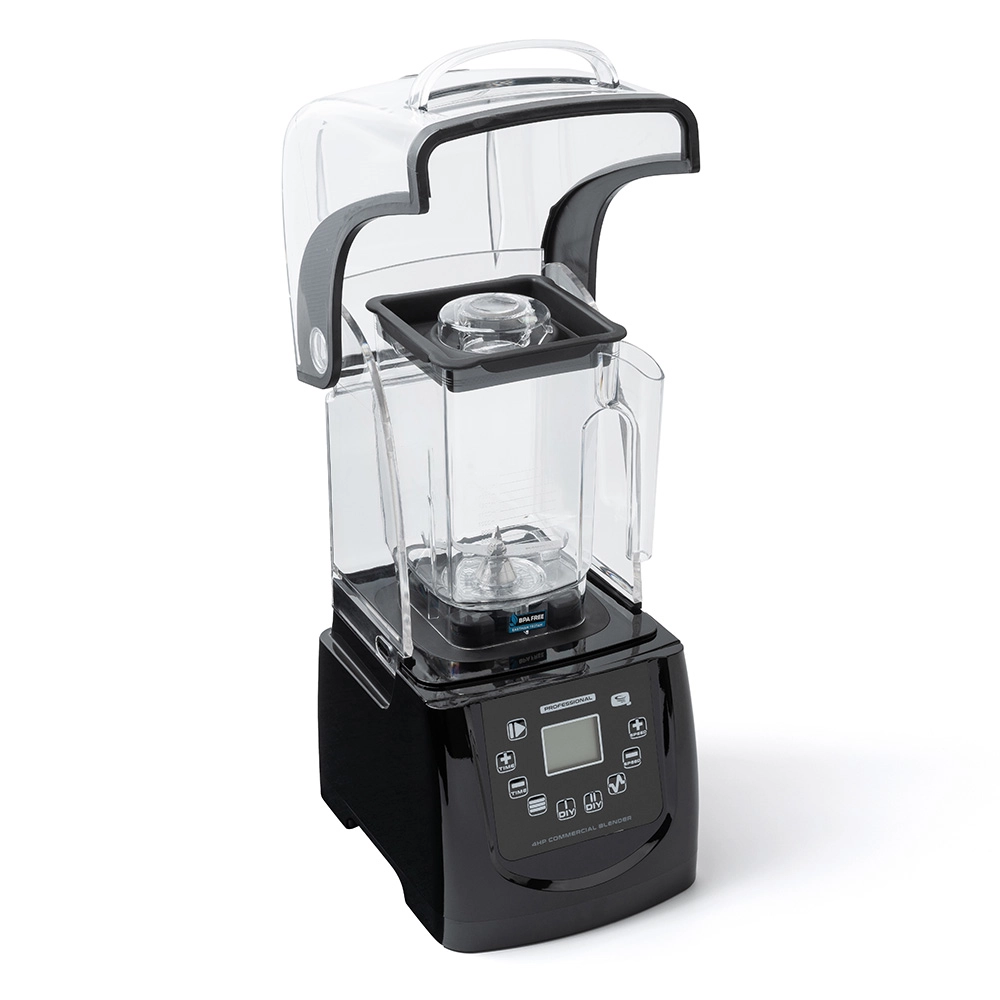
Ang komersyal na kagamitan sa paghahalo ay gumagana sa ilalim ng matinding kondisyon, na nagpoproseso mula sa mga nakapirming prutas hanggang sa matitigas na gulay nang maraming beses sa isang araw. Ang mekanikal na tensyon, pagbabago ng temperatura, at pagkakalantad sa mga acidic na sangkap ay lumilikha ng natatanging hamon sa pagpapanatili na nangangailangan ng sistematikong atensyon. Ang pagsasagawa ng isang komprehensibong programa sa pagpapanatili ay maaaring magpalawig ng buhay ng kagamitan nang ilang taon habang pinananatili ang optimal na pamantayan sa pagganap.
Mga Protokol sa Araw-araw na Paglilinis at Pagdidisimpekta
Mga agarang Pamamaraan sa Paglilinis Matapos ang Bawat Paggamit
Ang pinakakritikal na gawi sa pagpapanatili ay ang paglilinis ng kagamitan kaagad matapos ang bawat paggamit. Ang pagbibigay-daan sa mga residue na lumapot o sa mga acidic na sangkap na manatili sa mga surface ay maaaring magdulot ng permanente damage sa lalagyan at sa blade assembly. Magsimula sa pamamagitan ng pagbuhos ng mainit na tubig sa lalagyan upang alisin ang mga maluwag na particle at maiwasan ang pagdikit ng mga sangkap sa mga surface.
Para sa epektibong paglilinis, punuin ang lalagyan hanggang kalahati ng mainit na tubig at idagdag ang ilang patak ng dish soap. Patakbuhin ang blender sa mababang bilis nang tatlumpung segundo upang lumikha ng solusyon sa paglilinis na maabot ang lahat ng panloob na ibabaw. Ang pamamarang ito ay ligtas na nag-aalis ng mga natitirang dumi nang hindi kinakailangang i-disassemble at binabawasan ang pagsusuot sa mga sealing component.
Matapos ang paglilinis gamit ang sabon, banlawan nang mabuti ang lahat ng bahagi gamit ang malinis na tubig at suriin para sa anumang natirang dumi. Bigyang-pansin lalo na ang bahagi ng blade assembly kung saan karaniwang nakakalap ng mga particle. Tapusin ang proseso sa pamamagitan ng pagpapatuyo ng lahat ng bahagi sa hangin o gamit ang malinis, lint-free na tuwalya upang maiwasan ang water spots at pag-iral ng mineral.
Mga Kailangan sa Malalim na Paglilinis at Pagpapasinaya
Higit pa sa pangunahing paglilinis, ang mga komersyal na kapaligiran ay nangangailangan ng regular na pagpapasinaya upang matugunan ang mga pamantayan ng tanggapan ng kalusugan at maiwasan ang pagtubo ng bakterya. Gamitin ang mga pinahihintulutang solusyon sa pagpapasinaya na partikular na dinisenyo para sa kagamitan sa foodservice, sumunod nang eksakto sa ratio ng pagbabawas na inirekomenda ng tagagawa. Huwag kailanman gamitin ang bleach-based mga Produkto sa mga blade assembly dahil maaaring magdulot ito ng corrosion at maagang pagkasira.
Magpatupad ng iskedyul ng paglilinis na tugma sa iyong pattern ng paggamit at lokal na regulasyon sa kalusugan. Ang mga operasyong may mataas na dami ay maaaring nangangailangan ng paglilinis sa pagitan ng iba't ibang uri ng produkto, habang ang iba ay maaaring sumunod sa protokol tuwing matapos ang araw. I-dokumento ang lahat ng gawaing pang-sanitasyon upang mapanatili ang pagsunod sa alituntunin at agad na matukoy ang mga potensyal na isyu.
Pagpapanatili at Pagsusuri ng Blade Assembly
Regular na Pagtatasa ng Talamak
Ang blade assembly ang nagsisilbing puso ng anumang propesyonal na Blender sistema, at direktang nakakaapekto ang kondisyon nito sa pagganap at kahusayan sa paggamit ng enerhiya. Ang mga butas na blades ay nangangailangan ng higit na kapangyarihan para makamit ang parehong resulta, na nagdudulot ng dagdag na stress sa mga bahagi ng motor at tumataas na mga gastos sa operasyon. Magtatag ng isang lingguhang rutina ng pagsusuri upang penatasan ang talas at kabuuang kalagayan ng blades.
Ang mga palatandaan ng pagsusuot ng talim ay kinabibilangan ng mas mahahabang oras ng paghahalo, hindi pare-parehong sukat ng mga particle, at tumataas na temperatura ng motor habang gumagana. Dapat makita sa biswal na inspeksyon ang malilinis at matutulis na gilid nang walang mga bakas, bitak, o bilog na ibabaw. Itala nang regular ang kalagayan ng talim upang magawa ang iskedyul ng pagpapalit at badyet para sa mga kailangang pag-upgrade.
Maaaring ibalik ang pagganap ng mga propesyonal na serbisyo sa pagpapatalas ng talim kapag tumigas na ang mga gilid, ngunit ang malubhang nasirang mga talim ay nangangailangan ng buong pagpapalit. Panatilihin ang mga spare na blade assembly upang minumin ang downtime sa panahon ng pagmementena at matiyak ang pare-parehong operasyon sa panahon ng mataas na oras ng negosyo.
Tamang Pag-install at Mga Tiyak na Torque
Ang hindi tamang pagkakabit ng talim ay nagdudulot ng pag-uga, binabawasan ang kahusayan sa paghalo, at maaaring makapinsala sa parehong bahagi ng talim at drive coupling. Sundin laging ang mga tukoy ng tagagawa para sa torque sa pagkakabit at gumamit ng angkop na kasangkapan upang matiyak ang tamang posisyon. Ang sobrang pagpapahigpit ay maaaring magdulot ng pagkakalat ng mga thread o pagsira sa mga sangkap, habang ang kulang na torque ay naghihikayat ng pagkaluwag habang gumagana.
Suriin ang kabigatan ng talim lingguhan bilang bahagi ng karaniwang pagpapanatili, lalo na pagkatapos ng panahon ng mabigat na paggamit. Ang pag-uga at thermal cycling ay maaaring magdulot ng unti-unting pagkaluwag na nakakaapekto sa pagganap at kaligtasan. Palitan agad ang mga nasirang drive coupling upang mapanatili ang tamang pagkakaayos ng talim at maiwasan ang labis na pagsusuot sa mga kaugnay na sangkap.
Pag-aalaga sa Motor at Sistema ng Drive
Pamamahala sa Ventilation at Paglamig
Ang mga motor ng propesyonal na blender ay lumilikha ng malaking init habang gumagana, kaya mahalaga ang tamang bentilasyon para sa tagal ng buhay nito. Siguraduhing may sapat na espasyo sa paligid ng mga butas ng bentilasyon at panatilihing malinis ang mga filter ng hangin upang maiwasan ang pag-init nang labis. Ang nabara na bentilasyon ay maaaring bawasan ang buhay ng motor ng limampung porsyento o higit pa, habang tumataas din nang malaki ang paggamit ng enerhiya.
Isagawa ang iskedyul ng paglilinis buwan-buwan para sa mga bahagi ng bentilasyon, gamit ang nakapipigil na hangin upang alisin ang alikabok at debris mula sa mga sirang pang-paglamig at mga assembly ng kipkip. Bigyan ng pansin lalo na ang mga lugar na mataas ang nilalaman ng harina o pulbos, dahil ang mga partikulong ito ay mabilis na makakabara sa mga sistema ng paglamig at magdudulot ng maagang pagkasira ng motor.
Bantayan ang temperatura habang gumagana sa normal na ikot ng paggamit at magtakda ng basehan ng mga sukat para sa paghahambing. Ang dahan-dahang pagtaas ng temperatura ay karaniwang nagpapahiwatig ng umuunlad na problema bago pa man ito tuluyang masira, na nagbibigay-daan para sa mapag-iwasang aksyon imbes na emerhensiyang pagkukumpuni.
Pag-aalaga sa Electrical Connection
Ang mga electrical connection ay nangangailangan ng regular na inspeksyon upang matiyak ang ligtas at maaasahang operasyon. Ang mga loose connection ay nagdudulot ng init, binabawasan ang kahusayan, at nagdudulot ng panganib na sunog sa mga komersyal na kapaligiran. Suriin ang lahat ng power connection bawat buwan, tinitiyak ang tamang torque sa mga terminal screw at sinusuri ang wire insulation para sa anumang pinsala o pagkasira.
Mahalaga ang ground fault circuit interrupter protection sa mga basa na kapaligiran na karaniwan sa mga komersyal na kusina. Subukan ang mga GFCI device bawat buwan at palitan agad kung ito ay nabigo sa tamang pagpapatakbo. Panatilihin ang detalyadong talaan ng mga gawaing pang-pangangalaga sa kuryente upang suportahan ang mga claim sa warranty at ipakita ang pagsunod sa mga regulasyon sa kaligtasan.
Pagmimintina ng Lata at Seal
Pagsusuri sa Gasket at Seal
Ang mga goma na gaskets at seals ay nagpipigil sa pagtagas at nagpapanatili ng tamang presyon habang nasa proseso ng paghalo. Patuloy na nakararanas ang mga bahaging ito ng tensyon mula sa pagbabago ng presyon, pagbabago ng temperatura, at pagkakalantad sa mga kemikal mula sa mga acidic na sangkap. Suriin lingguhan ang mga seal para sa mga bitak, pagtigas, o permanenteng pagkasira na nagpapahiwatig ng pangangailangan ng pagpapalit.
Palitan ang mga gasket sa unang palatandaan ng pagsusuot imbes na hintayin ang ganap na pagkabigo. Ang mga lumilikas na seal ay maaaring masira ang mga bahagi ng motor at lumikha ng mga panganib sa kaligtasan sa maingay na kapaligiran ng kusina. Panatilihing may mga reserbang gasket para sa mahahalagang aplikasyon upang minumabili ang downtime habang nagpapalit.
Gamitin lamang ang mga bahaging aprubado ng tagagawa upang matiyak ang tamang pagkakasya at katugma sa kemikal. Maaaring magmukhang magkapareho ang mga generic na seal ngunit maaaring maaga itong bumagsak o negatibong makireaksiyon sa mga kemikal na panglinis, na nagdudulot ng karagdagang problema sa pagpapanatili at potensyal na mga isyu sa kaligtasan.
Pag-aalaga sa Materyal ng Lalagyan
Ang mga lalagyan ng propesyonal na blender ay nakakaranas ng malaking mekanikal na tensyon at pagkalantad sa kemikal sa panahon ng normal na operasyon. Ang mga polycarbonate na lalagyan ay nag-aalok ng mahusay na katatagan ngunit nangangailangan ng tiyak na pangangalaga upang maiwasan ang pagmumutya at pagkabasag dahil sa tensyon. Iwasan ang matitinding pagbabago ng temperatura at gumamit ng angkop na kemikal sa paglilinis upang mapanatili ang kaliwanagan at integridad ng istraktura.
Regular na suriin ang mga lalagyan para sa anumang bitak dulot ng tensyon, lalo na sa paligid ng mga mounting point at mga dungan ng hawakan. Ang maliliit na bitak ay maaaring mabilis lumawak kapag may presyon, na magreresulta sa katasnubing pagkabigo sa panahon ng operasyon. Agad na palitan ang mga nasirang lalagyan imbes na subukang ayusin ito na maaaring ikompromiso ang kaligtasan at pagganap.
Pagsasaya ng Preventive Maintenance
Paglikha ng Mabisang Maintenance Calendar
Ang sistematikong pagpaplano ng pagpapanatili ay nagpipigil sa mahahalagang pagkabigo at nagpapahaba nang malaki sa buhay ng kagamitan. Lumikha ng komprehensibong mga kalendaryo ng pagpapanatili na isinasama ang mga pattern ng paggamit, rekomendasyon ng tagagawa, at pangangailangan sa operasyon. Ang mga mataas na dami ng operasyon ay nangangailangan ng mas madalas na pagitan ng pagpapanatili kumpara sa mga aplikasyon na madalang gamitin.
Irekord ang lahat ng mga gawain sa pagpapanatili kasama ang mga petsa, isinagawang mga proseso, at mga obserbasyong nakatala. Ang impormasyong ito ay lubhang kapaki-pakinabang para sa mga reklamo sa warranty, nakakatulong upang matukoy ang paulit-ulit na problema, at sinusuportahan ang pagbabadyet para sa mga palitan ng bahagi at pangangailangan sa serbisyo. Ang digital na logbook ng pagpapanatili ay nagbibigay ng madaling pag-access at kakayahang i-backup ang mahahalagang impormasyon.
I-koordinar ang mga iskedyul ng pagpapanatili sa mga pangangailangan sa operasyon upang mapaliit ang pagkagambala sa panahon ng tuktok na panahon ng negosyo. Planuhin ang mga pangunahing gawain sa pagpapanatili sa panahon ng mabagal na panahon o pagsasara ng pasilidad upang maiwasan ang pagkompromiso sa kalidad ng serbisyo at kasiyahan ng kostumer.
Pamamahala ng Imbentaryo para sa Mga Sparing Bahagi
Ang pagpapanatili ng angkop na imbentaryo ng mga spare part ay nagagarantiya ng mabilis na pagtugon sa pangangailangan sa maintenance at nagpipigil ng mahabang panahon ng hindi paggamit. Bigyang-pansin ang mga bahagi na may kilalang wear patterns tulad ng gaskets, blade assemblies, at drive couplings. Balansehin ang gastos ng imbentaryo laban sa potensyal na pagkawala ng kita dahil sa pagkabigo ng kagamitan sa panahon ng kritikal na operasyon.
Itatag ang relasyon sa mga authorized service provider at supplier ng mga parts upang masiguro ang mabilis na availability ng mga specialized component. Ang ilang item ay maaaring nangangailangan ng mas mahabang lead time, kaya mahalaga ang paunang pagpaplano upang mapanatili ang tuluy-tuloy na operasyon.
Paglutas ng mga karaniwang isyu
Mga Indikasyon ng Pagbaba sa Pagganap
Ang pag-unawa sa maagang senyales ng problema sa kagamitan ay nagbibigay-daan sa pag-iwas bago pa man ito ganap na mabigo. Ang pagtaas ng blending times, hindi pangkaraniwang ingay, o mataas na temperatura ay karaniwang nagpapakita ng mga isyu na nangangailangan ng atensyon. Regular na subaybayan ang mga performance metrics upang makapagtatag ng baseline measurements para sa paghahambing.
Ang pagtaas ng pagvivibrate ay karaniwang nagpapahiwatig ng hindi balanseng blade, mga depektibong bearings, o mga hardware na nakakabit na nakaluwis. Agad na tugunan ang mga isyung ito upang maiwasan ang karagdagang pinsala sa mga bahagi ng motor at sistema ng drive. Madalas, ang simpleng pag-aayos ay sapat na upang malutas ang mga problema na maaaring lumubha kung hindi bibigyan ng pansin.
Ang pagbabago sa pagkonsumo ng kuryente ay maaaring magpahiwatig ng mga problema sa motor, pagsuot ng blade, o mga isyu sa kuryente. Subaybayan ang mga pattern ng paggamit ng enerhiya upang matukoy ang unti-unting pagbabago na maaaring hindi mapansin hanggang sa mangyari ang kabiguan. Ang maagang pag-intervene ay madalas na nakakaiwas sa mahahalagang pagkukumpuni at nagpapahaba nang husto sa buhay ng kagamitan.
Mga Pamamaraan sa Pagtugon sa Emergency
Maghanda ng malinaw na proseso para sa mga pagkabigo ng kagamitan habang ito ay gumagana upang masiguro ang kaligtasan at maiwasan ang pinsala. Sanayin ang lahat ng operator sa tamang pamamaraan ng pag-shutdown at mga protokol sa emerhensiya. Ang mabilis na tugon ay madalas na nakakaiwas sa mga maliit na problema na maaaring lumubha at magdulot ng matagalang pagkakabigo.
Panatilihin ang impormasyon sa pakikipag-ugnayan para sa mga pinahintulutang tagapagbigay ng serbisyo at magtatag ng mga kasunduang pampagamit na nagsisiguro ng mga oras ng tugon na angkop sa iyong mga pangangailangan sa operasyon. Maaaring kailanganin ng ilang pasilidad ang serbisyong available na 24 na oras upang mapanatili ang iskedyul ng produksyon at mga komitment sa kliyente.
FAQ
Gaano kadalas dapat palitan ang mga blades ng propesyonal na blender
Ang dalas ng pagpapalit ng blade sa propesyonal na blender ay nakadepende sa intensity ng paggamit at uri ng mga materyales na dinidiskarga. Ang mga mataas na dami ng operasyon na nagpoproseso ng matitigas na sangkap ay maaaring mangangailangan ng pagpapalit bawat 3-6 na buwan, habang ang katamtamang paggamit na may mas malambot na materyales ay maaaring mapahaba ang buhay ng blade hanggang 12-18 na buwan. Subaybayan lingguhan ang talim ng blade at palitan kapag lumala ang oras ng pagblblend o nagiging hindi pare-pareho ang laki ng mga particle.
Anong mga kemikal sa paglilinis ang ligtas para sa pagpapanatili ng propesyonal na blender
Gamitin lamang ang mga banayad, hindi-abrasibong detergent na partikular na inaprubahan para sa kagamitan sa paghahanda ng pagkain. Iwasan ang chlorine bleach, na maaaring magdulot ng corrosion sa mga blade assembly at gaskets. Kasama sa mga inaprobahang sanitizer ang mga compound na quaternary ammonium at mga solusyon batay sa iodine na may tamang ratio ng pinalabnaw. Maghugas nang lubusan pagkatapos ng paggamit ng kemikal at sundin ang mga gabay ng tagagawa tungkol sa kakayahang makisama ng mga kemikal.
Maaari bang tumakbo nang patuloy ang mga propesyonal na blender nang walang mga panahon ng paglamig
Karamihan sa mga propesyonal na blender ay dinisenyo para sa mga intermittent duty cycle imbes na tuluy-tuloy na operasyon. Sundin ang mga espesipikasyon ng tagagawa para sa pinakamataas na oras ng pagtakbo at kinakailangang panahon ng paglamig. Karaniwang saklaw ng duty cycle ay 50-75% depende sa modelo at aplikasyon. Ang tuluy-tuloy na operasyon ay maaaring magdulot ng sobrang init, bawasan ang buhay ng motor, at ikansela ang warranty.
Anu-ano ang mga palatandaan na kailangan agad ng serbisyo ang isang propesyonal na blender
Kasama sa mga palatandaan ng agarang pangangalaga ang hindi pangkaraniwang ingay, labis na pag-vibrate, amoy ng pagsusunog, nakikitang pag-spark, o biglang pagbabago sa pagganap. Ang mga nagtutulak na likido, bitak na lalagyan, o mga blade assembly na wala nang tight ay nangangailangan ng agarang atensyon dahil sa kaligtasan. Itigil agad ang operasyon kapag nangyari ang alinman sa mga kondisyong ito at kontakin ang kwalipikadong tauhan ng serbisyo bago ituloy ang paggamit.
Talaan ng mga Nilalaman
- Mga Protokol sa Araw-araw na Paglilinis at Pagdidisimpekta
- Pagpapanatili at Pagsusuri ng Blade Assembly
- Pag-aalaga sa Motor at Sistema ng Drive
- Pagmimintina ng Lata at Seal
- Pagsasaya ng Preventive Maintenance
- Paglutas ng mga karaniwang isyu
-
FAQ
- Gaano kadalas dapat palitan ang mga blades ng propesyonal na blender
- Anong mga kemikal sa paglilinis ang ligtas para sa pagpapanatili ng propesyonal na blender
- Maaari bang tumakbo nang patuloy ang mga propesyonal na blender nang walang mga panahon ng paglamig
- Anu-ano ang mga palatandaan na kailangan agad ng serbisyo ang isang propesyonal na blender