 EN
EN


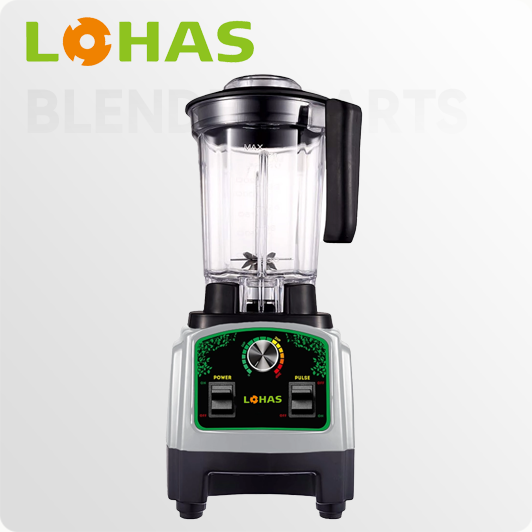
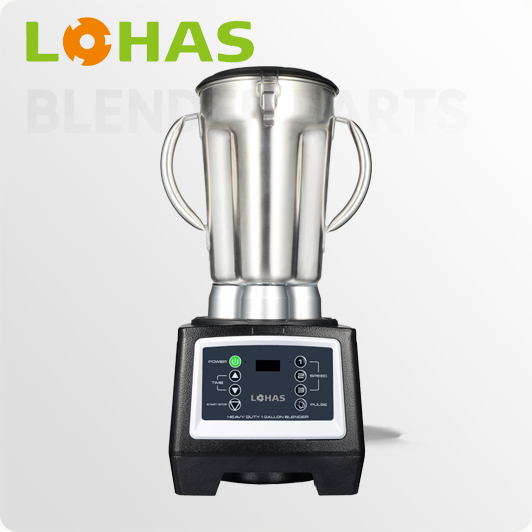
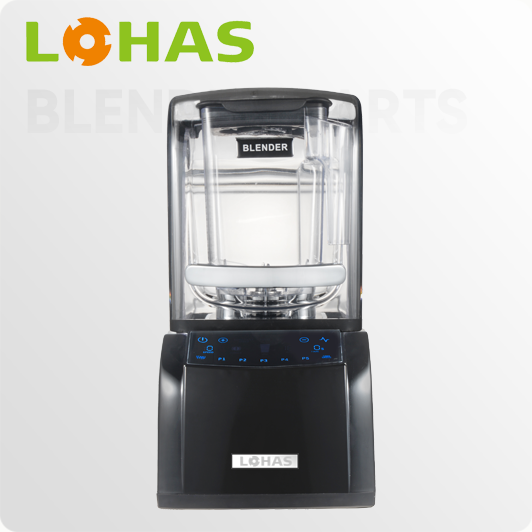

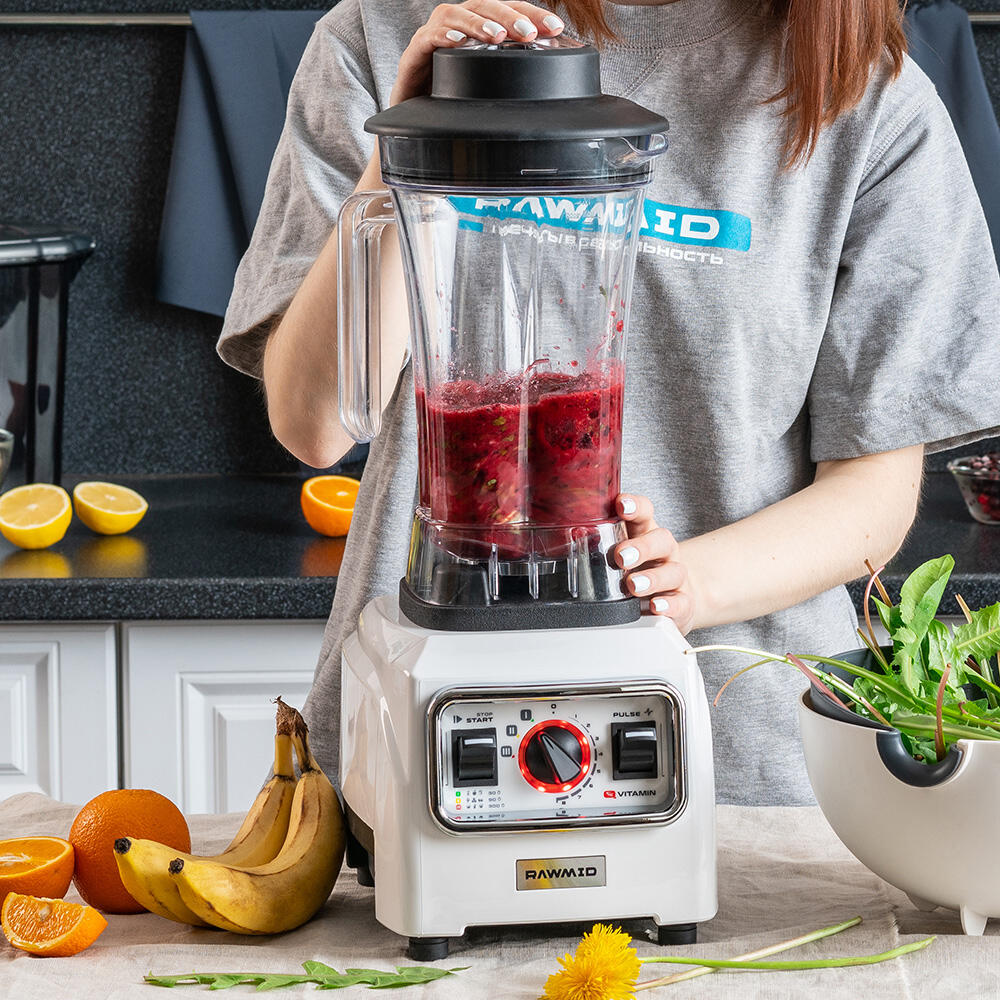
Ticari mutfakların hızlı tempolu ortamında, tutarlılık başarı için son derece önemlidir. Restoran sahipleri ve şefler, her yemek ve içecekte aynı kaliteyi sunmanın müşteri memnuniyetini ve marka itibarını doğrudan etkilediğini bilirler. Güvenilirliğe olan bu temel ihtiyaç, zorlu operasyonel gereksinimlere dayanabilen ve aynı zamanda kesin performans standartlarını koruyabilen yüksek kaliteli ekipmanlara çok sayıda işletmenin yatırım yapmasına neden olmuştur. Modern ticari mutfaklardaki en önemli ekipmanlar arasında smoothie'lerden çorbalara ve soslar ile pürelere kadar sayısız menü maddesinin temel taşı olan profesyonel blender bulunmaktadır.
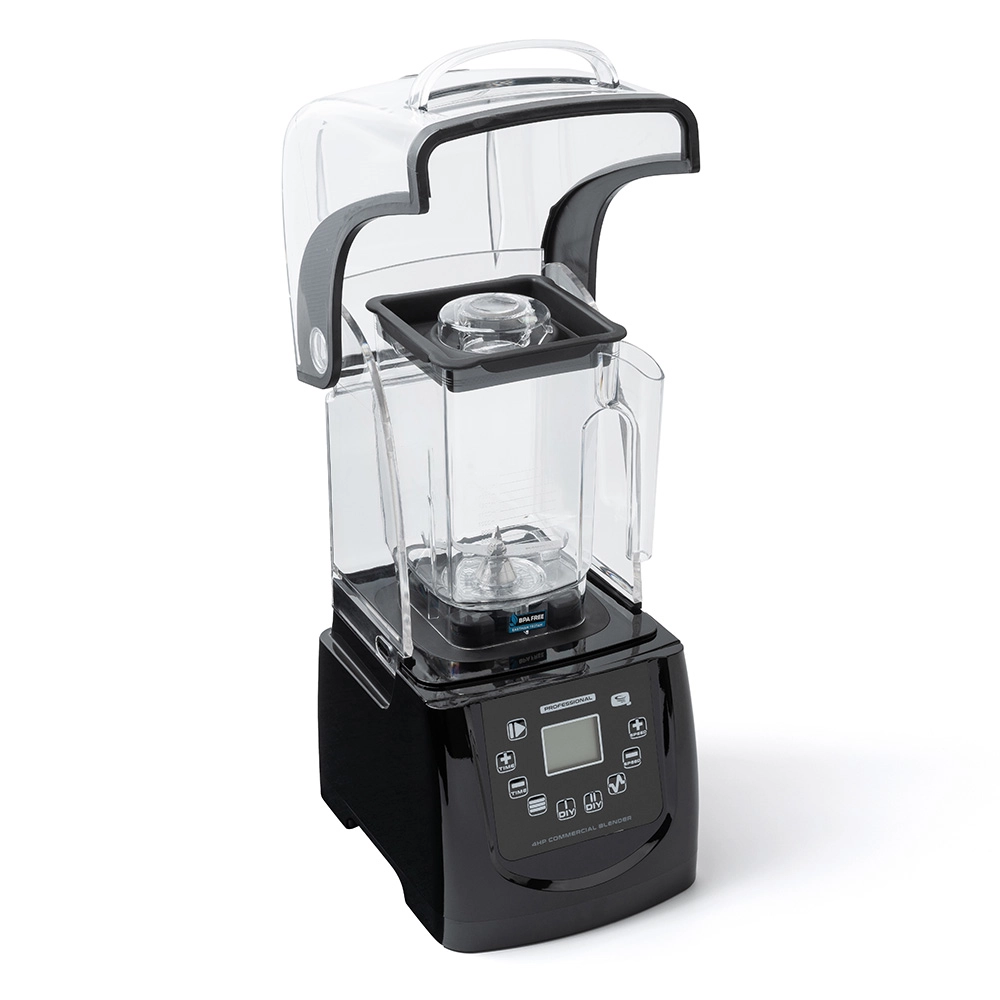
Üstün Yapı Kalitesi ve Dayanıklılık Standartları
Dayanıklı Motor Sistemleri
Herhangi bir güvenilir profesyonel blenderın temelini, uzun süreli kullanım dönemleri boyunca tutarlı güç çıkışı sağlayan motor sistemi oluşturur. Ticari sınıf motorlar, aşırı ısınmadan veya performans kaybından uzak şekilde sürekli karıştırma döngülerine dayanabilecek sağlam bileşenlerle tasarlanmıştır. Bu güçlü sistemler genellikle uzun ömürlülüğü sağlamak için bakır sargılar, takviyeli rulmanlar ve gelişmiş soğutma mekanizmalarına sahiptir ve en zorlu mutfak koşullarında bile çalışabilirler. Restoran işletmecileri, ekipmanlarının kalite veya güvenilirlikten ödün vermeden yoğun servis saatlerini kolaylıkla karşılayabilmesi sayesinde rahat bir şekilde hizmet verebilir.
Profesyonel sınıf cihazlarda tork aktarımı, malzeme yoğunluğuna veya hacmine bakılmaksızın sabit kalır ve tariflerin öngörülen doku ile tutarlılığını korumasını sağlar. Bu güvenilirlik, mutfak personelinin ekipman arızası gidermeye değil yiyecek hazırlamaya odaklanabilmesiyle doğrudan işletme verimliliğine dönüşür. Üstün motor teknolojisine yapılan yatırım, bakım maliyetlerinin azalması ve ekipmanın kullanım ömrünün uzaması sayesinde ciddi gıda servis işletmeleri için finansal olarak akıllıca bir karar haline gelir.
Hassasiyetle Tasarlanmış Bıçak Teknolojisi
Profesyonel karıştırma sistemleri, üstün performans için hassas toleranslarla üretilmiş özel olarak tasarlanmış bıçak bileşenlerini içerir. Bu hassasiyetle üretilmiş parçalar, etkili bir şekilde içeriklerin karışmasını ve dengeli doku gelişimini sağlayan verimli girdap modelleri yaratmak için stratejik açılar ve aralıklar sunar. Bıçak malzemeleri, binlerce kez kullanım sonrasında bile keskin kenarlarını koruyacak şekilde dayanıklılık ve aşınmaya karşı direnç açısından özenle seçilmiştir.
Profesyonel bıçak sistemlerinin geometrisi, nihai ürün kalitesini riske atmadan hafif otlardan yoğun kök sebzeye kadar çeşitli içerik türlerini işlemesi için optimize edilmiştir. Bu çok yönlülük, restoranların menü tekliflerini genişletirken tutarlı sonuçlara güven duyabilecekleri anlamına gelir. Bıçak tasarımına yönelik bilimsel yaklaşım, her karıştırma işleminin tahmin edilebilir sonuçlar vermesini sağlayarak, düşük kaliteli ekipmanlarla yapılan yemek hazırlamada görülen belirsizliği ortadan kaldırır.
İşlem Verimliliği ve Hız Avantajları
Zaman Tasarrufu Sağlayan Performans Özellikleri
Modern ticari mutfaklar, her dakikanın karlılık ve müşteri memnuniyeti açısından önemli olduğu sıkı programlarla çalışır. Profesyonel blenderlar hız ve verimlilik odaklı tasarlanmıştır ve yanlış hesaplamaları ortadan kaldıran, hazırlık süresini azaltan birden fazla önceden programlanmış ayara sahiptir. Bu akıllı sistemler, seçilen programa göre karıştırma süresini ve yoğunluğunu otomatik olarak ayarlayabilir; böylece tutarlı sonuçlar alınırken personel diğer kritik görevlere odaklanabilir.
Profesyonel ünitelerin hızlı işleme yetenekleri, restoranların kaliteyi gözetmeden büyük miktarda malzemeyi hızla hazırlamasına olanak tanır. Bu verimlilik, özellikle mutfak ekiplerinin üstün işletmeleri ayırt eden dikkatli yaklaşımı korurken yüksek üretim seviyesini sürdürmesi gereken yoğun servis saatlerinde değer kazanır. Profesyonel düzeydeki ekipmanlar sayesinde elde edilen zaman tasarrufu, doğrudan iş gücü verimliliğinin artmasına ve kâr marjlarının iyileştirilmesine katkıda bulunur.
Hacimsel İşleme Kapasitesi
Restoran operasyonları, hizmet taleplerini verimli bir şekilde karşılamak için sıklıkla büyük partiler halinde hazırlık yapmayı gerektirir. Profesyonel Blender üniteler, tüm partide tutarlı karıştırma kalitesini korurken önemli hacimleri işlemek üzere özel olarak tasarlanmıştır. Daha büyük kapasiteli kaplar ve güçlü motor sistemleri, üstten alta kadar eşit işleme imkânı sağlayarak ek zaman ve iş gücü harcayan küçük partilerin hazırlanma ihtiyacını ortadan kaldırır.
Tek işlemlerde önemli hacimleri işleme yeteneği, iş akışını kolaylaştırır ve mutfak lojistiğinin karmaşıklığını azaltır. Bu özellik, özellikle yüksek hacimli hizmet veren veya gün boyunca birden fazla servis dönemi çalıştıran işletmeler için değerlidir. Toplu işlemeye bağlı verimlilik artışı, daha öngörülebilir işgücü maliyetlerine ve geliştirilmiş operasyonel marjlara katkı sağlar.
Tutarlılık Kontrolü ve Standartlaştırma
Programlanabilir Ayarlar ve Hassas Kontroller
Farklı vardiyalar ve çalışanlar arasında tutarlı sonuçlara ulaşmak, kesin karıştırma parametrelerini güvenilir şekilde tekrarlayabilen ekipman gerektirir. Profesyonel mikserler, operatörlerin her tarif için özel hız eğrileri, zamanlama dizileri ve işleme yoğunluklarını programlamasına olanak tanıyan gelişmiş kontrol sistemlerine sahiptir. Bu programlanabilir fonksiyonlar, tutarsız sonuçlara yol açabilecek insan kaynaklı değişkenleri ortadan kaldırarak, ekipmanı kimin kullandığına bakılmaksızın her hazırlığın belirlenmiş kalite standartlarını karşılamasını sağlar.
Dijital kontrol sistemlerinin sunduğu hassasiyet, restoranların marka tutarlılığı ve müşteri beklentileri açısından kritik olan tariflere sıkı sıkıya uyulmasını sağlar. Bu gelişmiş özellikler aynı zamanda profesyonel sonuçlara ulaşmak için gereken beceri düzeyini azaltarak personel eğitimini kolaylaştırır ve farklı ekip üyeleri ile servis dönemlerinde kalite standartlarının korunmasını daha kolay hale getirir.
Sıcaklık Kontrol Sistemleri
Karıştırma işlemlerinde sıcaklık kontrolü, özellikle ısıya duyarlı bileşenler ve emülsiyon bazlı hazırlıklar için nihai ürün kalitesini önemli ölçüde etkiler. Profesyonel karıştırma ekipmanları, doku, tat veya besin değerini tehlikeye atabilecek aşırı ısınmayı önlemek amacıyla işleme sıcaklıklarını izleyen ve düzenleyen gelişmiş termal yönetim sistemleri içerir. Bu akıllı sistemler, işlem döngüsü boyunca optimal sıcaklık aralığının korunması için karıştırma parametrelerini otomatik olarak ayarlar.
İşlem sıcaklıklarında tutarlılığın sağlanması, mutfak ortam koşullarından veya hammaddelerin başlangıç sıcaklıklarından bağımsız olarak tariflerin güvenilir şekilde çalışmasını garanti eder. Bu sıcaklık stabilitesi, dondurulmuş içecekler, soğuk çorbalar veya hassas soslar gibi termal kontrolün doğrudan nihai ürün kalitesini ve müşteri memnuniyetini etkilediği işletmeler için özellikle önemlidir.
Maliyet Etkinliği ve Yatırım Üzerine Dönüşüm
Uzun Süreli Dayanım Fırsatları
Profesyonel blenderlar önemli bir ilk yatırım gerektirse de üstün yapıları ve mühendislikleri, uzun ömürlü kullanım süreleri boyunca olağanüstü değer sunar. Sağlam malzemeler ve hassas üretim standartları, yoğun ticari kullanım için yıllarca sürebilecek güvenilir performans sağlar ve ekipman değişim sıklığını ile bununla ilişkili maliyetleri azaltır. Bu dayanıklılık, restoran sahipleri için tahmin edilebilir işletme giderlerine ve daha iyi bütçe planlamasına olanak tanır.
Güvenilir profesyonel ekipmanla birlikte gelen azaltılmış durma süresi, tutarlı gelir elde etmeye ve müşteri memnuniyetine katkı sağlar. Kritik hizmet dönemlerinde ekipmanda arıza meydana geldiğinde, ortaya çıkan aksama hem anlık satışları hem de uzun vadeli müşteri ilişkilerini etkileyebilir. Profesyonel seviye güvenilirlik, bu tür maliyetli kesintileri önlemeye yardımcı olur ve müşteri sadakatini ve tekrarlı işleri artıran tutarlı hizmet kalitesini destekler.
Bakım ve Servis Avantajları
Profesyonel blender sistemleri, bakımı kolaylaştıran erişilebilir bileşenler ve standartlaştırılmış parçalar ile tasarlanmıştır. Bu dikkatli mühendislik yaklaşımı, rutin bakım işlemlerinin hem süresini hem de maliyetini azaltır ve aynı zamanda temel bakım görevleri için gereken uzmanlık düzeyini en aza indirir. Birçok profesyonel ünite ayrıca hijyenik temizliği kolaylaştıran ve işgücü gereksinimini azaltan kendini temizleme özelliğine sahiptir.
Kapsamlı servis desteği ve kolayca temin edilebilen yedek parçaların mevcudiyeti, bakım gerektiği durumlarda işletmenin kesintiye uğramasını en aza indirir. Profesyonel ekipman üreticileri genellikle mutfak personelinin ekipmanın performansını en üst düzeye çıkarmasına ve maliyetli sorunlara dönüşmeden önce olası arızaları belirlemesine yardımcı olan kapsamlı eğitim kaynakları ve teknik destek sağlar. Ekipman yönetimi konusundaki bu proaktif yaklaşım, operasyonel verimliliğin artmasına ve toplam sahip olma maliyetinin azalmasına katkıda bulunur.
Çeşitlilik ve Menü Geliştirme Olanakları
Çok Fonksiyonlu Kapasiteler
Modern profesyonel blenderlar geleneksel smoothie ve içecek hazırlamanın çok ötesine geçen dikkat çekici bir çeşitlilik sunar. Bu gelişmiş makineler çorba hazırlama, sos emülsifikasyonu, fındık ezmesi üretimi, dondurulmuş tatlı oluşturma ve hatta tahıl işleme dahil olmak üzere çeşitli mutfak uygulamalarını kolaylıkla yönetebilir. Bu çok fonksiyonlu yetenek, restoranların birden fazla özel ekipman alımına yatırım yapmadan menü tekliflerini genişletmesine olanak tanıyarak hem mutfak alanının verimli kullanımını hem de ekipmanın yatırım getirisini en üst düzeye çıkarır.
Tek bir ekipmanla birden fazla işlevi yerine getirebilme yeteneği, personel eğitimini basitleştirir ve mutfak işlemlerinin karmaşıklığını azaltır. Bu çok yönlülük, şeflerin aksi takdirde özel ekipman gerektirebilecek yeni doku ve hazırlama yöntemleriyle deney yapmalarına olanak tanıyan yaratıcı menü geliştirme fırsatları da sunar. Profesyonel karıştırma sistemlerinin sunduğu esneklik, operasyonel verimliliği korurken yeniliğe de destek olur.
Doku Kontrolü ve Özelleştirme
Profesyonel karıştırma ekipmanları, farklı menü kalemleri için spesifik kıvam gereksinimlerinin sağlanabilmesi açısından doku gelişiminin hassas kontrolünü sağlar. Değişken hız kontrolleri ve ani çalışma (pulse) fonksiyonları, kusursuz pürüzsüz pürelerden köy tipi parçalı hazırlıklara kadar her türlü ürünü elde etmek için işleme yoğunluğunun ince ayarını mümkün kılar. Bu düzeyde kontrol, benzersiz dokular ve sunumlar ile kendilerini ayırt eden restoranlar için hayati öneme sahiptir.
Dokuyu hassas bir şekilde özelleştirme yeteneği, aynı zamanda belirli ihtiyaçlara sahip müşteriler için özel tutarlılıkta gıdalar gibi diyet uyumu ve özel menü gereksinimlerini de destekler. Bu özellik, işletmenin kapsayıcı yemek deneyimlerine olan bağlılığını gösterirken potansiyel müşteri kitlesini de genişletir. Profesyonel ekipmanlar, özelleştirme gereksinimlerinden bağımsız olarak tüm varyasyonlarda doku kalitesinin tutarlı biçimde korunmasını sağlar.
SSS
Profesyonel blenderları tüketici modellerinden ayıran şey nedir
Profesyonel blender'lar, restoran ortamlarında sürekli ağır kullanım koşullarına dayanabilmesi için ticari sınıf motorlar, takviyeli yapı ve hassas bileşenlerle tasarlanmıştır. Tüketici modellerinin genellikle 2 beygir gücünün altında kalmasına karşılık, profesyonel modellerde tipik olarak 2 ile 5 beygir gücü arasında daha güçlü motorlar bulunur. Yapım kalitesi paslanmaz çelik bileşenleri, ağır hizmet rulmanlarını ve uzun süreli çalışma sırasında güvenilir performansı sağlayan gelişmiş soğutma sistemlerini içerir. Ayrıca profesyonel üniteler, programlanabilir kontroller, daha büyük kapasiteli kaplar ve ticari gıda hazırlama uygulamaları için optimize edilmiş özel bıçak tasarımları sunar.
Profesyonel blender'lar restoranlarda gıda tutarlılığını nasıl artırır
Profesyonel blenderlar, gıda hazırlama sürecindeki insan kaynaklı değişkenleri ortadan kaldıran hassas mühendislik ve programlanabilir kontroller sayesinde üstün tutarlılık sağlar. Güçlü motorlar, malzeme yoğunluğundan bağımsız olarak sürekli tork teslimatını korurken, hassasiyetle üretilmiş bıçak sistemleri homojen doku gelişimi için en uygun karıştırma desenlerini oluşturur. Dijital kontrol sistemleri, operatörlerin her tarif için tam hız eğrileri ve zamanlama dizileri programlamasına olanak tanıyarak farklı vardiyalar ve personeller arasında aynı sonucun elde edilmesini garanti eder. Sıcaklık yönetim sistemleri, malzeme kalitesini tehlikeye atabilecek aşırı ısınmayı önler ve dayanıklı yapı, uzun kullanım dönemleri boyunca performans standartlarını korur.
Ticari profesyonel bir blenderın tipik ömrü nedir
Profesyonel kalitede ticari kullanım için tasarlanan yüksek kaliteli miksır blenderlar, kullanım yoğunluğuna ve bakım uygulamalarına bağlı olarak uygun şekilde bakıldığında genellikle 5 ila 10 yıl veya daha uzun süre hatasız çalışır. Sağlam yapı ve endüstriyel sınıf bileşenler, performans standartlarını korurken binlerce karıştırma döngüsüne dayanacak şekilde tasarlanmıştır. Ömür uzunluğunu etkileyen faktörler arasında günlük çalışma saati, işlenen malzeme türleri, bakım programlarına uyum ve başlangıçtaki yatırım kalitesi yer alır. Birçok profesyonel cihaz, işletme ömrünü uzatan ve yatırım değerini koruyan kapsamlı garanti kapsamı ile servis desteği sunar.
Restoranlar kaliteli bir profesyonel blender için ne kadar bütçe ayırmalıdır
Profesyonel blender yatırımları, kapasiteye, özelliklere ve performans gereksinimlerine bağlı olarak tipik olarak 500 ila 3000 dolar veya daha fazlasını kapsar. Küçük ölçekli işletmeler veya belirli uygulamalar için uygun olan giriş seviyesi ticari modeller yaklaşık 500 ila 1000 dolardan başarken, gelişmiş özelliklere sahip ve daha büyük kapasiteli yüksek performanslı modeller 1500 ila 3000 dolar aralığında yer alır. Maliyet değerlendirilirken restoranlar, bakım, enerji tüketimi ve menü çeşitliliğinden kaynaklanan potansiyel gelir gibi toplam sahiplik maliyetini göz önünde bulundurmalıdır. Yatırım getirisi, genellikle daha yüksek verimlilik, azaltılmış iş gücü ihtiyacı ve müşteri memnuniyetini ve tekrar ziyaretleri artıran menü geliştirme imkanları yoluyla daha yüksek başlangıç maliyetlerini haklı çıkarır.