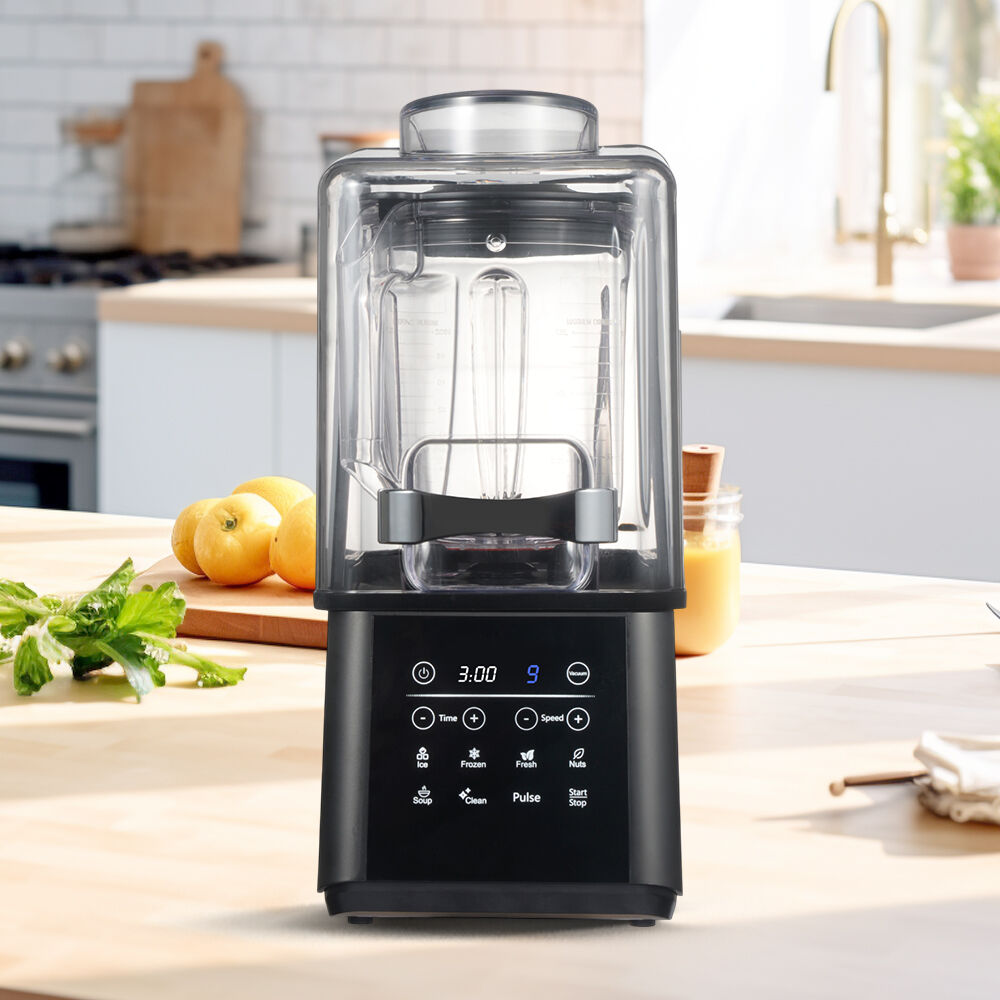
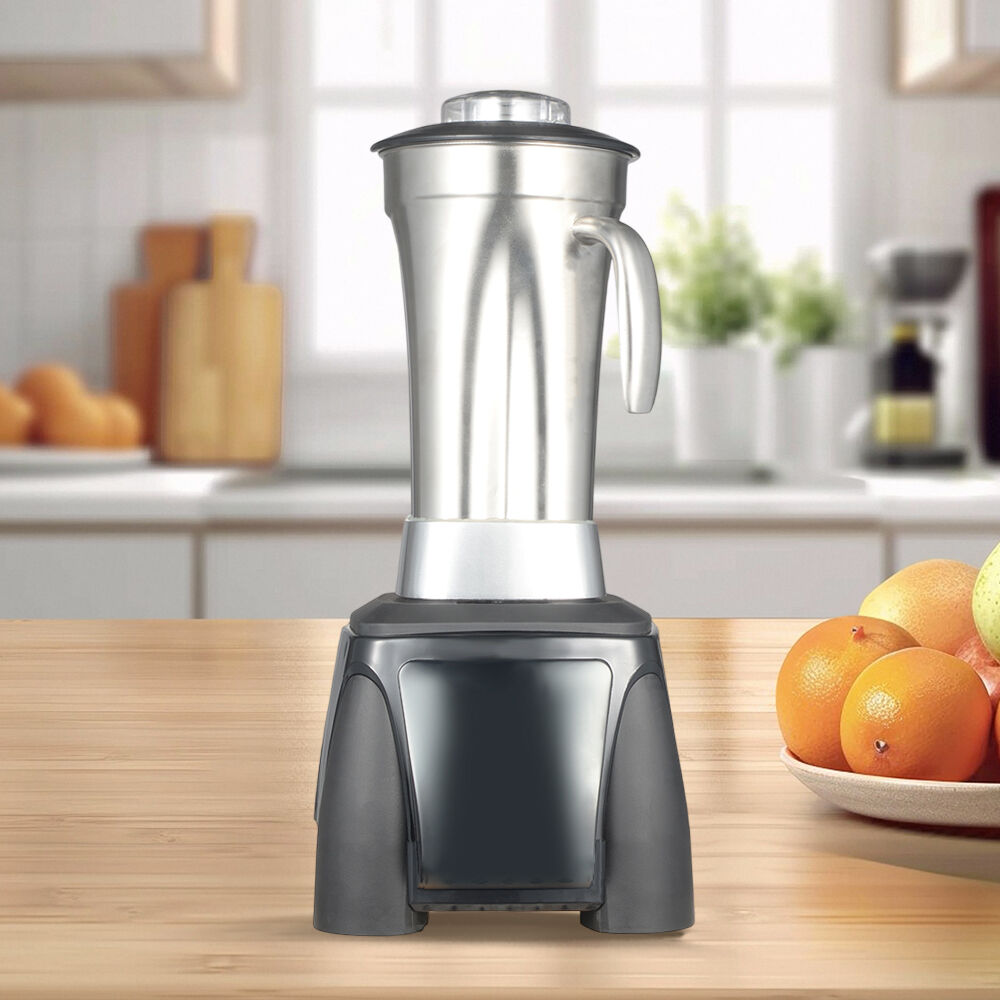
industrial food blenders
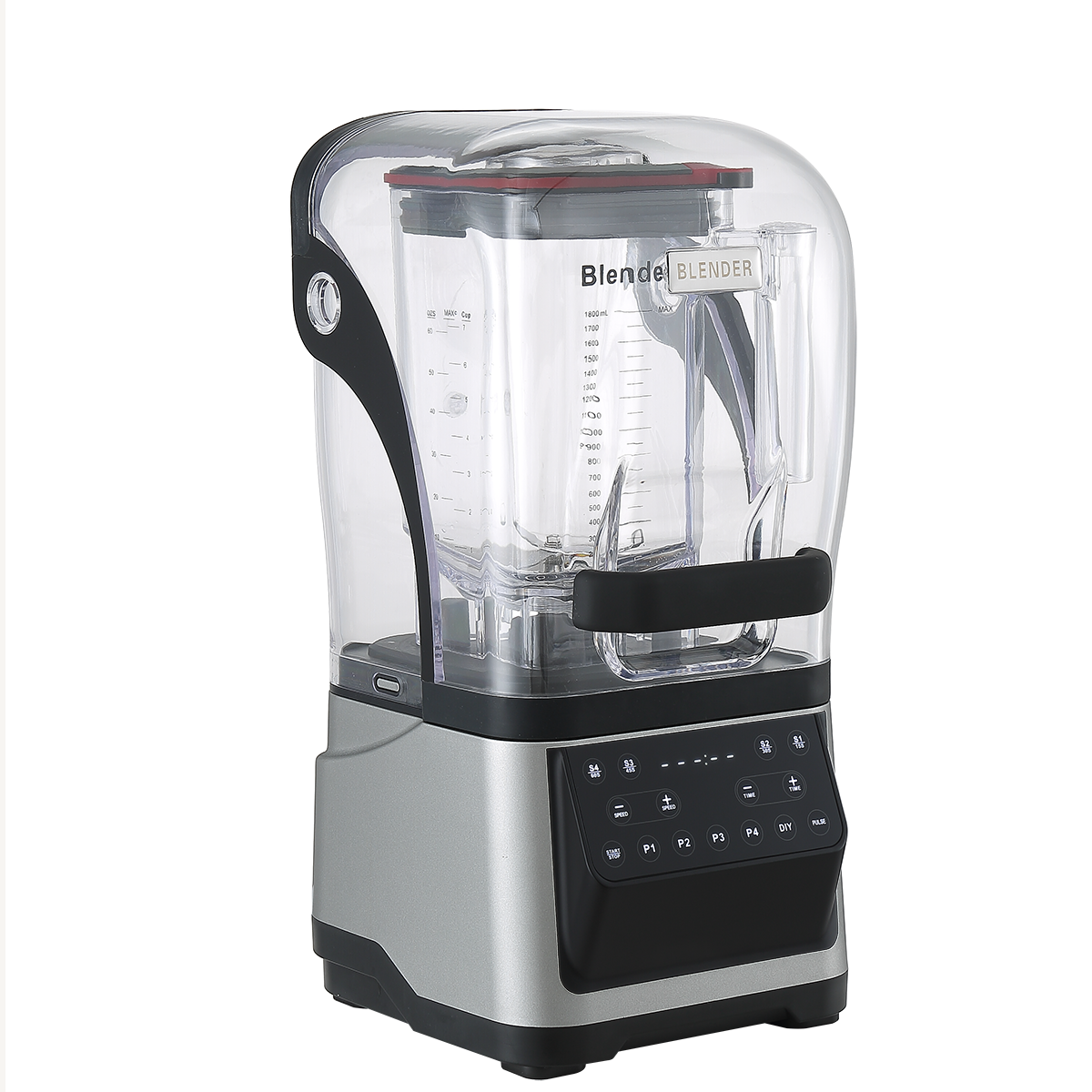
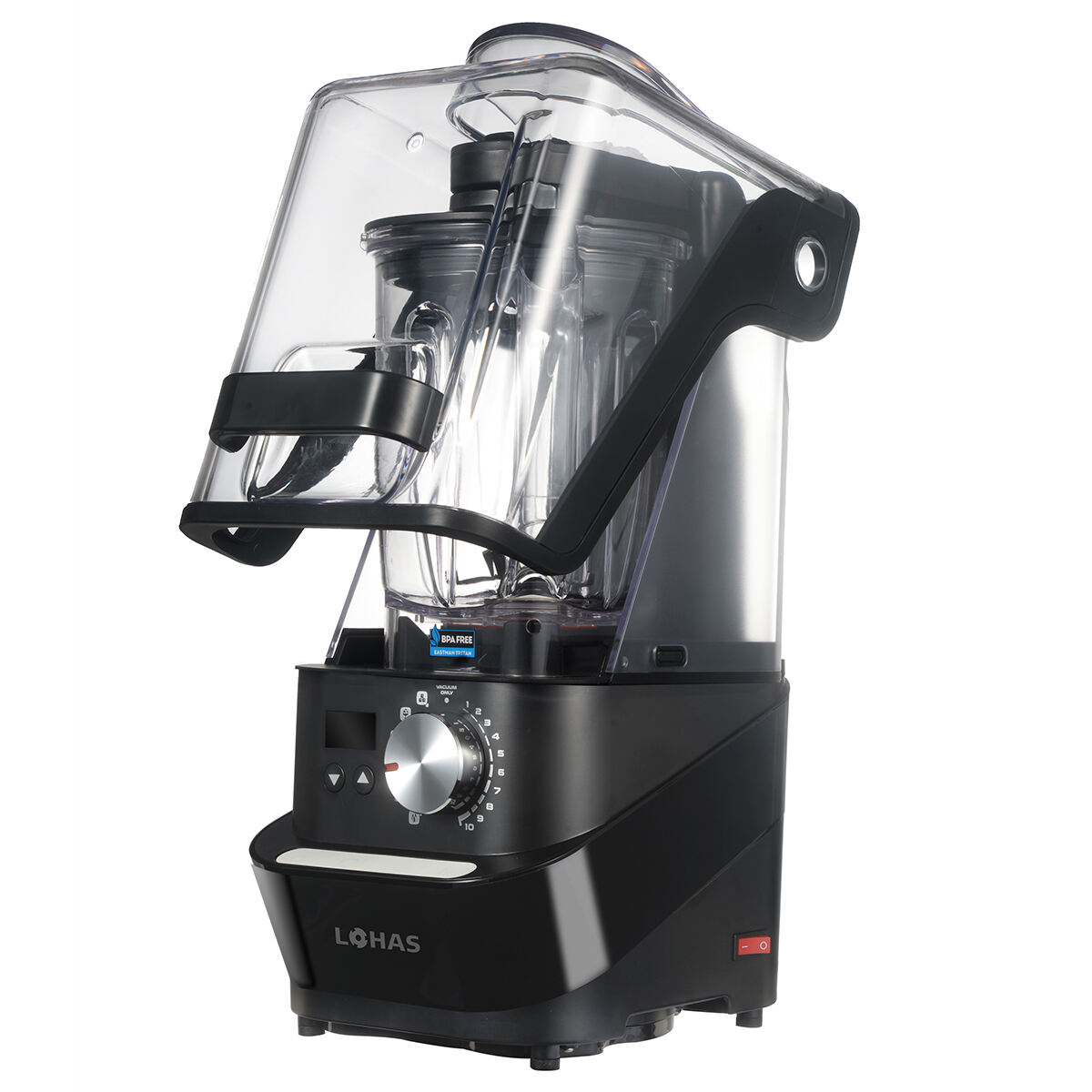
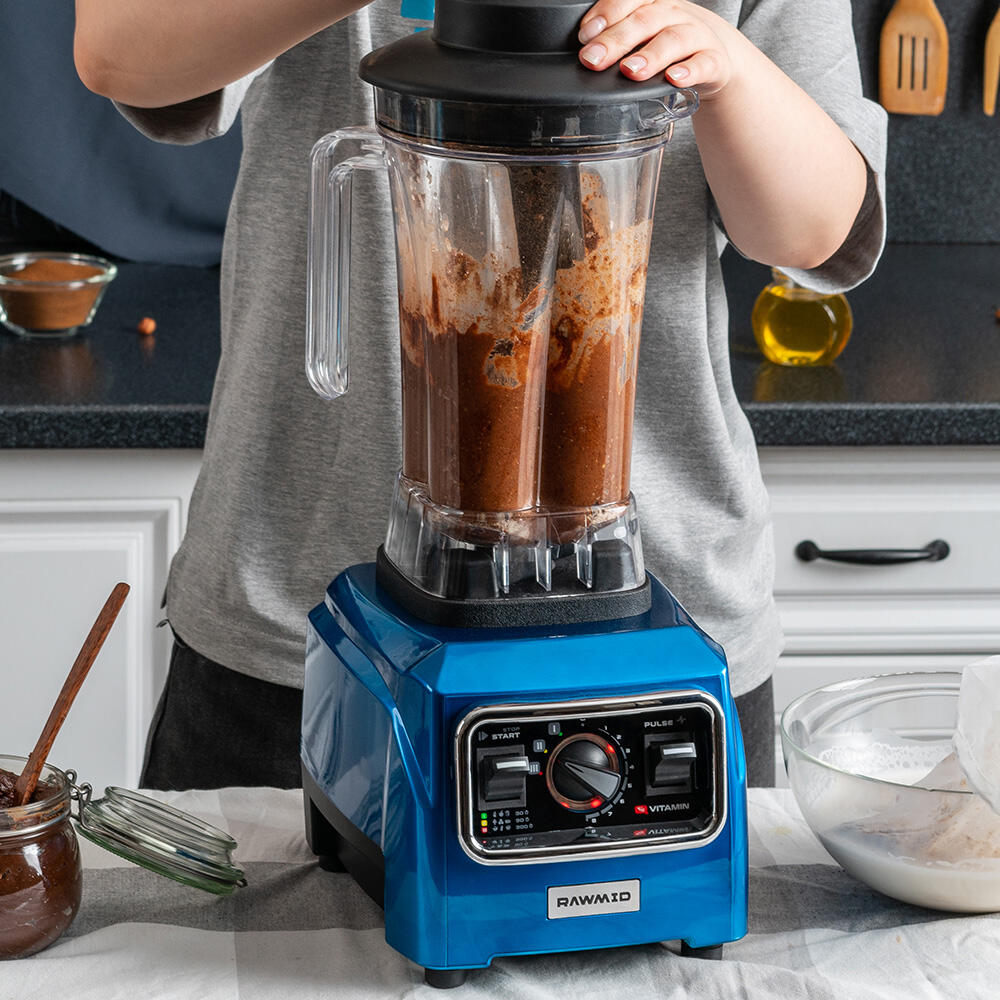
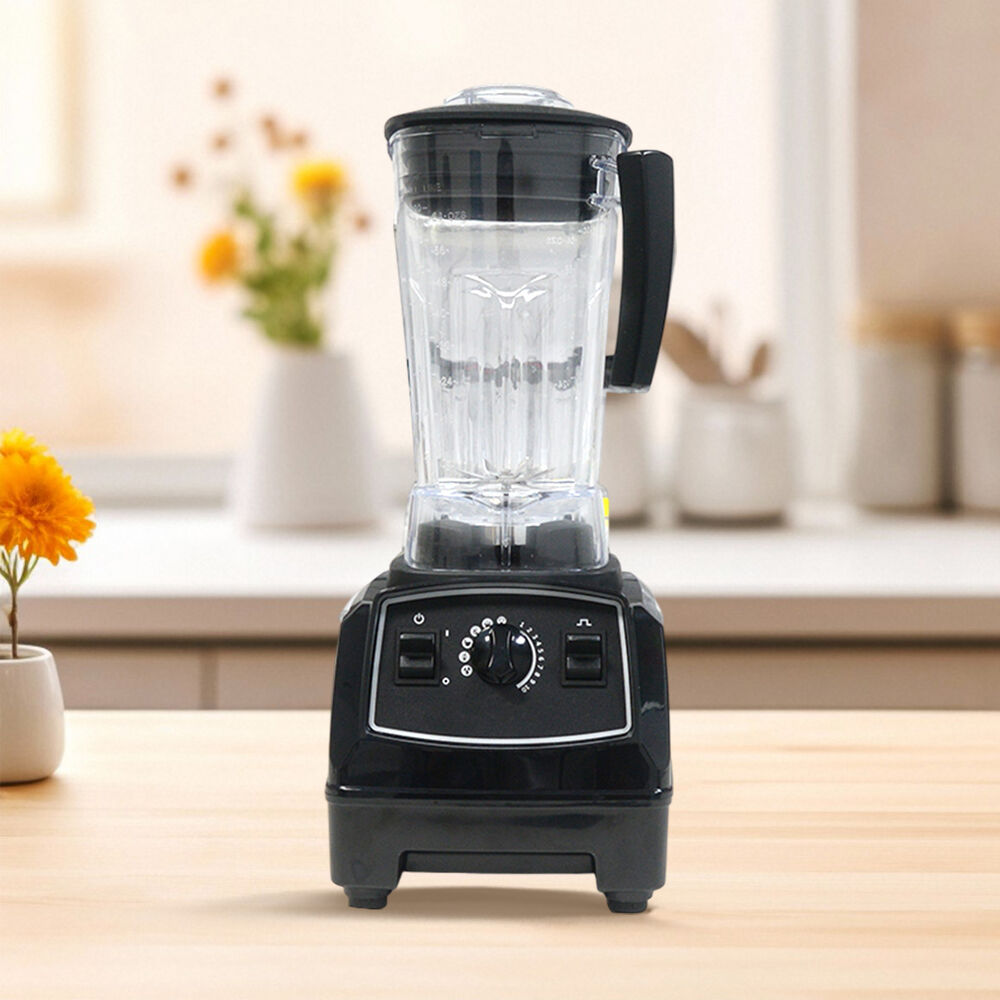
Industrial food blenders represent cutting-edge equipment designed to revolutionize large-scale food production processes across commercial kitchens, manufacturing facilities, and processing plants. These robust machines combine advanced engineering with sophisticated technology to deliver consistent, high-quality mixing results for various food applications. Unlike standard kitchen appliances, industrial food blenders are engineered to handle massive volumes while maintaining precision control over texture, consistency, and nutritional integrity. The main functions of industrial food blenders encompass emulsification, homogenization, particle size reduction, and thorough ingredient integration. These machines excel at creating smooth purees, sauces, soups, and beverages while ensuring uniform distribution of ingredients throughout the mixture. Advanced models incorporate variable speed controls, programmable cycles, and temperature monitoring systems that optimize processing parameters for different recipes. Technological features include powerful motors ranging from 5 to 50 horsepower, stainless steel construction for hygiene compliance, and specialized blade configurations designed for specific applications. Many units feature jacketed bowls for temperature control, vacuum capabilities for oxidation prevention, and automated cleaning systems that reduce downtime between batches. Smart control panels allow operators to store recipes, monitor processing parameters, and maintain consistent quality standards across production runs. Applications span diverse food sectors including dairy processing, beverage production, sauce manufacturing, baby food preparation, and specialty diet formulations. Pharmaceutical and cosmetic industries also utilize these blenders for creating precise formulations. Industrial food blenders accommodate batch sizes from 50 liters to several thousand liters, making them suitable for both mid-scale operations and massive production facilities. Safety features include emergency stops, overload protection, and enclosed designs that prevent contamination while protecting operators from moving components.
 EN
EN