 EN
EN

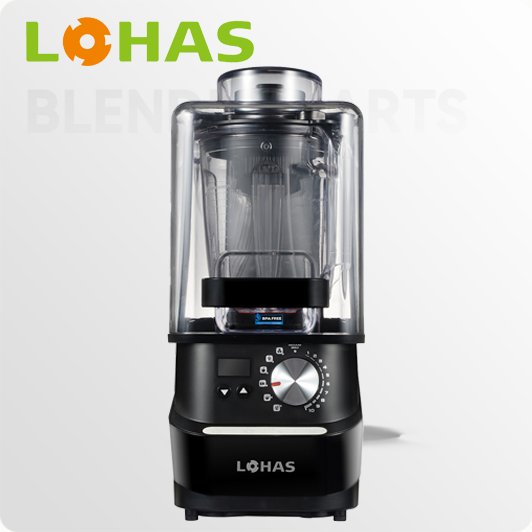
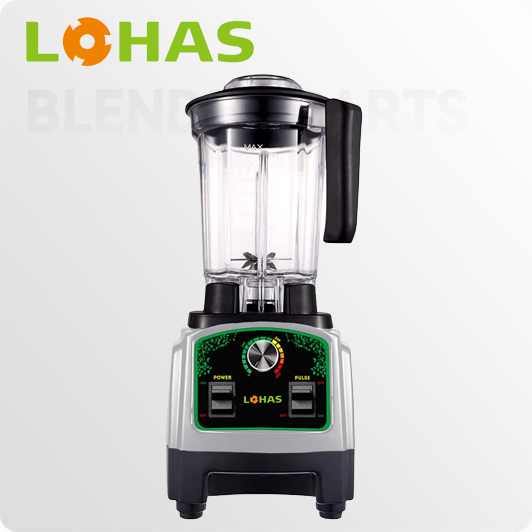
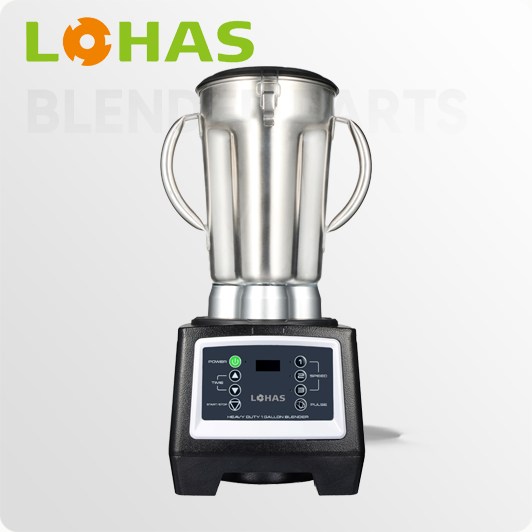
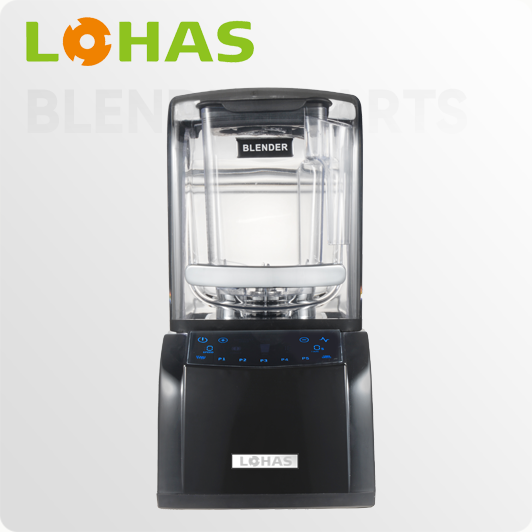
Speed control stands as the defining factor separating professional bar blender performance from consumer-grade equipment. When bartenders work in high-volume environments, the ability to adjust a bar blender's rotational velocity directly determines drink texture, ingredient emulsification, and service speed. Understanding how bar blender speed settings interact with different ingredients enables operators to achieve reproducible results across hundreds of drinks per shift, maintaining brand consistency while maximizing throughput.

The relationship between bar blender speed and texture consistency operates through precise mechanical principles that professional beverage managers must master. Each speed increment on a bar blender corresponds to specific blade tip velocities that create distinct shearing forces within the blending container. These forces determine whether frozen ingredients break into smooth particles or chunky fragments, whether dairy products emulsify into creamy textures or separate into watery layers, and whether ice transforms into snow-like consistency or remains in coarse pieces. Control over these variables transforms a bar blender from a simple mixing tool into a precision instrument for texture engineering.
How Bar Blender Speed Settings Affect Ingredient Processing
Rotational Velocity and Particle Size Distribution
The motor speed of a bar blender directly governs the centrifugal forces acting on ingredients during processing. At lower speeds between 10,000 and 15,000 RPM, a bar blender generates sufficient energy to break down soft fruits and combine liquid components without over-processing delicate ingredients. This speed range proves ideal for muddles, fruit purees, and drinks requiring visible texture elements. The bar blender maintains ingredient integrity while achieving basic homogenization, allowing bartenders to create beverages with intentional textural variation.
Mid-range speeds from 15,000 to 22,000 RPM represent the working zone for most frozen cocktails in a bar blender. Within this velocity band, ice crystals fracture into uniform particles that create the smooth, spoonable consistency customers expect from premium frozen drinks. A bar blender operating in this range generates enough kinetic energy to emulsify fats from cream or coconut milk into stable suspensions while maintaining air incorporation for lighter mouthfeel. Professional operators calibrate their bar blender settings within this range based on ice hardness, ambient temperature, and specific recipe requirements.
High-Speed Processing and Emulsion Stability
Maximum speed settings above 22,000 RPM on a commercial bar blender serve specialized applications requiring complete ingredient breakdown. These velocities transform nuts into butter, pulverize fibrous vegetables into juice, and create completely smooth textures from challenging ingredients. The bar blender's high-speed capability becomes essential when preparing house-made syrups, nut milks, or infused bases that demand absolute smoothness. However, excessive speed can also introduce unwanted heat through friction, dilute flavors through over-aeration, or destroy delicate aromatics in fresh herbs.
Understanding when to limit bar blender speed prevents common texture problems. Protein-based ingredients like egg whites or dairy cream develop optimal foam structure at moderate speeds where air incorporation occurs gradually. Running a bar blender at maximum speed when processing these ingredients often results in over-whipping, creating stiff, separated textures instead of silky emulsions. Strategic speed selection allows the bar blender to function as a multi-purpose tool, adapting to ingredient-specific requirements rather than applying uniform processing to all recipes.
Achieving Reproducible Texture Through Speed Standardization
Establishing Baseline Speed Profiles for Recipe Categories
Consistency across multiple bar blender units and different shifts requires documented speed protocols for each drink category. A standardized bar blender speed chart should specify exact RPM settings and blend durations for frozen cocktails, smoothies, cream-based drinks, and juice blends. This documentation eliminates the guesswork that leads to texture variation when different bartenders operate the bar blender. By establishing measurable parameters, management ensures every frozen margarita achieves identical smoothness whether prepared at noon or midnight, regardless of which bar blender or which operator handles the order.
The testing process for developing bar blender speed standards involves systematic experimentation with ingredient ratios, ice quantities, and processing times. Operators should prepare multiple batches of the same drink at different bar blender speeds, documenting the resulting texture, temperature, and visual appearance. The optimal setting balances complete ice breakdown with minimal processing time, allowing the bar blender to achieve perfect texture without unnecessary motor wear or heat generation. These validated settings then become part of training materials and recipe cards, creating institutional knowledge that survives staff turnover.
Environmental Variables That Require Speed Adjustment
Even with standardized protocols, a bar blender requires speed modifications based on environmental conditions. Ice hardness varies significantly between freezer temperatures of negative ten versus negative twenty degrees Fahrenheit. Harder ice demands higher bar blender speeds or longer processing times to achieve the same particle size distribution. Ambient temperature affects ingredient viscosity, with cold dairy requiring more aggressive bar blender action than room-temperature liquids. Seasonal humidity impacts ice surface characteristics, changing how quickly frozen ingredients release from the bar blender container walls.
Professional operators develop sensitivity to these variables through experience, adjusting bar blender speed intuitively based on sensory feedback. The sound pitch of a bar blender changes as ice breaks down, indicating when adequate processing has occurred. Visual inspection of the vortex pattern within the bar blender container reveals whether ingredients are circulating properly or stalling against the blade assembly. Skilled bartenders learn to read these signals, fine-tuning bar blender speed in real-time to compensate for variable conditions while maintaining consistent output texture.
Technical Specifications That Enable Precise Speed Control
Motor Design and Electronic Speed Regulation
The quality of speed control in a bar blender depends fundamentally on motor design and electronic regulation systems. Brush-type motors in entry-level bar blender models lack the torque stability needed for consistent speed under variable loads. As ice and frozen ingredients create resistance, these bar blender motors slow down, delivering inconsistent particle size. Professional-grade bar blender units employ brushless DC motors or induction motors that maintain constant RPM regardless of blending resistance, ensuring the bar blender delivers specified speed throughout the entire blend cycle.
Electronic speed controllers in premium bar blender models provide closed-loop feedback systems that monitor actual blade velocity thousands of times per second. If the bar blender detects speed deviation from the set point, the controller automatically increases power delivery to compensate. This technology proves critical during the initial seconds when a bar blender encounters solid ice, preventing the motor stall that causes texture inconsistency. Advanced bar blender systems also feature programmable acceleration curves, ramping speed gradually to prevent ingredient splashing while quickly reaching target velocity for efficient processing.
Blade Geometry and Speed-Dependent Performance
The interaction between bar blender blade design and rotational speed creates complex fluid dynamics that determine mixing efficiency. Blade pitch angle affects how aggressively a bar blender pulls ingredients downward toward the cutting edges. Steeper pitch angles work effectively at lower bar blender speeds but create excessive turbulence at high velocities. Blade tip shape influences whether a bar blender cuts cleanly through frozen material or simply pushes ingredients aside. Dull or damaged bar blender blades require higher speeds to achieve the same texture as sharp blades, increasing motor wear and energy consumption.
Container geometry must complement bar blender blade design to ensure proper ingredient circulation. The diameter ratio between bar blender blade span and container width determines whether materials recirculate efficiently or stagnate in dead zones. A properly matched bar blender system creates a vortex pattern that continuously feeds unprocessed material into the blade path. Operators should verify that their bar blender maintains this circulation pattern across the full speed range, as improper matching causes some speeds to perform poorly despite adequate motor power.
FAQ
What bar blender speed produces the smoothest frozen drinks?
Most commercial bar blender units achieve optimal frozen drink texture at speeds between 18,000 and 22,000 RPM when processing standard ice cube sizes. This bar blender speed range provides sufficient kinetic energy to fracture ice into particles smaller than 2 millimeters while maintaining blend times under 45 seconds. The exact optimal speed for a bar blender varies based on ice hardness, liquid ratio, and motor power, requiring operators to test their specific equipment and establish standardized settings that deliver consistent results.
Can bar blender speed affect drink temperature?
Yes, excessive bar blender speed or prolonged blending duration generates friction heat that raises drink temperature. A bar blender operating above 25,000 RPM for more than 60 seconds can increase beverage temperature by 5 to 8 degrees Fahrenheit, creating a thin, watery texture in frozen cocktails. Professional bar blender operators minimize this effect by using the lowest speed that achieves desired texture within 30 to 45 seconds, preserving the cold temperature essential for frozen drink quality and preventing premature dilution.
How does bar blender speed impact operational efficiency during rush periods?
Strategic bar blender speed selection directly influences service speed during high-volume periods. A bar blender set to appropriate speed for each drink category reduces blend time while maintaining texture standards, allowing bartenders to complete more drinks per hour. However, using maximum bar blender speed for all applications often proves counterproductive, as over-processing requires drink remakes and excessive speed generates more noise that degrades customer experience. Well-calibrated bar blender speed protocols balance throughput with quality, enabling sustained production without sacrificing consistency.