 EN
EN

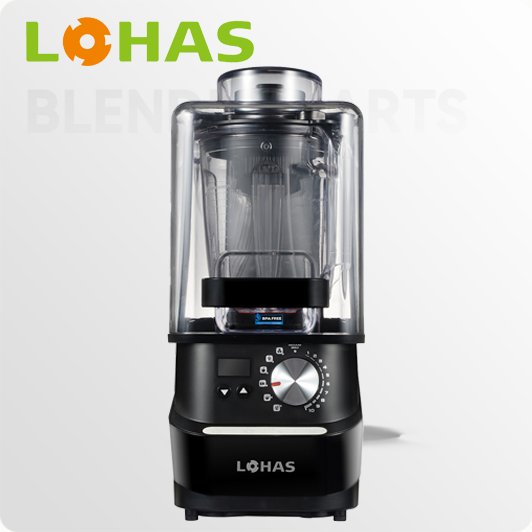
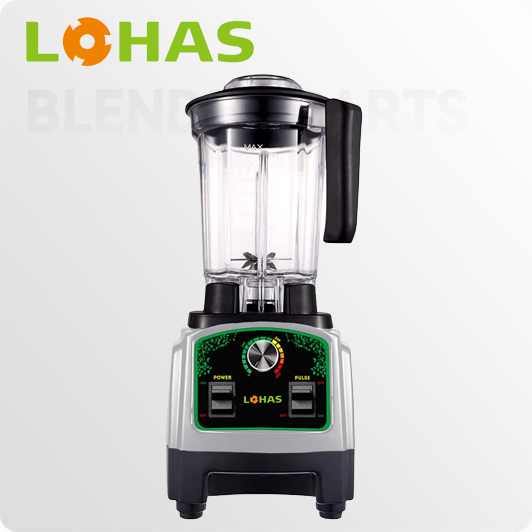
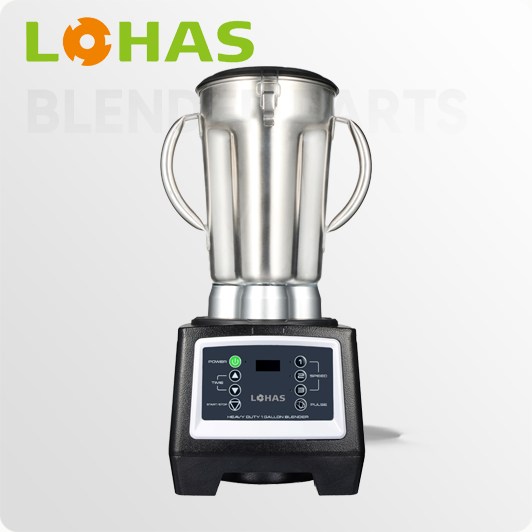
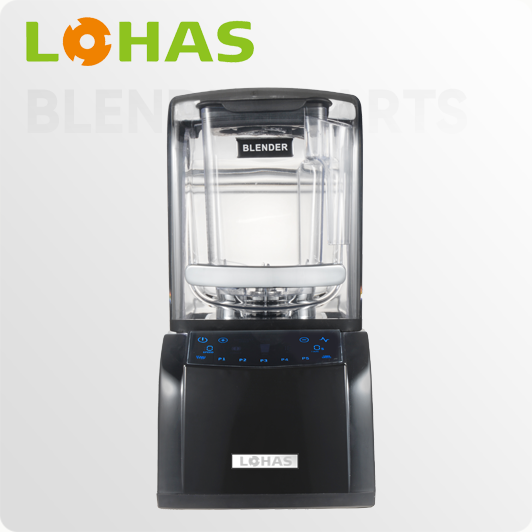
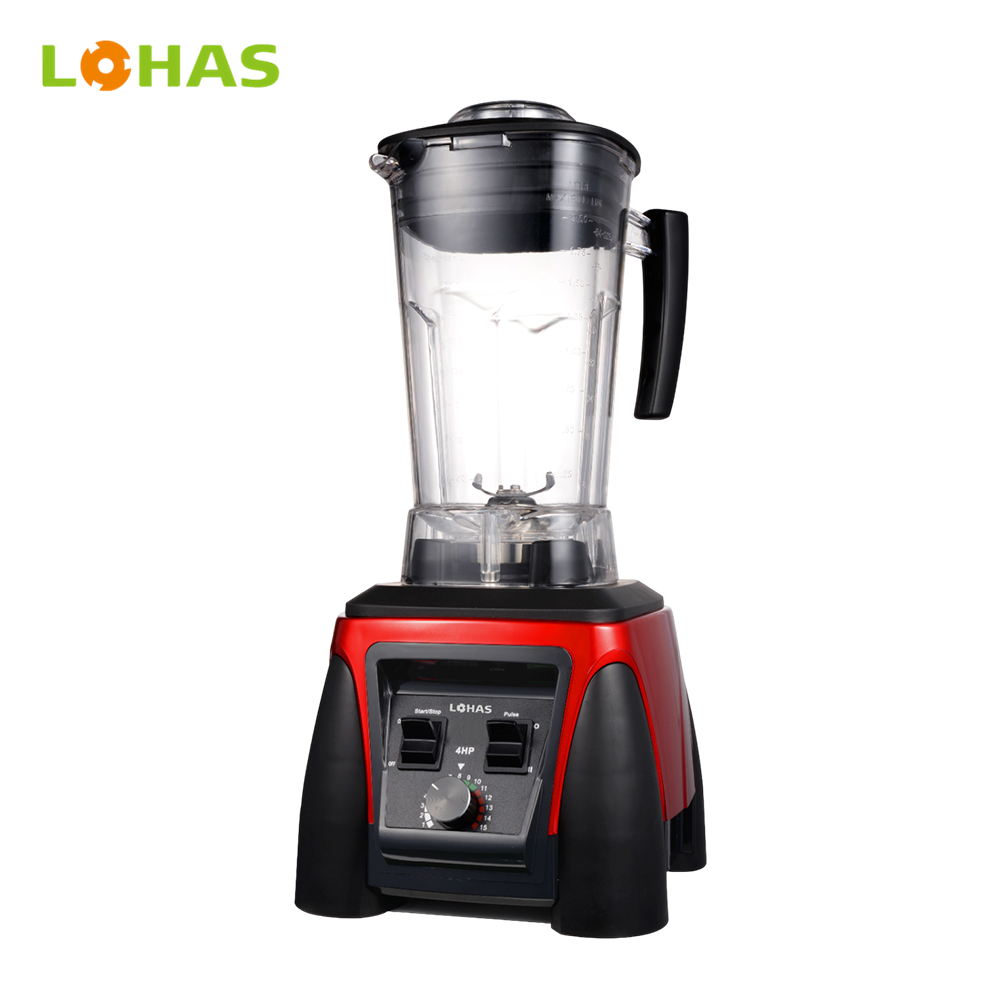
A bar blender is one of the most purposeful pieces of equipment found behind any professional bar counter, yet its design is often misunderstood. Unlike a standard kitchen appliance, a bar blender is engineered from the ground up to handle the specific demands of high-volume beverage preparation in commercial environments. From crushing ice at speed to emulsifying fruit bases for signature cocktails, every mechanical and structural decision in a bar blender exists to serve a clearly defined set of tasks that home blenders simply cannot perform at the same level of consistency or durability.

Understanding what a bar blender is actually designed for changes the way operators select, use, and maintain their equipment. The design intent directly influences the motor power, blade geometry, container material, noise management, and control interface. This article breaks down the core functions and design logic of a bar blender so that buyers in the hospitality and food service sector can make more informed decisions about what they need and why it matters for their daily operation.
The Fundamental Purpose Behind Bar Blender Design
Serving High-Volume Drink Orders Without Compromise
The primary reason a bar blender is built differently from a residential unit is the expectation of continuous use. A busy bar or café may require dozens of blended drinks per hour during peak service. This means the motor must sustain repeated full-load cycles without thermal shutdown, and the container must withstand the mechanical stress of ice and dense ingredients over long shifts. Design choices such as heavy-duty motor windings, thick polycarbonate or stainless steel containers, and reinforced blade assemblies all trace back to this single operational reality.
A well-designed bar blender is also built to deliver consistent output across every blend cycle. When a guest orders a frozen margarita, the texture and temperature of that drink should match the one served to the next customer. This repeatability requires precise motor control, proper container geometry to create an efficient vortex, and blade designs that process ingredients in a predictable sequence. Without these engineering commitments, consistency becomes difficult to maintain during a busy service period.
Handling the Full Spectrum of Bar Ingredients
A bar blender is designed to process ingredients that span a wide range of hardness, density, and moisture content. At one extreme, you have whole ice cubes that require sheer mechanical force. At the other, you have delicate fresh herbs, soft fruits, and dairy components that need to be incorporated gently without over-processing. The engineering challenge is creating a machine that can do both effectively, which is why commercial bar blenders use variable speed controls and preset programs rather than a single on-off switch.
Alcohol introduces additional complexity. Many spirits, liqueurs, and mixers have different viscosities and sugar contents that affect how a blend comes together. A quality bar blender accounts for this by offering enough motor torque to maintain blade speed even when thick or layered mixtures create resistance. The result is a cleaner, more uniform texture that elevates the quality of every drink, from a frozen piña colada to a blended coffee cocktail.
Ice Processing as a Core Design Mandate
Why Ice Crushing Capacity Defines Bar Blender Power
No ingredient is more demanding on a bar blender than ice. Whole cubes and large crushed pieces apply sudden shock loads to both the blade and the motor that can degrade an underpowered machine very quickly. This is why commercial bar blenders are typically rated at one horsepower or higher, with many heavy-duty models reaching two to three horsepower. That power reserve ensures the motor does not stall or overheat when processing a full container of ice during back-to-back orders.
The blade assembly in a bar blender is also shaped specifically for ice work. Blades are often wider, thicker, and set at shallower angles compared to those used in general-purpose blenders. This geometry allows the blade to fracture ice rather than simply deflect it, producing the fine, snow-like texture that is essential for frozen cocktails and slushies. When ice processing capacity is compromised, the entire drink category that depends on it becomes inconsistent or labor-intensive.
Container Volume and Shape for Ice-Heavy Recipes
The container of a bar blender is engineered to work with ice-heavy loads. Most commercial bar containers hold between 48 and 64 ounces, which gives enough headroom for ice expansion during blending without overflow. The taper of the container walls also plays a role in directing ingredients back toward the blade center, maintaining the circulation that produces a smooth blend rather than isolated pockets of unprocessed ice.
Sound enclosures have become a standard design feature on many modern bar blender models specifically because ice processing is loud. In a hospitality setting where guests expect a certain ambient atmosphere, the acoustic impact of repeated ice blending is a real concern. Soundproof enclosures dampen this noise significantly, allowing the machine to run at full power without disrupting nearby conversations or affecting the overall guest experience.
Speed and Precision Control for Beverage Quality
Variable Speed Systems and Their Role in Drink Texture
A professional bar blender gives the operator meaningful control over speed because different beverages require different processing intensities. A smoothie made with frozen berries needs high speed to break down the fiber and skin into a homogenous texture. A cocktail with fresh mint requires lower speed to avoid releasing bitter chlorophyll compounds. The ability to dial in the right speed at the right stage of preparation is not a luxury feature; it is central to the quality output the machine is designed to deliver.
Many high-end bar blenders include programmable preset modes that allow staff to repeat the same speed profile with one button press. This is especially valuable in environments with multiple staff members and varying levels of blending experience. When a preset handles the timing and speed progression automatically, the bar blender becomes a consistent partner in drink preparation rather than a tool that produces variable results depending on who is operating it.
Pulse Functions and Manual Override in Commercial Settings
The pulse function on a bar blender serves a specific technical role. Rather than running continuously, a pulse sends short bursts of motor power to the blade, allowing operators to control the degree of processing with precision. This is useful for drinks that need a chunky texture, such as certain frozen daiquiris or blended fruit drinks where small visible pieces are part of the appeal. Without a reliable pulse function, achieving that texture requires guesswork.
Manual override options complement preset programs by giving experienced bartenders the flexibility to adjust mid-cycle if an unusual ingredient load requires it. A well-designed bar blender integrates both automated and manual modes seamlessly so that workflow is never interrupted. The control interface should be intuitive enough to operate at speed during service, with clearly labeled controls that respond immediately and predictably to the operator's input.
Durability and Sanitation Standards in Bar Blender Construction
Material Choices That Reflect Commercial Expectations
The materials used in a bar blender are selected for their ability to withstand the physical and chemical demands of a commercial kitchen environment. Containers made from BPA-free polycarbonate or stainless steel resist impact, temperature extremes, and the acidic content of citrus-heavy cocktail ingredients. The motor housing is typically made from heavy-gauge materials that protect internal components from moisture, spills, and the vibration generated by continuous high-speed operation.
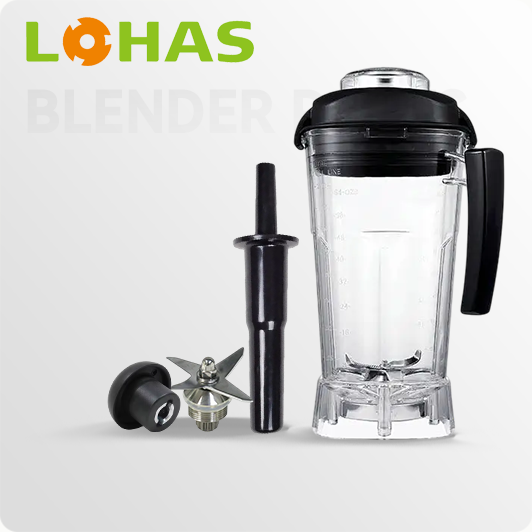
Blade assemblies in a commercial bar blender are made from hardened stainless steel alloys that maintain their edge geometry through thousands of blend cycles. Unlike consumer-grade blades that can deform or dull quickly under heavy loads, commercial blades are precision-manufactured and often replaceable as individual components, which extends the service life of the entire unit and reduces total cost of ownership over time.
Cleaning Efficiency as a Design Consideration
In a busy bar setting, a bar blender may need to be cleaned and returned to service within seconds between orders. This is why leading commercial designs incorporate removable blade assemblies, wide-mouth containers, and smooth interior surfaces that do not trap ingredients. Some models support in-place rinse cycles where a small amount of water and dish soap is run through the machine at high speed, cleaning the interior walls without disassembly.
Sanitation is not just a matter of cleanliness; it is a regulatory and safety requirement in food service. A bar blender that is difficult to disassemble or has rough surfaces where residue can accumulate creates a hygiene risk. Thoughtful design eliminates these risks by making the cleaning process fast, thorough, and compatible with commercial dishwashers where applicable. This directly supports a bar's ability to maintain health code compliance during high-volume service.
Noise Management and Operational Environment Fit
Sound Enclosures and Their Impact on Bar Atmosphere
The acoustic environment of a bar or restaurant is part of the guest experience, and a bar blender running at full power can generate noise levels between 85 and 100 decibels without enclosure. Modern commercial designs address this by integrating sound-dampening shells, dense foam lining, and sealed lid mechanisms that contain the acoustic energy produced during high-speed ice processing. The result is a machine that operates at nearly full power while producing a fraction of the audible output.
For upscale venues, hotel bars, and café environments where noise management is a priority, a bar blender with built-in sound reduction technology is not optional; it is a prerequisite. The difference between a quiet and a standard model can mean the difference between fitting into the service environment or disrupting it entirely. Operators in noise-sensitive settings should treat sound enclosure as a core feature rather than an accessory.
Footprint and Placement Compatibility with Bar Layouts
A bar blender must fit into a working bar layout without creating ergonomic problems or obstructing other equipment. Commercial models are designed with a compact footprint and a stable base that prevents vibration-related movement during operation. Cord management, lid locking mechanisms, and low-profile container designs all contribute to making the machine an efficient fit for the tight spatial constraints typical of professional bar workstations.
Placement near ice wells, shakers, and garnish stations is common, so a bar blender must also tolerate exposure to moisture and minor splashing without compromising motor performance or electrical safety. Sealed motor housings, waterproof control panels, and non-slip base pads are practical design answers to these spatial realities. Every design element should reflect the actual working conditions of the environment the machine is built to serve.
FAQ
What makes a bar blender different from a regular home blender?
A bar blender is engineered for continuous commercial use, which means it has a more powerful motor, more durable blade assembly, and heavier construction materials than a typical home unit. It is also designed to process ice efficiently, withstand high-cycle workloads, and meet food service sanitation standards. Home blenders are built for occasional use with lighter loads and do not offer the same level of repeatability or durability.
Can a bar blender be used for food preparation beyond drinks?
Yes, a bar blender can handle many food preparation tasks such as blending soups, sauces, purees, and dressings, particularly in smaller kitchen operations. However, its container size and blade geometry are optimized for beverage work, so it performs best with liquid-dominant recipes. For heavy solid food processing, a commercial food processor may be a better primary choice, while the bar blender continues to serve its core drink preparation role.
How important is motor power when choosing a bar blender?
Motor power is one of the most important selection criteria for a bar blender in a professional environment. Higher horsepower ratings translate directly into better ice-crushing ability, faster blend cycles, and improved resistance to thermal overload during continuous service. For bars with a significant volume of frozen drink orders, choosing a motor that is rated well above the minimum requirement is a sound investment that extends equipment life and reduces service interruptions.
How often should a commercial bar blender be cleaned?
A bar blender used in a commercial setting should be rinsed between orders when switching between ingredients with strong flavors or allergens, and thoroughly cleaned at the end of each service period. Most commercial units support a quick in-container rinse cycle that takes under a minute. A full disassembly and deep clean should be performed daily to comply with food safety regulations and prevent residue buildup that can affect both flavor and hygiene over time.