 EN
EN

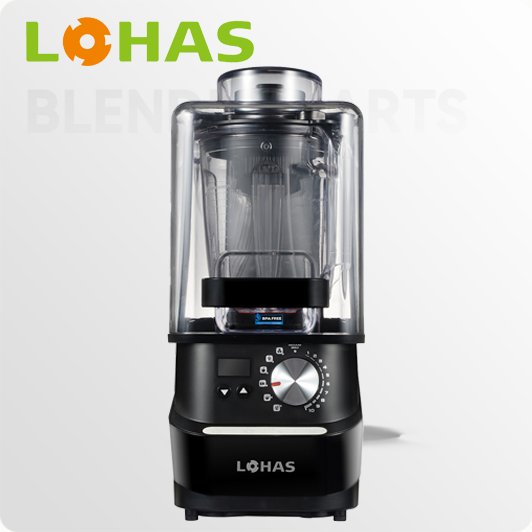
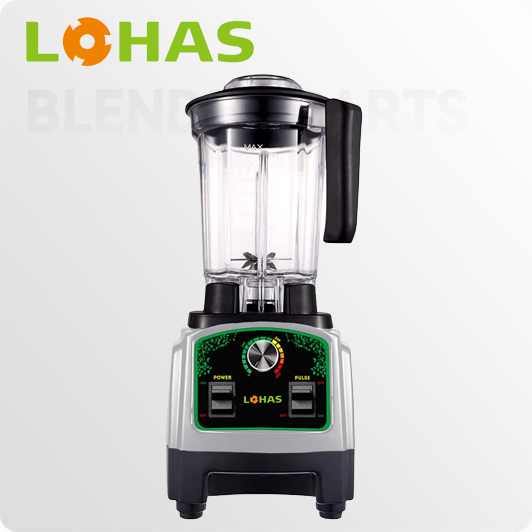
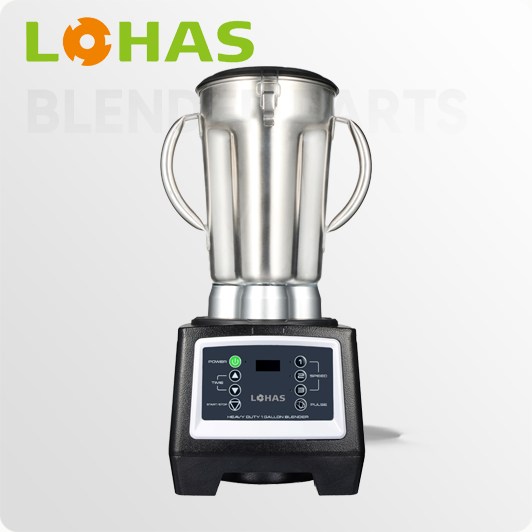
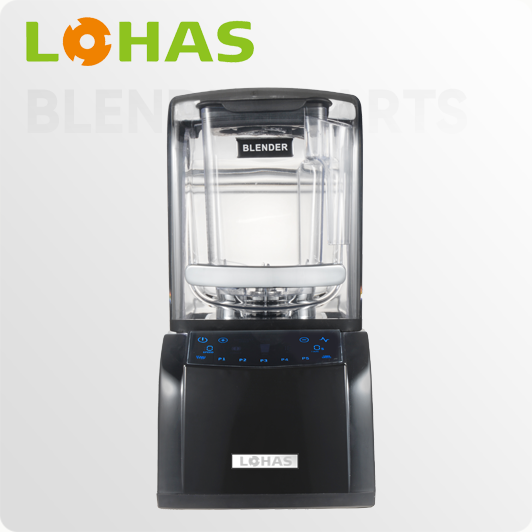
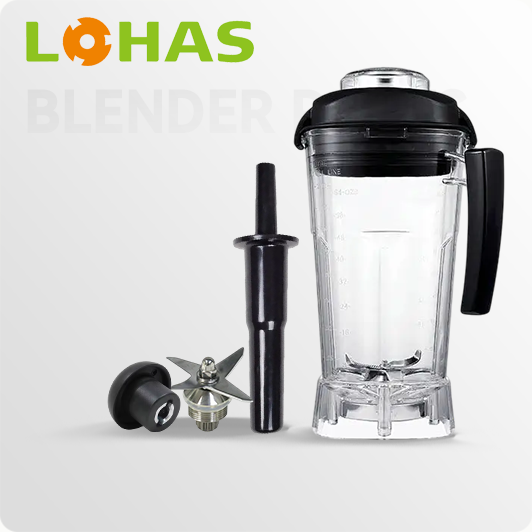
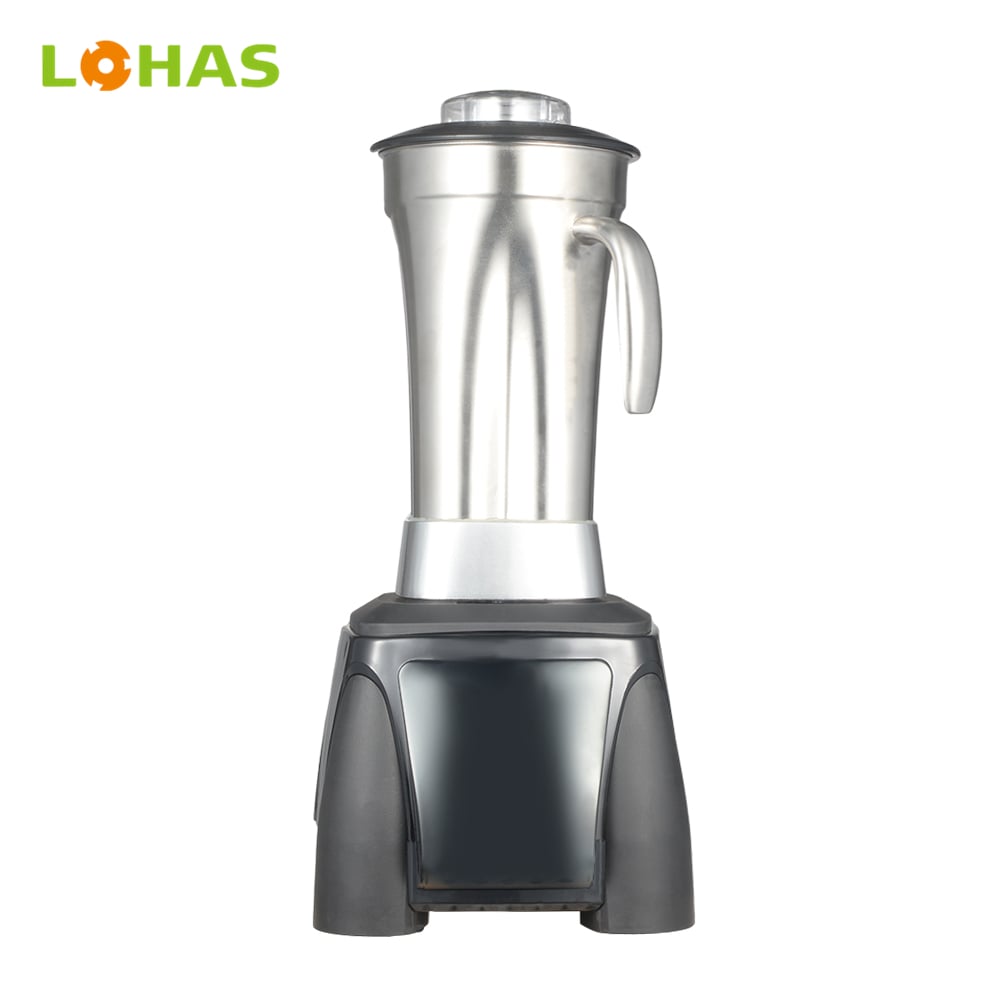
A bar blender operating at high speed is one of the most demanding tools in any commercial beverage environment. When a bar blender runs at peak RPM to crush ice, blend frozen fruit, or emulsify dense ingredients, every component of its design is tested. Stability during these intense cycles is not a luxury — it is a functional requirement that directly affects drink quality, operator safety, and equipment lifespan. Understanding what drives bar blender stability helps bar managers, equipment buyers, and beverage professionals make smarter decisions.

Stability in a bar blender at high speed involves multiple interacting factors — the motor design, the base weight and footprint, the jar coupling mechanism, and vibration-dampening systems. A bar blender that shifts, rattles, or walks across the counter during operation introduces risk and inconsistency. In high-volume bar environments where a bar blender may cycle dozens of times per hour, even minor instability compounds into real operational problems. This article explores the core engineering and design principles that keep a bar blender stable under high-speed conditions.
Mechanical Foundations of Bar Blender Stability
Motor Placement and Base Engineering
The motor is the heart of every bar blender, and its placement within the base unit has a direct impact on high-speed stability. A bar blender with a low center of gravity resists tipping and lateral movement during intense blending cycles. Heavy-duty bar blender models typically house a high-torque motor deep within a weighted base, which anchors the unit firmly to the countertop. When the bar blender generates strong centrifugal forces while processing ice or thick frozen mixtures, that low center of gravity prevents the kind of vibration that could dislodge the jar or shift the unit.
The base footprint of a bar blender also contributes significantly to stability. A wider base distributes vibration energy across a larger contact area, reducing the chance of movement. Many commercial bar blender designs incorporate rubberized or silicone non-slip pads on the underside of the base, which grip countertops effectively even when the bar blender is operating at full power. This combination of weight, low motor placement, and grip surface engineering is what distinguishes a stable bar blender from one that shimmies and slides under load.
Jar-to-Base Coupling Integrity
One of the most critical stability points in any bar blender is the connection between the jar and the motor base. A bar blender relies on a tight, secure coupling to transfer rotational force from the motor shaft to the blade assembly inside the jar. If this coupling is loose or worn, the bar blender will vibrate excessively and the blade may wobble at high RPM. Precision-machined coupling components ensure that the bar blender maintains a firm lock during the full range of its operating speeds.
In a professional-grade bar blender, the jar typically locks into the base with a bayonet-style or keyed mechanism that resists upward force generated by blending pressure. This means the jar of the bar blender cannot ride up or detach while the motor is spinning. Consistent coupling quality is especially important in bar environments because staff often engage and remove the jar quickly between orders, and repeated handling must not degrade the lock-in function of the bar blender over time.
Vibration Control in High-Speed Bar Blender Design
Internal Damping Systems
High-speed operation naturally generates vibration, and a well-engineered bar blender manages this through internal damping systems built into the motor housing and drive shaft. Vibration isolation pads placed between the motor and the outer housing of the bar blender absorb resonant frequencies that would otherwise transmit through the base to the countertop. These materials — often dense rubber or composite polymers — are selected to match the frequency range of the bar blender motor, providing targeted absorption rather than generic cushioning.
A bar blender running without adequate internal damping will transmit vibration upward into the jar, which affects blend consistency and increases blade wear. In a busy bar, a bar blender that vibrates excessively also produces more noise and can cause the jar lid to loosen mid-cycle. Investing in a bar blender with properly engineered internal damping is a practical decision that pays off in quieter operation, longer component life, and a more consistent final drink.
Blade Balance and Rotational Symmetry
An often-overlooked contributor to bar blender stability is the precision balance of the blade assembly itself. A bar blender blade that is not perfectly balanced will create an oscillating force at high RPM, which acts like a small but persistent shaking force on the entire unit. High-quality bar blender blades are manufactured with tight tolerances to ensure symmetrical weight distribution. When all blade arms carry equal mass, the bar blender runs smoothly even at maximum speed.
The blade shaft bearings inside a bar blender also play a role. Worn or low-grade bearings allow lateral blade movement, which amplifies instability during high-speed cycles. A commercial bar blender uses sealed, heavy-duty bearings that maintain tight radial tolerance throughout thousands of operational hours. When choosing a bar blender for high-volume bar use, blade balance and bearing quality are worth examining closely because they directly determine how stable and consistent the bar blender performs over time.
Operational Practices That Support Bar Blender Stability
Load Consistency and Jar Fill Discipline
Even the most mechanically sound bar blender can become unstable if it is operated incorrectly. Overfilling the jar of a bar blender causes uneven load distribution, which throws off the rotational balance during high-speed operation. A bar blender jar filled beyond its recommended capacity creates pressure surges that push upward on the lid and cause the jar to vibrate against the coupling. Bar staff should follow the fill guidelines marked on the bar blender jar to ensure the motor operates within its intended load range.
Similarly, adding very large ice chunks to a bar blender without pre-breaking them can create momentary imbalances as the blade struggles to grip and process the load. A well-trained operator understands that a bar blender performs most stably when ingredients are loaded in proper sequence — liquid first, then soft ingredients, then ice — allowing the bar blender motor to build speed gradually and engage the load evenly from the start of the cycle.
Surface and Environment Considerations
The surface on which a bar blender operates affects its real-world stability regardless of the unit's engineering quality. A bar blender placed on an uneven, wet, or vibrating surface will amplify instability rather than suppress it. Bar countertops should be level and dry before placing the bar blender, and the non-slip base pads should be checked periodically to ensure they have not degraded. A worn pad reduces the grip of the bar blender base and can allow movement even when the unit itself is in perfect mechanical condition.
FAQ
What makes a bar blender stable during high-speed blending?
A bar blender achieves stability through a combination of a weighted low-center-of-gravity base, precision jar-to-base coupling, internal vibration damping, and balanced blade assemblies. Each of these features works together to reduce movement and vibration when the bar blender operates at peak speed.
How often should the coupling on a bar blender be inspected?
The coupling of a bar blender should be inspected regularly, particularly in high-volume environments. A quick visual and tactile check before each service period helps identify wear early. A loose or damaged coupling compromises the stability and safety of the bar blender and should be replaced promptly.
Can a bar blender be used safely at maximum speed for every blend cycle?
A commercial-grade bar blender is designed to handle maximum speed cycles consistently, but best practice involves matching speed to ingredient type. Using the highest speed on a properly loaded bar blender with correct jar fill levels ensures both safety and stability. Overloading or dry-blending can stress the bar blender motor and reduce long-term stability performance.