 EN
EN

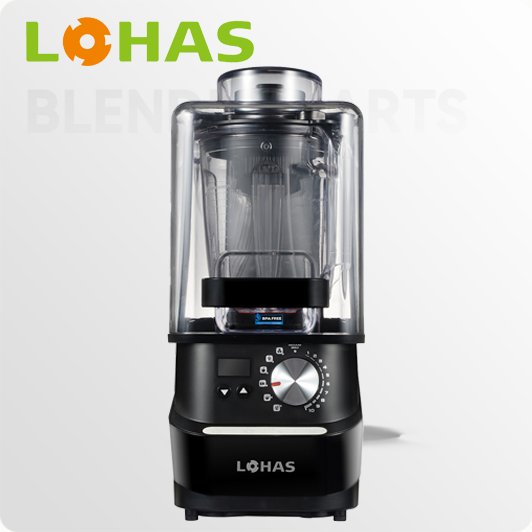
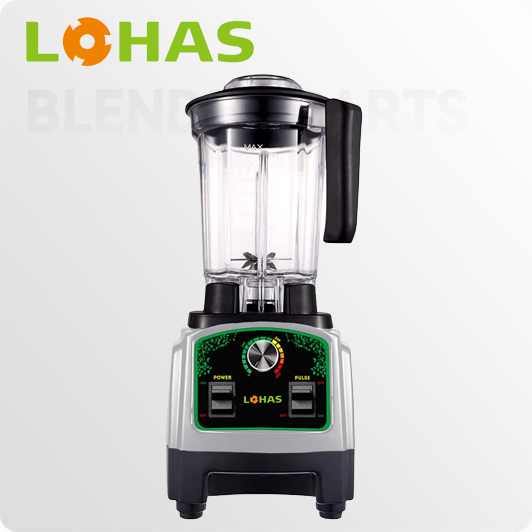
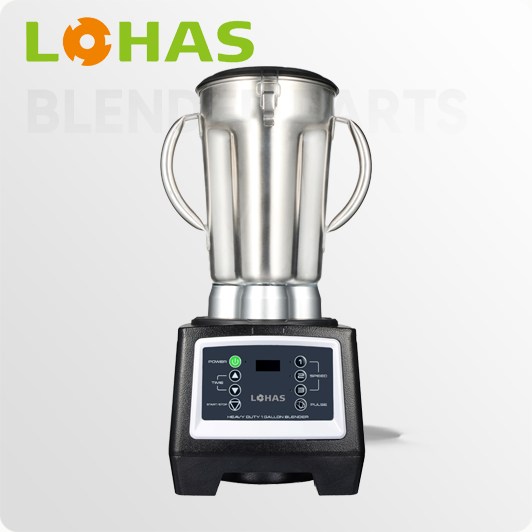
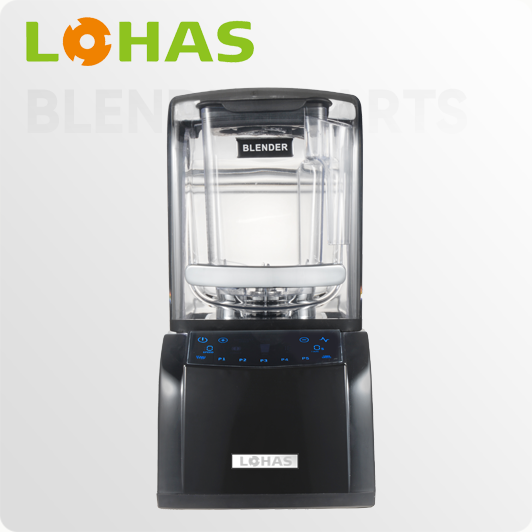
Choosing the right capacity for a bar blender directly impacts your operational efficiency, service speed, and customer satisfaction. Whether you operate a high-volume nightclub, a craft cocktail lounge, or a resort poolside bar, the bar blender capacity you select must align with your menu complexity, peak service demands, and available counter space. A bar blender that is too small forces repeated batching and slows service during rush periods, while an oversized bar blender consumes valuable workspace and may sit underutilized during slower shifts. Understanding how bar blender capacity relates to your specific service model ensures you invest in equipment that supports consistent quality and profitability.
The ideal bar blender capacity depends on three primary factors: the volume of blended drinks you prepare per service period, the variety of recipes on your menu, and the physical layout of your bar station. A busy beach bar serving frozen margaritas and daiquiris all day requires a different bar blender capacity than a cocktail bar that prepares occasional blended specialty drinks. This guide examines how to match bar blender capacity to your operational reality, evaluate the trade-offs between pitcher size and throughput, and select a bar blender that delivers consistent results without compromising workflow or quality.
Understanding Bar Blender Capacity Options
Standard Capacity Ranges for Commercial Bar Blenders
Most commercial bar blender models offer pitcher capacities ranging from 32 ounces to 64 ounces, with some high-volume bar blender units extending to 80 ounces or more. A 32-ounce bar blender typically produces two to three servings per blend cycle, making it suitable for craft cocktail bars with moderate blended drink volume. A 48-ounce bar blender balances batch size and workspace efficiency, allowing bartenders to prepare four to six servings depending on recipe and glass size. Larger 64-ounce bar blender units are ideal for high-volume environments where bartenders need to batch blended drinks quickly during peak service windows. Selecting the right bar blender capacity starts with calculating your average blended drink orders per hour and determining whether single-serve precision or multi-serve batching better serves your operational model.
How Pitcher Shape Affects Usable Capacity
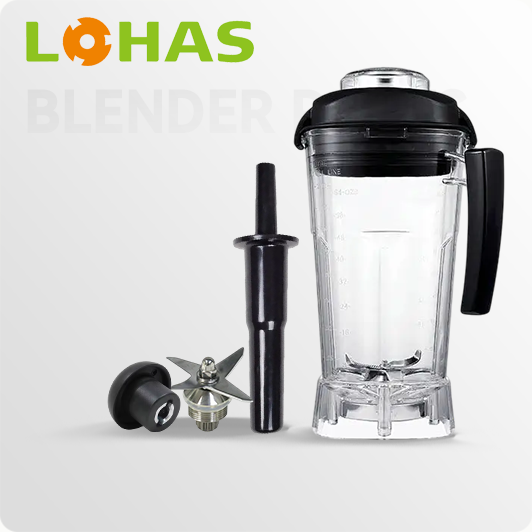
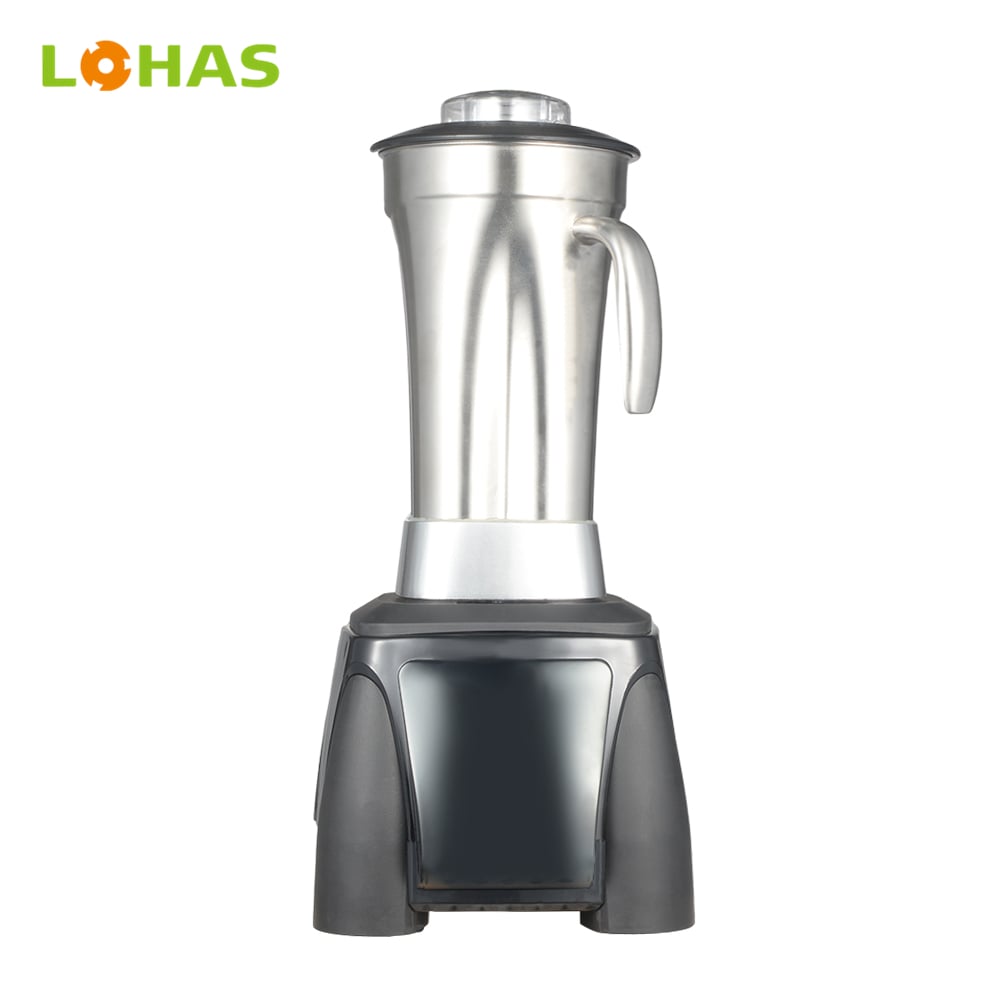
The stated capacity of a bar blender does not always reflect practical working capacity. A bar blender with a 64-ounce pitcher may only accommodate 50 to 54 ounces of blended mixture to prevent overflow and ensure proper vortex formation. Tapered pitcher designs in a bar blender create more efficient blending dynamics but may reduce usable volume compared to straight-sided containers. Wide-base bar blender pitchers provide stability and faster blending but require more counter space. Narrow, tall bar blender pitchers maximize capacity in compact footprints but may create uneven blending if not paired with sufficient motor power. When evaluating a bar blender, always test with your actual recipes and target serving sizes to confirm the working capacity matches your service needs, rather than relying solely on manufacturer specifications.
Matching Bar Blender Capacity to Service Volume
Low to Moderate Volume Bars
For bars serving fewer than 30 blended drinks per hour, a 32 to 40-ounce bar blender provides adequate capacity without occupying excessive counter space. This bar blender size suits craft cocktail lounges, wine bars with limited blended offerings, and restaurants with bar service where frozen drinks represent a small menu percentage. Bartenders can prepare individual or double servings with precision, ensuring consistent texture and flavor without the waste risk associated with larger batches. A compact bar blender also simplifies cleaning between recipe changes, which is critical when your menu includes diverse flavor profiles that should not cross-contaminate. This bar blender capacity range supports quality-focused service where each drink receives dedicated attention.
High-Volume and Event-Driven Operations
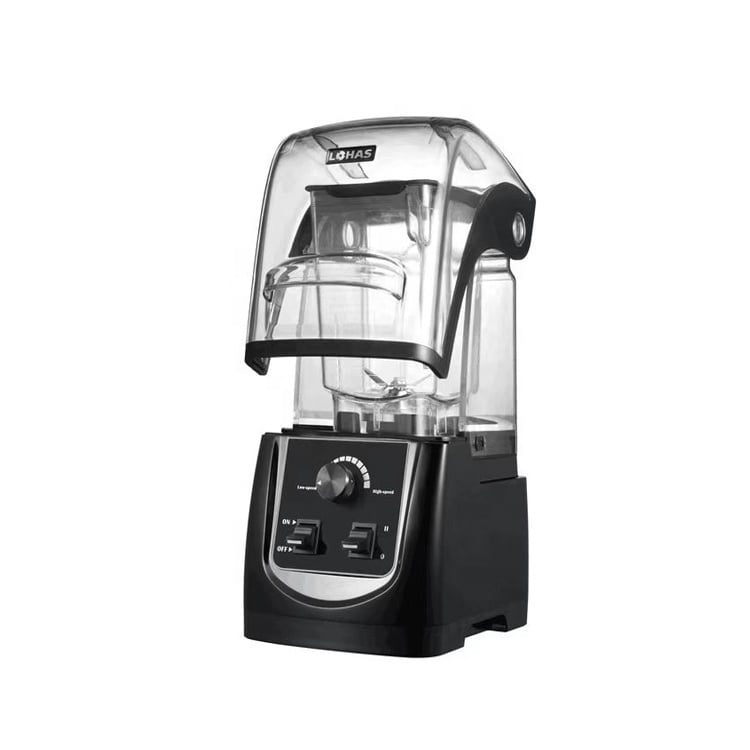
Bars serving 50 or more blended drinks per hour, such as resort poolside bars, nightclub venues, and beachfront establishments, require a 60 to 80-ounce bar blender to maintain service speed. This bar blender capacity allows bartenders to prepare six to ten servings per cycle, significantly reducing blend frequency during peak periods. High-volume bar blender units typically pair larger capacity with more powerful motors to handle dense ice and frozen fruit loads without stalling. Many operators in this category deploy multiple bar blender stations, using one bar blender for margaritas and another for daiquiris or smoothie-based drinks. This strategy prevents flavor cross-contamination and enables parallel production during rush periods. Selecting the right bar blender capacity for high-volume service requires evaluating not just pitcher size but also motor durability, cycle speed, and ease of pitcher swapping.
Balancing Capacity with Counter Space
Available counter space often constrains bar blender capacity choices more than service volume. A 64-ounce bar blender occupies roughly 30 to 40 percent more footprint than a 40-ounce bar blender, which can be prohibitive in tight bar layouts. Many operators opt for a mid-capacity bar blender in the 48-ounce range, accepting slightly more frequent blending cycles to preserve workspace for garnish stations, ice wells, and point-of-sale terminals. Vertical space also matters: a tall bar blender pitcher may interfere with overhead glassware racks or draft beer taps. When space is limited, consider whether a slightly smaller bar blender with a more powerful motor can deliver comparable throughput by reducing blend cycle time, rather than automatically selecting the largest bar blender capacity available.
Capacity Considerations for Menu Complexity
Single-Recipe Versus Multi-Recipe Operations
Bars with a focused blended drink menu, such as a margarita bar offering three to four variations, benefit from larger bar blender capacity because recipes share base ingredients and flavor profiles. Batching ten margaritas in a 64-ounce bar blender maximizes efficiency without quality concerns. Conversely, bars with diverse blended offerings—ranging from frozen coffee drinks to fruit smoothies to creamy dessert cocktails—require more frequent pitcher cleaning to prevent flavor carryover. In these environments, a smaller bar blender capacity of 40 to 48 ounces may improve operational flow by reducing waste when switching between recipe categories. The bar blender capacity that works best depends on whether your menu design prioritizes volume efficiency or recipe diversity.
Recipe Density and Ingredient Load
Dense recipes with high ice content, frozen fruit, or nut butters place greater demands on a bar blender than liquid-based cocktails. A bar blender with a 64-ounce capacity may only effectively process 48 ounces of a thick piña colada recipe due to motor torque limitations and pitcher geometry. When your menu includes heavy-load recipes, test candidate bar blender units with your actual ingredients at target volumes to confirm the bar blender can achieve smooth, consistent texture without overheating or stalling. Some operators choose a slightly smaller bar blender capacity paired with a higher-wattage motor, finding this combination delivers better results for dense recipes than a larger bar blender with insufficient power.
FAQ
What is the most common bar blender capacity for commercial use?
The most common bar blender capacity for commercial use ranges from 48 to 64 ounces. This size range balances batch efficiency with workspace constraints, allowing bartenders to prepare four to eight servings per cycle while maintaining manageable pitcher dimensions. A 48-ounce bar blender suits moderate-volume bars, while a 64-ounce bar blender is preferred in high-volume or event-driven environments where speed and throughput are critical.
Can a smaller bar blender capacity improve drink quality?
Yes, a smaller bar blender capacity can improve drink quality in certain contexts. Bars with diverse menus benefit from smaller pitcher sizes because they reduce waste and simplify cleaning between recipe changes, preventing flavor cross-contamination. A compact bar blender also ensures more consistent blending for single or double servings, which is important for craft cocktail programs where texture and presentation precision matter more than batch speed.
How do I calculate the right bar blender capacity for my bar?
Calculate the right bar blender capacity by estimating your peak-hour blended drink volume, determining your average serving size, and assessing your counter space availability. Divide your hourly blended drink target by the number of servings your target bar blender capacity can produce per cycle. Factor in blend cycle time, cleaning frequency, and whether your menu supports batching multiple drinks simultaneously. Test candidate bar blender units with your actual recipes to confirm usable capacity matches your operational workflow and quality standards before making a final purchase decision.