 EN
EN


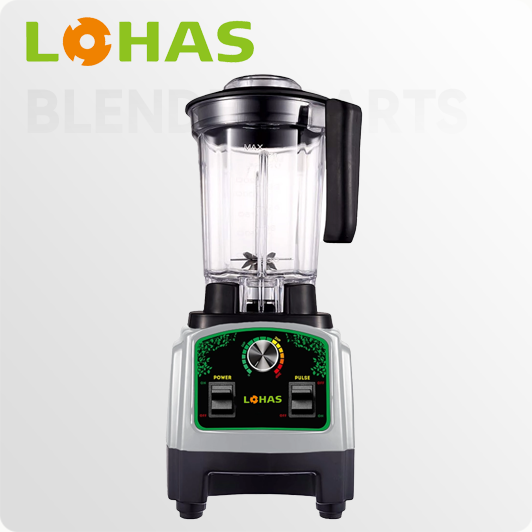
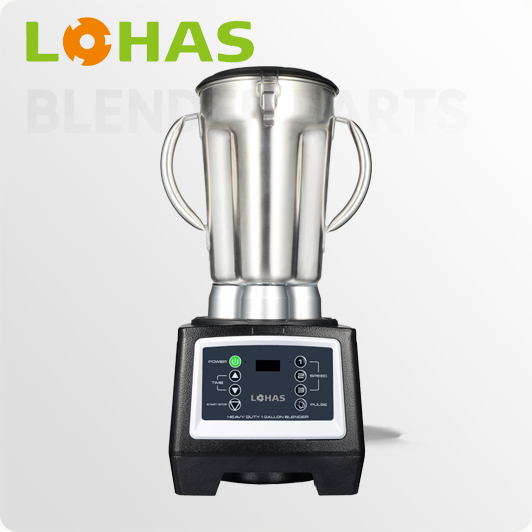
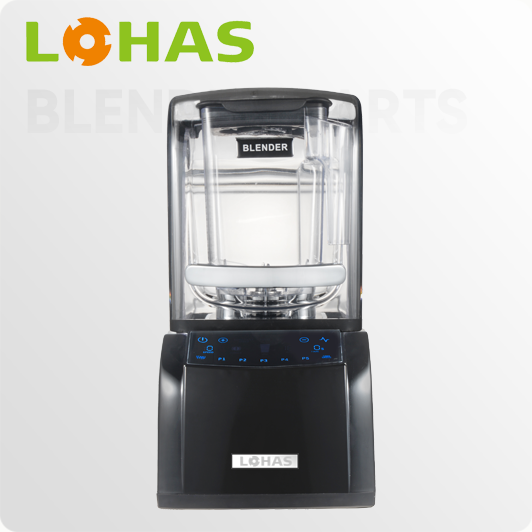

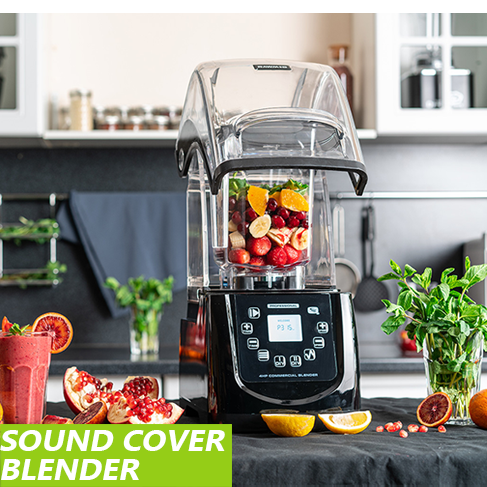
The foodservice and beverage industries rely heavily on specialized equipment to deliver consistent, high-quality products to their customers. Among the most versatile and essential pieces of kitchen equipment is the commercial blender, which has become indispensable across various establishments from high-volume restaurants to specialty juice bars. These powerful machines go far beyond simple smoothie preparation, offering professional-grade performance that enables businesses to expand their menu offerings, improve operational efficiency, and maintain consistent product quality throughout demanding service periods.
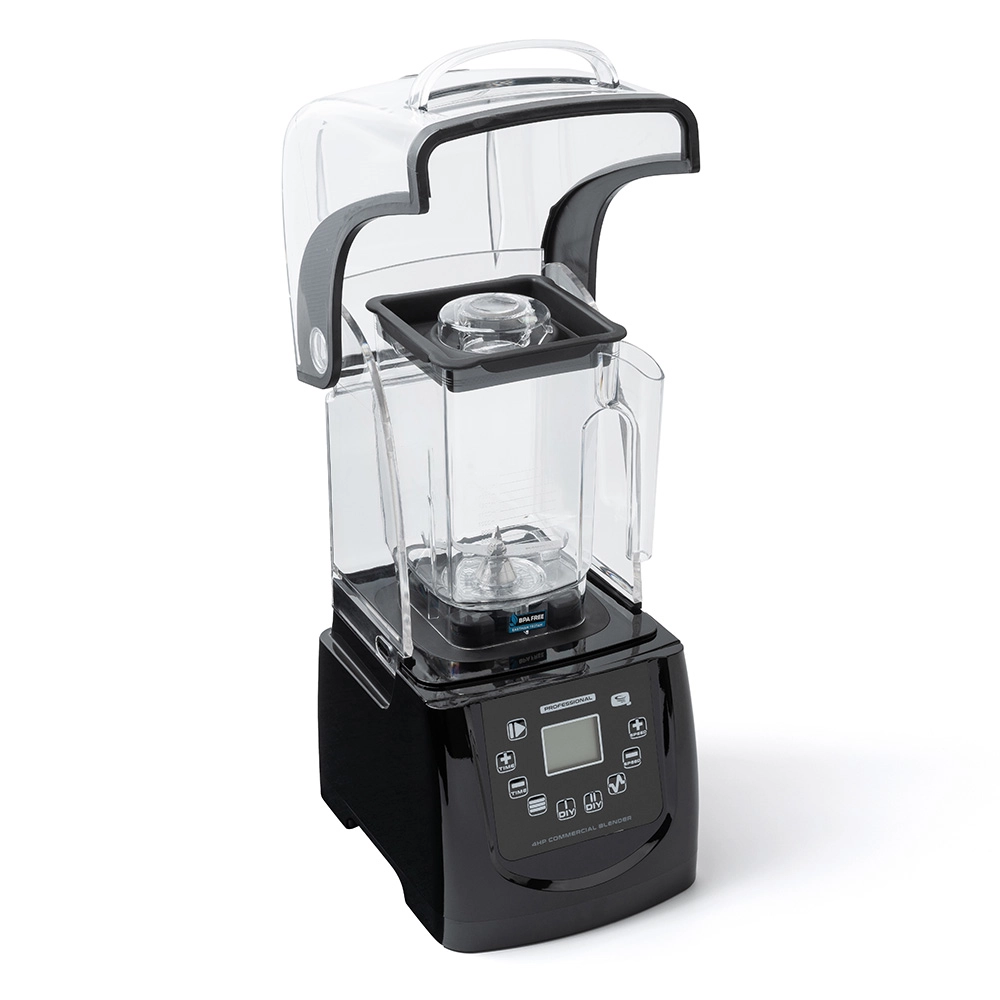
Modern foodservice operations face increasing pressure to diversify their offerings while maintaining speed and consistency. A commercial blender addresses these challenges by providing the power and durability needed for continuous operation during peak hours. Unlike residential models, commercial-grade units feature robust motors, reinforced components, and advanced blade systems designed to handle demanding tasks repeatedly without compromising performance or reliability.
The applications for commercial blenders span numerous industry segments, each with unique requirements and operational demands. From quick-service restaurants seeking to add profitable beverage options to fine dining establishments creating sophisticated sauces and purees, these versatile machines have revolutionized how businesses approach menu development and food preparation. Understanding the specific use cases and benefits across different industry sectors helps operators make informed decisions about equipment investments and menu expansion strategies.
Restaurant and Quick Service Applications
Beverage Program Enhancement
Restaurants increasingly recognize the profit potential of comprehensive beverage programs, and a commercial blender serves as the foundation for expanding drink offerings beyond traditional options. These powerful machines enable establishments to create fresh smoothies, protein shakes, and blended cocktails that command premium pricing while utilizing readily available ingredients. The consistency and speed of commercial units ensure that beverage preparation doesn't slow down service during rush periods, allowing staff to maintain efficiency while expanding revenue streams.
The versatility of commercial blender technology allows restaurants to offer seasonal specialties and limited-time beverages that differentiate their brand from competitors. Fresh fruit smoothies, vegetable-based wellness drinks, and artisanal milkshakes can all be prepared quickly and consistently, meeting growing consumer demand for healthy and indulgent options alike. Additionally, the ability to blend ice effectively means establishments can offer frozen cocktails and specialty coffee drinks without requiring separate equipment investments.
Quick-service operations particularly benefit from commercial blender integration because these units can handle high-volume production while maintaining portion consistency. Standardized recipes ensure that every beverage meets quality expectations regardless of which team member prepares it, supporting brand consistency and customer satisfaction across multiple locations or service periods.
Sauce and Marinade Production
Beyond beverage applications, restaurants utilize commercial blenders for efficient sauce and marinade preparation that would otherwise require extensive hand preparation or multiple pieces of equipment. Pesto, salsa, aioli, and various ethnic sauces can be prepared quickly and uniformly, allowing kitchens to maintain fresh, made-to-order quality while streamlining prep work. The powerful motors and precision blade systems ensure smooth, consistent textures that meet professional presentation standards.
Commercial blender capabilities extend to marinade preparation, where consistent blending ensures even distribution of flavors and proper emulsification of oil-based ingredients. This consistency translates directly to improved food quality and reduced waste from improperly mixed preparations. Large-capacity containers allow batch preparation that supports high-volume operations while maintaining the fresh quality that distinguishes restaurant preparations from pre-made alternatives.
The time savings achieved through commercial blender use in sauce production allows kitchen staff to focus on core cooking activities while maintaining the house-made quality that customers increasingly expect. This efficiency gain becomes particularly valuable during busy prep periods when multiple components must be prepared simultaneously to support service demands.
Specialty Beverage Operations
Juice Bars and Smoothie Shops
Specialty beverage operations represent the most intensive application environment for commercial blenders, where these machines operate continuously throughout business hours to meet customer demand. Juice bars and smoothie shops require equipment that can handle tough ingredients like frozen fruits, leafy greens, and protein powders while maintaining smooth, appealing textures that justify premium pricing. The durability and power of commercial units ensure consistent performance even under the demanding conditions typical of high-volume beverage operations.
The speed capabilities of modern commercial blender units directly impact customer wait times, which represents a critical competitive factor in the fast-paced specialty beverage market. Customers expect their custom smoothies and juice blends to be prepared quickly without compromising quality, requiring equipment that can process diverse ingredients efficiently. Advanced blade systems and powerful motors ensure that even challenging combinations of frozen and fresh ingredients blend smoothly without requiring extended processing times.
Menu flexibility represents another crucial advantage that commercial blenders provide to specialty beverage operations. The ability to accommodate dietary restrictions, customize nutritional profiles, and create unique flavor combinations allows businesses to serve diverse customer preferences while maintaining operational efficiency. Whether blending protein powders for fitness enthusiasts or creating dairy-free alternatives for health-conscious consumers, commercial-grade equipment ensures consistent results across all menu variations.
Coffee Shops and Cafes
Coffee shops and cafes increasingly incorporate blended beverages into their offerings to capture additional market share and increase average transaction values. A commercial blender enables these establishments to offer frappés, blended coffee drinks, and seasonal specialties that complement their core coffee program while requiring minimal additional staff training or preparation complexity.
The integration of commercial blenders in coffee operations supports menu diversification that appeals to non-coffee drinkers and younger demographics seeking Instagram-worthy beverage experiences. Blended drinks often carry higher profit margins than traditional coffee preparations while using similar base ingredients, making them attractive additions to existing product lines. The consistency provided by commercial equipment ensures that specialty drinks meet customer expectations regardless of preparation timing or staff member experience levels.
Seasonal menu development becomes more feasible with commercial blender capabilities, allowing coffee shops to introduce limited-time offerings that create customer excitement and drive repeat visits. Pumpkin spice blends, summer fruit combinations, and holiday-themed beverages can all be developed and executed consistently using standardized recipes and reliable equipment performance.
Healthcare and Institutional Applications
Hospital and Healthcare Facility Nutrition
Healthcare facilities utilize commercial blenders to support patient nutrition programs and dietary modification requirements that cannot be met through traditional food preparation methods. Patients with swallowing difficulties, digestive issues, or specific nutritional needs often require pureed or liquid nutrition that maintains both nutritional value and acceptable taste profiles. Commercial blender technology ensures that these specialized dietary preparations meet medical requirements while preserving the dignity and satisfaction of the dining experience.
The precision and consistency offered by commercial blender units become critical factors in healthcare applications where nutritional accuracy directly impacts patient outcomes. Standardized blending protocols ensure that therapeutic diets maintain appropriate caloric density, protein content, and micronutrient profiles across all preparations. This consistency supports medical treatment plans while reducing the risk of nutritional deficiencies that could complicate patient recovery processes.
Volume capacity requirements in healthcare settings often exceed what residential equipment can handle efficiently, making commercial blenders essential for institutions serving hundreds of meals daily. The durability and continuous-operation capabilities of professional units ensure that nutritional programs can be maintained consistently without equipment failures that might compromise patient care or dietary compliance.
Senior Living and Long-Term Care
Senior living facilities and long-term care institutions rely on commercial blenders to accommodate the diverse dietary needs of residents with varying levels of chewing and swallowing ability. These settings require equipment capable of creating texture-modified foods that meet specific consistency levels while maintaining nutritional value and visual appeal. Commercial blender technology enables foodservice staff to transform regular menu items into appropriate textures without requiring completely separate meal preparation processes.
The social and psychological aspects of dining remain important in senior care environments, making it crucial that texture-modified foods maintain familiar flavors and appealing presentations. Commercial blenders allow facilities to prepare recognizable dishes in appropriate consistencies, supporting resident satisfaction and nutritional compliance. This capability becomes particularly valuable for residents transitioning between different dietary texture levels as their conditions change over time.
Operational efficiency in senior care dining programs benefits significantly from commercial blender integration, as staff can prepare multiple texture variations from single menu items rather than maintaining completely separate preparation systems. This efficiency reduces food waste, simplifies inventory management, and ensures that all residents receive nutritionally equivalent meals regardless of their specific dietary requirements.
Industrial Food Production
Commercial Kitchen and Commissary Operations
Large-scale commercial kitchens and commissary operations depend on commercial blender technology for high-volume sauce production, marinade preparation, and ingredient processing that supports multiple restaurant locations or catering operations. These environments require equipment that can handle continuous operation while maintaining consistent product quality across large batches. The scalability and reliability of commercial units make them essential components in centralized food production systems.
Standardization becomes crucial in commissary operations where consistent products must be delivered to multiple service locations, and commercial blenders provide the precision and repeatability necessary for achieving uniform results. Recipe standardization, portion control, and quality consistency all depend on equipment that performs identically across multiple production runs. This consistency supports brand integrity while enabling efficient scaling of successful menu items across expanded operations.
The time and labor efficiency gains achieved through commercial blender use in large-scale operations translate directly to cost savings and improved profitability. Tasks that might require hours of manual preparation can be completed in minutes with appropriate equipment, allowing staff to focus on value-added activities while maintaining production schedules that support just-in-time delivery requirements.
Catering and Event Services
Catering operations face unique challenges related to off-site preparation, transportation, and service timing that make equipment reliability and efficiency critical success factors. Commercial blenders enable caterers to prepare fresh sauces, dressings, and beverages on-site or immediately before transport, ensuring optimal quality while maintaining the flexibility needed for diverse event requirements. The portability and quick setup capabilities of modern commercial units support the dynamic nature of catering operations.
Event-specific customization becomes more feasible with commercial blender capabilities, allowing caterers to accommodate special dietary requirements, cultural preferences, and unique client requests without significantly complicating preparation processes. Whether preparing vegan alternatives, gluten-free options, or culturally specific sauces, commercial equipment provides the consistency and quality needed to meet professional catering standards across diverse menu requirements.
The volume flexibility offered by commercial blender systems allows catering operations to scale preparation efficiently based on event size without requiring multiple equipment purchases or complex preparation scheduling. Small intimate gatherings and large corporate events can be served using the same equipment platform with appropriate batch sizing and timing adjustments.
Specialized Industry Applications
Protein and Supplement Integration
The growing health and fitness market has created demand for commercial blender applications that specifically address protein powder integration, supplement mixing, and nutritional enhancement across various food service environments. Gyms, health clubs, and wellness centers utilize commercial blenders to offer post-workout nutrition that meets the specific needs of fitness-focused customers. These applications require equipment capable of achieving smooth, lump-free mixing of protein powders and other supplements that can be challenging for standard equipment to handle effectively.
Commercial blender technology addresses the unique challenges associated with protein powder blending, including proper hydration, prevention of clumping, and achievement of palatable textures that encourage consumption. The power and blade design of professional units ensure thorough incorporation of powdered ingredients while maintaining smooth, appealing textures that support customer satisfaction and repeat business in competitive wellness markets.
Custom nutrition programming becomes more feasible with reliable commercial blender performance, allowing wellness facilities to offer personalized protein combinations, meal replacement options, and recovery beverages tailored to individual customer goals. This customization capability supports premium pricing strategies while delivering measurable value to health-conscious consumers seeking convenient nutrition solutions.
Specialty Diet and Allergen Management
Food service operations increasingly need to accommodate special dietary requirements including gluten-free, dairy-free, nut-free, and other allergen-conscious preparations that require dedicated equipment or thorough cleaning protocols. Commercial blenders support these requirements through design features that facilitate complete cleaning and ingredient isolation, enabling operations to serve diverse dietary needs safely and effectively.
The precision and control offered by commercial blender systems enable operators to create alternative ingredient combinations that maintain familiar flavors and textures while meeting specific dietary restrictions. Dairy-free cream sauces, nut-free protein smoothies, and gluten-free batter preparations can all be achieved using appropriate ingredient substitutions and reliable blending performance that ensures consistent results.
Cross-contamination prevention becomes manageable with commercial blender designs that prioritize cleanability and component accessibility, allowing foodservice operations to maintain allergen-free preparation protocols without requiring multiple dedicated equipment purchases. This capability expands market reach while ensuring customer safety and regulatory compliance across diverse dietary accommodation requirements.
FAQ
What makes a commercial blender different from home blenders
Commercial blenders feature significantly more powerful motors, typically ranging from 2 to 8 horsepower compared to home units that usually operate at less than 2 horsepower. The construction includes heavy-duty components designed for continuous operation, reinforced blade systems that can handle tough ingredients repeatedly, and larger capacity containers that support high-volume production. Additionally, commercial units undergo rigorous testing and certification for foodservice environments, ensuring they meet health department requirements and can withstand the demanding conditions of professional kitchens.
How do I determine the right commercial blender size for my operation
Choosing the appropriate commercial blender size depends on your daily volume requirements, peak service periods, and available counter space. Small operations serving 50-100 beverages daily typically work well with 32-48 ounce containers, while high-volume establishments may require 64 ounces or larger. Consider your busiest service periods and ensure the unit can handle peak demand without creating bottlenecks. Also factor in ingredient types, as frozen fruits and ice require more powerful motors regardless of container size, and dense ingredients may necessitate larger capacity units to achieve proper blending ratios.
What maintenance requirements should I expect with commercial blender equipment
Commercial blender maintenance involves daily cleaning and sanitizing of all contact surfaces, weekly deep cleaning of motor housing and base components, and periodic inspection of blade systems for wear or damage. Most units require blade replacement every 6-12 months depending on usage intensity, and motor servicing annually to maintain optimal performance. Establishing a preventive maintenance schedule that includes lubrication, belt tension checking, and electrical connection inspection will extend equipment life and prevent costly breakdowns during peak service periods.
Can commercial blenders handle hot ingredients and cooking applications
Many commercial blenders can safely process hot ingredients up to specific temperature limits, typically around 180-200 degrees Fahrenheit, making them suitable for hot soup preparation, warm sauce creation, and cooked ingredient processing. However, always verify manufacturer specifications for temperature limitations and follow proper safety protocols when working with hot liquids. Some applications like hot soup blending may require vented container lids to prevent pressure buildup, and operators should allow slight cooling before processing extremely hot ingredients to protect both equipment and personnel safety.