 EN
EN

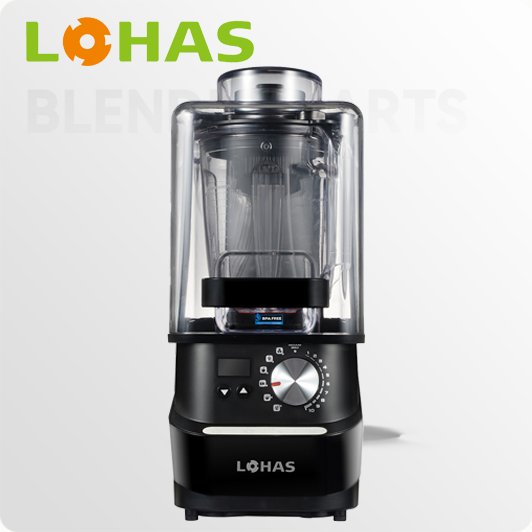
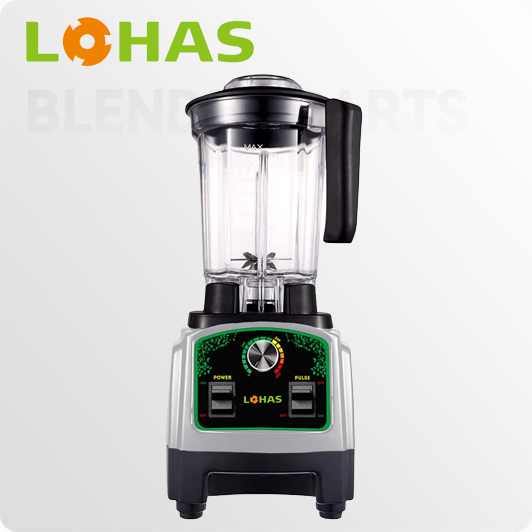
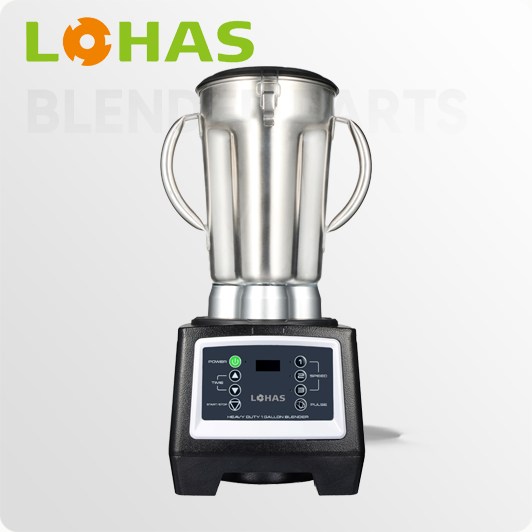
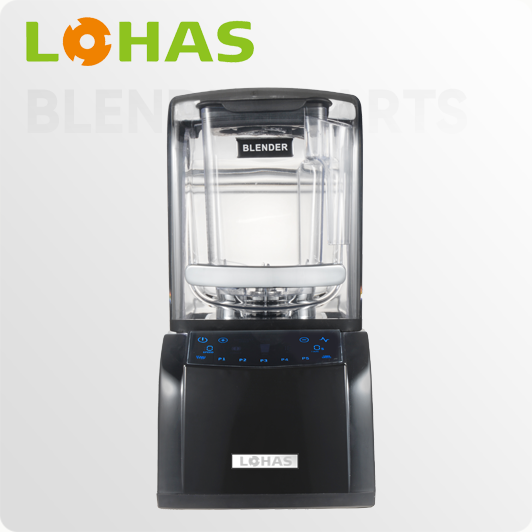
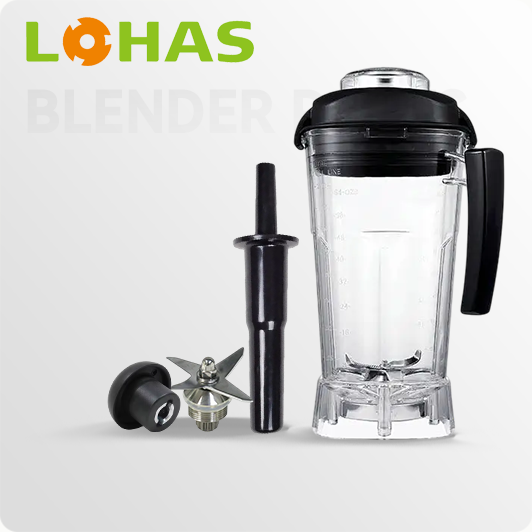
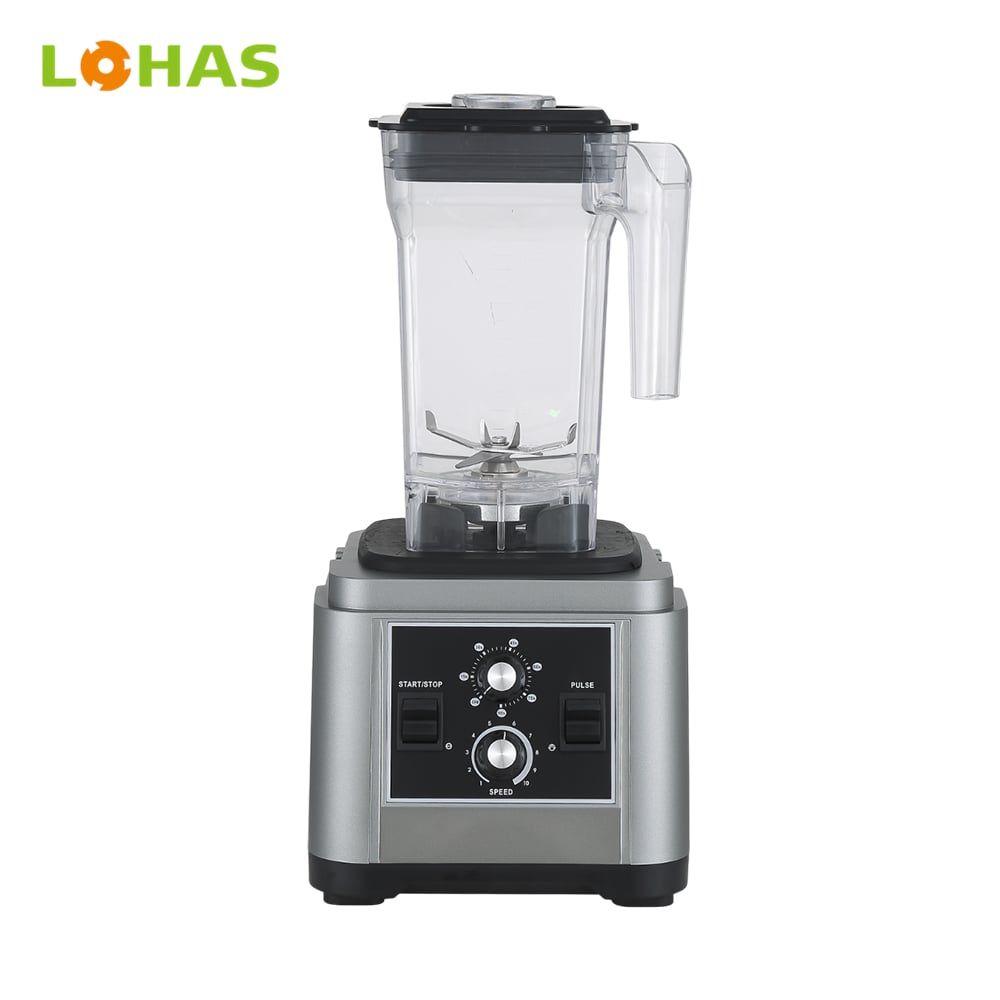
A high performance commercial blender represents one of the most versatile and essential pieces of equipment in modern foodservice operations. Whether you operate a hotel kitchen, restaurant, juice bar, or catering facility, the right high performance commercial blender can dramatically improve productivity, consistency, and menu offerings. These machines handle demanding daily workloads that far exceed standard home blender capabilities, delivering uniform texture and quality across hundreds of servings daily. Understanding the diverse applications and strategic benefits of a high performance commercial blender helps foodservice managers make informed investment decisions that directly impact operational efficiency and customer satisfaction.
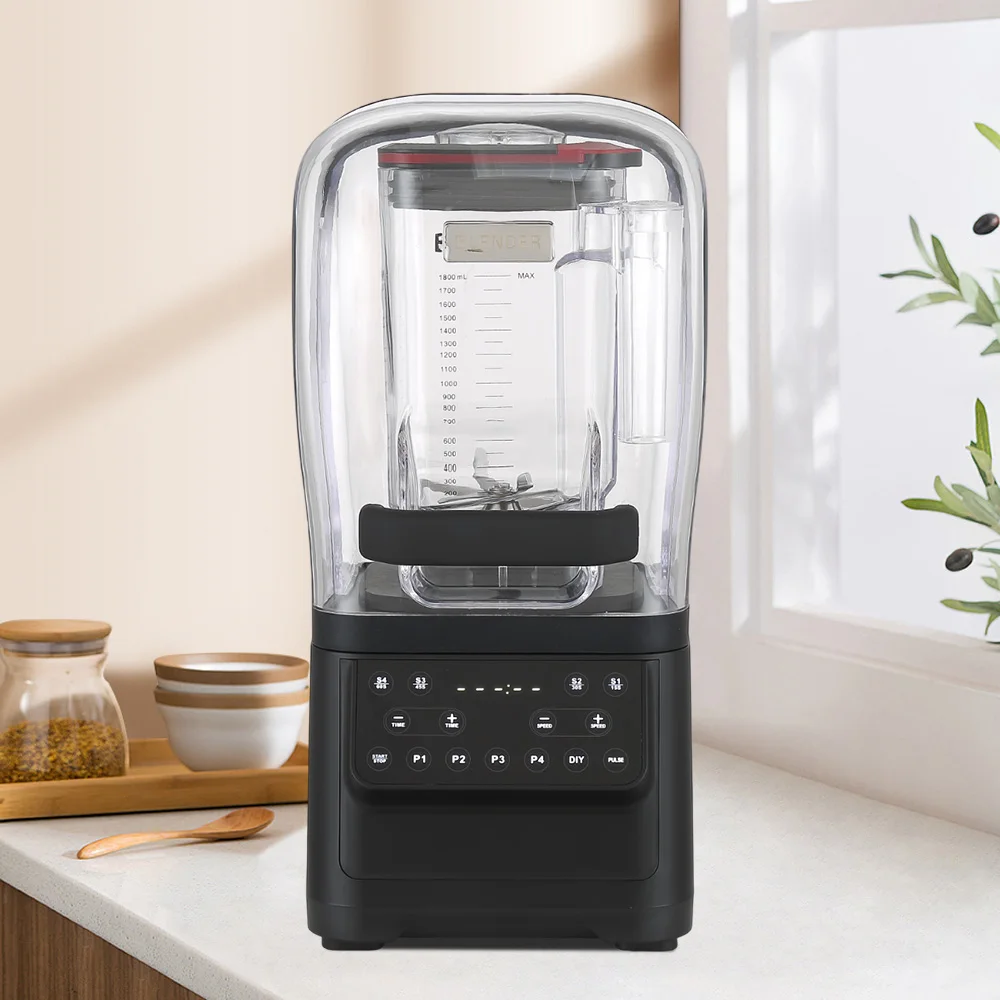
The foodservice industry demands equipment that combines power, durability, and versatility. A high performance commercial blender meets these requirements by offering consistent results, extended runtime capabilities, and the ability to process everything from frozen fruits to hot soups. Operators recognize that investing in a high performance commercial blender directly affects menu innovation, staff productivity, and bottom-line profitability. This guide explores the practical applications, operational benefits, and essential selection criteria for high performance commercial blender systems across diverse foodservice environments.
Core Applications for High Performance Commercial Blenders
Beverage Production and Smoothie Operations
Beverage production stands as one of the most prominent uses for a high performance commercial blender in foodservice settings. Juice bars, cafes, and hotel restaurants require equipment capable of processing hundreds of smoothies, protein shakes, and fresh juices throughout daily service periods. A high performance commercial blender handles frozen fruits, ice, yogurt, and supplemental powders simultaneously, maintaining consistent texture and quality with each batch. The motor power and blade design of a high performance commercial blender ensure rapid processing times, reducing customer wait times and allowing staff to serve peak demand periods efficiently. Hotels and resorts benefit from reliable smoothie production during breakfast service, while standalone juice bars depend entirely on high performance commercial blender consistency and speed to drive revenue.
Soup and Sauce Preparation
Commercial kitchens leverage a high performance commercial blender for both cold and hot soup production, particularly pureed soups requiring smooth, refined textures. The thermal capacity of a high performance commercial blender allows operators to blend hot ingredients directly without requiring cooling periods, streamlining kitchen workflows. Fine dining establishments and catering operations use a high performance commercial blender to create silky bisques, velvet vegetable soups, and specialty sauces that define their culinary identity. The precision and consistency of a high performance commercial blender ensure that batch after batch meets exact textural and flavor specifications, critical for fine dining standards and customer expectations. Larger operations process 50+ gallons of soup daily using multiple high performance commercial blender units running continuously during service.
Performance Benefits and Operational Advantages
Consistency and Quality Control
Operational consistency separates elite foodservice establishments from average performers, and a high performance commercial blender delivers uniform results across every shift and service period. The precision motor control and blade geometry of a high performance commercial blender produce identical texture profiles whether the operator is processing the first batch or the hundredth batch of the day. Quality consistency directly influences customer perception, repeat business, and online reviews that drive modern foodservice revenue. When a high performance commercial blender produces identical smoothies, sauces, and purees repeatedly, customers develop confidence in menu offerings and return more frequently. Fine dining establishments particularly depend on a high performance commercial blender to maintain the refined textures and professional presentation standards that justify premium pricing.
Labor Efficiency and Production Speed
Staff productivity improvements represent a measurable return on investment when selecting a high performance commercial blender for your operation. High-powered motors and optimized blade design mean a high performance commercial blender completes processing tasks in 60 to 90 seconds that would require 5 to 10 minutes using standard equipment. During peak service hours, this speed differential translates directly to reduced bottlenecks, faster table turnover, and improved customer satisfaction. A high performance commercial blender reduces labor demands on kitchen staff, freeing employees to focus on plating, assembly, and quality control rather than waiting for processing cycles. Managers report that strategically positioned high performance commercial blender stations reduce overall kitchen stress and enable skeleton crews to handle rush period volume more effectively.
Equipment Durability and Extended Service Life
Unlike consumer-grade blenders designed for occasional home use, a high performance commercial blender engineered for foodservice withstands continuous operation, high-volume processing, and demanding daily use cycles. Commercial-grade motors in a high performance commercial blender run cooler and longer than consumer alternatives, with industrial bearings designed to handle thousands of hours of operation annually. This durability translates to significantly lower per-unit operating costs and fewer unexpected equipment failures that disrupt service. Foodservice operators typically retain a high performance commercial blender for 7 to 10 years with proper maintenance, whereas consumer blenders often fail after 18 to 24 months of commercial use. The investment premium for a high performance commercial blender pays dividends through extended equipment lifespan and reduced replacement frequency.
Selection and Implementation Strategy
Capacity and Volume Requirements
Selecting the right capacity for a high performance commercial blender requires honest assessment of peak volume periods and expected batch sizes throughout your operating week. A high performance commercial blender with 64-ounce capacity suits boutique operations and specialized juice bars, while hotel restaurants and larger catering operations typically require 80-ounce or larger capacity models. Processing speed, batch throughput, and staff workflow patterns should inform your high performance commercial blender capacity selection. Some operations deploy multiple high performance commercial blender units positioned strategically throughout the kitchen to minimize staff travel and bottlenecks during peak service. Managers should analyze daily transaction data, average batch sizes, and rush period demand patterns before specifying a high performance commercial blender for procurement.
Integration with Existing Kitchen Workflow
Successful implementation of a high performance commercial blender requires thoughtful integration into established kitchen workflows and station layouts. Position your high performance commercial blender accessibly for staff operating it most frequently, typically near beverage stations, prep areas, or sauce production zones. Adequate counter space, electrical infrastructure, and drainage considerations affect where a high performance commercial blender functions most effectively within your kitchen design. Staff training on a high performance commercial blender operation, cleaning protocols, and safety procedures ensures consistent usage patterns and equipment longevity. Document standard operating procedures specific to your high performance commercial blender, including cleaning schedules, part replacement timelines, and troubleshooting responses.
FAQ
What makes a high performance commercial blender different from standard restaurant equipment?
A high performance commercial blender features industrial-grade motors rated for continuous operation, commercial-quality containers engineered for repeated thermal shock, and blade assemblies designed for high-volume processing without degradation. Consumer blenders cannot handle the daily demands of foodservice environments where a high performance commercial blender operates 50+ hours weekly. The warranty, support infrastructure, and replacement part availability differ significantly between a high performance commercial blender and consumer-grade equipment.
How does a high performance commercial blender improve labor productivity in busy kitchens?
A high performance commercial blender reduces processing time from 10 minutes to under 2 minutes for most tasks, eliminating bottlenecks during peak service periods. Staff can operate a high performance commercial blender without constant attention, freeing them for other kitchen duties while batches process automatically. The speed advantage of a high performance commercial blender directly reduces kitchen stress and enables leaner staffing models during rush hours.
What operational costs should foodservice managers consider when investing in a high performance commercial blender?
Beyond the purchase price, managers should budget for replacement containers, gaskets, and blade assemblies as wear items for a high performance commercial blender. Electricity consumption for a high performance commercial blender typically costs 15 to 25 cents per operating hour. Maintenance contracts and extended warranty options provide cost predictability for a high performance commercial blender over its 7 to 10 year operational lifespan.
Table of Contents
- Core Applications for High Performance Commercial Blenders
- Performance Benefits and Operational Advantages
- Selection and Implementation Strategy
-
FAQ
- What makes a high performance commercial blender different from standard restaurant equipment?
- How does a high performance commercial blender improve labor productivity in busy kitchens?
- What operational costs should foodservice managers consider when investing in a high performance commercial blender?