 EN
EN

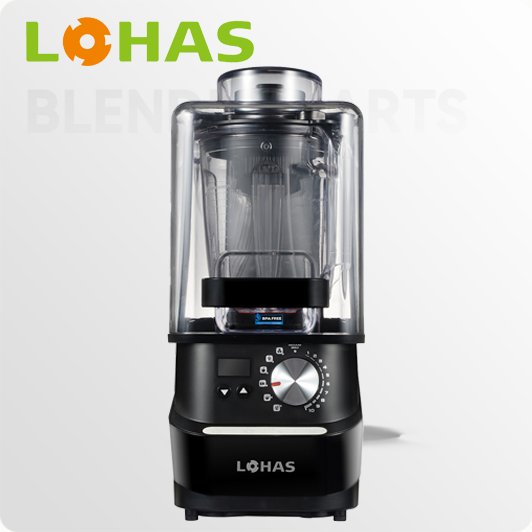
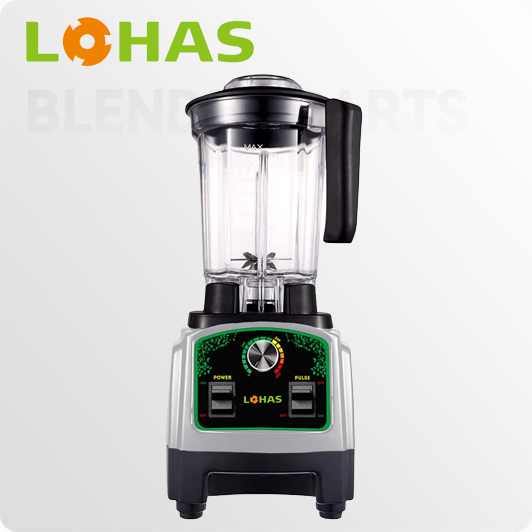
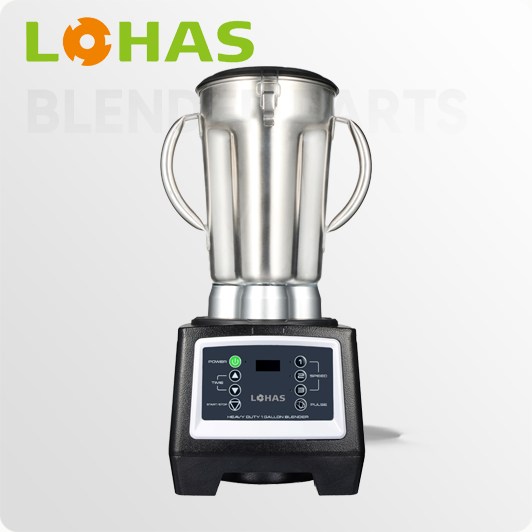
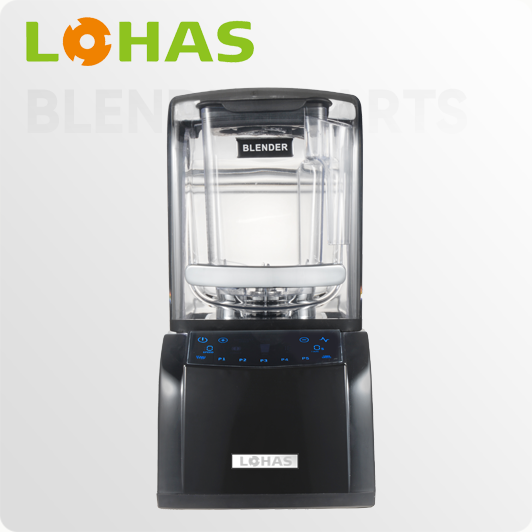
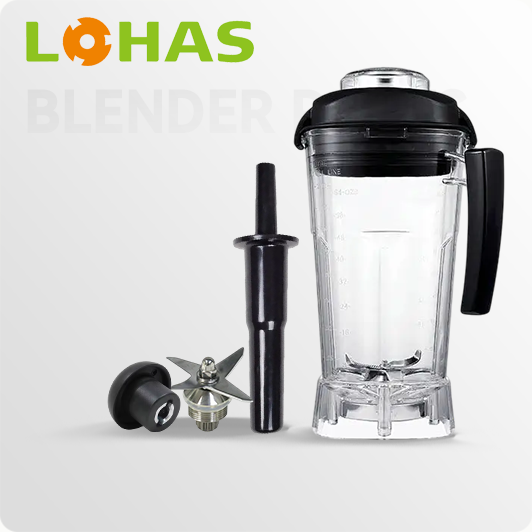
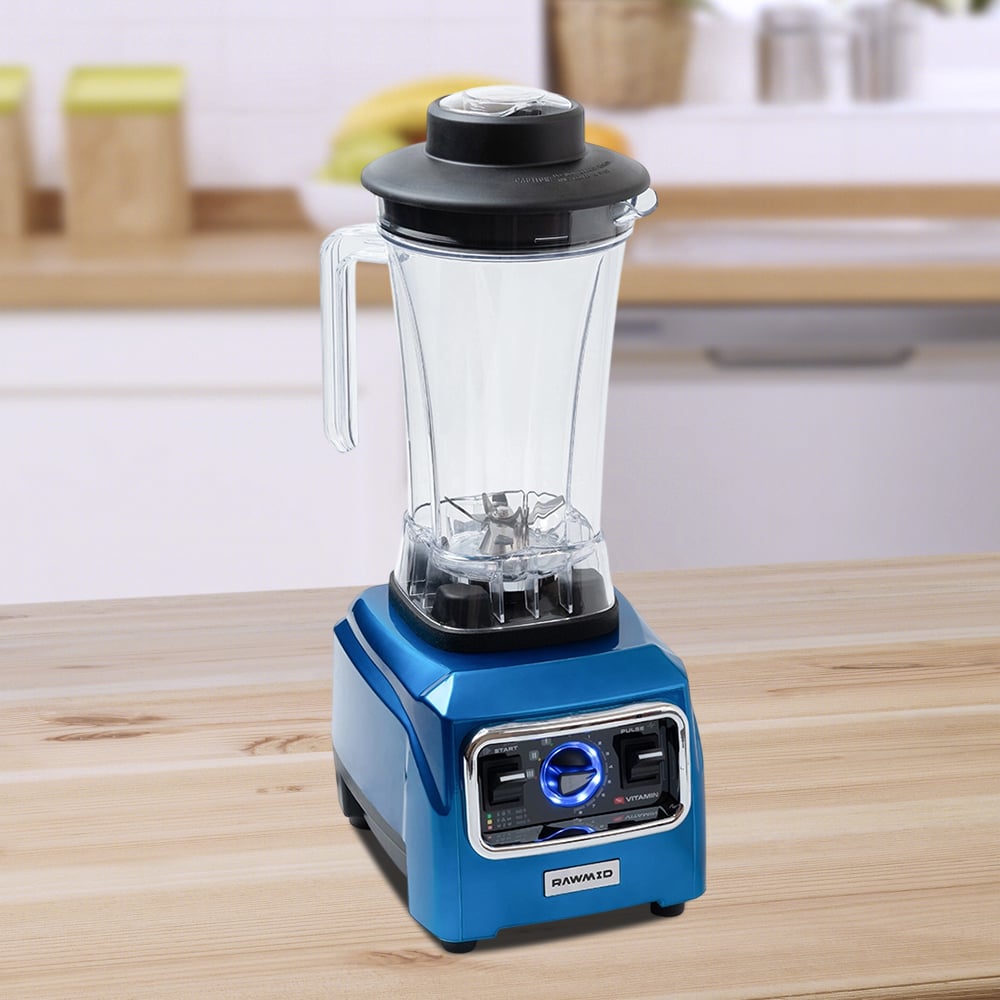
A high performance commercial blender is essential for any busy kitchen operation that demands speed, consistency, and reliability. Whether you operate a restaurant, juice bar, smoothie shop, or catering facility, the right high performance commercial blender transforms your production workflow and customer satisfaction. The difference between a standard blender and a high performance commercial blender lies in motor power, blade design, durability, and volume capacity that allows kitchens to process large quantities without performance degradation or downtime.
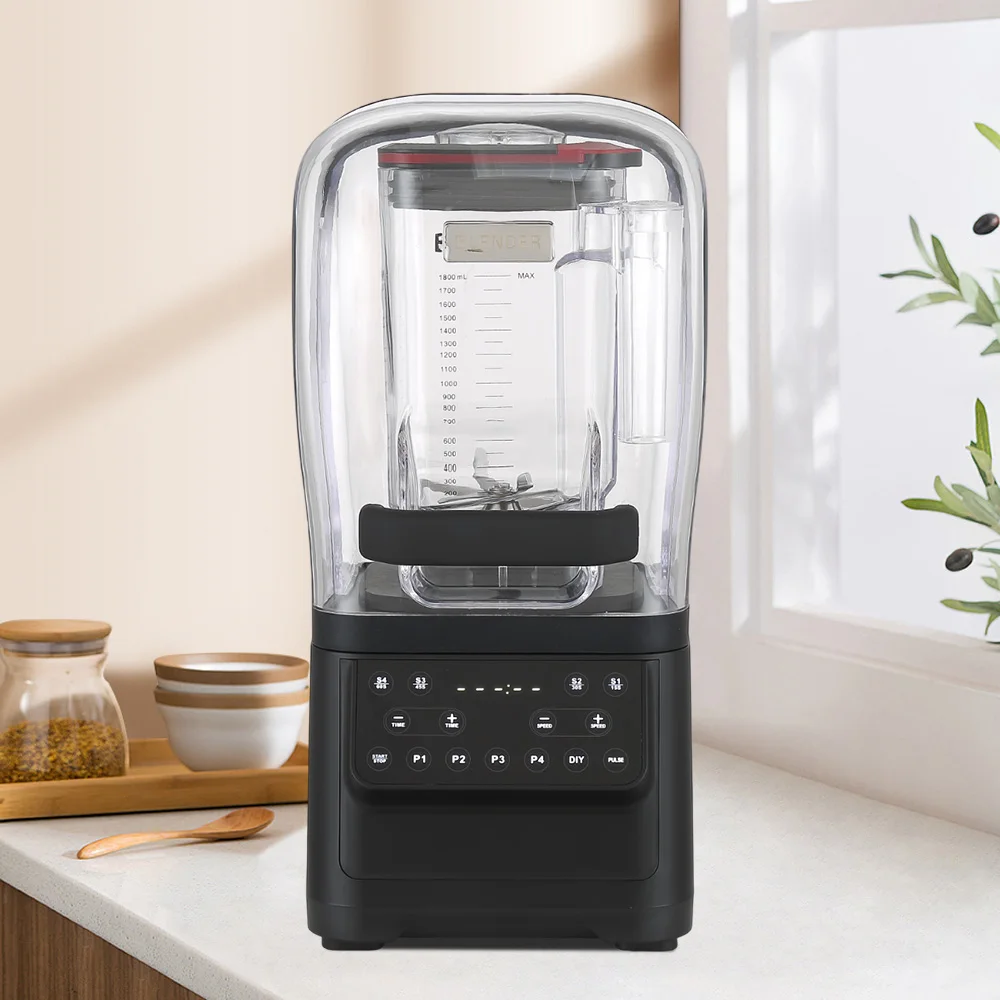
In fast-paced food service environments, operational efficiency directly impacts profitability and customer experience. A high performance commercial blender delivers the throughput and consistency that busy kitchens require, reducing prep time while maintaining uniform product quality. This article explores how a high performance commercial blender addresses the specific demands of commercial kitchens, including motor specifications, capacity considerations, maintenance protocols, and performance metrics that food service operators should evaluate.
Understanding High Performance Commercial Blender Motors and Power
Motor Specifications for Commercial Use
The core of any high performance commercial blender is its motor system. Commercial-grade motors typically range from 2.0 to 3.5 horsepower, compared to residential models that operate at 0.5 to 1.5 horsepower. A high performance commercial blender with higher wattage handles tougher ingredients like frozen fruits, ice, nuts, and vegetable fibers without stalling or overheating. The motor's continuous-duty rating means a high performance commercial blender can run for extended periods throughout service hours without thermal shutdown, critical for high-volume operations during lunch and dinner rushes.
Blade Design and Vessel Material
A high performance commercial blender incorporates hardened stainless steel blades engineered for consistent cutting performance across thousands of cycles. These blades are sharper and thicker than residential counterparts, preventing dulling and maintaining texture quality over time. The blending vessel of a high performance commercial blender typically uses thick-walled stainless steel or BPA-free polycarbonate, designed to withstand thermal shock from hot and cold ingredients. This robust construction ensures a high performance commercial blender remains reliable under the demanding conditions of busy kitchens where multiple back-to-back blending cycles are routine.
Capacity and Efficiency Gains in Commercial Kitchens
Volume Capacity and Batch Processing
A high performance commercial blender usually features a 48-ounce to 64-ounce capacity, allowing operators to process larger batches in fewer cycles. This capacity advantage means a high performance commercial blender reduces the total time spent blending ingredients, freeing kitchen staff for other tasks. For example, a juice bar preparing smoothies during a morning rush can complete orders faster with a high performance commercial blender that handles double the volume of standard models. Batch processing efficiency is especially valuable in volume-driven environments where downtime translates directly to lost revenue and customer frustration.
Speed and Consistency Outcomes
A high performance commercial blender reaches speeds of 15,000 to 30,000 revolutions per minute, creating smooth, consistent textures in seconds rather than minutes. Consistency is critical in commercial settings where customers expect the same product quality every time. A high performance commercial blender delivers identical results across multiple batches, reducing waste from over-blending or inconsistent texture. Additionally, the thermal efficiency of a high performance commercial blender means ingredients blend faster, preserving nutrient content and color quality compared to prolonged blending cycles.
Maintenance, Durability, and Long-Term Efficiency
Preventive Maintenance for Sustained Performance
Investing in a high performance commercial blender also means committing to regular maintenance that keeps it operating at peak efficiency. Daily cleaning immediately after use prevents ingredient buildup that can degrade blade sharpness and motor performance. A high performance commercial blender's bearing system and seal components should be inspected regularly to prevent leaks and mechanical failure. Many commercial kitchens establish quarterly deep-cleaning protocols for their high performance commercial blender to remove mineral deposits and ensure thermal efficiency. Proper maintenance extends the operational life of a high performance commercial blender significantly, maximizing return on investment.
Downtime Prevention and Backup Strategies
For busy kitchens, equipment failure during peak service hours creates operational crises. A high performance commercial blender reduces breakdowns through robust engineering and redundant safety systems. Some commercial operations maintain a backup high performance commercial blender on hand, recognizing that a single unit failure can disrupt service and damage reputation. The cost of downtime often exceeds the cost of preventive maintenance or having a spare unit available. Advanced high performance commercial blender models include diagnostic features that alert operators to performance issues before catastrophic failure occurs.
FAQ
What makes a high performance commercial blender different from residential models?
A high performance commercial blender features a more powerful motor (2.0+ horsepower), larger capacity, heavier-duty blade construction, and continuous-duty rating designed for extended use. Residential blenders typically have smaller motors and are engineered for intermittent use. A high performance commercial blender also uses industrial-grade materials that withstand the thermal and mechanical stress of high-volume kitchens, whereas residential models are built for occasional home use.
How often should a high performance commercial blender be serviced?
A high performance commercial blender should be cleaned daily and inspected weekly for visible wear or performance changes. Deep maintenance, including bearing lubrication and seal checks, is typically performed quarterly or biannually depending on usage volume. High performance commercial blender manufacturers usually recommend annual professional servicing to ensure motor efficiency and prevent unexpected failures. Facilities operating their high performance commercial blender continuously throughout the day may need more frequent service intervals.
Can a high performance commercial blender save money in a busy kitchen?
Yes, a high performance commercial blender reduces labor time per batch, processes ingredients faster, and maintains consistent product quality that minimizes waste. The increased throughput of a high performance commercial blender allows one operator to serve more customers in the same timeframe compared to standard equipment. Lower breakdown rates and longer operational life mean a high performance commercial blender provides better cost-per-use over its lifespan, making it a financially sound investment for high-volume operations.