 EN
EN


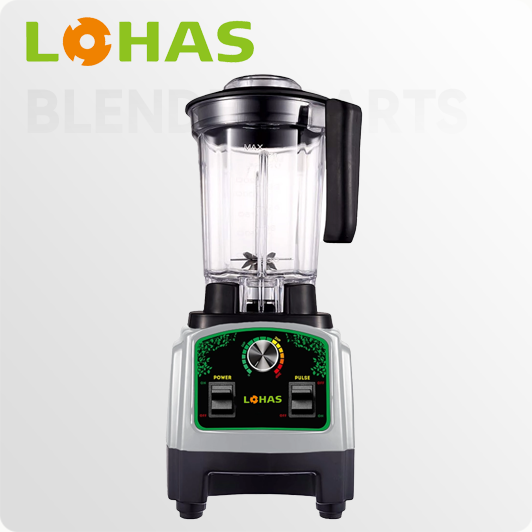
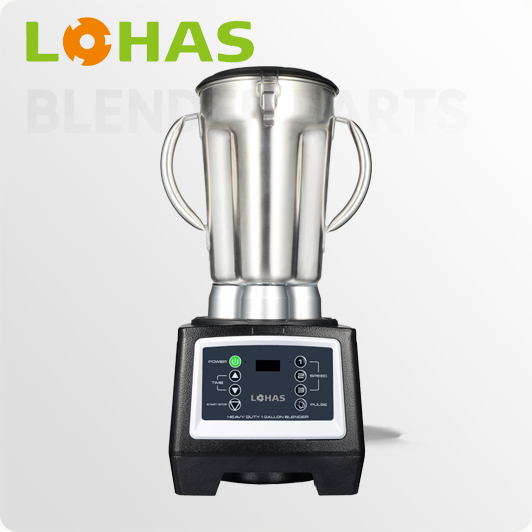
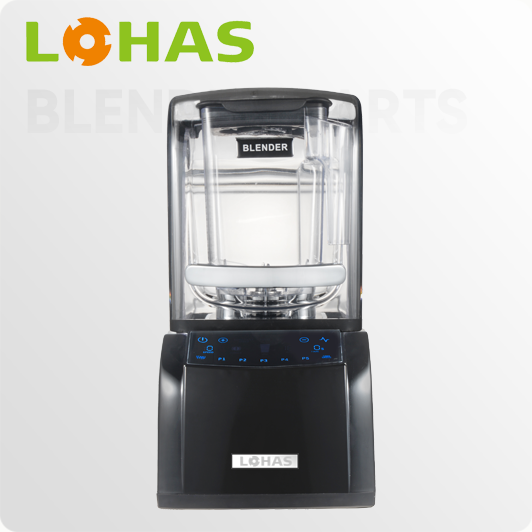

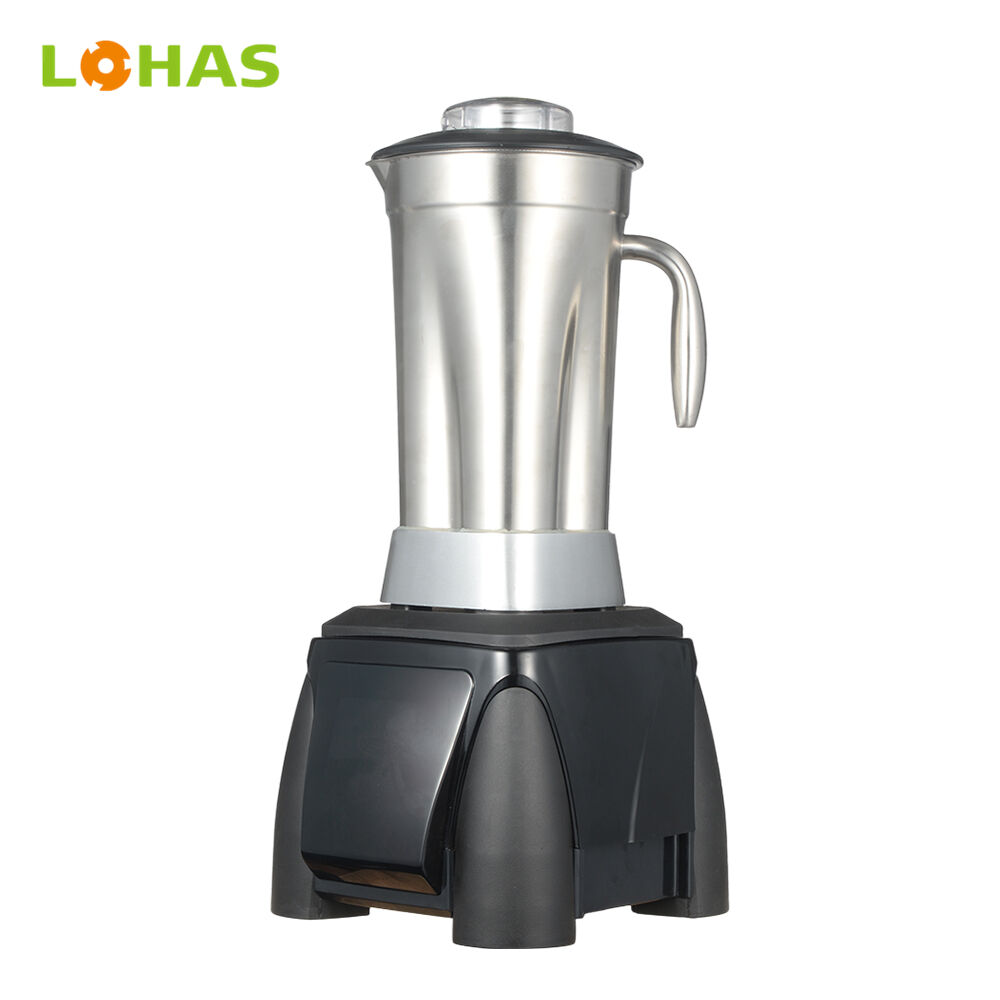
When selecting equipment for a professional kitchen, safety is never a secondary concern. A commercial hand blender operates under demanding conditions — high volumes, continuous use, and exposure to heat, moisture, and sharp blades. Understanding which safety factors genuinely matter helps kitchen managers, procurement teams, and culinary professionals make decisions that protect both their staff and their operations.
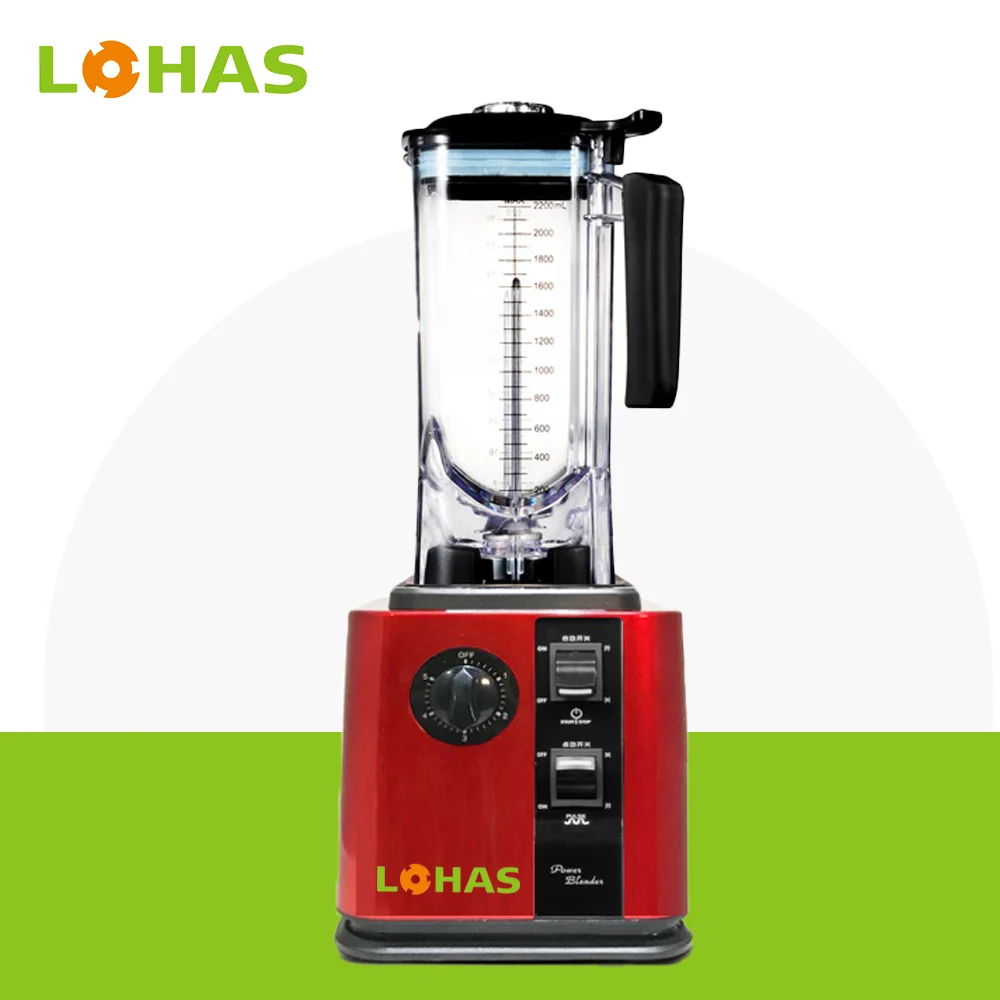
A commercial hand blender is not simply a scaled-up version of a household appliance. It is a piece of industrial-grade equipment designed to handle dense ingredients, hot liquids, and extended duty cycles. The safety standards that apply to it are correspondingly more rigorous, and the consequences of overlooking them in a busy kitchen environment can be serious. This article breaks down the key safety factors that should guide every purchasing and operational decision around a commercial hand blender.
Electrical Safety and Motor Protection
Insulation and Waterproofing Standards
A commercial hand blender is routinely used near water, steam, and liquid ingredients. This makes electrical insulation one of the most critical safety factors to evaluate. The motor housing and all electrical components must meet recognized waterproofing ratings, typically expressed as an IP (Ingress Protection) rating. A higher IP rating indicates better resistance to moisture penetration, which directly reduces the risk of electrical shorts or shock in a wet kitchen environment.
Professional kitchens involve splashing, steam from hot soups, and frequent rinsing of equipment. A commercial hand blender that lacks adequate sealing around its motor and control switches creates a genuine hazard. Buyers should verify that the product documentation clearly states the IP rating and that it is appropriate for immersion use in liquids.
Beyond the IP rating, the quality of the cable insulation matters. Cables on a commercial hand blender are exposed to heat, grease, and mechanical stress. Reinforced, heat-resistant cable jackets reduce the risk of insulation breakdown over time, which is a common cause of electrical faults in high-use kitchen environments.
Overload and Thermal Protection
A commercial hand blender used in continuous production settings places sustained load on its motor. Without built-in thermal protection, the motor can overheat, creating a fire risk or causing sudden failure during operation. Quality commercial hand blender models incorporate automatic thermal cutoff mechanisms that shut the motor down before it reaches a dangerous temperature.
Overload protection is equally important. When a commercial hand blender encounters unexpectedly dense material — frozen ingredients, thick pastes, or fibrous vegetables — the motor draws more current than its rated capacity. A properly designed unit will trip its protection circuit rather than allow the motor to burn out or the housing to overheat.
Operators should also be aware of the recommended duty cycle for their specific commercial hand blender model. Running a unit beyond its rated continuous operation time, even if it does not immediately trigger thermal protection, accelerates wear on insulation and internal components, increasing long-term safety risk.
Blade Design and Mechanical Safety
Blade Guard and Splash Protection
The blade assembly of a commercial hand blender spins at high speed and can cause serious lacerations if contacted directly. A well-designed blade guard serves two purposes: it protects the operator from accidental blade contact during use, and it contains splashing when the blender is inserted into or removed from a liquid.
Splash protection is particularly important when working with hot liquids. A commercial hand blender without an adequate bell guard or splash shield can project scalding soup or sauce onto the operator's hands and arms. The guard design should allow effective blending while keeping the blade zone enclosed enough to minimize ejection of hot material.
The attachment mechanism between the blade assembly and the motor shaft is another mechanical safety point. On a commercial hand blender, this connection must be secure and resistant to loosening under vibration. A blade assembly that detaches unexpectedly during operation is a serious hazard, both from the exposed spinning blade and from the sudden loss of control over the unit.
Locking Mechanisms and Accidental Activation Prevention
A commercial hand blender should not be capable of activating unless the operator deliberately engages the controls. Safety-conscious designs incorporate two-step activation — requiring the operator to both grip the handle and press a trigger — rather than a single button that could be pressed accidentally when setting the unit down or picking it up.
Some commercial hand blender models include a safety lock that must be disengaged before the unit can operate. This is particularly valuable in environments where multiple staff members handle the same equipment, or where the blender may be stored in a position where accidental contact with the trigger is possible.
The ergonomics of the handle design also contribute to mechanical safety. A commercial hand blender with a well-contoured, non-slip grip reduces operator fatigue and the likelihood of losing control of the unit during extended use. Fatigue-related accidents are a real risk in high-volume kitchen operations, and grip design is a practical mitigation factor.
Material Safety and Food Contact Compliance
Food-Grade Material Standards
Every component of a commercial hand blender that contacts food must be manufactured from materials approved for food contact use. This includes the blade assembly, the shaft, and the bell guard. Stainless steel grades used in food-contact applications must meet specific standards to ensure they do not leach metals into food, particularly in acidic environments such as tomato-based sauces or citrus preparations.
Plastic components on a commercial hand blender, including any parts of the bell guard or shaft housing that may contact food, should be certified as food-safe and free from harmful plasticizers. BPA-free certification is a baseline expectation for any commercial hand blender used in a professional food service context.
Operators should also verify that the materials used in their commercial hand blender are compatible with the cleaning chemicals used in their kitchen. Some stainless steel alloys and plastic grades can degrade when exposed to high-concentration sanitizers or alkaline cleaners, which can compromise both the structural integrity of the unit and the safety of the food it processes.
Corrosion Resistance and Structural Integrity
A commercial hand blender that develops corrosion on its blade or shaft presents a contamination risk. Rust particles or degraded metal can enter food, and a corroded blade assembly may develop structural weaknesses that increase the risk of mechanical failure during operation. High-quality commercial hand blender designs use corrosion-resistant stainless steel grades specifically selected for durability in wet, acidic, and chemically active kitchen environments.
The joints and seams in the shaft assembly of a commercial hand blender are particularly vulnerable to corrosion if they trap moisture or food residue. Smooth, crevice-free designs are safer both from a hygiene standpoint and from a structural integrity perspective. Operators should inspect these areas regularly as part of their equipment maintenance routine.
Ergonomics and Operator Safety During Use
Weight Distribution and Fatigue Management
A commercial hand blender is often used for extended periods in high-volume production. The weight and balance of the unit directly affect operator safety. A top-heavy commercial hand blender places excessive strain on the wrist and forearm, increasing the risk of repetitive strain injuries and reducing the operator's ability to maintain control, particularly when working with large volumes of hot liquid.
Well-designed commercial hand blender models distribute weight evenly along the shaft and handle, reducing the torque the operator must counteract during use. This is especially important when blending in deep containers, where the operator's arm is extended and leverage is reduced. Lighter motor housings achieved through advanced materials can significantly reduce cumulative fatigue in a full-shift kitchen operation.
Variable speed control is another ergonomic safety feature on a commercial hand blender. Starting at a lower speed before ramping up reduces the initial torque reaction that can cause the operator to lose grip, and it minimizes splashing when inserting the blender into a liquid-filled container.
Vibration and Noise Levels
Excessive vibration from a commercial hand blender is not merely a comfort issue — it is a safety concern. High vibration levels accelerate operator fatigue, reduce grip security, and over time can contribute to hand-arm vibration syndrome in workers who use the equipment daily. A commercial hand blender with well-balanced blade assemblies and vibration-dampening handle materials reduces this risk meaningfully.
Noise levels in a commercial kitchen are already high, and a commercial hand blender that adds significant noise to the environment contributes to communication difficulties between staff, which can indirectly increase accident risk. While noise is not always a primary safety specification, it is a factor worth considering in the overall ergonomic safety profile of the equipment.
Cleaning, Maintenance, and Long-Term Safety
Disassembly and Hygiene Safety
A commercial hand blender that is difficult to disassemble for cleaning creates both hygiene and safety risks. Food residue trapped in the blade assembly or shaft joints can harbor bacteria, and it can also cause corrosion that weakens structural components over time. Safe design means the blade assembly should detach easily and without requiring the operator to contact the blade edge directly.
Many commercial hand blender models are designed with tool-free disassembly for the shaft and blade components. This reduces the risk of cuts during cleaning and encourages more frequent and thorough cleaning by making the process faster and less hazardous. Operators should always follow the manufacturer's disassembly procedure and never attempt to clean the blade assembly while it is attached to the motor unit.
Dishwasher compatibility of the removable components of a commercial hand blender is a practical safety feature. High-temperature dishwasher cycles provide more reliable sanitization than hand washing, and they eliminate the need for operators to handle sharp blade components repeatedly during manual cleaning.
Inspection Intervals and Wear Indicators
A commercial hand blender used in a professional kitchen should be subject to a regular inspection schedule. Blade sharpness, shaft straightness, seal integrity, and cable condition are all factors that degrade with use and can create safety hazards if not monitored. Establishing a documented inspection interval appropriate to the volume of use is a basic operational safety requirement.
Some commercial hand blender designs include visual wear indicators on the blade assembly or shaft seals, making it easier for operators and maintenance staff to identify when components need replacement. Proactive replacement of worn parts is far safer and more cost-effective than waiting for a component to fail during operation.
Training staff to recognize the signs of wear or damage on a commercial hand blender — unusual vibration, reduced blending efficiency, visible corrosion, or changes in motor sound — is an important part of a kitchen's overall equipment safety program. The commercial hand blender is a high-use tool, and its safety depends as much on informed operators as on the design of the equipment itself.
FAQ
What electrical rating should a commercial hand blender have for safe use in a professional kitchen?
A commercial hand blender intended for professional kitchen use should carry a recognized IP rating for moisture resistance, typically IP67 or higher for units used in direct contact with liquids. It should also be certified by a recognized electrical safety body relevant to your region, such as CE, UL, or NSF. These certifications confirm that the unit has been tested for electrical safety under conditions representative of commercial use.
How often should the blade assembly of a commercial hand blender be inspected or replaced?
In high-volume operations, the blade assembly of a commercial hand blender should be visually inspected at least weekly for signs of corrosion, chipping, or deformation. Replacement intervals depend on usage volume, but most manufacturers provide guidance based on operating hours. Any blade showing visible damage, pitting, or corrosion should be replaced immediately, as these conditions increase both contamination risk and the likelihood of mechanical failure.
Is it safe to use a commercial hand blender with very hot liquids?
A commercial hand blender is generally designed to handle hot liquids, but safe use requires attention to technique. The blender should be fully submerged before activation to prevent splashing, and the speed should be started low before increasing. The bell guard or splash shield must be intact and properly attached. Operators should wear appropriate protective equipment, including heat-resistant gloves, when working with liquids at or near boiling temperature.
What maintenance practices most directly affect the long-term safety of a commercial hand blender?
The most impactful maintenance practices for a commercial hand blender are regular disassembly and thorough cleaning of the blade and shaft assembly, periodic inspection of the power cable and plug for damage, verification that all seals and gaskets remain intact, and timely replacement of worn components. Keeping a maintenance log for each unit helps track usage and ensures that inspection intervals are not missed in a busy kitchen environment.
Table of Contents
- Electrical Safety and Motor Protection
- Blade Design and Mechanical Safety
- Material Safety and Food Contact Compliance
- Ergonomics and Operator Safety During Use
- Cleaning, Maintenance, and Long-Term Safety
-
FAQ
- What electrical rating should a commercial hand blender have for safe use in a professional kitchen?
- How often should the blade assembly of a commercial hand blender be inspected or replaced?
- Is it safe to use a commercial hand blender with very hot liquids?
- What maintenance practices most directly affect the long-term safety of a commercial hand blender?