 EN
EN

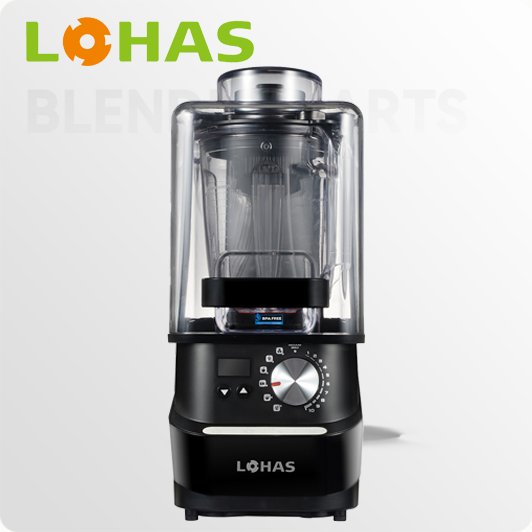
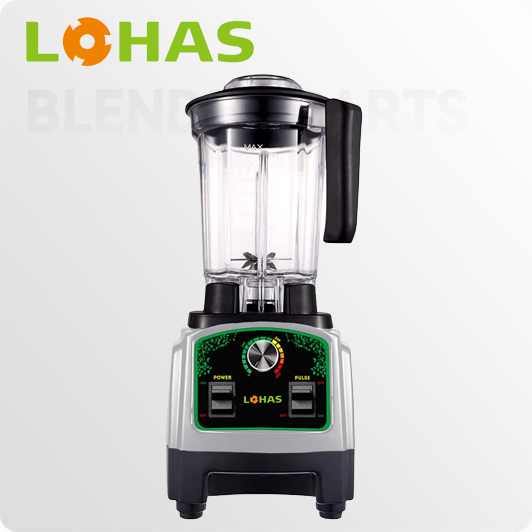
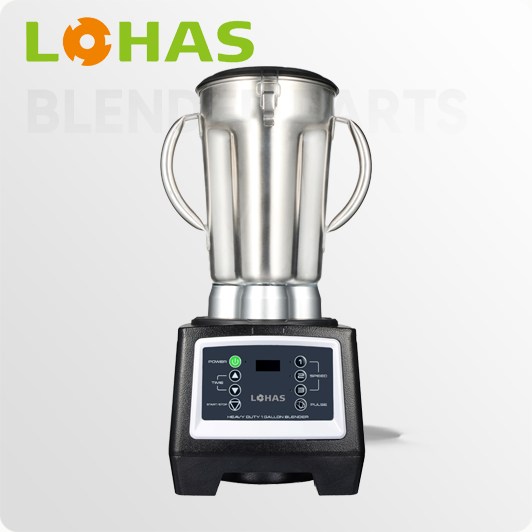
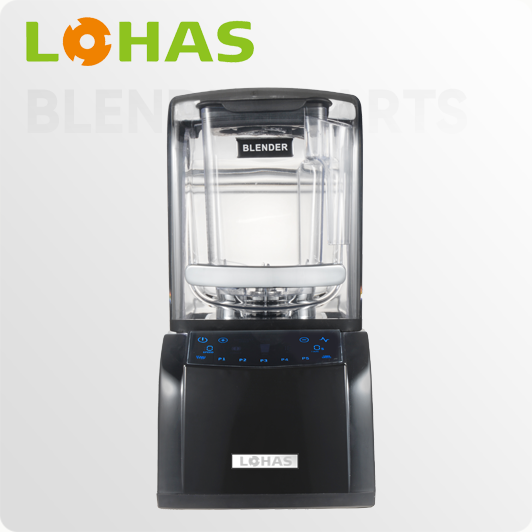
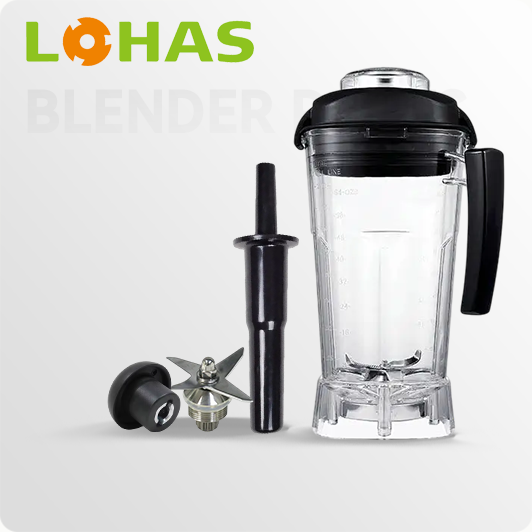
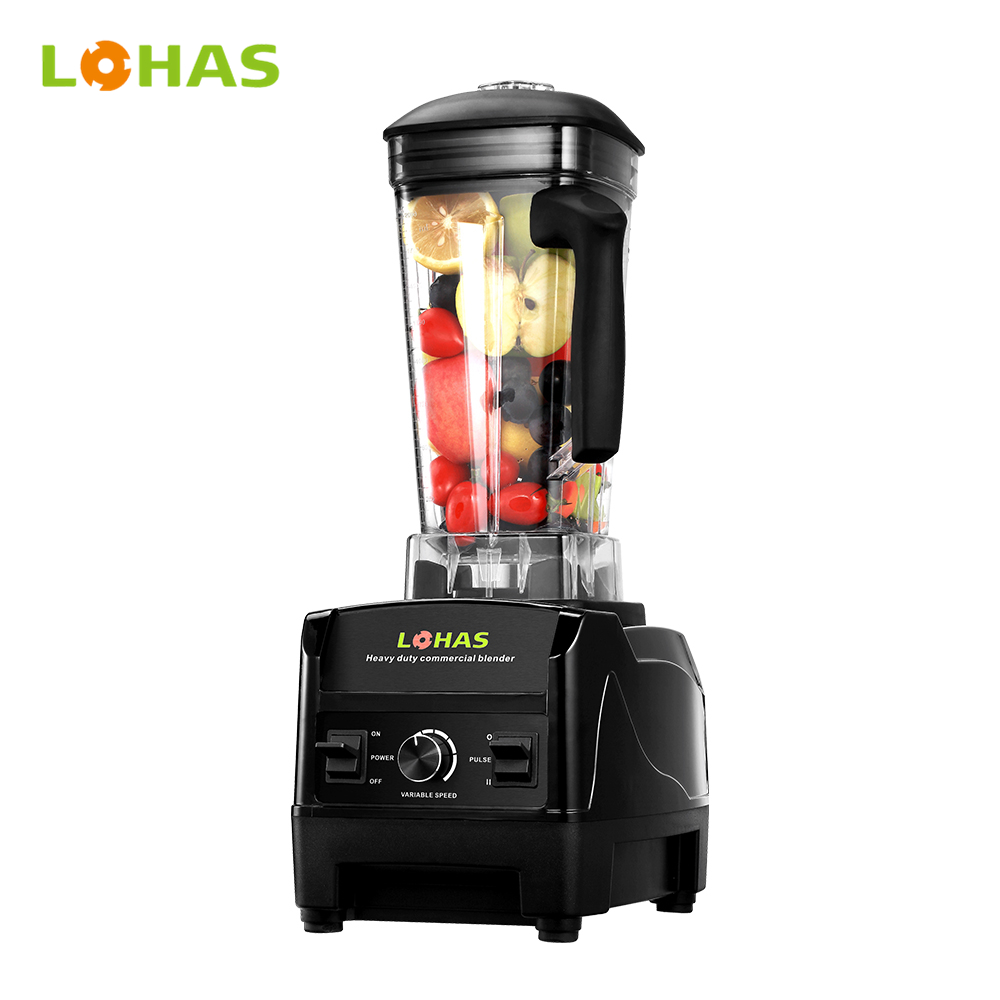
A commercial food blender serves as an essential piece of equipment in professional kitchens, food production facilities, and hospitality environments. Unlike standard residential blenders, a commercial food blender is engineered to handle high-volume blending tasks with consistent results, durable construction, and powerful motor performance. Understanding what a commercial food blender is used for professionally helps business owners, chefs, and food service managers make informed decisions about their operational equipment.

Professional settings require a commercial food blender that can process large batches, operate continuously throughout service hours, and maintain reliability under demanding conditions. A commercial food blender with sufficient power and capacity becomes a revenue-generating asset rather than a convenience item, enabling faster throughput and consistent product quality that builds customer trust and brand reputation.
Core Applications in Food Service and Hospitality
Beverage Production and Smoothie Bar Operations
Smoothie bars, juice lounges, and café franchises depend on a commercial food blender to create consistent drinks throughout their operating day. A commercial food blender designed for beverage production can blend frozen fruits, ice, yogurt, protein powder, and plant-based milks in seconds, enabling staff to serve customers rapidly during peak demand. The high-performance motors in a commercial food blender reduce blend times compared to standard equipment, which directly translates to increased customer throughput and sales volume during breakfast rushes and lunch service.
Consistency matters in food service branding, and a commercial food blender ensures that every smoothie or fresh juice maintains identical flavor profiles and texture, regardless of who operates it. Customer loyalty grows when patrons know that their favorite smoothie will taste the same every visit. A reliable commercial food blender handles the thermal demands of frequent back-to-back blending without performance degradation or motor burnout, providing operators with the uptime they need for sustained profitability.
Sauce, Soup, and Puree Creation
Professional chefs rely on a commercial food blender to transform raw ingredients into silky sauces, creamy soups, and smooth purées at scale. A commercial food blender can process hot liquids directly after cooking, which saves operators time by eliminating cooling and transfer steps that slower equipment requires. The blending power of a commercial food blender breaks down fibrous vegetables, grains, and legumes into perfectly smooth textures that enhance plating presentation and dining experience in upscale restaurants and catering operations.
Whether creating bisques, curry bases, or vegetable purées for multiple service events, a commercial food blender handles volume and complexity that consumer-grade equipment cannot sustain. Professional kitchens use a commercial food blender not only for consistency but also for labor efficiency, as one operator can prepare large batches in minimal time, freeing staff to focus on other critical prep work during service.
Industrial Food Production and Manufacturing
Large-Scale Beverage and Ingredient Preparation
Food manufacturers and ingredient suppliers depend on industrial-grade commercial food blender systems to blend powders, liquids, and particulates for commercial distribution. A commercial food blender in manufacturing environments must meet food safety standards, maintain batch consistency, and process volumes that exceed thousands of gallons per production cycle. The motorized efficiency and precision of a commercial food blender becomes critical when producing protein powders, nutrition supplements, salad dressings, or flavored syrups for wholesale customers.
Production facilities leverage a commercial food blender to ensure that every batch meets regulatory compliance and customer specifications without manual quality variation. The sanitation features built into professional commercial food blender designs, such as sealed motor bases and food-grade materials, help manufacturers reduce contamination risk and product recalls that could damage brand reputation and revenue streams.
Nut Butters, Plant-Based Alternatives, and Specialty Products
The growing demand for nut butters, plant-based milk alternatives, and specialty food products has expanded professional demand for high-capacity commercial food blender equipment. A commercial food blender engineered for these applications must generate sufficient friction and shear force to release oils from nuts and seeds, transforming them into creamy, market-ready products. Commercial food blender manufacturers have designed machines specifically for these demands, recognizing that standard commercial food blender models may not deliver the consistent particle size and texture that consumers expect from premium products.
These specialty applications have made a commercial food blender an investment priority for emerging food brands focused on quality differentiation and direct-to-consumer sales channels. By using a dedicated commercial food blender for these products, manufacturers maintain control over flavor profiles and nutritional integrity while scaling production to meet growing customer demand without compromising quality standards that built their market reputation.
Hospitality, Catering, and Institutional Food Service
Batch Processing for Events and High-Volume Service
Catering companies and event venues use a commercial food blender to prepare large quantities of dips, dressings, and beverages before service begins, then switch to on-demand blending during events. A commercial food blender enables catering teams to pre-blend dry ingredients and batters, then complete preparation in real-time as service demands change throughout an event. This operational flexibility makes a commercial food blender invaluable for venues handling weddings, corporate events, and conferences where menu requirements and guest counts may shift with short notice.
Hospital cafeterias, university food services, and corporate dining operations use a commercial food blender to support dietary variety and nutritional accommodations for diverse populations. A commercial food blender allows institutional food service to prepare textured diets, nutrient-enriched beverages, and pureed meals required by patients with swallowing difficulties or specific dietary needs. The consistency and volume capability of a commercial food blender supports compliance with nutritional standards while maintaining cost efficiency across hundreds of daily meals.
Quality Control and Menu Innovation
Executive chefs and culinary teams use a commercial food blender as a testing tool for new menu items and flavor combinations before committing to full production. A commercial food blender allows creative experimentation with spice blends, sauce formulas, and texture profiles without the commitment required by batch processing equipment. Once menu items are finalized, a commercial food blender transitions from development tool to production asset, supporting consistent execution across multiple kitchen locations or catering events.
FAQ
What makes a commercial food blender different from a residential blender?
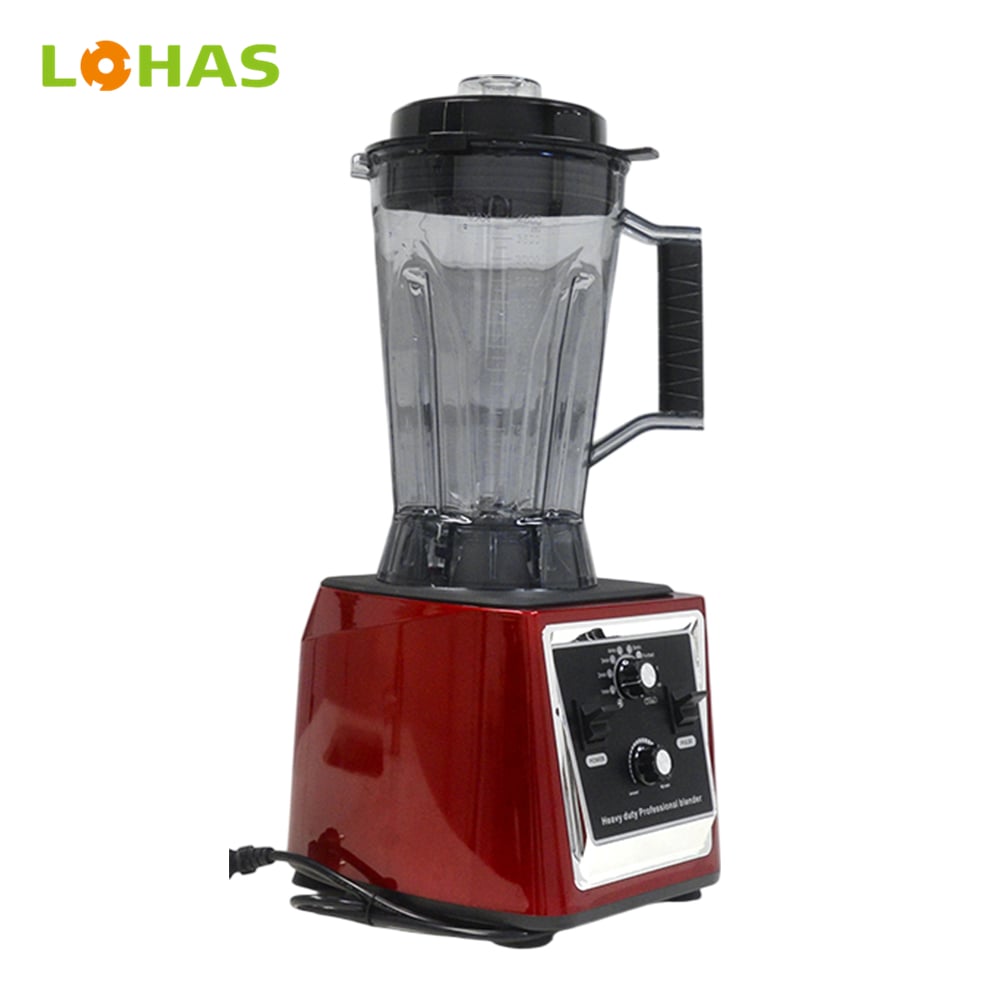
A commercial food blender features a significantly more powerful motor, larger capacity, durable construction materials, and continuous-duty design that allows extended operation without overheating. Residential blenders are typically rated for intermittent use, with duty cycles of 30 seconds to a few minutes, while a commercial food blender can run continuously for hours. The motor torque in a commercial food blender enables faster processing of tough ingredients, and the reinforced components are engineered to withstand the thermal and mechanical stress of high-volume production environments.
Can a commercial food blender handle frozen ingredients?
Yes, a commercial food blender is specifically designed to blend frozen fruits, ice, and solid ingredients at scale. The motor power and blade design of a commercial food blender generate the torque necessary to break down ice and frozen products efficiently, making a commercial food blender ideal for frozen smoothies, frozen cocktails, and gelato bases. However, operators should follow manufacturer guidelines regarding maximum batch sizes and ingredient types to ensure that a commercial food blender continues to perform optimally throughout its service life.
How does a commercial food blender improve food safety?
A commercial food blender manufactured to food service standards includes features like sealed motor bases, washable containers, and materials that prevent bacterial growth and cross-contamination. The food-grade construction of a commercial food blender supports proper sanitization procedures required by health codes and regulatory bodies. Additionally, the speed and efficiency of a commercial food blender can reduce processing time, which helps maintain ingredient freshness and reduces the risk of microbial multiplication in prepared foods.