 EN
EN

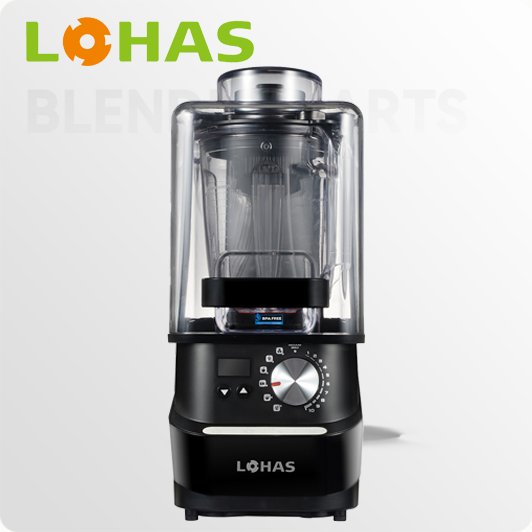
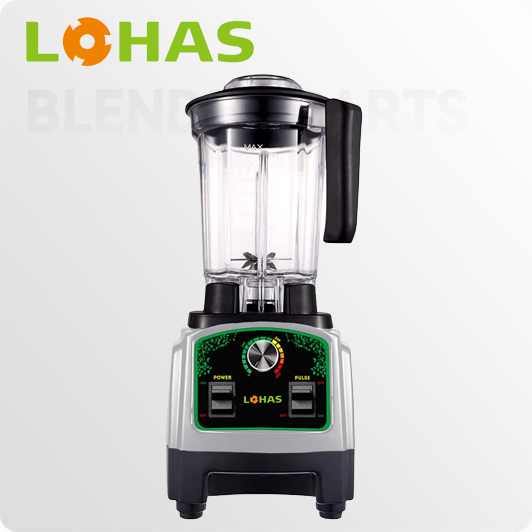
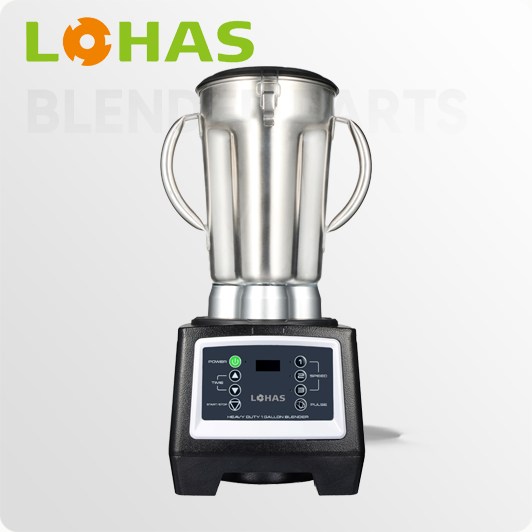
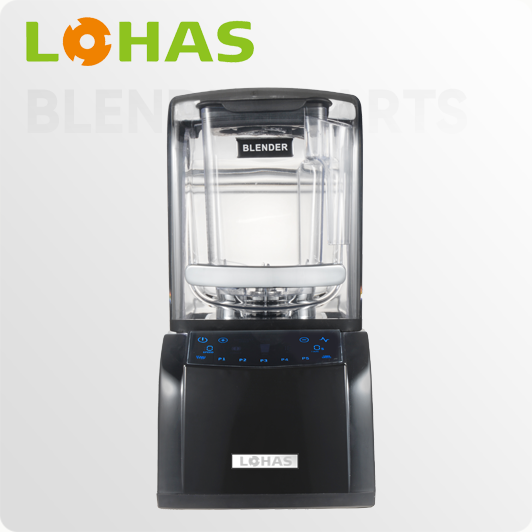
Operating a high-volume kitchen demands equipment that can handle relentless daily demands without compromising quality or consistency. A commercial food blender has become an indispensable tool for restaurants, catering operations, and food service facilities that need to prepare large batches of smoothies, sauces, soups, and purees efficiently. Unlike consumer-grade blenders, a commercial food blender is engineered with industrial-strength motors, reinforced containers, and advanced blade systems designed to process ingredients continuously throughout busy service hours. Understanding how a commercial food blender performs under demanding conditions is essential for any food service manager seeking to optimize kitchen workflow and maintain product quality.
The performance characteristics of a commercial food blender directly impact operational efficiency, labor costs, and food safety compliance in high-volume environments. When selecting equipment, facility managers must evaluate motor power, processing speed, capacity, and durability metrics that distinguish professional-grade systems from standard kitchen equipment. This guide explores the critical performance factors that define modern commercial food blender technology and how these specifications translate to measurable business benefits in demanding kitchen operations.
Motor Power and Processing Capacity of Commercial Food Blenders
High-Horsepower Engines for Continuous Operation
A commercial food blender typically features motors ranging from 2 to 3+ horsepower, enabling consistent performance even when processing tough ingredients like frozen fruits, nuts, and raw vegetables repeatedly throughout service hours. The motor power in a commercial food blender directly determines how quickly batches can be completed and how effectively the machine handles dense or fibrous materials that would stall consumer equipment. High-performance commercial food blender motors operate at speeds up to 10,000 RPM or higher, creating the centrifugal force needed to break down cellular structures and achieve smooth, uniform texture in finished products. This sustained power delivery means that a commercial food blender can process ingredient batches without thermal stress or performance degradation that would slow kitchen operations during peak service periods.
Consistent Blending Results Across High-Volume Cycles
The reliability of a commercial food blender stems from engineering that prioritizes thermal management, vibration reduction, and material durability under continuous use. Industrial designers of commercial food blender systems incorporate cooling features and reinforced mounting systems that prevent the performance decline operators often experience with consumer equipment after extended operation. A commercial food blender maintains consistent blade speed and processing efficiency across hundreds of daily cycles, ensuring that smoothies prepared at 7 AM taste identical to those made at 9 PM. This consistency is essential for brand reputation and customer satisfaction in high-volume food service environments where quality expectations remain constant regardless of operational volume.
Durability and Maintenance Requirements for High-Volume Use
Industrial-Grade Materials and Construction Standards
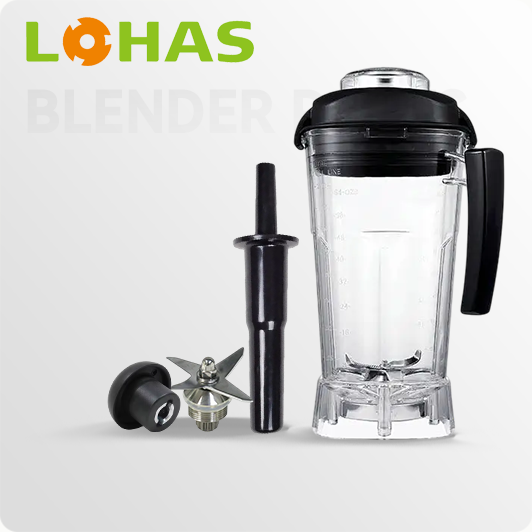
A commercial food blender built for professional kitchens uses stainless steel containers, reinforced plastic or polycarbonate housing, and wear-resistant blade assemblies that withstand thousands of hours of operation. The container design in a commercial food blender typically features reinforced seals, tamper-evident lids, and drip-proof bases that prevent cross-contamination and maintain food safety compliance standards. Blade assemblies in a commercial food blender system are engineered with corrosion-resistant materials and optimized geometry that maximizes cutting efficiency while minimizing wear patterns that degrade performance over time. Professional-grade construction ensures that a commercial food blender remains operational through years of intensive use, protecting the significant capital investment facility managers make in food service infrastructure.
Maintenance Scheduling and Parts Replacement Cycles
Extending the operational lifespan of a commercial food blender depends on implementing consistent maintenance routines that address wear indicators before critical failures occur. A commercial food blender requires regular seal replacement, blade sharpening services, and motor bearing inspections at intervals determined by usage intensity and processed ingredient types. Facilities operating a commercial food blender at maximum capacity benefit from scheduled preventive maintenance programs that identify potential issues during slower service periods rather than during critical preparation windows. Many commercial food blender manufacturers provide detailed maintenance guides specifying lubrication points, seal replacement frequencies, and thermal monitoring protocols that maximize equipment longevity and minimize unexpected downtime.
Workflow Integration and Operational Efficiency in Food Service
Batch Processing Speed and Kitchen Coordination
The operational efficiency gains from using a commercial food blender extend beyond equipment performance metrics to encompass how blending tasks integrate with broader kitchen workflows during busy service periods. A modern commercial food blender can complete batches in 30-90 seconds depending on ingredient viscosity and final texture requirements, allowing food service teams to fulfill customer orders quickly while maintaining quality standards. Commercial kitchens benefit from a commercial food blender positioned strategically near preparation stations where operators can seamlessly transition from ingredient assembly to processing without disrupting other kitchen activities. This workflow integration is essential during peak demand periods when multiple orders arrive simultaneously and kitchen teams must coordinate equipment use across numerous concurrent tasks.
Scalability and Multiple Unit Operations
Large food service operations often deploy multiple commercial food blender units simultaneously to handle volume demands that exceed single-unit capacity during peak hours. A commercial food blender's modular design and standardized electrical requirements allow facility managers to add additional units as business volume grows without requiring facility infrastructure modifications. Professional kitchens benefit from having a commercial food blender dedicated to specific product categories, such as smoothies, sauces, or prepared ingredients, enabling specialized cleaning protocols and reducing cross-contamination risks. High-volume catering operations and restaurant chains leverage multiple commercial food blender units to achieve the production capacity required for large-scale events or multi-location meal preparation without compromising quality or safety standards.
Food Safety and Compliance Standards for Commercial Equipment
NSF Certification and Regulatory Compliance
A commercial food blender certified by the National Sanitation Foundation meets stringent requirements for food contact surfaces, cleaning accessibility, and contamination prevention that protect consumer health and facility operations. Commercial food blender designs approved for food service environments feature removable containers, accessible internal components, and material compositions that withstand sanitizing procedures required by health department regulations. Facilities using a commercial food blender certified for commercial service operations maintain compliance with federal, state, and local health codes that mandate specific equipment standards for food preparation environments. Choosing a commercial food blender that displays NSF certification or equivalent third-party approval demonstrates commitment to food safety protocols and reduces liability exposure from contamination incidents or regulatory violations.
Cleaning and Sanitation Protocol Compatibility
Effective sanitation of a commercial food blender requires designing containers and blade assemblies that allow complete cleaning without disassembly that slows kitchen operations between service periods. A commercial food blender engineered for commercial food service includes self-cleaning features that allow operators to run hot water and cleaning solutions through the system to remove residual ingredients and microbial growth. Many commercial food blender models feature tool-free blade removal systems and dishwasher-safe components that simplify daily sanitation routines and reduce the specialized knowledge required from kitchen staff. Facilities operating a commercial food blender during continuous service benefit from quick-clean protocols that maintain food safety standards while minimizing equipment downtime between meal preparation shifts.
FAQ
What horsepower range is typical for a commercial food blender in high-volume kitchens?
Most commercial food blender systems used in professional kitchens feature motors between 2 to 3.5 horsepower, with some heavy-duty models reaching 4+ horsepower for specialized applications. A commercial food blender with this power range can process frozen ingredients, nuts, and dense vegetables efficiently while maintaining consistent performance across hundreds of daily cycles. The specific horsepower requirement for a commercial food blender depends on ingredient types, batch sizes, texture consistency requirements, and intended processing volume during peak operational periods.
How often should a commercial food blender require maintenance in a high-volume operation?
A commercial food blender operating in high-volume kitchens typically requires inspection and maintenance every 500-1000 operating hours or quarterly, depending on usage intensity and processed ingredient types. Commercial food blender blade assemblies should be professionally sharpened annually or when processing speed noticeably declines, ensuring optimal performance and ingredient texture quality. Regular seal replacement and thermal system checks help prevent unexpected failures of a commercial food blender during critical service periods and extend overall equipment lifespan significantly.
Can a commercial food blender meet NSF food safety certification requirements?
Yes, a properly designed commercial food blender certified by NSF or equivalent standards meets all food safety regulations required for commercial kitchen operations across most jurisdictions. A commercial food blender certified for food service features removable containers, accessible cleaning points, and material compositions specifically approved for food contact applications. Purchasing a commercial food blender displaying valid NSF certification ensures compliance with health department regulations and provides documented evidence of food safety protocol adherence during regulatory inspections.