 EN
EN


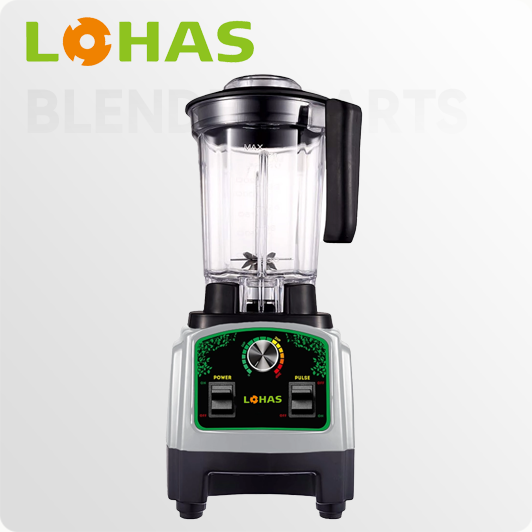
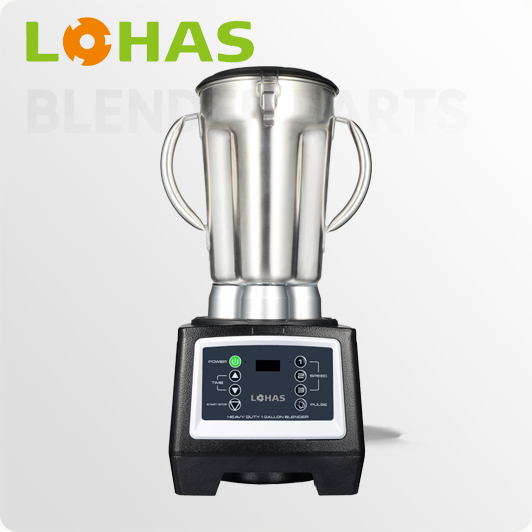
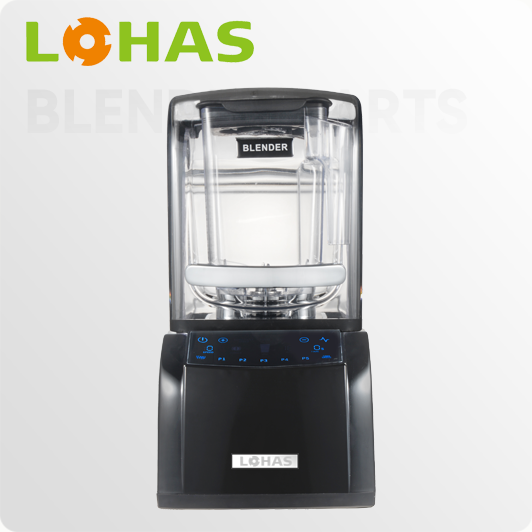

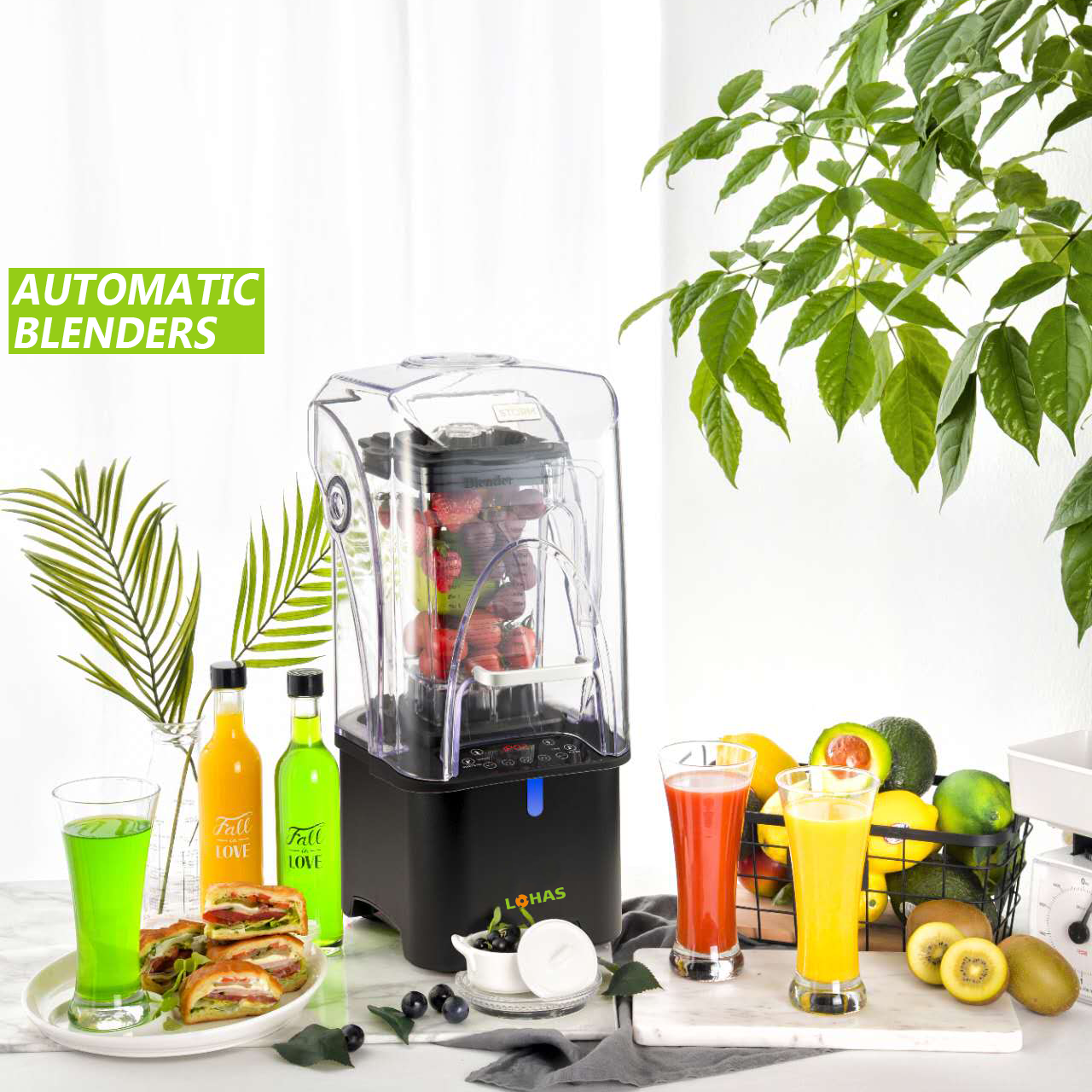
In today's fast-paced beverage industry, establishments face unprecedented demands for speed, consistency, and quality in drink preparation. Whether operating a bustling coffee shop, smoothie bar, or restaurant, the ability to quickly produce high-quality beverages determines customer satisfaction and operational profitability. A commercial blender serves as the cornerstone equipment that enables businesses to meet these demanding requirements while maintaining the efficiency necessary for sustained success. Unlike residential appliances, these professional-grade machines are engineered to withstand continuous operation and deliver consistent results throughout extended service periods.
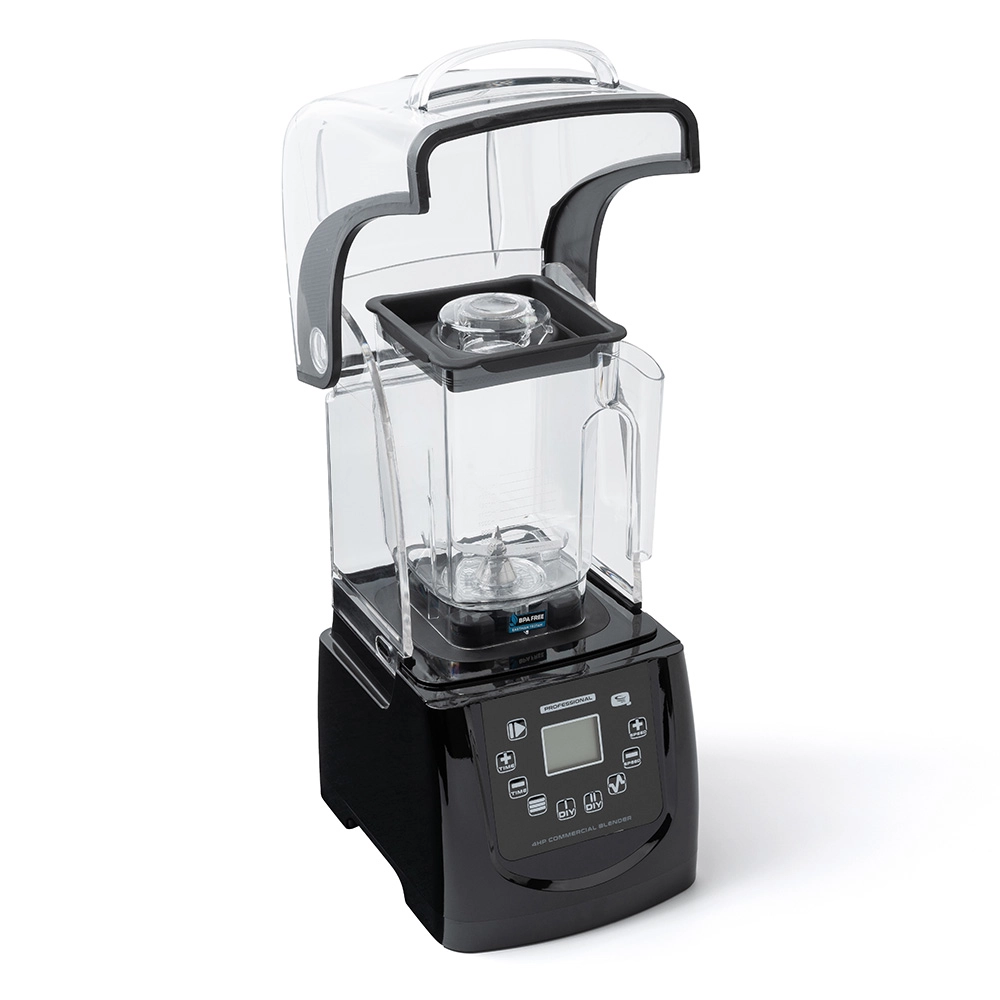
The distinction between commercial and residential blending equipment becomes immediately apparent when examining performance capabilities and durability standards. Commercial blender units incorporate heavy-duty motors ranging from 2 to 8 horsepower, compared to typical household models that operate with fractional horsepower ratings. This power differential translates directly into blending efficiency, enabling operators to process tough ingredients like frozen fruits, ice, and fibrous vegetables with remarkable ease and speed.
Performance Advantages of Professional Blending Equipment
Motor Power and Durability Standards
Professional blending operations require equipment that can sustain intensive use without compromising performance or reliability. A high-quality commercial blender features motors specifically designed for continuous operation cycles that would quickly overwhelm standard consumer appliances. These robust powerplants incorporate advanced cooling systems and reinforced components that prevent overheating during extended blending sessions. The superior construction ensures consistent blade speed maintenance even when processing dense mixtures or large quantities of ingredients.
Motor durability directly impacts operational efficiency and maintenance costs throughout the equipment's service life. Premium commercial units utilize ball bearing systems and heavy-duty drive mechanisms that resist wear under constant use conditions. This engineering approach minimizes downtime associated with repairs and replacements while ensuring reliable performance during peak service periods. The enhanced longevity of professional-grade motors provides substantial return on investment through reduced replacement frequency and maintenance expenses.
Blending Speed and Consistency Control
Achieving consistent texture and quality across multiple drink preparations requires precise control over blending parameters. Commercial blending equipment offers variable speed controls and preset programs that eliminate guesswork while ensuring reproducible results. These features enable operators to optimize blending cycles for specific recipes, whether creating smooth protein shakes, chunky fruit smoothies, or perfectly crushed ice beverages. The ability to maintain consistent output quality becomes crucial when serving high volumes of customers who expect identical products with each order.
Advanced commercial blender models incorporate programmable controls that allow operators to store multiple recipe profiles with predetermined blending times and speed sequences. This automation capability reduces training requirements for staff members while minimizing the potential for human error during busy service periods. The consistent results achieved through programmed cycles help establish brand recognition and customer loyalty by delivering identical product quality regardless of which employee operates the equipment.
Operational Efficiency in High-Volume Environments
Speed of Service Enhancement
Time efficiency becomes paramount in commercial beverage operations where customer wait times directly impact satisfaction levels and revenue generation. A properly specified commercial blender can complete most blending tasks in 30 to 60 seconds, compared to several minutes required by less powerful alternatives. This dramatic reduction in processing time enables establishments to serve significantly more customers during peak periods while maintaining product quality standards. The enhanced throughput capability proves especially valuable during morning rush hours or lunch periods when demand reaches maximum levels.
Fast blending cycles also contribute to improved workflow efficiency by reducing bottlenecks in beverage preparation sequences. Staff members can quickly process multiple orders simultaneously rather than waiting for extended blending cycles to complete. This operational advantage allows businesses to optimize labor utilization while responding more effectively to customer demand fluctuations throughout the day. The cumulative effect of faster service times enhances customer satisfaction and encourages repeat business through reduced wait times.
Capacity and Batch Processing Benefits
Commercial blending equipment typically features larger container capacities ranging from 64 ounces to several gallons, enabling operators to prepare multiple servings simultaneously or create large batches for high-demand items. This increased capacity proves particularly valuable for establishments that offer popular smoothie flavors or specialty drinks that can be prepared in advance. The ability to process larger quantities reduces the frequency of ingredient preparation and cleanup cycles, improving overall operational efficiency.
Batch processing capabilities also enable businesses to implement cost-effective inventory management strategies by preparing popular items during slower periods for later service. This approach helps balance workload distribution throughout the day while ensuring adequate product availability during peak demand periods. The flexibility to adjust batch sizes according to anticipated demand patterns provides operational advantages that translate directly into improved profitability and customer service levels.
Durability and Reliability in Commercial Applications
Construction Materials and Design Features
Professional-grade blending equipment incorporates materials and design elements specifically chosen for commercial service environments. Stainless steel components resist corrosion and maintain sanitary conditions while withstanding the physical demands of constant use. Heavy-duty plastic containers feature impact-resistant formulations that prevent cracking under normal operational stress while remaining lightweight enough for easy handling by staff members. These material choices ensure long-term reliability while minimizing replacement costs associated with component failure.
The robust construction of commercial units extends beyond basic component selection to include reinforced mounting systems and vibration-dampening features. These design elements prevent operational noise and movement that could disturb customers while ensuring stable performance during high-speed blending cycles. The professional appearance and quiet operation characteristics help maintain the desired ambiance in customer-facing environments while delivering the performance capabilities required for efficient beverage preparation.
Maintenance Requirements and Service Life
Commercial blender units are engineered with maintenance accessibility in mind, featuring removable components and straightforward cleaning procedures that support efficient sanitation protocols. This design approach reduces the time required for daily maintenance tasks while ensuring compliance with health department regulations regarding equipment cleanliness. The simplified maintenance requirements help minimize labor costs associated with equipment upkeep while maintaining optimal performance levels throughout the equipment's service life.
Professional blending equipment typically provides service life expectancy of 5 to 10 years under normal commercial conditions, significantly exceeding the lifespan of consumer-grade alternatives. This extended operational life reduces the total cost of ownership while providing predictable equipment replacement scheduling for financial planning purposes. The enhanced durability also ensures consistent performance characteristics throughout the equipment's service life, maintaining product quality standards that customers expect from established businesses.
Cost-Effectiveness and Return on Investment
Initial Investment Considerations
While the upfront cost of a commercial blender exceeds that of consumer models, the investment provides substantial value through enhanced capabilities and extended service life. Professional units typically range from several hundred to several thousand dollars depending on features and capacity requirements. This initial investment must be evaluated against the potential revenue generation and operational efficiency improvements that justify the higher purchase price. Most establishments recover the additional cost within months through increased service capacity and reduced maintenance expenses.
The investment analysis should also consider the impact of equipment reliability on business continuity and customer satisfaction. A failed blender during peak service periods can result in lost revenue and disappointed customers that may not return. The enhanced reliability of commercial-grade equipment provides insurance against such operational disruptions while ensuring consistent product availability that supports business growth objectives. This risk mitigation value often justifies the premium pricing associated with professional equipment.
Long-Term Operating Cost Benefits
Commercial blending equipment delivers significant long-term cost advantages through reduced maintenance requirements, lower energy consumption per unit of output, and extended replacement intervals. The efficient motor designs and optimized blending mechanisms reduce electricity costs while delivering superior performance compared to multiple consumer units that might be required to achieve equivalent output. These operational savings accumulate over time to provide substantial cost benefits that improve overall profitability.
The enhanced durability of commercial equipment also reduces the hidden costs associated with equipment downtime, emergency repairs, and frequent replacements. Professional units incorporate serviceable components and standardized parts that facilitate cost-effective repairs when maintenance becomes necessary. This serviceability extends equipment life while minimizing the total cost of ownership throughout the operational period. The predictable maintenance schedule and reduced failure rates help businesses plan maintenance budgets more accurately while avoiding unexpected expenses.
Key Features to Consider When Selecting Commercial Blending Equipment
Motor Specifications and Power Requirements
Selecting appropriate motor specifications requires careful consideration of intended applications and volume requirements. A commercial blender designed for smoothie preparation typically requires 2 to 3 horsepower for optimal performance, while applications involving frequent ice crushing or frozen ingredient processing may benefit from higher power ratings. The motor specifications should align with electrical system capabilities to ensure proper installation and operation without requiring expensive electrical modifications.
Power requirements also influence operational costs through electricity consumption patterns. More powerful motors generally complete blending tasks faster, potentially reducing overall energy consumption despite higher instantaneous power draw. The efficiency characteristics of different motor designs should be evaluated to determine the most cost-effective option for specific operational requirements. Variable speed controls and preset programs can further optimize energy usage while maintaining consistent product quality.
Container Design and Capacity Options
Container selection significantly impacts operational efficiency and product quality outcomes. Optimal container design incorporates geometric features that promote efficient ingredient circulation while minimizing air incorporation that can affect texture quality. The container capacity should match typical batch sizes while providing flexibility for varying order volumes throughout different service periods. Removable containers facilitate cleaning and ingredient preparation workflows while enabling multiple container rotation for continuous operation capability.
Material selection for blending containers affects durability, cleaning ease, and product quality maintenance. Stainless steel containers provide superior durability and heat resistance but may increase equipment weight and cost. High-quality polycarbonate alternatives offer excellent clarity for visual monitoring while maintaining sufficient durability for commercial applications. The container design should incorporate features that facilitate thorough cleaning and sanitization to comply with health regulations while maintaining optimal hygiene standards.
FAQ
What size commercial blender is appropriate for a small coffee shop
For small coffee shops serving 50-100 beverages daily, a commercial blender with 64-96 ounce capacity and 2-3 horsepower motor provides adequate performance. This size handles typical smoothie and frappuccino orders efficiently while fitting within limited counter space. Consider models with programmable controls to ensure consistent results across different operators and peak service periods.
How often should commercial blending equipment require maintenance
Commercial blender units typically require daily cleaning and weekly deep sanitization, with professional service recommended every 6-12 months depending on usage intensity. Regular maintenance includes blade inspection, seal replacement, and motor lubrication according to manufacturer specifications. Proper maintenance extends equipment life significantly while ensuring optimal performance and food safety compliance.
Can commercial blenders handle hot ingredients safely
Most commercial blenders can process warm ingredients up to 180°F, but hot liquids require specialized models with vented lids and heat-resistant containers. Always consult manufacturer specifications for temperature limits to prevent damage and ensure operator safety. Hot blending applications may require additional safety protocols and staff training to prevent accidents during operation.
What warranty coverage should I expect from commercial blending equipment
Quality commercial blenders typically include 1-3 year warranties covering motor and electronic components, with some manufacturers offering extended coverage for specific applications. Warranty terms often distinguish between parts and labor coverage while specifying usage limitations that affect coverage eligibility. Review warranty conditions carefully and consider extended service plans for critical operational equipment.