 EN
EN


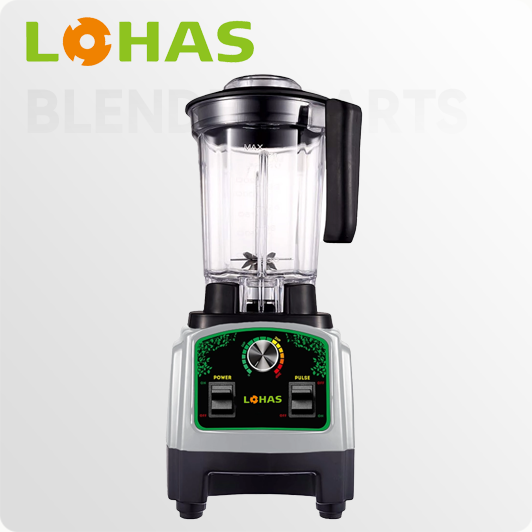
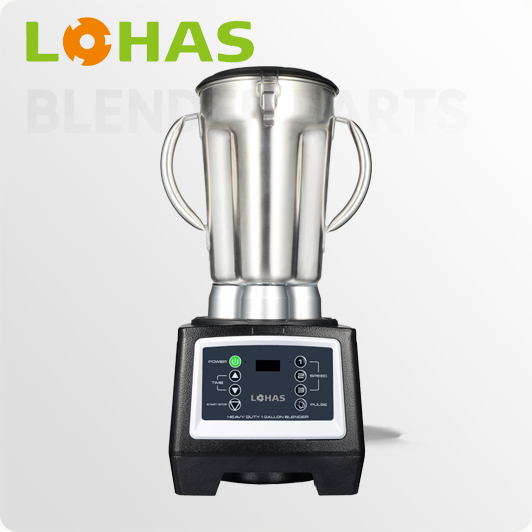
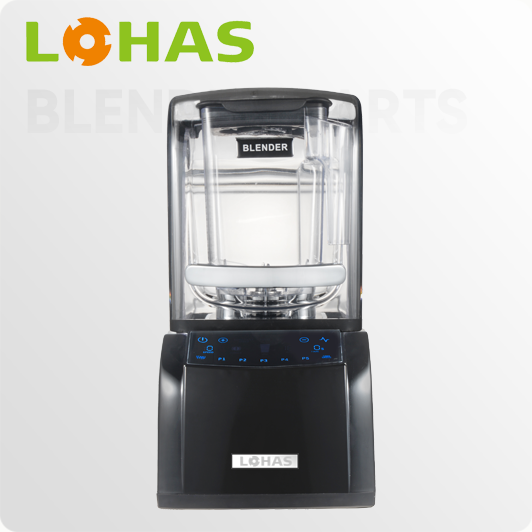

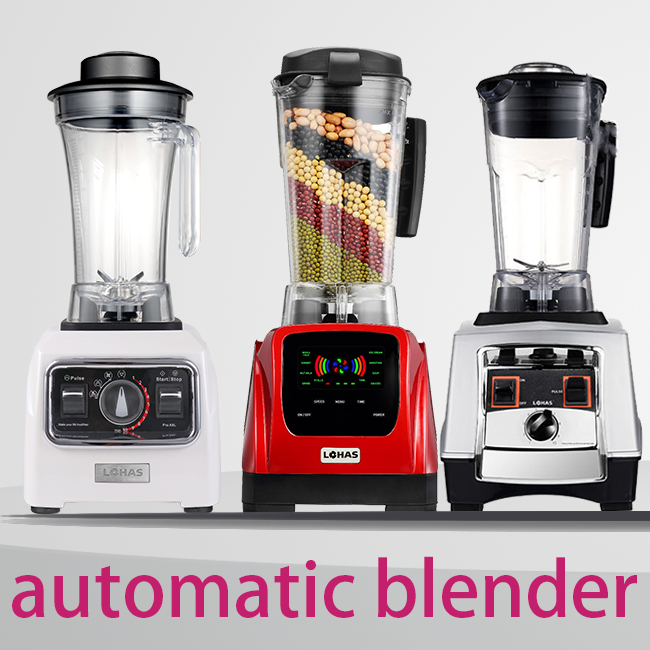
Operating a commercial blender in high-volume food service environments presents unique maintenance challenges that can significantly impact business operations. From busy smoothie bars to industrial food processing facilities, understanding these challenges is essential for maximizing equipment lifespan and maintaining consistent performance. A well-maintained commercial blender not only ensures product quality but also minimizes costly downtime that can disrupt service and reduce profitability.
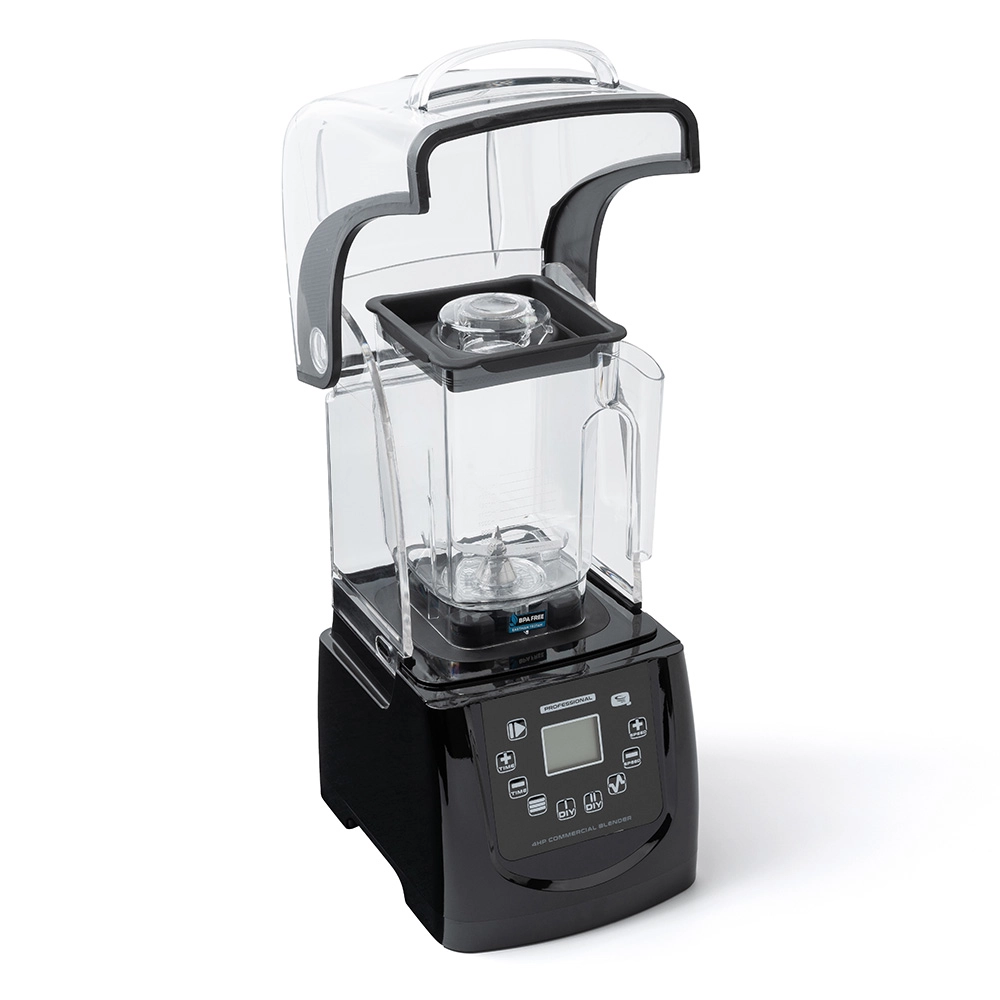
Commercial blending equipment faces far more demanding conditions than residential models, processing hundreds of servings daily while handling diverse ingredients ranging from frozen fruits to fibrous vegetables. These intensive operating conditions create specific maintenance requirements that facility managers and operators must address proactively. Without proper maintenance protocols, even the most robust commercial blender can experience premature failure, resulting in expensive repairs and service interruptions.
Motor and Drive System Maintenance Issues
Overheating and Thermal Protection
The motor system in a commercial blender operates under continuous stress, especially during peak service hours when multiple blending cycles occur consecutively. Overheating represents one of the most common maintenance challenges, often resulting from inadequate cooling periods between uses or blocked ventilation systems. When thermal protection systems activate repeatedly, they indicate underlying issues that require immediate attention to prevent permanent motor damage.
Regular monitoring of operating temperatures helps identify potential problems before they escalate into costly repairs. Operators should implement cooling protocols that allow sufficient rest periods between intensive blending sessions, particularly when processing dense or frozen ingredients. Additionally, maintaining clean ventilation ports and ensuring proper airflow around the motor housing prevents heat buildup that can compromise performance.
Belt and Coupling Wear
Drive system components experience significant wear in commercial applications due to constant torque variations and operational stress. Belt-driven commercial blender models require regular inspection for signs of stretching, cracking, or fraying that can lead to slippage and reduced blending efficiency. Coupling systems, whether direct-drive or belt-driven, must maintain proper alignment to prevent premature wear and vibration issues.
Establishing a preventive replacement schedule for drive components helps avoid unexpected failures during busy service periods. Professional technicians should perform alignment checks and tension adjustments according to manufacturer specifications, ensuring optimal power transmission and extending component life. Proper lubrication of bearings and moving parts according to recommended intervals prevents excessive friction and wear.
Blade Assembly and Container Challenges
Blade Dulling and Damage
Sharp, properly maintained blades are essential for efficient commercial blender operation, yet blade dulling occurs naturally through regular use and contact with hard ingredients. Dull blades require more motor power to achieve the same blending results, increasing energy consumption and placing additional strain on the drive system. Ice, frozen fruits, and fibrous vegetables accelerate blade wear, particularly when processed frequently in high-volume operations.
Professional blade sharpening or replacement becomes necessary when blending performance deteriorates noticeably. Operators should monitor blend consistency and processing times to identify when blade maintenance is required. Some facilities maintain spare blade assemblies to minimize downtime during maintenance periods, allowing continuous operation while worn blades undergo professional servicing.
Container Wear and Seal Integrity
Blending containers endure constant stress from ingredient impact, temperature variations, and cleaning procedures. Polycarbonate and other plastic containers may develop stress cracks or cloudiness over time, while stainless steel containers can suffer from corrosion if not properly maintained. The sealing system between the container and blade assembly requires particular attention, as leaks can create safety hazards and contamination risks.
Regular inspection of container integrity helps identify potential failure points before they compromise operation. Seal replacement should follow manufacturer guidelines, using only approved replacement parts to ensure proper fit and food safety compliance. Commercial blender containers showing signs of significant wear should be replaced promptly to maintain product quality and operator safety.
Cleaning and Sanitation Maintenance Requirements
Deep Cleaning Procedures
Commercial blender maintenance extends beyond basic cleaning to include comprehensive sanitation procedures that prevent bacterial growth and ensure food safety compliance. Deep cleaning involves complete disassembly of removable components, allowing access to areas where food particles and residue can accumulate. These hard-to-reach areas become breeding grounds for bacteria if not properly addressed through systematic cleaning protocols.
Establishing standardized cleaning procedures helps ensure consistent sanitation while preventing damage from improper cleaning methods. Different ingredients require specific cleaning approaches, with protein-based products necessitating enzymatic cleaners and acidic ingredients requiring alkaline neutralization. Professional-grade sanitizers approved for food service use must be applied according to manufacturer instructions and local health regulations.
Chemical Compatibility and Material Degradation
Cleaning chemicals can interact with commercial blender components in ways that accelerate wear or compromise food safety. Harsh chemicals may cause rubber seals to deteriorate, plastic components to become brittle, or metal surfaces to corrode. Understanding chemical compatibility ensures that cleaning procedures maintain equipment integrity while achieving required sanitation standards.
Material compatibility charts provided by manufacturers guide the selection of appropriate cleaning agents for different components. Rinse procedures must completely remove cleaning residues to prevent chemical contamination of food products. Regular inspection of components exposed to cleaning chemicals helps identify degradation before it affects performance or safety.
Electrical System and Control Maintenance
Control Panel and Switch Reliability
Control systems in commercial blender units face constant use and exposure to moisture, food particles, and cleaning chemicals. Push buttons, switches, and digital displays can malfunction due to contamination or wear, affecting operational reliability and user safety. Moisture infiltration poses particular risks to electrical components, potentially causing short circuits or component failure.
Protective measures such as sealed control panels and regular cleaning with appropriate methods help maintain electrical system integrity. Operators should avoid excessive moisture exposure during cleaning and report any signs of electrical malfunction immediately. Professional electrical inspection and maintenance ensure compliance with safety codes and prevent potential hazards.
Wiring and Connection Integrity
Electrical connections within commercial blender systems experience stress from vibration, temperature changes, and operational cycles. Loose connections can create arcing, heat buildup, and potential fire hazards while reducing equipment reliability. Vibration from normal operation can gradually loosen wire connections and strain electrical components.
Regular electrical inspections by qualified technicians identify potential problems before they cause failures or safety hazards. Proper grounding and electrical protection systems must be maintained according to local electrical codes. Any modifications to electrical systems should be performed only by licensed professionals using approved components and methods.
Preventive Maintenance Scheduling and Documentation
Daily and Weekly Maintenance Tasks
Effective commercial blender maintenance requires systematic scheduling of routine tasks that prevent minor issues from developing into major problems. Daily maintenance typically includes thorough cleaning, visual inspection of components, and performance verification to ensure consistent operation. Weekly tasks often involve more detailed inspections, lubrication of moving parts, and documentation of any observed changes in performance.
Standardized checklists help ensure that maintenance tasks are completed consistently and thoroughly. Training programs for operators should emphasize the importance of routine maintenance and provide clear instructions for identifying potential problems. Early detection of issues through systematic inspection allows for planned maintenance rather than emergency repairs.
Professional Service and Parts Management
Comprehensive maintenance programs include regular professional service by qualified technicians who can perform detailed inspections and complex repairs. These services often reveal issues that routine operator inspections might miss, preventing costly failures and extending equipment life. Professional maintenance also ensures compliance with warranty requirements and safety regulations.
Effective parts management ensures that critical replacement components are available when needed, minimizing downtime during repairs. Establishing relationships with authorized service providers and maintaining adequate spare parts inventory supports efficient maintenance operations. Documentation of all maintenance activities provides valuable data for optimizing maintenance schedules and identifying recurring issues.
Cost Considerations and ROI of Proper Maintenance
Direct and Indirect Maintenance Costs
Understanding the true cost of commercial blender maintenance involves considering both direct expenses such as parts and labor, and indirect costs including downtime, lost productivity, and potential food safety violations. Preventive maintenance typically costs significantly less than reactive repairs, making systematic maintenance programs financially advantageous for most operations.
Energy efficiency improvements from proper maintenance can provide ongoing operational savings that help offset maintenance costs. Well-maintained equipment operates more efficiently, consuming less power while delivering better performance. These efficiency gains become particularly significant in high-volume operations where energy costs represent a substantial portion of operating expenses.
Equipment Lifespan and Replacement Planning
Proper maintenance significantly extends commercial blender lifespan, delaying the need for costly equipment replacement. Understanding the relationship between maintenance investment and equipment longevity helps facilities optimize their maintenance budgets and plan for future equipment needs. Regular performance monitoring provides data to support informed replacement decisions.
Replacement planning should consider technological advances, changing operational requirements, and the increasing cost of maintaining aging equipment. Maintenance records provide valuable data for determining optimal replacement timing and justifying capital investments in new commercial blender technology.
FAQ
How often should a commercial blender undergo professional maintenance
Professional maintenance for a commercial blender should typically occur every 3-6 months, depending on usage intensity and operating conditions. High-volume operations may require more frequent professional service, while facilities with moderate use can often extend intervals to 6 months. However, any signs of performance degradation, unusual noises, or operational issues should prompt immediate professional inspection regardless of the scheduled maintenance cycle.
What are the most critical warning signs of commercial blender maintenance issues
Key warning signs include unusual vibration or noise during operation, decreased blending efficiency requiring longer processing times, motor overheating or frequent thermal shutdowns, and visible wear on blades or container components. Electrical issues such as intermittent operation, control panel malfunctions, or burning odors require immediate attention. Any changes in normal operation patterns should be investigated promptly to prevent more serious problems.
Can routine maintenance be performed by kitchen staff or does it require professional service
Kitchen staff can perform routine daily and weekly maintenance tasks such as thorough cleaning, basic visual inspections, and simple component checks with proper training. However, complex maintenance including motor service, electrical work, blade sharpening, and internal component replacement should be performed by qualified technicians. Attempting complex repairs without proper expertise can void warranties and create safety hazards.
What factors most significantly impact commercial blender maintenance requirements
Usage volume and frequency represent the primary factors affecting maintenance needs, with high-volume operations requiring more intensive maintenance schedules. Ingredient types also significantly impact maintenance requirements, as frozen products, fibrous materials, and acidic ingredients create additional stress on components. Operating environment factors such as temperature, humidity, and cleanliness standards also influence maintenance frequency and complexity.
Table of Contents
- Motor and Drive System Maintenance Issues
- Blade Assembly and Container Challenges
- Cleaning and Sanitation Maintenance Requirements
- Electrical System and Control Maintenance
- Preventive Maintenance Scheduling and Documentation
- Cost Considerations and ROI of Proper Maintenance
-
FAQ
- How often should a commercial blender undergo professional maintenance
- What are the most critical warning signs of commercial blender maintenance issues
- Can routine maintenance be performed by kitchen staff or does it require professional service
- What factors most significantly impact commercial blender maintenance requirements