 EN
EN

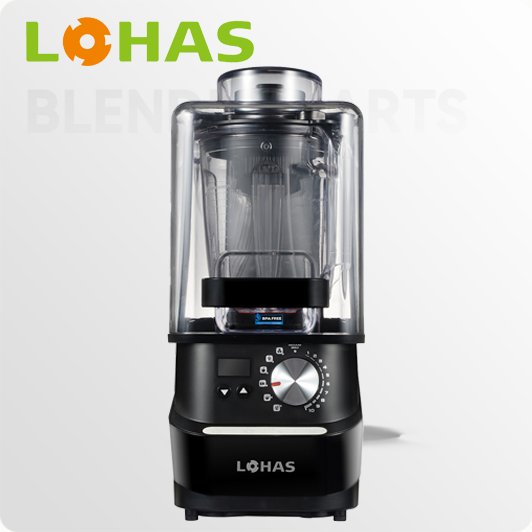
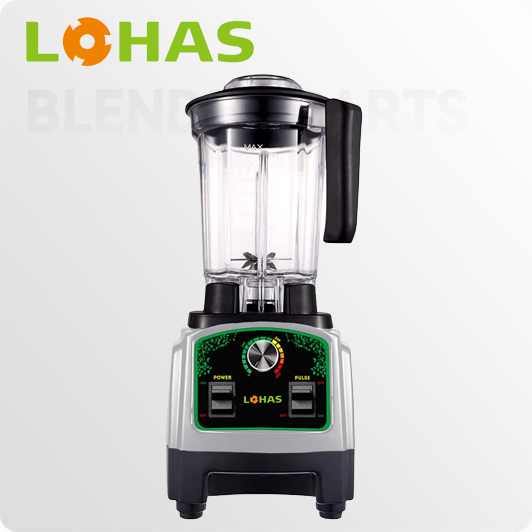
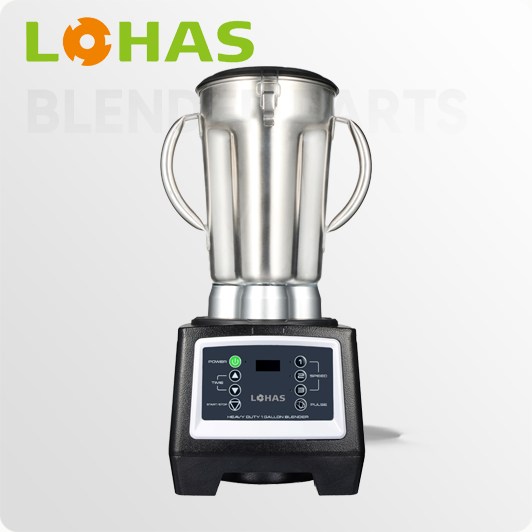
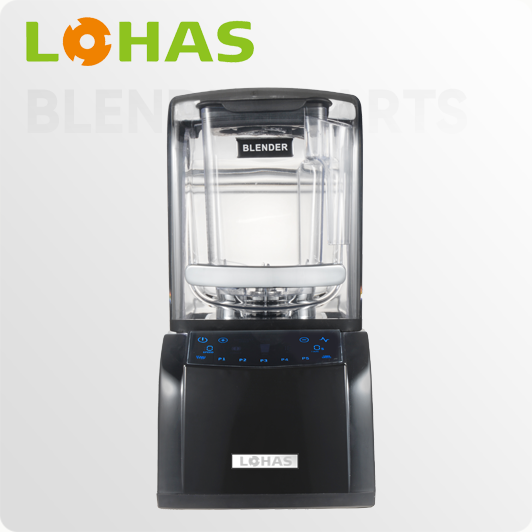
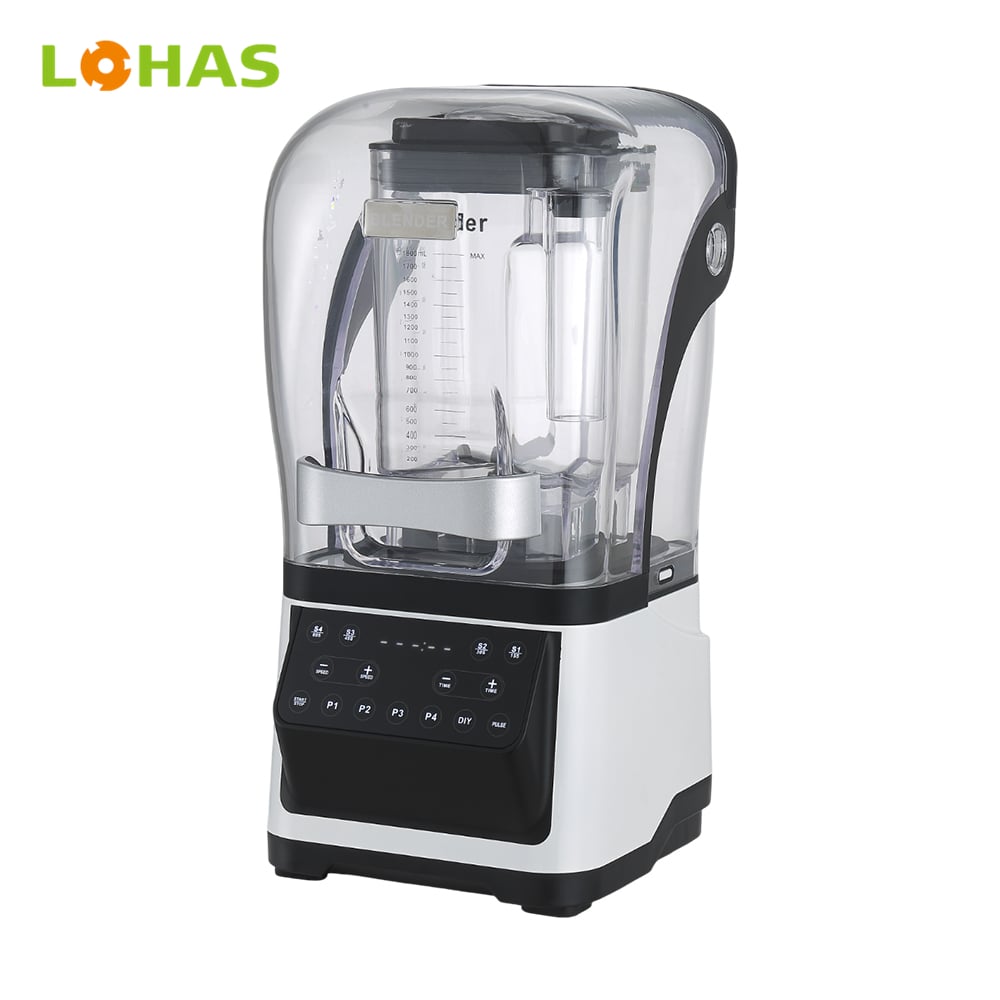
Speed control stands as one of the most critical factors determining the quality and consistency of results produced by a high performance commercial blender. In busy commercial kitchens, restaurants, smoothie bars, and beverage operations, the ability to adjust blending speed directly impacts texture uniformity, ingredient incorporation, heat generation, and final product quality. Understanding how speed control functions within a high performance commercial blender enables operators to achieve superior results while protecting equipment and maintaining customer satisfaction.
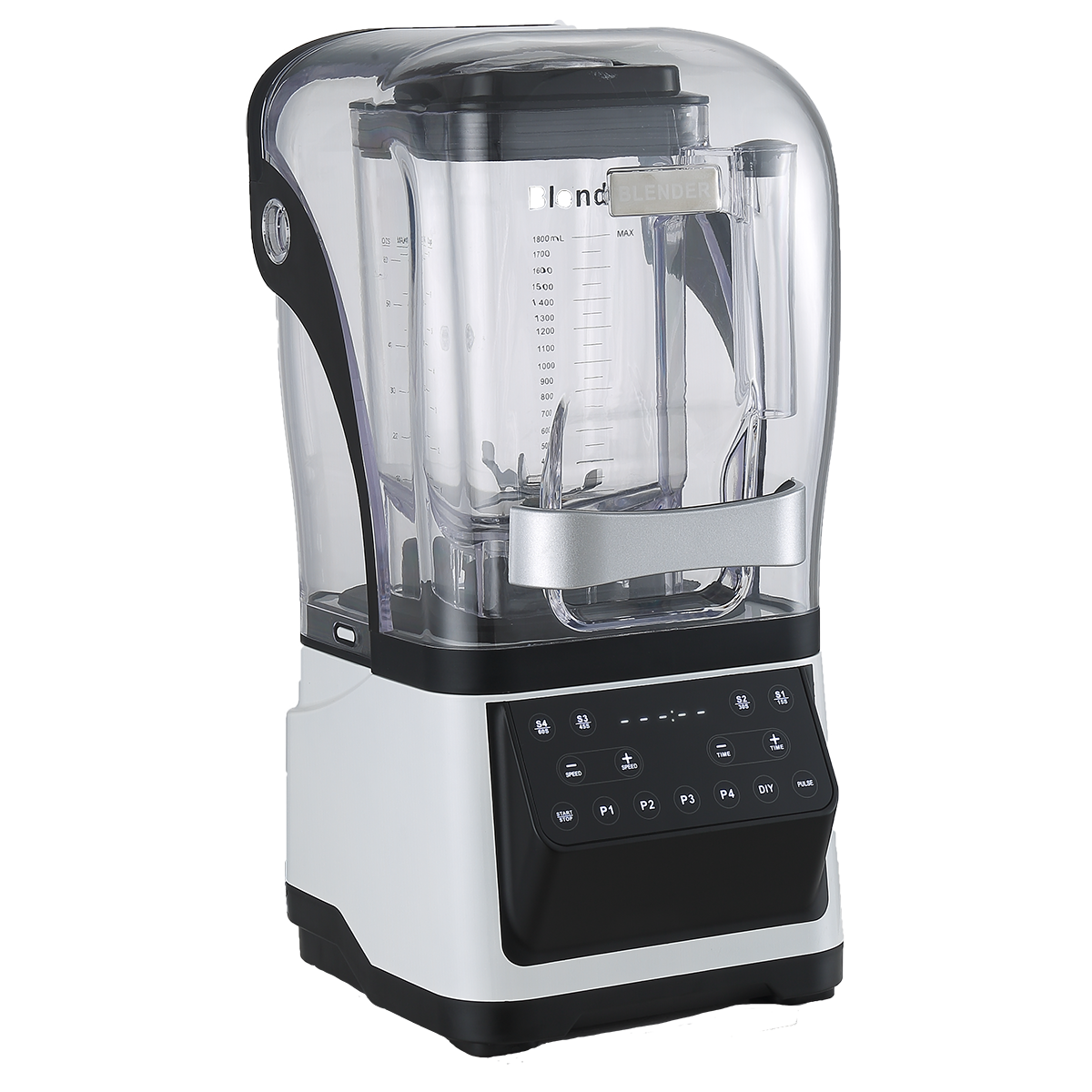
The relationship between speed selection and blending outcomes cannot be overstated in professional food service settings. When operators leverage the full range of speed control features available in a high performance commercial blender, they gain precise command over texture development, mixing efficiency, and ingredient processing. Whether preparing frozen beverages, hot soups, nut butters, or plant-based alternatives, the optimal speed setting transforms raw inputs into finished products with superior consistency and sensory appeal.
Speed Control Impact on Texture Development
Fine Texture Achievement Through Optimal Speed Selection
A high performance commercial blender equipped with variable speed control allows operators to build texture progressively and deliberately. Starting at lower speeds prevents ingredient splashing and premature aeration while allowing coarser particles to break down incrementally. As speed increases, the high performance commercial blender generates greater shear forces that pulverize fibers, emulsify fats, and create ultra-smooth consistency. Many commercial operations find that ramping speed gradually rather than operating at maximum power from the start produces visibly superior texture in smoothie bowls, sauces, and purées.
The thermal characteristics of a high performance commercial blender also relate directly to speed selection. Lower speeds generate less friction heat, allowing extended blend times for delicate ingredients without cooking or degrading nutritional content. Medium speeds balance processing efficiency with heat control for typical beverage applications. Higher speeds reduce total processing time but create internal temperatures that demand careful monitoring, particularly when processing heat-sensitive ingredients in a high performance commercial blender designed for heavy-duty commercial use.
Speed Modulation for Layered Ingredient Incorporation
Professional blending often requires sequential speed adjustments to properly incorporate diverse ingredient densities. Dense solids like frozen fruit or ice benefit from initial high-speed bursts within a high performance commercial blender that break them into processable fragments. Lighter ingredients like leafy greens or whey protein powder blend more effectively at moderate speeds where the high performance commercial blender maintains suspension without creating vortex formations that separate components. Operators who master speed transitions achieve superior ingredient integration compared to static single-speed operation.
Heat Management and Speed Control Integration
Thermal Load Reduction Through Strategic Speed Selection
Commercial kitchens recognize that excessive heat generation within a high performance commercial blender can compromise ingredient quality and reduce equipment lifespan. Friction from blade rotation generates heat proportional to speed and processing duration. A high performance commercial blender with precise speed controls enables operators to reduce speed during later blend stages, which minimizes unnecessary heat while completing emulsification or texture refinement. This approach proves particularly valuable when processing heat-sensitive elements like dairy, nuts, or temperature-critical beverages within a high performance commercial blender.
The motor protection systems integrated into modern high performance commercial blender designs respond to thermal signals by automatically modulating speed or triggering cooling cycles. By proactively reducing speed settings during long production runs, operators prevent thermal throttling that temporarily disables the high performance commercial blender. Strategic speed control extends equipment availability during peak service periods and reduces maintenance frequency associated with thermal stress on motor components and blade assemblies.
Cold Processing Capabilities Enabled by Speed Optimization
Maintaining low product temperatures inside a high performance commercial blender appeals to health-conscious consumers and premium beverage operators seeking to preserve nutritional integrity. Operators can achieve this by blending at moderate speeds with frozen ingredients and limited processing time. A high performance commercial blender configured for variable speed operation makes this strategy viable while maintaining acceptable texture outcomes. Some commercial operations charge premium pricing for cold-processed beverages prepared in a high performance commercial blender where speed control preserves enzyme activity and heat-sensitive vitamins.
Operational Consistency and Speed Standardization
Training Protocols and Speed Documentation
Professional restaurant and beverage operations document optimal speed settings for each recipe category to ensure consistency across staff members and service shifts. A high performance commercial blender with preset speed memory functions streamlines this process, allowing trained operators to select established settings rather than experimenting with manual controls. Standardized speed parameters for smoothies, soups, sauces, and alternative preparations ensure that every high performance commercial blender in a multi-unit operation delivers identical customer experiences. This standardization becomes increasingly important as high performance commercial blender technology advances and offers more sophisticated speed control options.
Staff training on a high performance commercial blender typically emphasizes speed selection logic alongside ingredient preparation and safety procedures. Operators learn to recognize visual and auditory cues indicating whether the high performance commercial blender is operating at appropriate speed for current task demands. Experienced staff often develop intuitive speed adjustments based on ingredient composition, volume, and desired texture, maximizing efficiency within a high performance commercial blender's designed operational range.
Production Timing and Speed-Efficiency Relationships
The relationship between blending speed and total processing time affects commercial kitchen productivity and equipment scheduling. Higher speeds within a high performance commercial blender complete most beverage and sauce preparations in 30 to 60 seconds, enabling rapid throughput during peak service windows. However, lower speed settings at the high performance commercial blender sometimes require 90 to 120 seconds to achieve comparable texture, affecting total orders prepared per shift. Commercial operators balance speed selection with production volume targets, customer wait tolerance, and product quality expectations when configuring their high performance commercial blender workflow.
FAQ
How does variable speed control improve a high performance commercial blender's versatility?
Variable speed control transforms a high performance commercial blender from a single-purpose device into a multi-application tool capable of handling smoothies, frozen beverages, hot soups, nut butters, and specialty preparations. Lower speeds accommodate delicate ingredients without oxidation, while higher speeds process tough frozen items efficiently. A high performance commercial blender with multiple speed settings serves diverse menu requirements without requiring separate specialized equipment, improving kitchen space efficiency and reducing capital equipment investment.
What speed settings work best for frozen drink preparation in a high performance commercial blender?
Most frozen beverage applications benefit from initial high-speed bursts on a high performance commercial blender lasting 5 to 10 seconds to fracture ice and frozen fruit, followed by medium speed processing to achieve smooth consistency. The high performance commercial blender's speed control allows operators to reduce power once ice breaks down, preventing over-processing and excessive heat generation. Final texturing often occurs at medium-low speeds where a high performance commercial blender maintains appropriate viscosity without introducing unnecessary air or thermal stress.
Can inappropriate speed selection damage a high performance commercial blender?
Operating a high performance commercial blender consistently at maximum speed without load, or engaging high speeds with insufficient ingredients, creates shock loads that stress blade bearings and motor components. Additionally, running a high performance commercial blender at elevated speeds for extended periods without thermal management can trigger motor overheating and automatic safety shutdowns. Commercial operators protect their high performance commercial blender investment by matching speed selection to task requirements, allowing appropriate cooling intervals, and following manufacturer guidelines for thermal management and maintenance.