 EN
EN

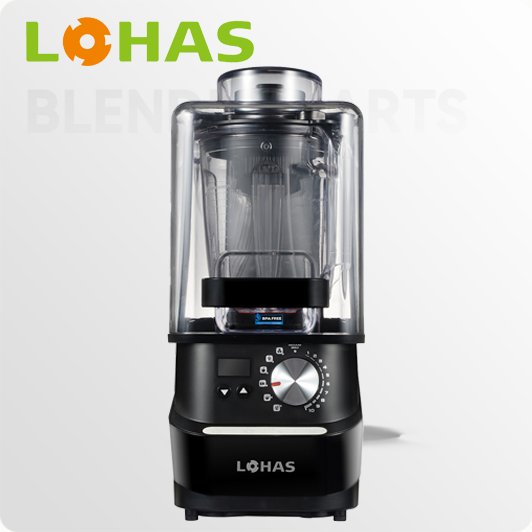
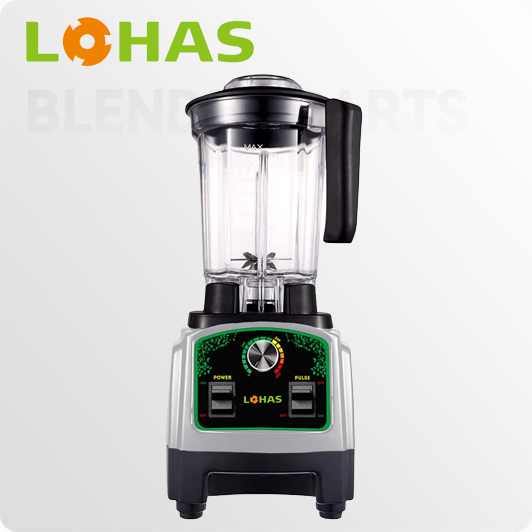
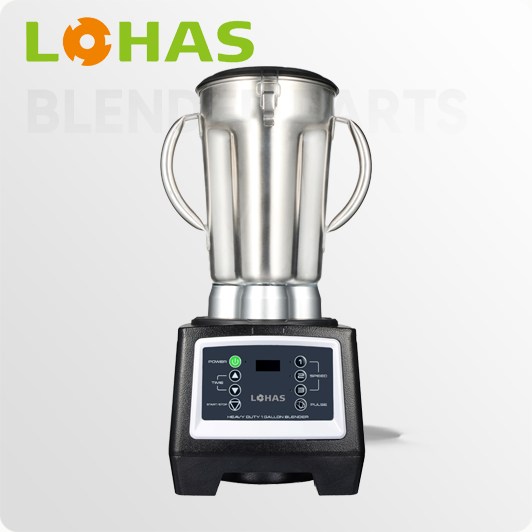
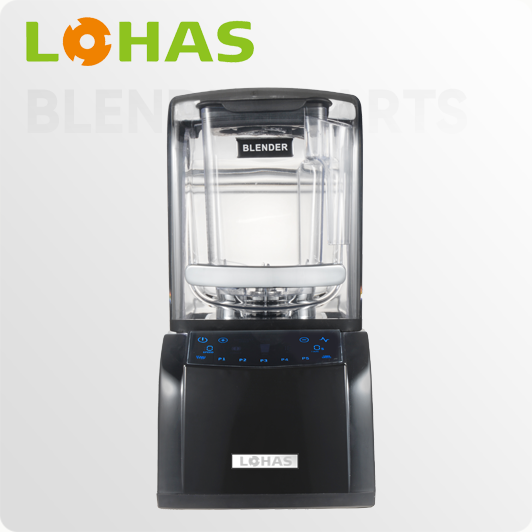
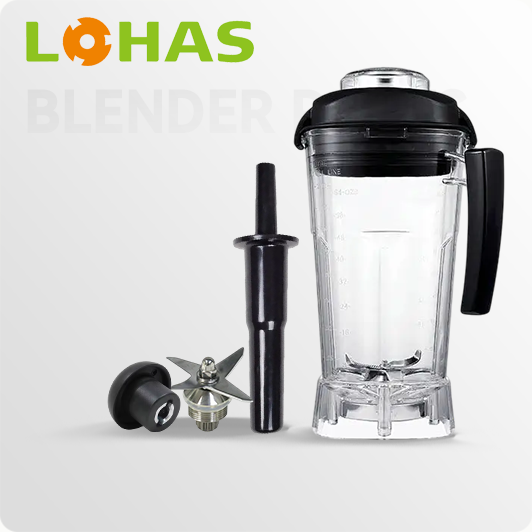
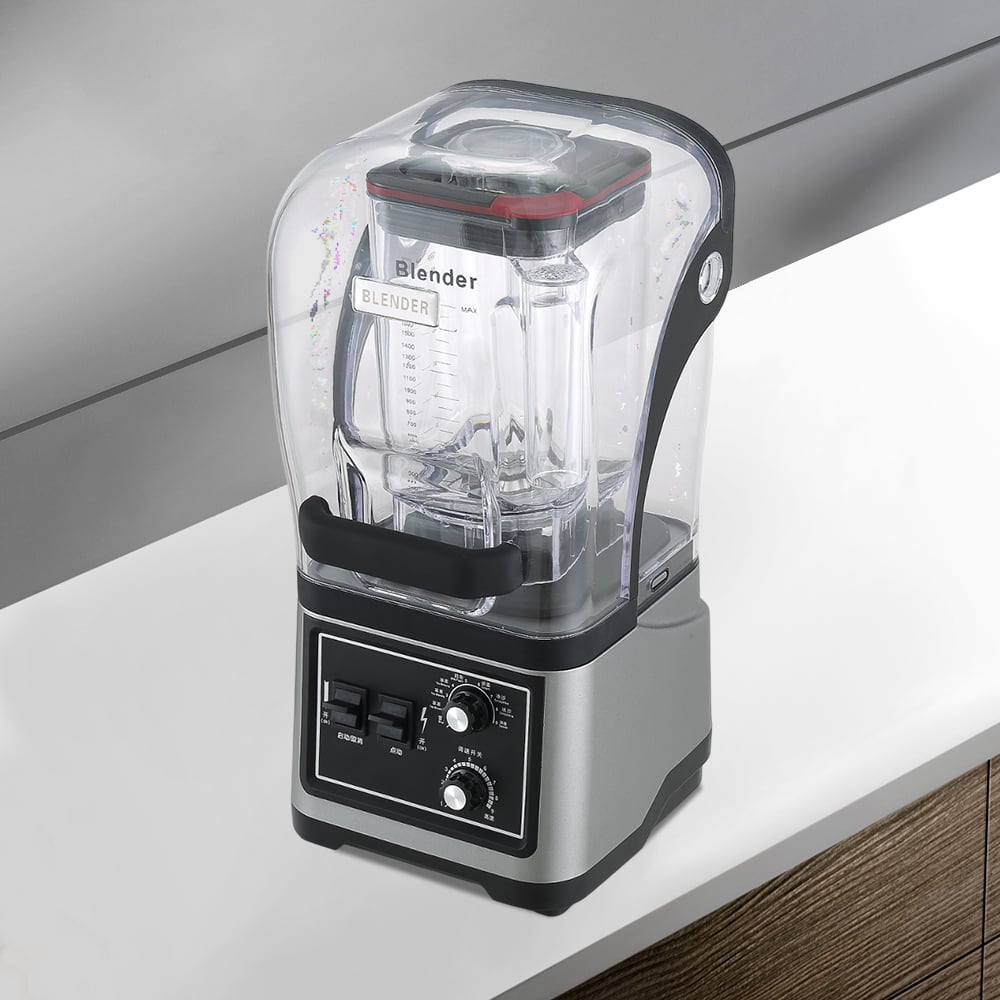
A high performance commercial blender is one of the most critical investments in any food service operation, yet many businesses overlook the maintenance practices that keep these machines running at peak efficiency. Without proper care, even the most robust high performance commercial blender will experience premature wear, reduced blending power, and unexpected breakdowns that disrupt service. The difference between a high performance commercial blender that lasts five years and one that lasts over a decade often comes down to preventive maintenance discipline and understanding how your equipment operates.
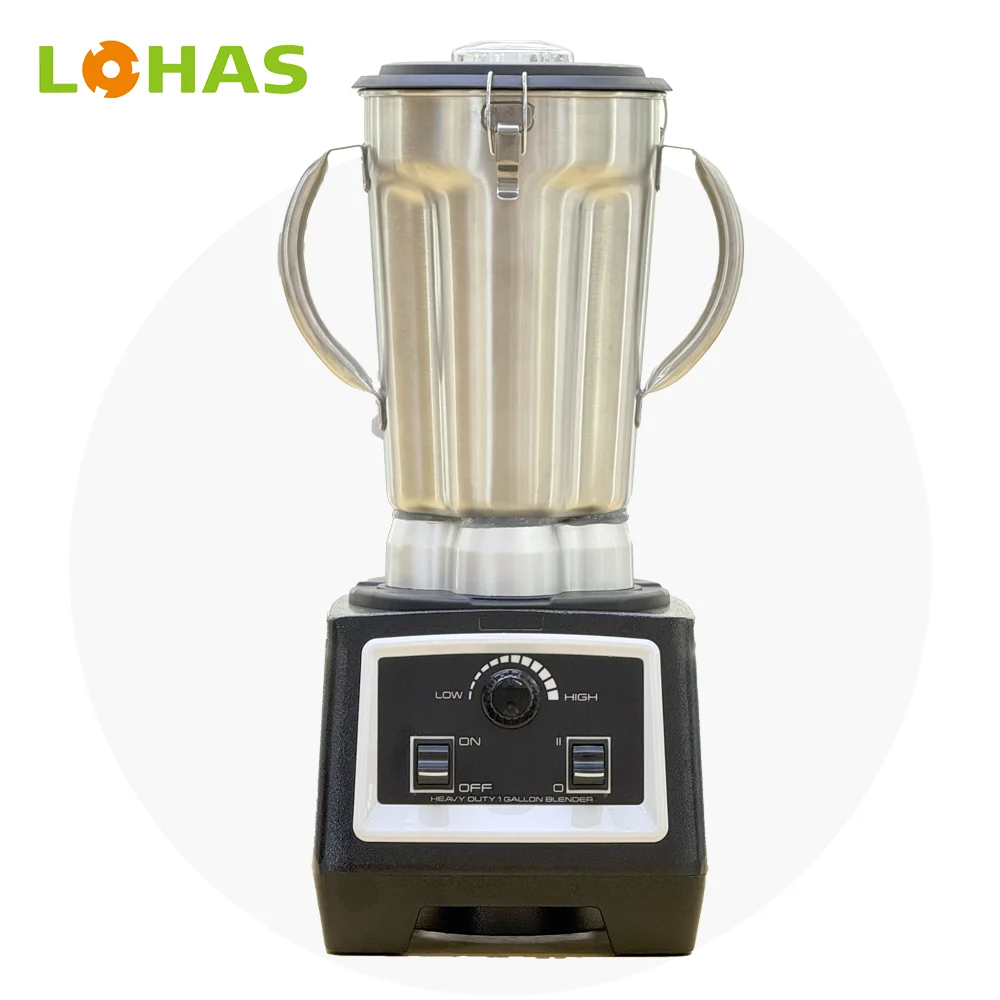
The longevity of a high performance commercial blender depends on consistent attention to cleaning protocols, component inspection, seal replacement, and motor care. When maintenance falls short, the high performance commercial blender's ability to process dense ingredients deteriorates, consistency suffers, and energy consumption climbs. This guide walks you through the essential maintenance strategies that preserve the value and performance of your high performance commercial blender investment.
Daily Cleaning and Immediate Maintenance Protocols
Proper Rinsing and Sanitization Procedures
Every high performance commercial blender requires thorough cleaning immediately after each use. Fill the blender container with hot water, add a few drops of dishwashing liquid, and run the high performance commercial blender at medium speed for 30 to 45 seconds. This internal wash removes pulp, seeds, and residue that can harden and damage seals. After rinsing, spray the exterior with food-safe sanitizer and wipe with a clean cloth. Never allow smoothie remnants or protein powder residue to dry inside the container, as these substances bond to the blade assembly and become difficult to remove, potentially affecting the high performance commercial blender's blending accuracy.
Gasket and Seal Inspection
The rubber gasket that seals the container to the motor base is arguably the most vulnerable component of any high performance commercial blender. Check this seal daily for cracks, discoloration, or deformation. A failing gasket allows liquid to seep into the motor housing, which can cause electrical failure and voiding the warranty on your high performance commercial blender. If you notice the gasket becoming sticky or losing elasticity, replace it immediately. Most high performance commercial blender manufacturers recommend gasket replacement every 6 to 12 months depending on usage intensity, even if visible damage is absent.
Weekly and Monthly Inspection Schedules
Blade Assembly and Container Assessment
Once per week, remove the blade assembly from the high performance commercial blender's container and inspect the blades for nicks, dullness, or warping. Even minor blade imperfections cause uneven blending and increase stress on the motor. Run your finger carefully along the blade edge; a high performance commercial blender with sharp blades will feel distinctly different from one with worn blades. If blades show any signs of damage, replace them as a set rather than individually, since a high performance commercial blender operates most efficiently when all blades maintain consistent geometry. Check the container for hairline cracks under the rim, around the spout, and on the base, as these weak points expand when the high performance commercial blender is under load.
Motor Housing and Electrical Components
Inspect the motor housing every two weeks for dust accumulation, debris, or moisture intrusion. Use a soft brush or compressed air to gently remove dust from ventilation slots and cooling fins. A high performance commercial blender's motor generates significant heat during operation, and blocked ventilation can cause thermal stress and reduce the motor's operational lifespan. Check the power cord for cuts, fraying, or exposed wires, and verify that the plug prongs are clean and free of corrosion. If your high performance commercial blender operates in a humid kitchen environment, wipe the electrical connections with a dry cloth weekly to prevent oxidation that can interrupt power delivery.
Quarterly and Annual Maintenance Tasks
Deep Cleaning and Component Replacement Cycles
Every three months, perform a deep cleaning of your high performance commercial blender by disassembling all removable parts. Soak the blade assembly in hot water with a commercial degreaser for 10 to 15 minutes, then scrub with a soft brush to remove accumulated residue. Replace the gasket and check the bearing assembly for signs of wear or noise during operation. If your high performance commercial blender produces grinding or squealing sounds, bearings may be failing and require professional replacement. Annually, have a qualified technician inspect the internal motor components, check bearing alignment, and verify that the high performance commercial blender's performance specifications remain within manufacturer tolerances.
Preventive Maintenance for Extended Equipment Life
Professional servicing once per year extends the operational life of your high performance commercial blender significantly. A service technician can identify issues that aren't yet visible to the operator, such as early bearing degradation, capacitor fatigue, or internal corrosion. During annual service, the technician will calibrate the high performance commercial blender's controls, verify motor amperage output, and ensure all mechanical connections remain tight. Many businesses find that investing in annual maintenance costs far less than unexpected emergency repairs or emergency equipment replacement. Keep detailed maintenance logs for your high performance commercial blender, documenting all cleaning, inspections, repairs, and component replacements. These records prove compliance with health codes, support warranty claims, and help you anticipate when major components will need replacement.
Environmental Factors and Operational Best Practices
Moisture Control and Storage Conditions
High performance commercial blender longevity depends heavily on the kitchen environment. Excess moisture, salt spray from seafood preparation areas, and acidic vapors from cleaning agents can accelerate corrosion of metal components inside the motor. Position your high performance commercial blender away from direct water spray and steam vents. Store the unit in a climate-controlled area when not in use, ideally between 50 and 90 degrees Fahrenheit. If your high performance commercial blender sits unused for extended periods, cover it with a protective cloth and run it briefly once monthly to distribute internal lubricants and prevent bearing stagnation.
Operational Load Management
Using your high performance commercial blender within its rated capacity directly impacts durability. Never overload the container beyond the manufacturer's maximum volume, and allow the motor to cool for 15 to 20 minutes between back-to-back batches lasting longer than five minutes. A high performance commercial blender pushed continuously without rest accumulates heat stress that shortens motor coil life. Avoid blending frozen ingredients for extended periods; instead, let frozen items partially thaw first or use a high performance commercial blender specifically designed for frozen processing. Respect startup procedures specified in the manual; never pour liquid into a running high performance commercial blender, as hydraulic shock can damage internal seals and the motor shaft.
FAQ
How often should I replace the seal on my high performance commercial blender?
Most manufacturers recommend replacing the gasket seal on your high performance commercial blender every 6 to 12 months based on usage volume. If your high performance commercial blender operates 8 or more hours daily, replace the seal every 6 months. For lighter-duty operations, annual replacement is typically sufficient. Always replace the seal proactively rather than waiting for leaks to appear, since a failing seal allows water into the motor and can cause electrical hazards or permanent motor damage to your high performance commercial blender.
What signs indicate my high performance commercial blender needs professional service?
Contact a qualified technician if your high performance commercial blender produces unusual grinding, squealing, or rattling noises, if the motor struggles to blend normal ingredients, if you notice burn smells, or if the unit leaks liquid from the motor base. These symptoms suggest internal component failure that requires expertise beyond routine maintenance. A high performance commercial blender showing these signs should be serviced immediately to prevent complete motor failure. Professional service for your high performance commercial blender typically costs far less than emergency replacement.
Can I extend the life of my high performance commercial blender by reducing usage hours?
Yes, operating your high performance commercial blender within recommended duty cycles significantly extends its service life. If your high performance commercial blender is used 4 hours daily instead of 10 hours daily, the motor experiences less thermal stress and mechanical wear, potentially extending equipment life by 50 percent or more. A high performance commercial blender used intermittently with proper maintenance can reliably serve a business for 10 to 15 years, whereas continuous heavy use may reduce that timeframe to 5 to 7 years.