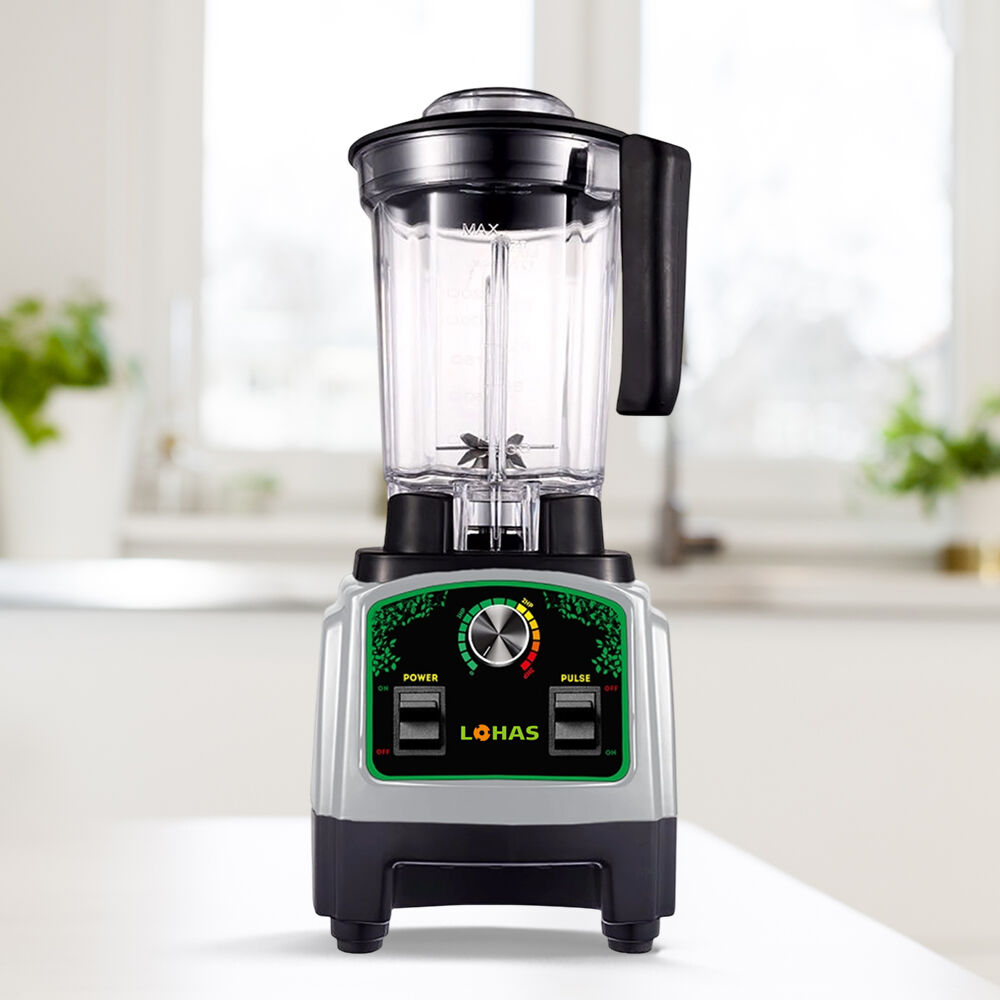
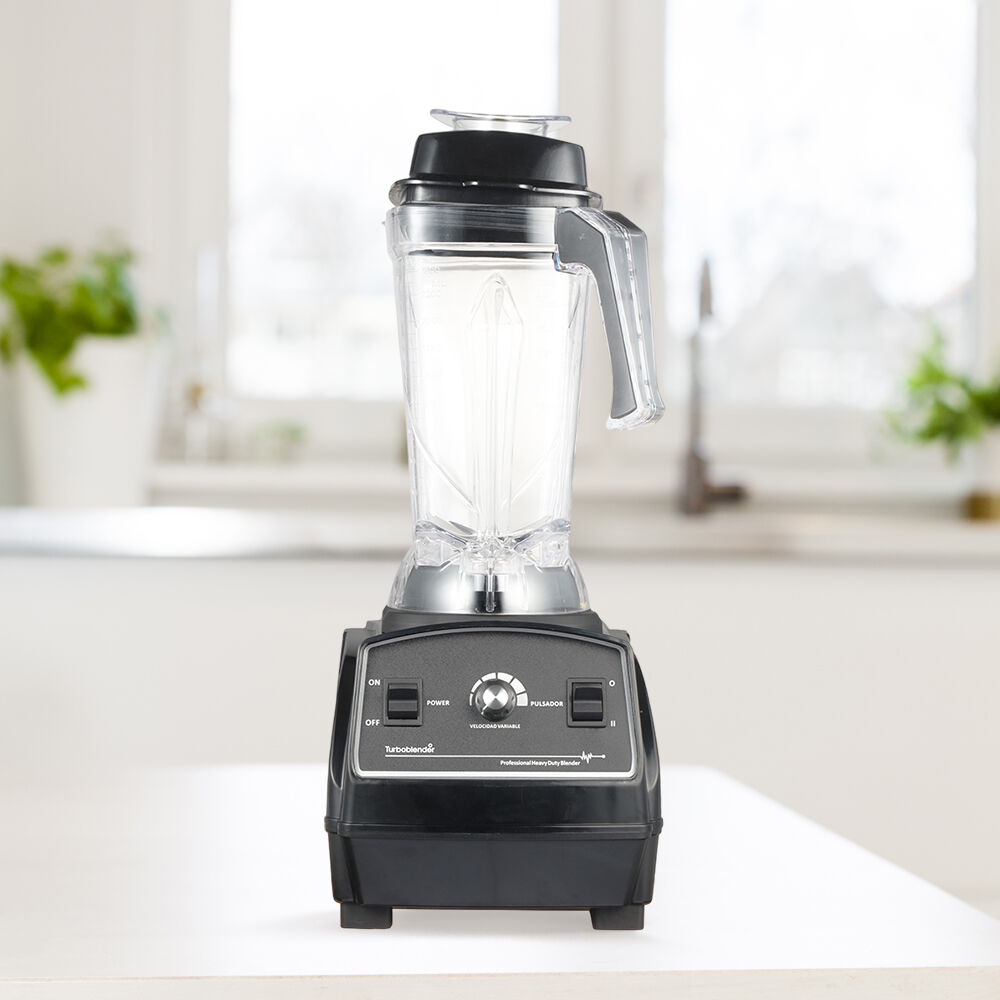
Industrial Blender Machine: Advanced Mixing Solutions for Manufacturing Excellence

CONTACY ME IMMEDIATELY IF YOU ENCOUNTER PROBLEMS!

  • Professional Commercial Blender Supplier

industrial blender machine

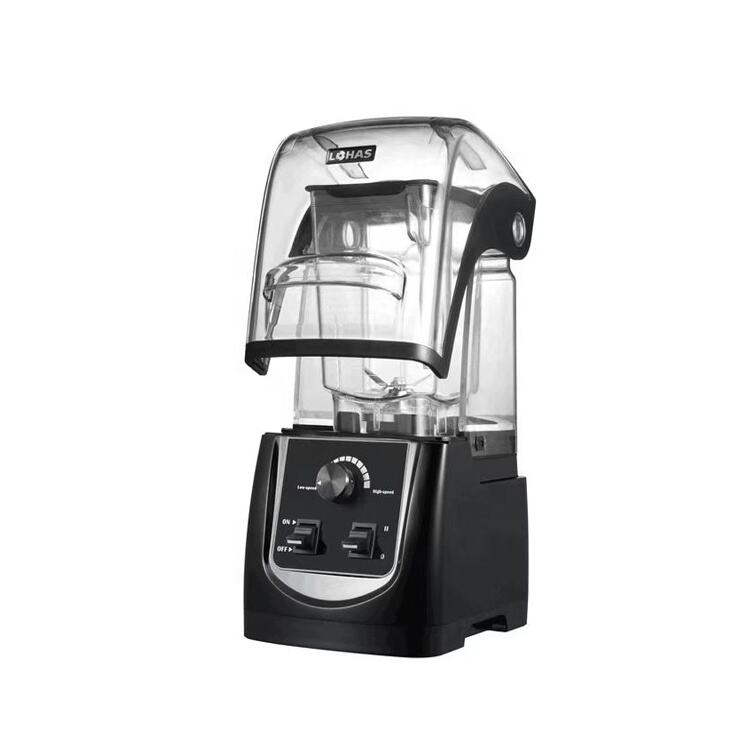
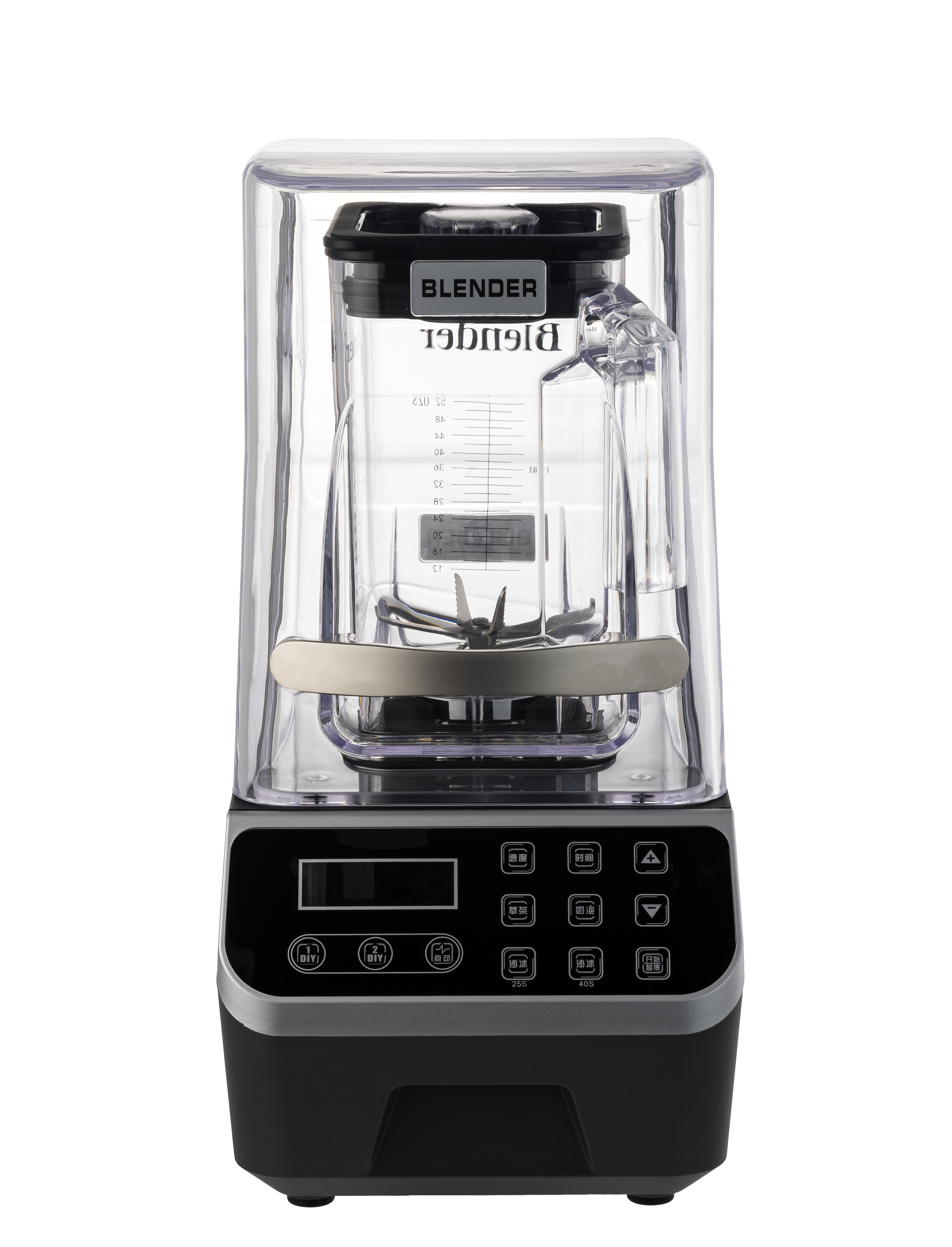
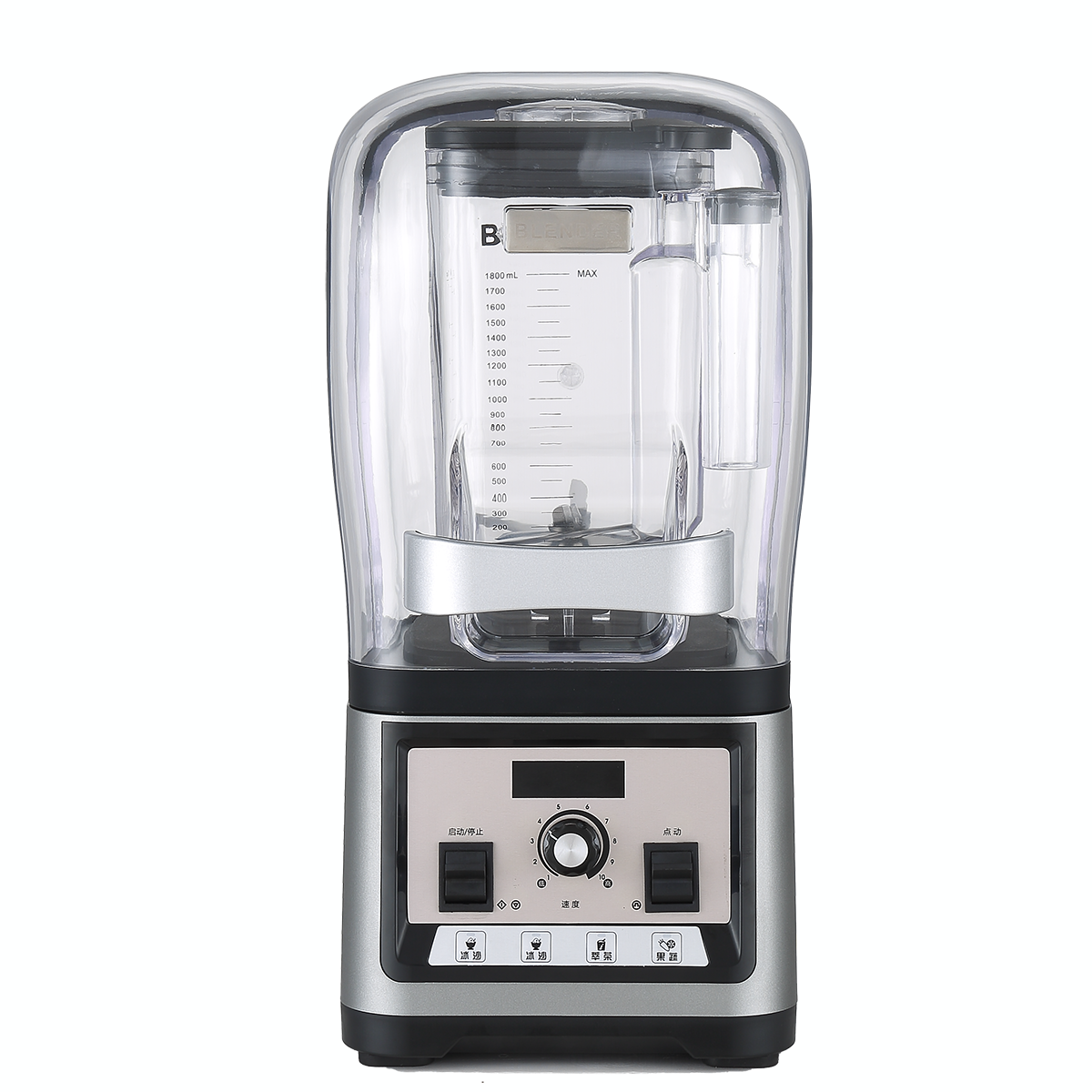
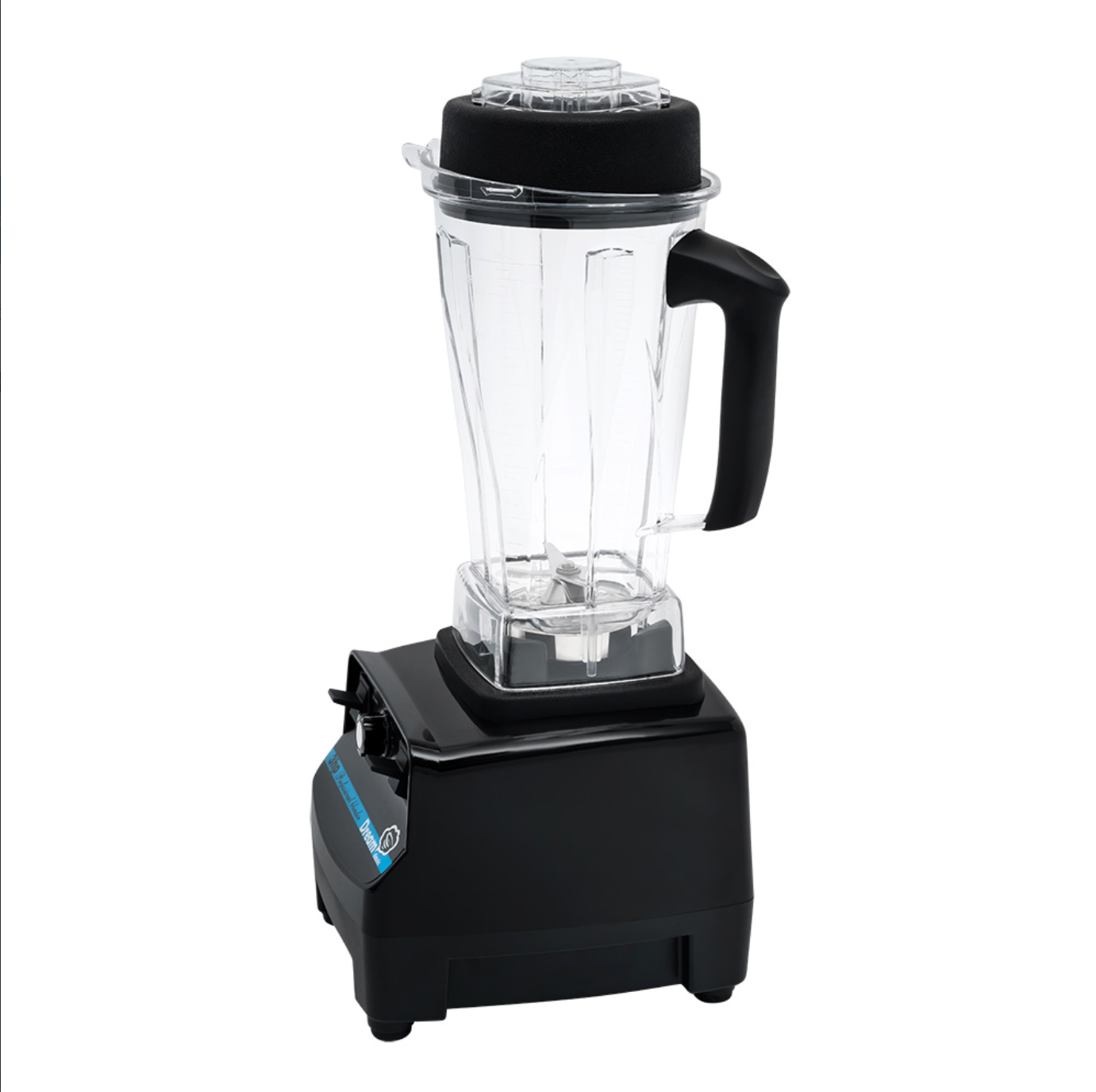
An industrial blender machine represents a cornerstone of modern manufacturing and processing operations, designed to handle large-scale mixing, blending, and homogenization tasks across diverse industries. These robust units combine raw materials, ingredients, or compounds into uniform mixtures with exceptional precision and consistency. The industrial blender machine operates through powerful rotating mechanisms that create controlled turbulence, ensuring thorough integration of components regardless of their physical properties or viscosity levels. Manufacturing facilities rely on these machines to maintain production standards while achieving optimal material distribution throughout the mixing process. The core functionality encompasses multiple mixing modes, including wet blending for liquid-based formulations, dry mixing for powdered substances, and combination processes that handle both phases simultaneously. Advanced industrial blender machines incorporate variable speed controls, allowing operators to adjust mixing intensity based on specific material requirements and desired outcomes. Temperature regulation systems maintain optimal processing conditions, preventing thermal damage to sensitive ingredients while ensuring proper chemical reactions when necessary. Automated dosing mechanisms enable precise ingredient addition, reducing human error and maintaining consistent batch quality. Modern units feature programmable logic controllers that store mixing recipes, monitor processing parameters, and provide real-time feedback to operators. Safety systems include emergency stops, protective guards, and interlock mechanisms that prevent unauthorized access during operation. The construction typically involves stainless steel components that resist corrosion and facilitate thorough cleaning between batches. Discharge systems range from simple gravity-fed outlets to sophisticated pneumatic transfer mechanisms that move finished products to downstream processing equipment. Capacity options span from compact laboratory-scale units handling kilograms to massive production systems processing tons of material per batch. The industrial blender machine serves as an essential component in continuous production lines, supporting just-in-time manufacturing strategies and maintaining consistent product quality across extended production runs.

New Products

Industrial blender machines deliver substantial operational benefits that directly impact productivity and profitability across manufacturing environments. These systems significantly reduce processing time compared to manual mixing methods, enabling facilities to complete batching operations in minutes rather than hours. The enhanced speed translates to increased throughput capacity, allowing companies to meet growing demand without proportional increases in labor costs or facility space. Consistency represents another major advantage, as the industrial blender machine eliminates human variability that often leads to batch-to-batch quality differences. Automated controls ensure identical mixing parameters for every production run, resulting in uniform product characteristics that meet stringent quality specifications. This reliability reduces waste from rejected batches and minimizes costly rework procedures. Labor efficiency improves dramatically when facilities implement these automated systems, as operators can manage multiple processes simultaneously while the industrial blender machine handles intensive mixing tasks. The reduced manual handling decreases workplace injury risks and allows skilled workers to focus on higher-value activities like quality control and process optimization. Energy efficiency features in modern units reduce operational costs through optimized motor designs and variable frequency drives that adjust power consumption based on actual mixing requirements. Maintenance requirements remain minimal due to robust construction and sealed bearing systems that extend component lifecycles. The industrial blender machine typically operates for years with routine preventive care, providing excellent return on investment through sustained performance. Versatility enables single units to handle diverse product formulations, eliminating the need for multiple specialized mixing systems and reducing capital equipment investments. Scalability allows manufacturers to start with smaller capacity units and expand processing capabilities as business grows, providing flexible growth paths without complete system replacements. Quality control improves through integrated monitoring systems that track mixing parameters and alert operators to deviations from established standards. Documentation capabilities support regulatory compliance by maintaining detailed batch records that demonstrate adherence to manufacturing protocols. Environmental benefits include reduced material waste through precise ingredient metering and enclosed processing that minimizes dust emissions and product loss. These combined advantages make the industrial blender machine an essential investment for facilities seeking operational excellence and competitive manufacturing capabilities.

Tips And Tricks

Why Are Manual Blenders Eco-Friendly and Easy to Maintain?

21

Oct

Why Are Manual Blenders Eco-Friendly and Easy to Maintain?

The Sustainable Revolution in Kitchen Tools In an era where environmental consciousness meets culinary innovation, manual blenders have emerged as a beacon of sustainable kitchen practices. These ingenious tools represent a perfect harmony between fu...
View More
What Are the Best Ways to Use a Smoothie Blender for Meal Prep and Fitness Drinks?

27

Nov

What Are the Best Ways to Use a Smoothie Blender for Meal Prep and Fitness Drinks?

Modern health enthusiasts and fitness professionals have discovered that meal preparation is the cornerstone of successful nutrition management. A high-quality smoothie blender serves as an indispensable tool for creating nutrient-dense beverages tha...
View More
What Are the Health Benefits of Using a Vacuum Blender for Daily Juicing?

27

Nov

What Are the Health Benefits of Using a Vacuum Blender for Daily Juicing?

Modern health-conscious consumers are increasingly turning to advanced blending technology to maximize the nutritional value of their daily smoothies and juices. Among the latest innovations in kitchen appliances, vacuum blenders have emerged as a re...
View More
What Makes a Heavy Duty Blender Different From Standard Models

27

Jan

What Makes a Heavy Duty Blender Different From Standard Models

Commercial kitchens and food service establishments demand equipment that can withstand continuous operation while delivering consistent results. A heavy duty blender represents the pinnacle of blending technology, engineered specifically to handle t...
View More

Get a Free Quote

Our representative will contact you soon.
Email
Name
Company Name
Message
0/1000

industrial blender machine

Advanced Mixing Technology for Superior Homogenization

Advanced Mixing Technology for Superior Homogenization

The industrial blender machine incorporates cutting-edge mixing technology that ensures exceptional homogenization across diverse material types and viscosities. This sophisticated system utilizes multiple impeller designs strategically positioned throughout the mixing chamber to create optimal flow patterns that eliminate dead zones and prevent material segregation. The variable speed control allows operators to fine-tune mixing intensity, accommodating delicate ingredients that require gentle blending alongside robust materials that demand aggressive agitation. High-shear capabilities enable the industrial blender machine to break down particle clusters and create stable emulsions that remain uniform throughout extended storage periods. The advanced geometry of mixing elements generates three-dimensional flow patterns that continuously fold materials upon themselves, ensuring complete integration even when processing challenging combinations like powders with varying densities or liquids with different surface tensions. Temperature monitoring systems prevent overheating during intensive mixing operations, preserving heat-sensitive components while maintaining optimal processing conditions. The precision-engineered bearings and shaft systems minimize vibration and noise while delivering consistent torque transfer to mixing elements. Computational fluid dynamics inform the design of internal components, optimizing energy transfer and reducing mixing time requirements. The industrial blender machine features modular mixing heads that accommodate different product formulations without requiring complete equipment changes. Quick-change mechanisms allow operators to swap mixing configurations in minutes, supporting flexible production schedules and diverse product portfolios. Programmable recipes store optimal mixing parameters for each formulation, ensuring reproducible results across production runs and different operators. Real-time monitoring displays provide continuous feedback on mixing progress, allowing for immediate adjustments when process variations occur. The sealed mixing environment prevents contamination while containing volatile materials and minimizing product loss. Advanced control algorithms automatically adjust mixing speed based on material behavior, optimizing processing efficiency while maintaining product quality standards.
Robust Construction for Demanding Industrial Environments

Robust Construction for Demanding Industrial Environments

The industrial blender machine features exceptionally robust construction designed to withstand the rigorous demands of continuous industrial operation while maintaining precise performance standards. Heavy-duty stainless steel construction provides superior corrosion resistance and facilitates thorough cleaning protocols required in regulated industries like pharmaceuticals and food processing. The industrial blender machine frame utilizes reinforced structural elements that eliminate vibration and ensure stable operation even during high-intensity mixing cycles. Precision-machined components maintain tight tolerances that prevent material leakage and ensure consistent mixing chamber volumes across production batches. Sealed bearing assemblies protect critical rotating elements from contamination while extending operational lifecycles through advanced lubrication systems. The modular design enables component replacement and maintenance without complete system disassembly, minimizing downtime and reducing maintenance costs. Explosion-proof electrical systems meet stringent safety requirements for facilities processing combustible materials, providing peace of mind in hazardous environments. The industrial blender machine incorporates multiple safety interlocks that prevent operation when guards are open or maintenance procedures are in progress. Emergency stop systems provide immediate shutdown capabilities accessible from multiple locations around the equipment. Welded construction eliminates crevices where materials might accumulate, supporting sanitary processing requirements and preventing cross-contamination between product batches. Surface finishes meet pharmaceutical and food-grade standards, enabling validation for the most demanding regulatory environments. Reinforced motor mounts absorb operational stresses while maintaining precise alignment of drive components. The industrial blender machine foundation systems distribute loads evenly across support structures, preventing settling that could affect mixing performance. Corrosion-resistant fasteners and hardware maintain structural integrity in aggressive chemical environments. Inspection ports and removable covers provide access for thorough cleaning and validation procedures. The rugged construction ensures decades of reliable service while maintaining consistent product quality standards essential for successful manufacturing operations.
Flexible Automation and Integration Capabilities

Flexible Automation and Integration Capabilities

The industrial blender machine offers comprehensive automation and integration capabilities that seamlessly connect with existing manufacturing systems while providing flexible control options for diverse production requirements. Advanced programmable logic controllers enable sophisticated recipe management, storing hundreds of formulations with precise parameter settings for ingredients, mixing times, speeds, and discharge procedures. The industrial blender machine communicates with upstream and downstream equipment through standard industrial protocols, creating integrated production lines that optimize material flow and minimize handling requirements. Automated ingredient dosing systems eliminate manual weighing errors while ensuring precise formulation accuracy that meets stringent quality specifications. Load cells provide continuous weight monitoring during ingredient addition, enabling real-time adjustments that compensate for material density variations or supplier inconsistencies. The control system interfaces with enterprise resource planning software, automatically updating inventory levels and production records while generating compliance documentation required for regulatory audits. Remote monitoring capabilities allow supervisors to oversee multiple industrial blender machines from centralized control rooms, optimizing labor utilization while maintaining operational oversight. Alarm systems alert operators to process deviations, equipment malfunctions, or maintenance requirements before they impact production schedules or product quality. Data logging features capture detailed processing information that supports statistical process control initiatives and continuous improvement programs. The industrial blender machine integrates with quality management systems, automatically flagging batches that exceed specification limits and preventing defective material from entering distribution channels. Batch genealogy tracking maintains complete material traceability from raw ingredient receipt through finished product shipment. Flexible scheduling algorithms optimize production sequences based on changeover requirements, material availability, and delivery commitments. The system accommodates various packaging configurations and batch sizes without requiring manual programming changes. Network connectivity enables remote diagnostics and technical support, reducing service response times and minimizing unplanned downtime. Scalable architecture allows facilities to add processing capacity or integrate new technologies without replacing existing control systems, protecting automation investments while supporting business growth initiatives.