 EN
EN


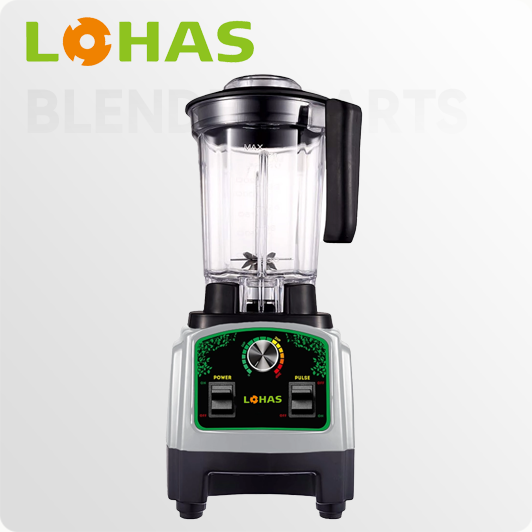
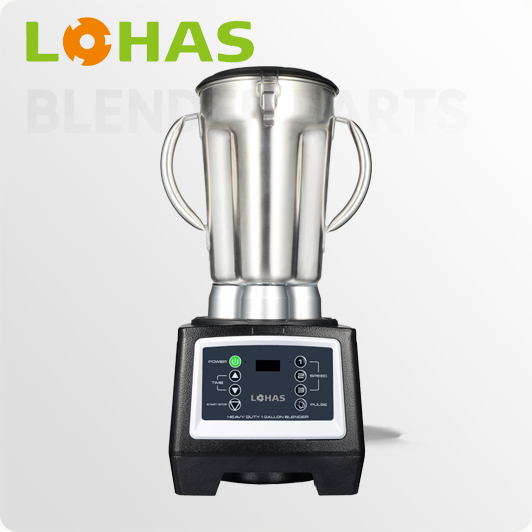
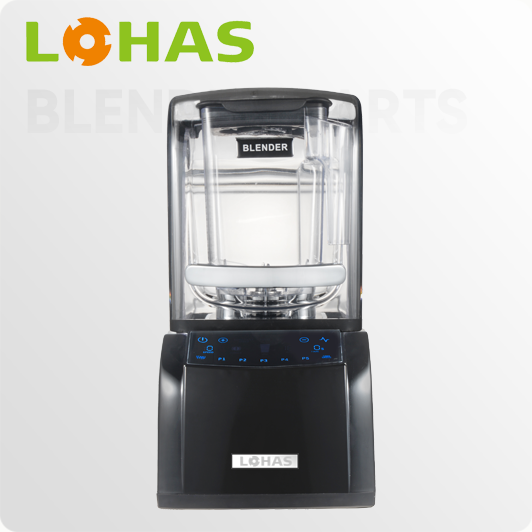

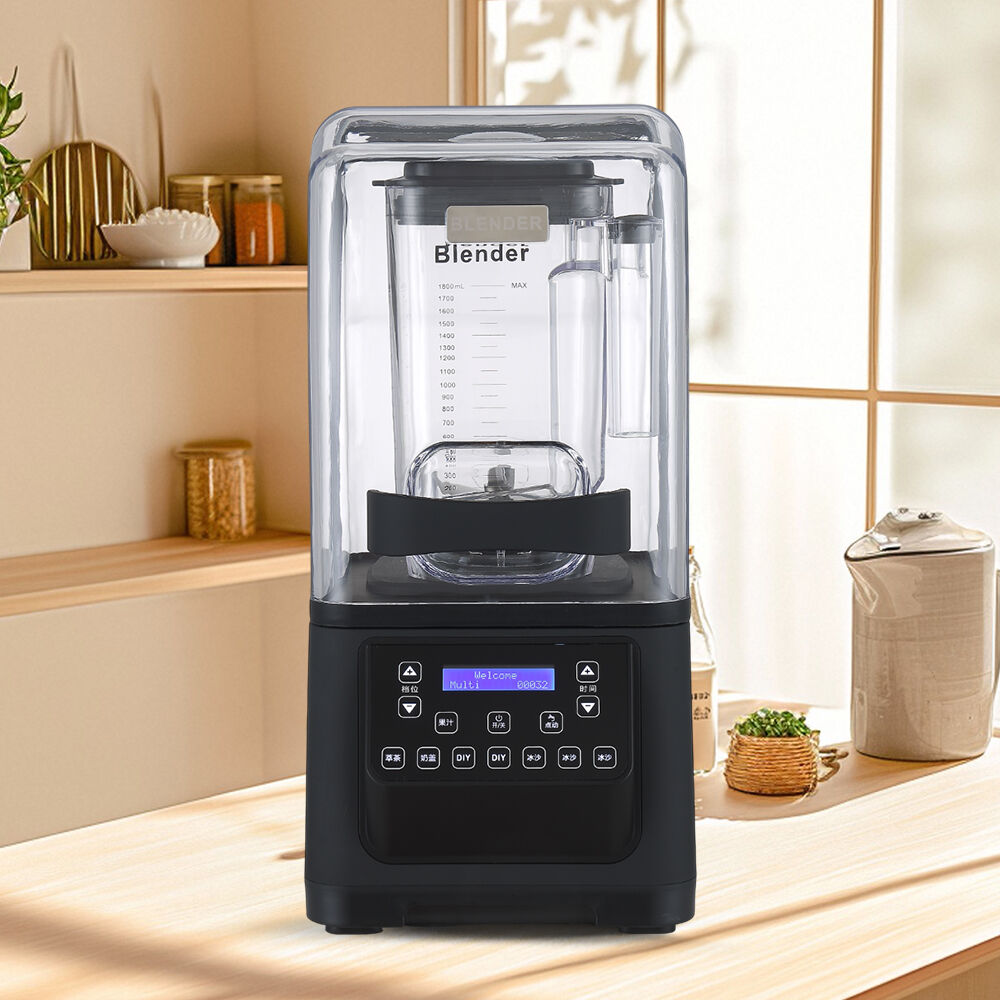
The beverage industry continues to evolve with increasing consumer demand for diverse drink options, from nutrient-dense smoothies to specialty coffee beverages and premium cocktails. At the center of this operational challenge stands the commercial blender machine, a versatile piece of equipment that must perform reliably across multiple beverage categories while maintaining consistency, speed, and quality. Understanding how a commercial blender machine adapts to different beverage applications is essential for operators seeking to maximize their equipment investment and deliver exceptional products across varied menu offerings.

Beverage operations today face unique requirements depending on their category focus, whether preparing frozen drinks in a high-volume bar environment, crafting nutritional smoothies in a health-focused cafe, or producing specialty coffee beverages in a modern coffee shop. Each category demands specific blending characteristics, and the commercial blender machine must deliver appropriate power, blade configuration, and control features to meet these distinct needs. This comprehensive exploration examines how commercial blender machines function across major beverage categories, revealing the technical considerations and operational strategies that determine success in each application segment.
Smoothie and Juice Bar Applications
High-Volume Nutritional Beverage Production
Smoothie and juice bar environments represent one of the most demanding applications for a commercial blender machine, where equipment must process large quantities of fresh fruits, vegetables, leafy greens, and frozen ingredients throughout operating hours. The commercial blender machine in this setting must deliver sufficient motor power, typically ranging from 2 to 3 horsepower, to break down fibrous vegetables like kale and celery while simultaneously crushing ice and frozen fruit to achieve the smooth, creamy texture customers expect. Blade speed control becomes critical, as different ingredients require varying processing intensities to preserve nutritional content while achieving optimal texture.
In smoothie bar operations, the commercial blender machine must handle ingredient combinations that include protein powders, nut butters, seeds, and superfood additives, each contributing different viscosity and blending resistance characteristics. Professional operators recognize that blade design significantly impacts final product quality, with multi-tiered blade systems proving most effective for creating vortex action that pulls ingredients downward while preventing air incorporation that creates foam rather than smooth consistency. Container geometry works in conjunction with blade configuration, with certain commercial blender machine models featuring square-bottom containers that eliminate dead zones where ingredients might escape processing.
Consistency Management in Fresh Ingredient Processing
The challenge of maintaining consistency when working with fresh, seasonal ingredients requires sophisticated control features in a commercial blender machine designed for smoothie operations. Unlike controlled manufacturing environments with standardized ingredient specifications, smoothie bars work with produce that varies in water content, sugar levels, and fiber density depending on harvest timing and storage conditions. Advanced commercial blender machine systems address this variability through programmable blend cycles that operators can adjust based on ingredient assessments, ensuring that a strawberry smoothie maintains consistent texture whether prepared with fresh summer berries or frozen winter stock.
Temperature management during blending represents another critical consideration, as friction from high-speed blade operation can generate heat that degrades heat-sensitive vitamins and enzymes in fresh produce. Quality-focused smoothie operations select commercial blender machine equipment with cycle timing controls that limit processing duration to the minimum necessary for achieving desired texture, preserving nutritional integrity while maintaining production efficiency. Some operators implement cooling protocols, using chilled containers or pre-cooling ingredients to offset friction heat, particularly when processing large batches during peak service periods.
Operational Efficiency and Service Speed
Service speed expectations in smoothie and juice bar environments demand that a commercial blender machine complete individual beverage preparation within 45 to 60 seconds to prevent customer queue buildup during rush periods. This timeline constraint influences equipment selection, with operators prioritizing models offering rapid acceleration to operating speed and sufficient power reserves to maintain blade velocity even when processing dense ingredient loads. The commercial blender machine must recover quickly between cycles, allowing staff to immediately prepare the next beverage without waiting for motor cooling or reset periods that would slow service flow.
Ergonomic considerations affect long-term operational efficiency, as smoothie bar staff may prepare hundreds of beverages during a single shift. Commercial blender machine designs that minimize repetitive strain through features like easy-release container mechanisms, intuitive control interfaces, and appropriate working heights contribute to sustained staff productivity and reduced fatigue-related errors. Container durability becomes equally important, as smoothie operations subject blending containers to continuous thermal shock from alternating hot cleaning cycles and frozen ingredient processing, requiring materials that maintain structural integrity under these demanding conditions.
Frozen Beverage and Bar Service Applications
Frozen Cocktail Production Dynamics
Bar and restaurant frozen beverage programs place distinct demands on a commercial blender machine, where equipment must consistently process ice to specific texture profiles while incorporating alcohol, mixers, and flavor components into homogeneous frozen cocktails. Ice crushing capability represents the fundamental performance requirement, with effective commercial blender machine systems delivering blade configurations and motor power sufficient to reduce solid ice cubes to smooth, snow-like consistency without creating chunky textures or watery separations that compromise drink quality. Blade geometry specifically engineered for ice processing features reinforced construction and angular designs that fracture ice efficiently rather than merely pushing cubes around the container.
Alcohol content in frozen cocktails introduces additional blending complexity, as ethanol's lower freezing point and reduced viscosity compared to water-based mixtures affect final texture and consistency. The commercial blender machine operator must account for these properties when establishing blend cycles, often requiring slightly longer processing times or adjusted ice ratios to achieve the desired frozen texture that holds structure when poured yet remains easy to consume through a straw. Different cocktail recipes present varying challenges, from fruit-based margaritas requiring incorporation of fresh citrus juice to cream-based drinks demanding emulsification of dairy products with alcohol and ice.
High-Volume Bar Service Requirements
Peak service periods in bar environments test the durability and thermal management capabilities of commercial blender machine equipment, where continuous operation during happy hours or special events may involve preparing dozens of frozen drinks consecutively without pause. Motor duty cycles become critical specifications, as underpowered or inadequately cooled commercial blender machine models experience thermal shutdown when subjected to sustained high-load operation. Professional-grade bar blenders incorporate heavy-duty motors rated for continuous use, often featuring advanced cooling systems that dissipate heat effectively even during extended operation periods.
Noise control presents a significant consideration in bar environments where the commercial blender machine operates in customer-facing areas and ambient noise directly affects dining atmosphere. Sound-dampening technologies, including acoustic enclosures and vibration isolation mounting systems, allow commercial blender machine operation without creating disruptive noise that interferes with conversation or overall ambiance. Some advanced models incorporate variable-speed controls that allow operators to complete initial ice crushing at lower speeds that generate less noise, then briefly accelerate to maximum speed for final blending, balancing acoustic considerations with processing efficiency.
Sanitation and Cross-Contamination Prevention
Bar service applications require rigorous sanitation protocols between different beverage preparations, particularly when the commercial blender machine alternates between diverse recipes containing allergens like dairy, nuts, or specific fruit proteins. Quick-clean designs that allow rapid disassembly and reassembly of blade assemblies and sealing components enable staff to maintain sanitation standards without creating service delays. Some commercial blender machine systems feature self-cleaning cycles that use water and cleaning solution to rinse container interiors between uses, though these automated approaches must be supplemented with periodic manual deep cleaning to prevent residue buildup in blade assemblies and gasket areas.
Container material selection affects both sanitation efficacy and long-term operational costs, with options including polycarbonate, copolyester, and stainless steel each offering distinct advantages. Polycarbonate containers provide clarity that allows visual monitoring of blend progress and attractive presentation in customer-facing environments, while stainless steel offers superior durability and resistance to scratching that can harbor bacteria. The commercial blender machine container must withstand repeated exposure to alcohol, acidic citrus juices, and aggressive cleaning chemicals without degrading, cracking, or developing surface damage that compromises sanitation or aesthetic appeal.
Coffee Shop and Specialty Beverage Applications
Blended Coffee Beverage Development
Modern coffee shop operations increasingly incorporate blended beverages into their menu offerings, requiring commercial blender machine capabilities that extend beyond traditional espresso-based drinks. Frozen coffee beverages demand equipment that can pulverize ice while preserving coffee flavor profiles and maintaining control over final texture, from granita-style icy consistencies to smooth, milkshake-like frozen lattes. The commercial blender machine in this application must integrate seamlessly with existing coffee preparation workflows, allowing baristas to efficiently produce blended drinks without disrupting espresso service or creating bottlenecks during peak morning rush periods.
Temperature control becomes particularly critical when blending hot coffee components with ice, as the commercial blender machine must manage the thermal dynamics of these opposing temperature ingredients to achieve consistent results. Insufficient ice volume results in lukewarm beverages that fail to meet customer expectations, while excessive ice dilutes coffee flavor and creates watery texture. Experienced operators develop standardized recipes with precise ice-to-coffee ratios, relying on the commercial blender machine to execute these formulas consistently regardless of variations in ambient temperature or initial ingredient temperatures.
Alternative Milk and Specialty Ingredient Processing
The growing demand for plant-based milk alternatives introduces new challenges for commercial blender machine operation in coffee shop environments, as almond milk, oat milk, coconut milk, and other non-dairy options each exhibit distinct blending characteristics compared to traditional dairy. Some alternative milks separate or curdle when subjected to high-speed blending or temperature fluctuations, requiring adjusted blend cycles and careful technique to maintain smooth, homogeneous texture. The commercial blender machine operator must understand these ingredient-specific behaviors to prevent quality issues that would result in product waste or customer dissatisfaction.
Specialty ingredients increasingly popular in coffee shop beverages, including collagen peptides, adaptogenic mushroom powders, and MCT oils, present unique solubility and incorporation challenges that demand appropriate commercial blender machine capabilities. Powdered supplements may clump or create gritty texture if not properly emulsified, while oil-based additives require sufficient blending intensity to create stable emulsions that don't separate during service. Advanced commercial blender machine models offer programmable cycles specifically designed for these specialty applications, using pulsing patterns and gradual speed ramping to optimize ingredient incorporation without over-processing.
Menu Innovation and Product Differentiation
Coffee shop operators increasingly view their commercial blender machine as a tool for menu innovation and competitive differentiation, developing signature blended beverages that distinguish their offerings from chain competitors. This creative application requires equipment versatility that accommodates experimental ingredient combinations and novel preparation techniques without compromising operational efficiency. The commercial blender machine must provide sufficient control granularity to allow recipe development and refinement, enabling operators to achieve specific texture profiles, ingredient distributions, and visual presentations that support their brand positioning.
Seasonal menu rotations common in specialty coffee environments demand that commercial blender machine equipment adapt to changing ingredient profiles, from fresh berry purees in summer months to spiced pumpkin blends in autumn and peppermint combinations during winter holidays. This seasonal flexibility requires operators to develop processing protocols for diverse ingredients while maintaining the core operational efficiency that sustains profitability. Recipe documentation becomes essential, capturing the specific commercial blender machine settings, ingredient sequences, and technique details necessary to train staff and ensure consistency as menus evolve throughout the year.
Healthcare and Institutional Foodservice Applications
Therapeutic Diet Preparation Requirements
Healthcare facilities and institutional foodservice operations utilize commercial blender machine equipment for specialized therapeutic diet preparation, where texture modification programs serve patients with dysphagia, post-surgical dietary restrictions, or other medical conditions requiring carefully controlled food consistencies. These applications demand precise texture control capabilities, as healthcare standards define specific consistency levels from nectar-thick to pudding-thick that must be achieved reliably to ensure patient safety. The commercial blender machine in this setting becomes a critical component of patient care, where inconsistent texture control could create aspiration risks or compromise nutritional delivery.
Nutritional beverage preparation in healthcare environments requires that the commercial blender machine process fortified formulas, protein supplements, and calorie-dense ingredients into smooth, palatable beverages that support patient recovery and nutritional goals. Unlike commercial hospitality applications where taste and presentation drive purchasing decisions, healthcare beverage preparation prioritizes nutritional completeness, digestibility, and consistency with prescribed dietary protocols. Commercial blender machine operators in these settings must follow standardized recipes developed by registered dietitians, ensuring that blending processes preserve nutritional integrity while achieving required texture specifications.
Sanitation Standards and Cross-Contamination Control
Healthcare applications impose the most stringent sanitation requirements for commercial blender machine operation, where equipment must meet clinical hygiene standards that exceed general foodservice protocols. The commercial blender machine must facilitate complete disassembly for thorough cleaning and sanitization between uses, with all food-contact surfaces accessible for visual inspection and verification of cleanliness. Some healthcare facilities implement color-coded equipment systems, dedicating specific commercial blender machine units to particular diet types or allergen-controlled preparation to prevent cross-contamination that could trigger adverse patient reactions.
Traceability and documentation requirements in healthcare foodservice extend to commercial blender machine operation, where facilities may maintain logs recording equipment cleaning schedules, maintenance activities, and calibration verifications. This documentation supports infection control programs and provides evidence of compliance with regulatory standards during health inspections or accreditation surveys. The commercial blender machine must demonstrate consistent performance over extended service life, as equipment failures in healthcare environments can disrupt patient feeding schedules and compromise care delivery in ways that would be merely inconvenient in commercial hospitality settings.
Large-Batch Processing Efficiency
Institutional foodservice operations often require large-batch beverage preparation to serve multiple residents or patients simultaneously, demanding commercial blender machine equipment with sufficient container capacity and motor power to process larger volumes efficiently. Batch blending introduces challenges distinct from individual serving preparation, as ingredient distribution, blending uniformity, and temperature control become more difficult to manage in larger volumes. The commercial blender machine must create effective circulation patterns that move ingredients throughout the entire batch rather than processing only material immediately surrounding the blade assembly while leaving peripheral ingredients inadequately blended.
Energy efficiency considerations influence commercial blender machine selection in institutional settings where equipment operates throughout extended daily service periods across multiple meal times. High-efficiency motors that deliver required performance while minimizing electricity consumption contribute to operational cost control, particularly important in budget-constrained healthcare and institutional environments. Durability and serviceability become equally critical, as institutional procurement processes favor commercial blender machine models with documented longevity, readily available replacement parts, and local service support that minimizes downtime when maintenance or repairs become necessary.
FAQ
What motor power level does a commercial blender machine need for different beverage categories?
Motor power requirements vary significantly based on beverage category and ingredient characteristics. Smoothie and juice bar operations typically require commercial blender machine models with 2 to 3 horsepower motors to effectively process fibrous vegetables, frozen fruits, and ice while maintaining service speed during peak periods. Frozen cocktail applications in bar environments benefit from similar power levels to ensure consistent ice crushing and rapid cycle completion. Coffee shop blended beverages may operate effectively with slightly lower power ratings, typically 1.5 to 2 horsepower, as these applications generally process less resistant ingredients. Healthcare and institutional applications prioritize precise control over raw power, often utilizing commercial blender machine models in the 1 to 2 horsepower range that offer programmable speed control for achieving specific texture requirements. Operators should match motor specifications to their primary ingredient types and expected volume rather than simply selecting maximum available power.
How does container design affect commercial blender machine performance across different beverages?
Container design significantly influences blending efficiency and final product quality across beverage categories. Square-bottom containers create turbulent flow patterns that improve ingredient circulation and reduce dead zones, making them particularly effective for thick smoothie applications where dense ingredients might otherwise escape blade contact. Round containers with tapered bottoms facilitate vortex formation ideal for frozen beverage applications, helping draw ice downward into blade zones for efficient crushing. Container capacity must match typical serving sizes and preparation workflows, with coffee shops often preferring smaller 32 to 48 ounce containers for individual drink preparation while institutional settings may utilize larger 64 ounce or 1-gallon containers for batch processing. Material selection affects durability and sanitation, with polycarbonate offering clarity and impact resistance suitable for front-of-house bar applications, while stainless steel provides superior longevity and scratch resistance important in high-volume institutional environments. The commercial blender machine container should align with specific operational requirements rather than relying on generic one-size-fits-all approaches.
Can one commercial blender machine effectively serve multiple beverage categories in a single operation?
A single commercial blender machine can serve multiple beverage categories when selected with appropriate versatility and supported by proper operational protocols. Operations offering both smoothies and frozen cocktails can utilize one commercial blender machine model if it provides sufficient motor power for ice crushing, variable speed control for different texture requirements, and programmable cycles that accommodate diverse recipes. The key consideration involves matching equipment capabilities to the most demanding application in your beverage portfolio, ensuring the commercial blender machine can handle the toughest processing requirements while offering control refinement for lighter applications. Cross-utilization requires rigorous sanitation protocols, particularly when alternating between allergen-containing beverages, with thorough cleaning between different beverage types preventing cross-contamination. Some operators implement dedicated container systems, maintaining separate containers for specific beverage categories while using the same base motor unit, allowing rapid changeover without compromising sanitation standards. Menu breadth and service volume determine whether single-unit versatility or category-dedicated equipment provides optimal operational efficiency for your specific environment.
What maintenance considerations differ across beverage categories for commercial blender machine equipment?
Maintenance requirements vary based on beverage category characteristics and operating intensity. Smoothie operations processing fibrous vegetables and seeds demand frequent blade inspection and replacement, as fiber strands can wrap around blade assemblies and dull cutting edges more rapidly than softer ingredients. The commercial blender machine in frozen beverage applications requires particular attention to sealing components and drive couplings, as ice processing creates higher mechanical stress and temperature cycling that can accelerate wear on these parts. Coffee shop applications using dairy and alternative milk products must implement rigorous cleaning protocols to prevent milk protein buildup in blade assemblies and container threads, which can harbor bacteria and create sanitation issues. Healthcare environments mandate documented preventive maintenance schedules with verified cleaning and sanitization procedures, often requiring more frequent deep cleaning than commercial hospitality applications. All categories benefit from daily inspection of blade sharpness, container integrity, and motor sound characteristics that indicate developing issues before they cause operational failures. Establishing category-appropriate maintenance protocols extends commercial blender machine service life and prevents unexpected downtime during critical service periods.
Table of Contents
- Smoothie and Juice Bar Applications
- Frozen Beverage and Bar Service Applications
- Coffee Shop and Specialty Beverage Applications
- Healthcare and Institutional Foodservice Applications
-
FAQ
- What motor power level does a commercial blender machine need for different beverage categories?
- How does container design affect commercial blender machine performance across different beverages?
- Can one commercial blender machine effectively serve multiple beverage categories in a single operation?
- What maintenance considerations differ across beverage categories for commercial blender machine equipment?