 EN
EN



Power standards represent the fundamental specifications that determine the operational capability and performance classification of any commercial blender machine in professional foodservice environments. Understanding these critical power metrics enables operators to make informed decisions about equipment selection, ensuring their chosen commercial blender machine delivers the necessary performance for high-volume food preparation tasks while meeting industry compliance requirements.
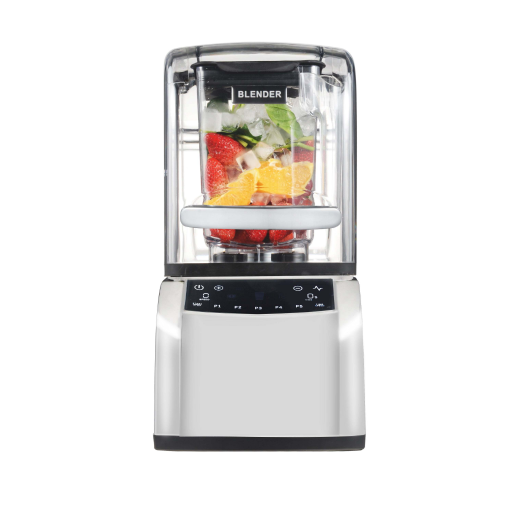
The power standards defining a commercial blender machine encompass multiple technical specifications beyond simple wattage ratings, including motor torque characteristics, voltage requirements, amperage draw, and thermal management capabilities. These interconnected parameters collectively determine whether a commercial blender machine can sustain continuous operation in demanding commercial kitchens, process challenging ingredients efficiently, and maintain consistent performance throughout extended service cycles without compromising food quality or equipment longevity.
Motor Power Classifications and Industry Standards
Base Power Rating Requirements
The minimum power threshold for professional-grade commercial blender machine units typically starts at 1000 watts, with most high-performance models ranging between 1500 to 3000 watts. This power classification directly correlates with the motor's ability to maintain consistent blade speed under load, particularly when processing dense ingredients like frozen fruits, nuts, or ice. Commercial establishments requiring intensive blending operations often specify commercial blender machine units with power ratings exceeding 2000 watts to ensure reliable performance during peak service periods.
Power density calculations reveal that effective commercial blender machine performance depends not only on total wattage but also on how efficiently that power translates into usable torque at the blade assembly. Motors with superior magnetic design and precision engineering can deliver equivalent blending force with lower overall power consumption, reducing operational costs while maintaining the processing capabilities essential for commercial food preparation workflows.
Industry standards established by commercial kitchen equipment associations recommend that any commercial blender machine intended for continuous operation should demonstrate sustained power output without thermal derating for minimum periods of 15 minutes. This requirement ensures that professional kitchens can rely on their blending equipment during extended preparation cycles without performance degradation that could compromise food quality or preparation efficiency.
Voltage and Electrical Requirements
Commercial electrical standards mandate that high-power commercial blender machine units operate on dedicated electrical circuits, typically requiring 208-240 volt connections to handle the substantial current draw associated with professional-grade motors. These voltage requirements differ significantly from residential applications, necessitating proper electrical infrastructure planning when installing commercial blender machine equipment in professional kitchens or foodservice facilities.
Amperage specifications for commercial blender machine units vary considerably based on motor design and power rating, with most professional models drawing between 8 to 15 amperes during operation. Understanding these electrical requirements proves crucial for facility managers planning kitchen layouts, as inadequate electrical capacity can result in circuit breaker trips, voltage drops, and reduced motor performance that compromises the commercial blender machine functionality during critical food preparation periods.
Three-phase power compatibility represents another critical electrical standard for high-end commercial blender machine applications, particularly in large-scale foodservice operations where consistent power delivery and reduced electrical infrastructure costs justify the additional complexity. Three-phase commercial blender machine units typically demonstrate superior motor efficiency, reduced electrical noise, and enhanced operational stability compared to single-phase equivalents with similar power ratings.
Performance Metrics and Operational Standards
Blade Speed and Torque Specifications
Blade rotational speed standards for commercial blender machine units typically range from 25,000 to 35,000 revolutions per minute at maximum power settings, with variable speed control capabilities allowing operators to adjust processing intensity based on specific ingredient requirements. These high-speed capabilities enable commercial blender machine equipment to achieve the fine particle size reduction necessary for smooth purees, emulsions, and specialized food preparations demanded in professional kitchen environments.
Torque output measurements provide more meaningful performance indicators than simple speed ratings, as consistent torque delivery determines a commercial blender machine ability to maintain processing efficiency when encountering resistance from dense or fibrous ingredients. Professional-grade units typically generate torque values exceeding 150 inch-pounds, ensuring reliable operation when processing challenging ingredients like fibrous vegetables, thick batters, or frozen components that would overload residential-grade equipment.
Variable torque control systems integrated into advanced commercial blender machine designs allow operators to optimize processing parameters for different applications, from gentle mixing of delicate ingredients to aggressive pulverization of hard materials. These sophisticated control systems monitor motor load continuously, adjusting power delivery to maintain consistent blade performance regardless of ingredient variations or processing duration requirements.
Thermal Management and Duty Cycle Standards
Continuous duty rating represents a critical performance standard distinguishing commercial blender machine equipment from consumer alternatives, requiring motors to operate at full rated power indefinitely without overheating or performance degradation. This specification proves essential for commercial operations where blending tasks may extend for several minutes continuously or occur in rapid succession throughout busy service periods without adequate cooling intervals.
Thermal protection systems integrated into commercial blender machine designs include temperature monitoring, automatic shutdown capabilities, and enhanced cooling mechanisms that prevent motor damage during extended operation cycles. These safety features ensure equipment longevity while maintaining consistent performance standards even when operators push the commercial blender machine beyond typical usage patterns during peak demand situations.
Heat dissipation efficiency directly impacts the sustained performance capability of any commercial blender machine, with superior thermal management allowing continuous operation at full power without the performance reduction commonly experienced in residential-grade equipment. Professional units incorporate advanced cooling fin designs, improved ventilation pathways, and heat-resistant components that enable reliable operation in the elevated ambient temperatures typical of commercial kitchen environments.
Regulatory Compliance and Safety Standards
Electrical Safety Certifications
National Electrical Code compliance represents a mandatory requirement for commercial blender machine installation in professional foodservice facilities, encompassing proper grounding, circuit protection, and electrical connection standards that ensure operator safety and equipment reliability. These regulations mandate specific electrical installation practices, including dedicated circuits, appropriate overcurrent protection, and proper grounding methods that protect both equipment and personnel from electrical hazards.
Underwriters Laboratories certification standards evaluate commercial blender machine electrical safety through comprehensive testing protocols that verify insulation integrity, grounding effectiveness, and protection against electrical shock hazards. UL-listed commercial blender machine equipment demonstrates compliance with rigorous safety standards, providing operators and facility managers with confidence in equipment safety and reliability during normal and abnormal operating conditions.
Ground fault circuit interrupter compatibility ensures that commercial blender machine installations meet current electrical safety requirements for commercial kitchen applications, particularly in areas where water exposure might create electrical hazard conditions. GFCI protection requirements vary by jurisdiction but commonly apply to all commercial kitchen equipment installations, necessitating proper electrical design consideration during commercial blender machine procurement and installation planning.
Commercial Kitchen Equipment Standards
National Sanitation Foundation certification validates that commercial blender machine designs meet stringent hygiene and safety requirements for commercial food preparation equipment, including material compatibility, cleaning accessibility, and contamination prevention features. NSF standards address multiple aspects of commercial blender machine design, from food-contact surface materials to drainage characteristics that prevent bacterial growth and ensure food safety compliance.
Commercial equipment durability standards require commercial blender machine units to withstand the mechanical stresses, thermal cycling, and chemical exposure typical of professional kitchen environments. These standards encompass vibration resistance, impact tolerance, and chemical compatibility requirements that ensure long-term reliability and maintainability in demanding commercial applications where equipment failure can disrupt food service operations significantly.
Energy efficiency standards increasingly influence commercial blender machine specifications as foodservice operators seek to reduce operational costs and environmental impact through equipment selection. Modern commercial blender machine designs incorporate variable speed controls, efficient motor technologies, and intelligent control systems that optimize power consumption based on processing requirements, delivering necessary performance while minimizing energy waste.
Capacity and Processing Power Correlation
Container Size and Power Scaling
The relationship between container capacity and motor power requirements follows established scaling principles that ensure adequate processing capability across different commercial blender machine configurations. Larger containers typically require proportionally higher power ratings to maintain effective ingredient circulation and processing efficiency, with professional applications commonly utilizing power-to-volume ratios exceeding 10 watts per fluid ounce of blending capacity.
Processing efficiency calculations demonstrate that underpowered commercial blender machine configurations struggle to achieve uniform mixing in larger containers, resulting in ingredient stratification, incomplete processing, and inconsistent food quality outcomes. Proper power scaling ensures that commercial blender machine equipment can generate sufficient fluid dynamics throughout the entire container volume, achieving uniform processing results regardless of batch size variations within the equipment's rated capacity range.
High-volume commercial blender machine applications often require specialized power management systems that optimize motor performance across varying load conditions, from small-batch processing to full-capacity operations. These advanced control systems adjust power delivery dynamically, ensuring consistent processing quality while maximizing energy efficiency and extending equipment service life through reduced mechanical stress during lighter processing tasks.
Ingredient Processing Requirements
Different ingredient categories impose varying power demands on commercial blender machine equipment, with fibrous vegetables, frozen fruits, and dense nuts requiring substantially higher processing power than liquid-based preparations. Understanding these power requirements enables operators to select commercial blender machine equipment with adequate capability margins, ensuring reliable performance across their intended application range without overloading motor systems.
Ice crushing capability represents a particularly demanding application for commercial blender machine equipment, requiring high instantaneous torque output and robust blade systems capable of withstanding impact loads without damage. Professional-grade commercial blender machine units designed for ice processing typically incorporate reinforced blade assemblies, enhanced motor starting torque, and impact-resistant container materials that enable reliable frozen ingredient processing without compromising equipment longevity.
Emulsification and particle size reduction requirements in commercial food preparation often exceed the capabilities of consumer-grade equipment, necessitating commercial blender machine units with superior power density and sustained performance characteristics. Professional applications requiring smooth purees, stable emulsions, or fine particle suspensions depend on commercial blender machine equipment capable of maintaining high processing speeds under load for extended periods without performance degradation.
FAQ
What is the minimum power rating required for a commercial blender machine?
The minimum power rating for a commercial blender machine typically starts at 1000 watts for basic commercial applications, though most professional establishments require units rated between 1500 to 2200 watts to ensure adequate performance during continuous operation cycles. Higher power ratings provide better processing capability for challenging ingredients and maintain consistent performance during extended use periods common in commercial kitchen environments.
How do electrical requirements differ between commercial and residential blender machines?
Commercial blender machine electrical requirements typically include dedicated 208-240 volt circuits with higher amperage capacity compared to residential units that operate on standard 120-volt household circuits. Commercial units also require proper electrical infrastructure including adequate overcurrent protection, appropriate grounding systems, and often GFCI protection to meet commercial kitchen safety standards and local electrical codes.
What safety certifications should I look for in a commercial blender machine?
Essential safety certifications for a commercial blender machine include UL (Underwriters Laboratories) electrical safety certification and NSF (National Sanitation Foundation) approval for commercial food equipment applications. These certifications ensure the equipment meets rigorous safety standards for electrical components, material compatibility with food contact, and hygiene requirements necessary for commercial food preparation environments.
How does motor power affect the processing capacity of a commercial blender machine?
Motor power directly influences a commercial blender machine processing capacity by determining the equipment's ability to maintain blade speed under load and process challenging ingredients effectively. Higher power ratings enable larger batch processing, more efficient handling of dense or fibrous ingredients, and sustained performance during continuous operation cycles without motor overheating or performance degradation that could compromise food quality outcomes.
Table of Contents
- Motor Power Classifications and Industry Standards
- Performance Metrics and Operational Standards
- Regulatory Compliance and Safety Standards
- Capacity and Processing Power Correlation
-
FAQ
- What is the minimum power rating required for a commercial blender machine?
- How do electrical requirements differ between commercial and residential blender machines?
- What safety certifications should I look for in a commercial blender machine?
- How does motor power affect the processing capacity of a commercial blender machine?