 EN
EN


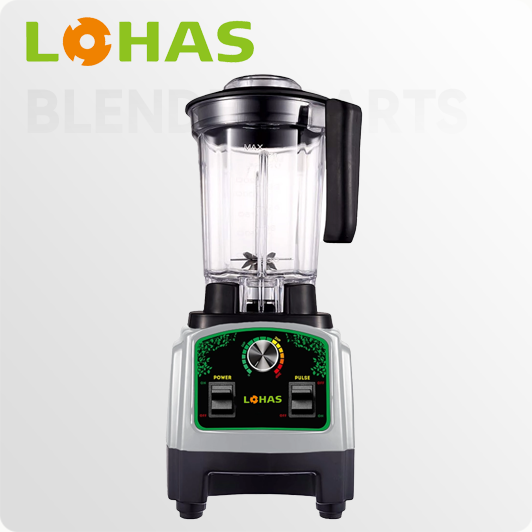
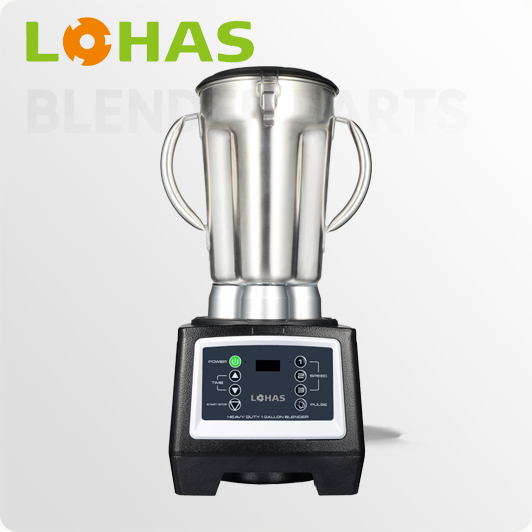
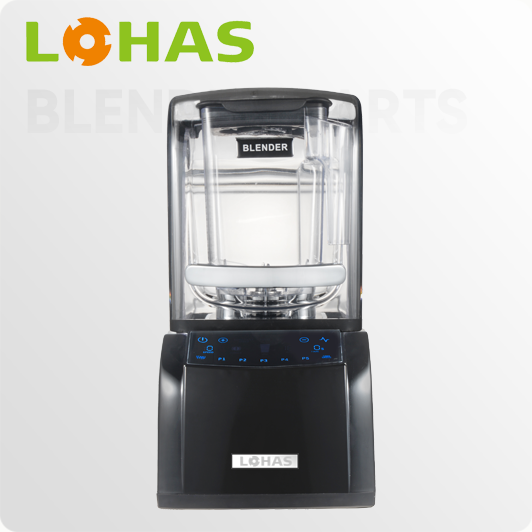

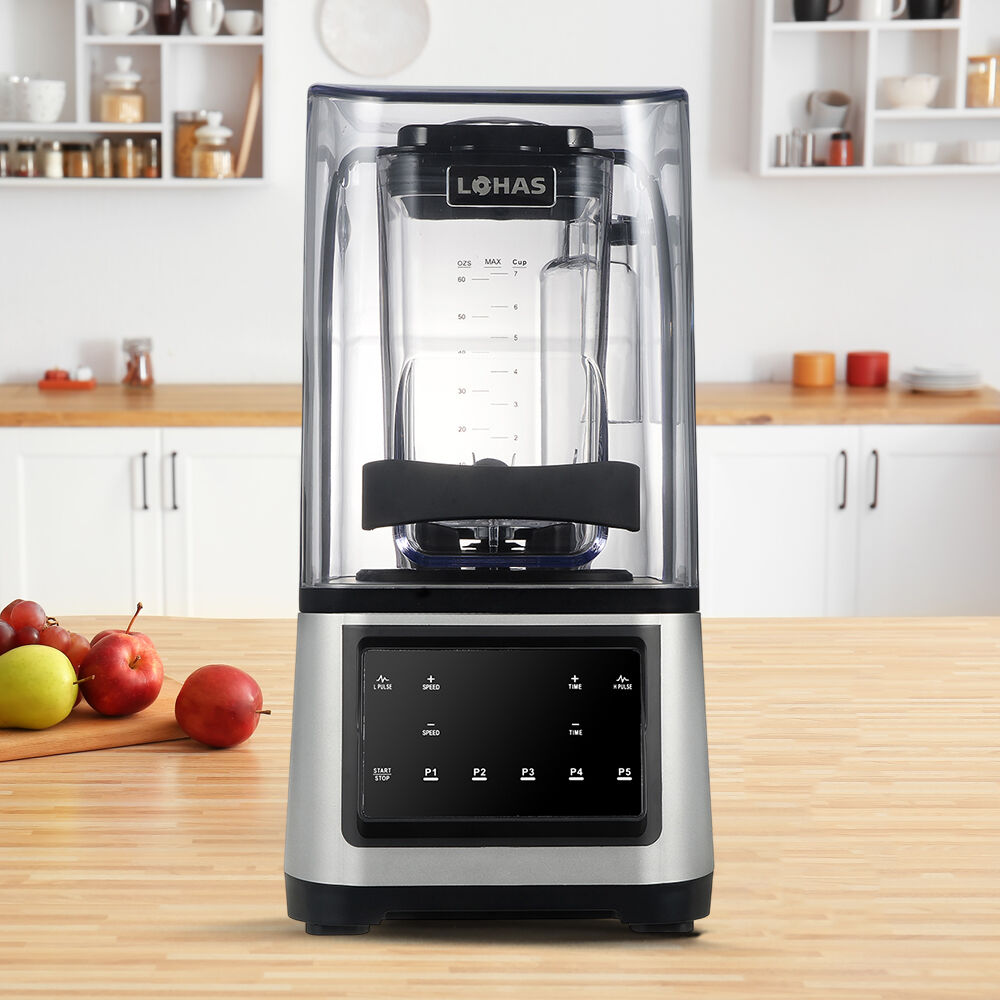
In high-volume commercial kitchens, beverage stations, and food processing facilities, equipment reliability directly determines operational efficiency. A commercial blender machine serves as a critical workhorse in these environments, handling hundreds of blending cycles daily across demanding applications from smoothie bars to industrial food preparation. When durability falters, the consequences extend far beyond a single malfunctioning unit—entire production workflows grind to a halt, staff productivity plummets, and customer satisfaction suffers. Understanding why commercial blender machine durability fundamentally shapes workflow efficiency reveals strategic insights for operators seeking to optimize kitchen performance and protect revenue streams.
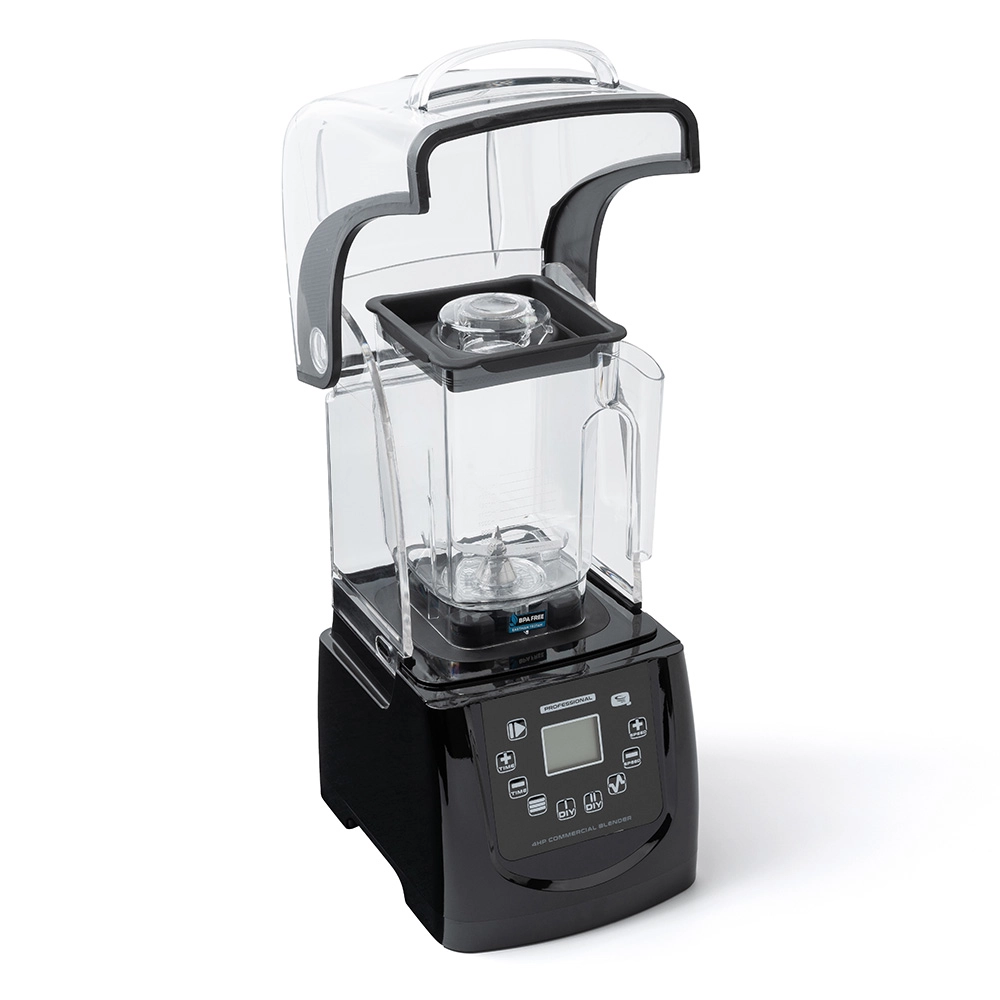
The relationship between equipment durability and workflow performance operates through multiple interconnected mechanisms that affect both immediate operations and long-term business viability. Unlike residential blenders designed for occasional use, a commercial blender machine must withstand continuous stress from dense ingredients, extended run times, and minimal downtime between cycles. The structural integrity of motors, blade assemblies, container materials, and control systems determines whether operations maintain consistent throughput or face unpredictable interruptions. This article examines the specific reasons why commercial blender machine durability functions as a foundational determinant of workflow efficiency, exploring mechanical dependencies, operational vulnerabilities, economic implications, and strategic considerations that business operators must address when selecting and maintaining blending equipment.
Mechanical Reliability and Continuous Production Demands
Motor Endurance Under Sustained Load Conditions
The motor represents the heart of any commercial blender machine, and its durability directly controls whether production workflows maintain consistent output. Commercial environments subject motors to continuous thermal stress, mechanical vibration, and electrical demands that would quickly destroy residential-grade components. A durable motor maintains torque delivery across extended blending sessions without performance degradation, ensuring that each smoothie, sauce, or puree meets quality standards regardless of when it appears in the daily production sequence. When motor windings overheat or bearings wear prematurely, blending power diminishes progressively, forcing operators to extend cycle times and disrupting carefully timed workflow schedules.
High-performance commercial blender machine designs incorporate thermal management systems that dissipate heat effectively, preventing the gradual performance decline that characterizes less durable units. Thermal protection circuits prevent catastrophic failure, but they also interrupt workflow when motors reach critical temperatures. Facilities operating during peak service periods cannot afford mid-shift motor shutdowns, making motor durability a non-negotiable workflow requirement. The difference between a motor rated for continuous duty and one designed for intermittent use directly translates into workflow predictability versus unpredictable service interruptions that cascade through entire kitchen operations.
Blade Assembly Longevity and Processing Consistency
Blade assemblies in a commercial blender machine experience extreme mechanical stress from ice crushing, frozen fruit processing, and fibrous vegetable breakdown. Durable blade systems maintain sharpness and structural integrity across thousands of cycles, delivering consistent particle size reduction that supports standardized recipes and quality control. When blade edges dull or assemblies develop wobble from bearing wear, blending efficiency drops and operators must compensate by extending cycle times or running multiple passes. This workflow disruption compounds across dozens of daily orders, transforming minor durability deficiencies into major throughput bottlenecks.
The metallurgical composition and heat treatment of blade materials determine resistance to chipping, corrosion, and deformation under operational stress. A commercial blender machine with inferior blade durability forces frequent replacement intervals that interrupt workflow for maintenance and create inventory management burdens. Advanced blade designs incorporate stainless steel alloys with hardness ratings that resist wear while maintaining toughness against impact damage from ice cubes and frozen ingredients. The connection between blade durability and workflow stability becomes particularly evident in high-volume smoothie operations where inconsistent blending results force staff to reprocess orders, doubling labor time and equipment usage for each affected transaction.
Container Integrity and Operational Safety
The blending container of a commercial blender machine must resist both chemical degradation from acidic ingredients and mechanical stress from thermal cycling and impact events. Durable containers maintain seal integrity, preventing leaks that create safety hazards, waste ingredients, and halt production for cleanup. Polycarbonate and copolyester materials used in quality commercial blender machine construction resist cracking from thermal shock when hot liquids contact cold containers, a common scenario in soup preparation and sauce production workflows. Container failure during service hours creates immediate workflow disruption as staff must transfer ingredients, clean spills, and substitute backup equipment while maintaining service standards.
Beyond structural durability, container design affects workflow through ergonomic factors and cleaning efficiency. Containers that resist cloudiness and staining from repeated use maintain visual clarity for ingredient monitoring, supporting workflow precision. The durability of handle attachments and lid mechanisms determines whether staff can execute rapid container changes during rush periods without fumbling or safety concerns. When a commercial blender machine features containers engineered for thousands of dishwasher cycles without warping or seal degradation, kitchens maintain workflow velocity through efficient cleaning rotations rather than accumulating soiled containers that create bottlenecks in high-volume operations.
Downtime Economics and Workflow Interruption Costs
Direct Revenue Loss from Equipment Unavailability
When a commercial blender machine fails during peak service hours, the immediate revenue impact extends beyond lost sales to include customer dissatisfaction and brand reputation damage. A smoothie bar generating three hundred dollars per hour in blended beverage sales experiences direct revenue loss during equipment downtime, with no ability to recapture lost transactions from customers who leave rather than wait. The durability of critical components determines whether such failures occur predictably during scheduled maintenance windows or unpredictably during maximum revenue periods. Facilities operating single-blender workflows face total production halts, while those with backup units still experience capacity reductions and workflow complications from staff adjusting to unfamiliar equipment configurations.
The economic calculation of commercial blender machine durability must account for peak-hour revenue concentration. Many beverage operations generate seventy percent of daily revenue during limited service windows, making equipment availability during these periods exponentially more valuable than off-peak reliability. A durable commercial blender machine justifies premium investment through guaranteed availability during revenue-critical periods, whereas budget equipment with adequate off-peak performance but questionable peak-hour endurance creates unacceptable business risk. The workflow impact of durability failures during these concentrated revenue periods can eliminate profit margins for entire business days, making equipment selection a strategic financial decision rather than simple procurement.
Labor Efficiency Degradation and Staffing Complications
Workflow efficiency depends on staff executing standardized procedures with predictable equipment response times. When commercial blender machine durability declines, operators must compensate through extended blending cycles, manual intervention, or process modifications that disrupt established workflows. A barista trained to complete smoothie orders in ninety seconds cannot maintain that pace when equipment requires two-minute blend cycles due to diminished motor power or dull blades. This performance degradation forces staffing adjustments, with facilities requiring additional personnel during peak periods to maintain service levels that durable equipment would support with fewer staff members.
The labor cost implications extend beyond direct staffing to include training inefficiencies and operational inconsistency. When a commercial blender machine exhibits unreliable performance, staff develop workarounds and individual techniques that create process variation and complicate cross-training efforts. New employees face longer learning curves when equipment behavior lacks consistency, and experienced staff waste cognitive resources monitoring equipment quirks rather than focusing on customer service. Durable equipment enables standardized training, predictable workflow timing, and efficient staff deployment across multiple stations without the friction created by unreliable equipment that demands constant operator attention and adjustment.
Maintenance Scheduling and Preventive Service Costs
Durable commercial blender machine designs reduce maintenance frequency and enable predictable service scheduling that minimizes workflow disruption. Equipment engineered for extended component life allows facilities to schedule maintenance during slow periods rather than responding reactively to failures during peak operations. The difference between quarterly preventive maintenance and weekly emergency repairs represents distinct operational philosophies—one supporting stable workflows and the other creating chronic disruption. Facilities investing in durable equipment shift resources from emergency response to planned optimization, using maintenance windows for deep cleaning and calibration rather than urgent component replacement.
The total cost of ownership for a commercial blender machine includes not just parts and labor but workflow opportunity costs during maintenance events. Less durable equipment demands frequent servicing that removes units from production rotation, requiring either backup equipment investment or acceptance of reduced capacity during maintenance periods. When commercial blender machine durability enables extended service intervals, facilities reduce the cumulative workflow disruption across operating years while simplifying inventory management for replacement parts. The strategic advantage of durability becomes particularly evident in multi-location operations where maintenance logistics compound—centralizing service for durable equipment proves far more efficient than managing constant repair cycles across numerous unreliable units.
Operational Consistency and Quality Control Implications
Recipe Standardization and Product Uniformity
Commercial operations depend on consistent product quality to build customer loyalty and support brand identity. A commercial blender machine that maintains performance specifications across its service life enables precise recipe execution, ensuring that smoothies, soups, and sauces meet established standards regardless of preparation time or operator. When equipment durability falters and blending power varies, product consistency suffers—early-shift outputs differ from late-shift results, creating customer experience variability that undermines brand positioning. This workflow impact extends beyond individual transactions to affect inventory planning, as inconsistent blending efficiency alters ingredient yield rates and complicates portioning accuracy.
The relationship between commercial blender machine durability and quality control becomes critical in franchised operations where multiple locations must deliver identical products. Corporate recipe development assumes equipment performance consistency, with blending times and power settings calibrated for specific outcomes. When individual locations experience equipment degradation at different rates, system-wide standardization breaks down and quality assurance becomes location-dependent rather than formula-dependent. Durable equipment enables centralized quality control through predictable performance across distributed operations, while unreliable equipment forces each location to develop compensatory techniques that introduce unacceptable variation into customer experience.
Ingredient Processing Capability and Menu Flexibility
Menu development in commercial kitchens depends on equipment capabilities remaining stable across service life. A commercial blender machine rated for tough ingredients like frozen fruits, ice, and fibrous vegetables must maintain that capability throughout its operational tenure to support menu consistency. When durability declines and processing power diminishes, facilities face difficult choices between menu simplification and workflow complications from equipment struggling with originally manageable ingredients. This constraint affects competitive positioning, as operations cannot respond to market trends requiring ingredient versatility when equipment reliability limits processing options.
The workflow impact extends to seasonal menu transitions and promotional offerings that may demand temporarily increased equipment stress. Durable commercial blender machine construction supports menu innovation by maintaining performance headroom that accommodates ingredient experimentation without risking equipment failure. Facilities can confidently develop limited-time offerings featuring challenging ingredients when equipment durability provides processing capability margins. Conversely, operations with marginal equipment durability must restrict menu development to conservative options within demonstrated equipment limits, sacrificing competitive differentiation to avoid workflow disruption from equipment pushed beyond declining capabilities.
Temperature Management and Food Safety Compliance
Many commercial blender machine applications involve temperature-sensitive ingredients requiring rapid processing to maintain food safety standards. Durable motors complete blending cycles quickly, minimizing ingredient time in temperature danger zones and supporting compliance with health regulations. When equipment durability degrades and cycle times extend, workflow complications emerge from products exceeding safe holding temperatures or requiring additional cooling steps that disrupt production sequences. Smoothie operations blending frozen ingredients depend on equipment completing cycles before melting compromises texture, while hot soup preparation requires reliable power to achieve safe serving temperatures within workflow timing constraints.
The food safety implications of commercial blender machine durability extend to cleaning protocols and sanitation effectiveness. Durable equipment maintains seal integrity and container clarity that support visual inspection during cleaning verification, while degraded equipment develops crevices and cloudiness that harbor bacteria and complicate sanitation. Workflow efficiency in cleaning rotations depends on equipment tolerating aggressive sanitizing chemicals and high-temperature dishwasher cycles without material degradation. When commercial blender machine components deteriorate from cleaning stress, facilities face impossible trade-offs between sanitation thoroughness and equipment longevity, with workflow suffering regardless of chosen priority.
Strategic Equipment Selection and Long-Term Workflow Planning
Lifecycle Cost Analysis and Investment Justification
Evaluating commercial blender machine options requires looking beyond initial purchase price to total cost of ownership across expected service life. Durable equipment commands higher upfront investment but delivers workflow stability and reduced maintenance costs that often justify premium pricing through operational savings. A comprehensive analysis accounts for reduced downtime, lower part replacement frequency, extended useful life, and higher residual value when calculating true equipment cost. Facilities making purchase decisions solely on initial price often discover that budget equipment generates workflow complications and maintenance expenses exceeding the cost difference within the first operating year.
The workflow planning horizon determines appropriate equipment durability standards. Operations anticipating five-year equipment lifecycles require different durability specifications than those planning three-year refresh cycles aligned with lease terms or expansion timelines. A commercial blender machine selected for short-term deployment might accept moderate durability to minimize capital commitment, while permanent installations demand maximum longevity to support stable workflows across extended periods. Strategic equipment planning aligns durability specifications with business growth projections, avoiding both over-investment in excessive durability and under-investment that creates workflow vulnerabilities during critical growth phases.
Scalability Considerations and Multi-Unit Deployment
Business expansion plans magnify the workflow impact of equipment durability decisions. A single-location operator selecting a commercial blender machine establishes the standard for all future locations, with durability characteristics propagating across growing operations. Discovering durability deficiencies after deploying dozens of units creates systematic workflow problems affecting entire organizational capacity. Early investment in proven durability enables confident scaling, with new locations inheriting workflow processes validated through existing equipment performance. This strategic consistency supports operational efficiency as training, maintenance protocols, and supply chains benefit from equipment standardization.
Multi-unit operations must balance equipment standardization against location-specific requirements that may justify durability variations. High-volume flagship locations might warrant commercial-grade equipment exceeding durability specifications appropriate for lower-volume satellite operations. However, excessive equipment diversity complicates maintenance logistics, parts inventory, and staff cross-training between locations. Most successful multi-location operators establish tiered durability standards aligned with volume categories, maintaining workflow consistency within each tier while optimizing investment for actual operational demands. This approach prevents both under-specification that creates workflow failures and over-specification that wastes capital on unused durability margins.
Technology Evolution and Future-Proofing Investments
The commercial blender machine market continues evolving with noise reduction technologies, programmable controls, and connectivity features that affect workflow efficiency beyond mechanical durability. Facilities must evaluate whether current equipment investments will support foreseeable operational requirements or require premature replacement as capabilities become outdated. Durable mechanical construction provides little value if control systems or safety features become obsolete before structural components reach end-of-life. Forward-looking equipment selection balances mechanical longevity with technological flexibility, ensuring workflows benefit from durability investments across full equipment lifecycles.
Some commercial blender machine manufacturers design modular systems allowing control system upgrades without replacing mechanical assemblies, extending relevant service life beyond traditional equipment lifecycles. This approach particularly benefits facilities where workflow requirements evolve faster than mechanical wear schedules would dictate replacement. Evaluating durability in context of technological evolution requires understanding which equipment attributes face obsolescence risk and which provide timeless value. Motor power, blade quality, and container integrity deliver lasting workflow benefits, while proprietary control interfaces and connectivity protocols may require updates to maintain competitive operational capabilities regardless of mechanical condition.
FAQ
How does commercial blender machine durability affect daily production capacity?
Durable equipment maintains consistent cycle times and processing power throughout service life, enabling facilities to execute production plans with predictable throughput. When durability declines, blending cycles extend and operators must compensate by reducing simultaneous orders or extending customer wait times. A commercial blender machine losing twenty percent motor power might require fifty percent longer blending times for frozen ingredients, directly reducing daily production capacity. This cumulative effect across hundreds of daily cycles transforms minor durability deficiencies into major capacity constraints that limit revenue potential during peak periods when equipment availability determines maximum achievable sales volume.
What are the early warning signs that commercial blender machine durability is declining?
Observable indicators include extended blending times for standard recipes, increased motor noise or vibration, inconsistent processing results across identical batches, and visual wear on blade edges or container surfaces. Operators may notice the equipment struggling with ingredients it previously handled easily, or requiring multiple blending cycles to achieve textures formerly accomplished in single passes. Temperature increases in motor housings, burning odors during operation, and intermittent power delivery also signal durability degradation requiring attention. Proactive monitoring of these symptoms enables preventive maintenance before complete failures disrupt workflows, allowing facilities to schedule repairs during slow periods rather than responding to emergency breakdowns during peak service hours.
Can preventive maintenance extend commercial blender machine durability significantly?
Regular maintenance substantially extends service life when performed according to manufacturer specifications and operational intensity. Preventive programs including blade sharpening, bearing lubrication, seal replacement, and motor inspection address wear before it cascades into component failure. However, maintenance cannot overcome fundamental design limitations in equipment lacking inherent durability through quality materials and robust construction. A commercial blender machine built with marginal components will require frequent maintenance and still exhibit shorter useful life than well-engineered equipment receiving identical care. Optimal results combine durable equipment selection with disciplined maintenance execution, creating synergy where quality construction and proper service together maximize workflow reliability across extended operational periods.
How should businesses calculate the return on investment for more durable commercial blender machine options?
Comprehensive ROI analysis includes direct costs like purchase price difference and maintenance expenses alongside indirect factors such as downtime revenue loss, labor efficiency impacts, and quality consistency benefits. Calculate the incremental cost of durable equipment, then project savings from reduced repair frequency, extended replacement cycles, and avoided peak-hour downtime. Factor in the value of consistent product quality supporting customer retention and the operational flexibility enabling menu innovation. Many businesses discover that premium commercial blender machine durability pays for itself within twelve to eighteen months through combined direct savings and workflow efficiency gains, with subsequent years delivering pure operational advantage through superior reliability supporting competitive performance without ongoing premium costs.
Table of Contents
- Mechanical Reliability and Continuous Production Demands
- Downtime Economics and Workflow Interruption Costs
- Operational Consistency and Quality Control Implications
- Strategic Equipment Selection and Long-Term Workflow Planning
-
FAQ
- How does commercial blender machine durability affect daily production capacity?
- What are the early warning signs that commercial blender machine durability is declining?
- Can preventive maintenance extend commercial blender machine durability significantly?
- How should businesses calculate the return on investment for more durable commercial blender machine options?