 EN
EN

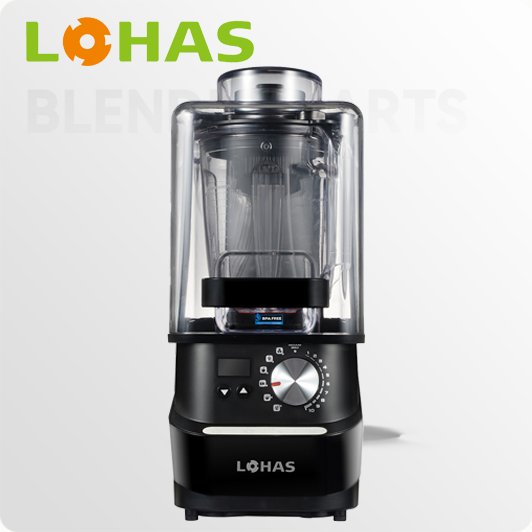
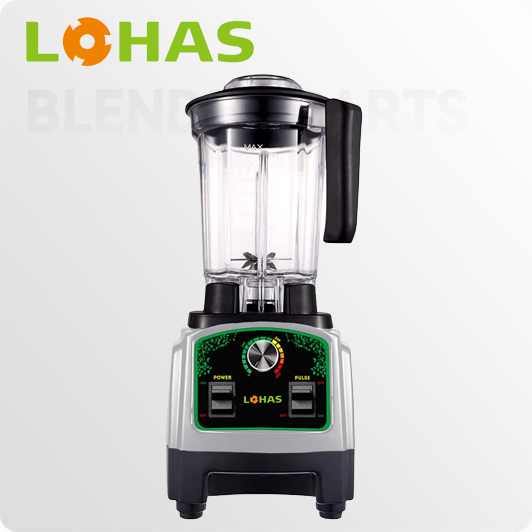
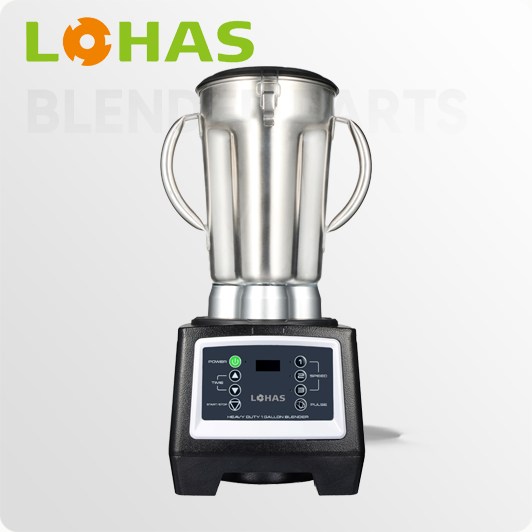
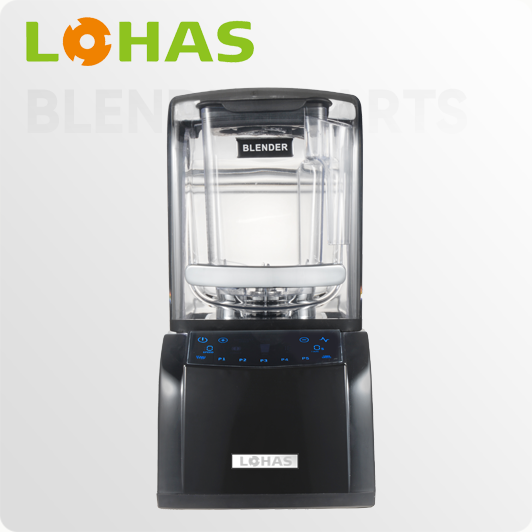
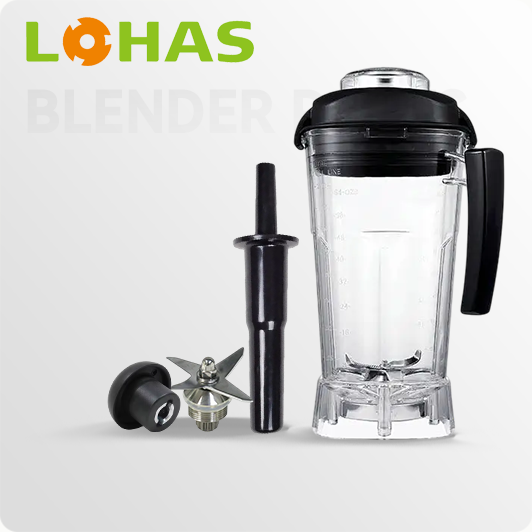
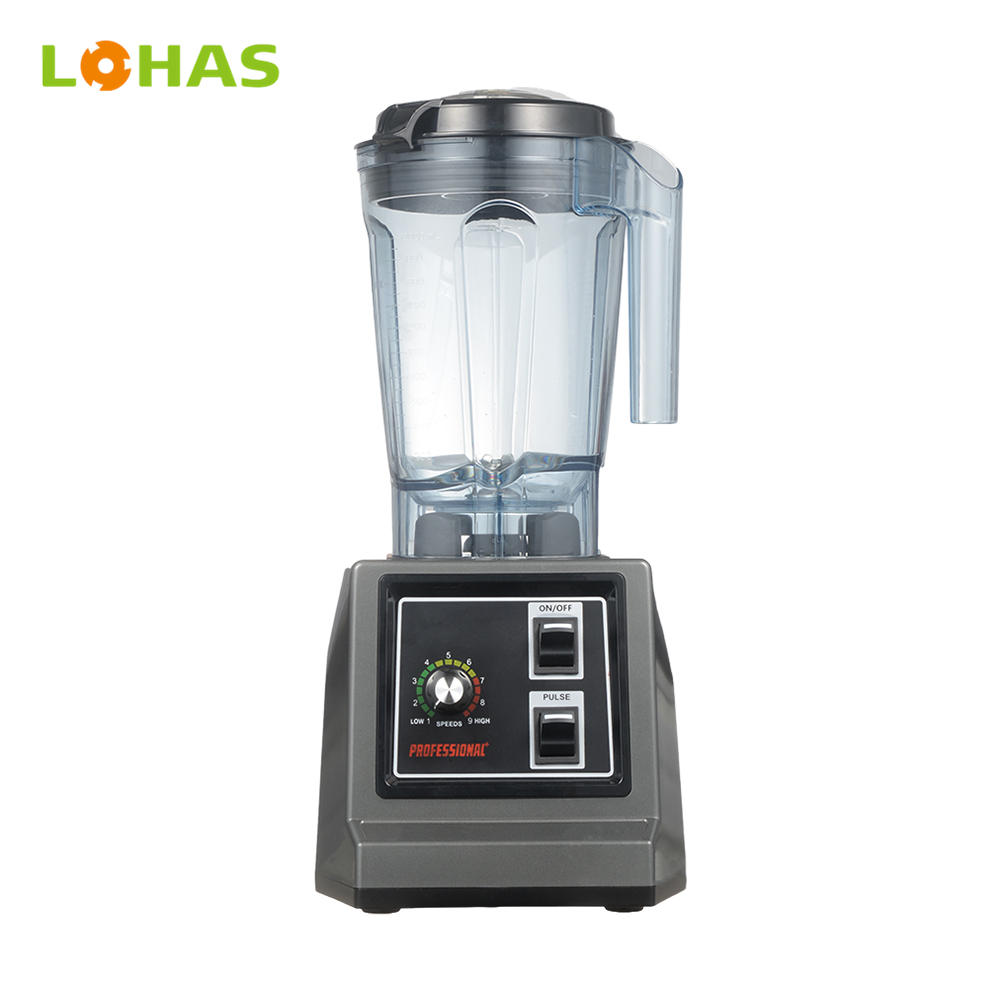
A commercial food blender represents the backbone of modern food service operations, from bustling hotel kitchens to juice bars and catering facilities. Unlike residential blenders designed for occasional use, a commercial food blender must handle vastly different ingredient types, volumes, and processing demands throughout a busy operational day. Understanding how a commercial food blender manages diverse ingredients helps food service professionals select the right equipment and optimize their blending workflows for consistency, speed, and product quality.
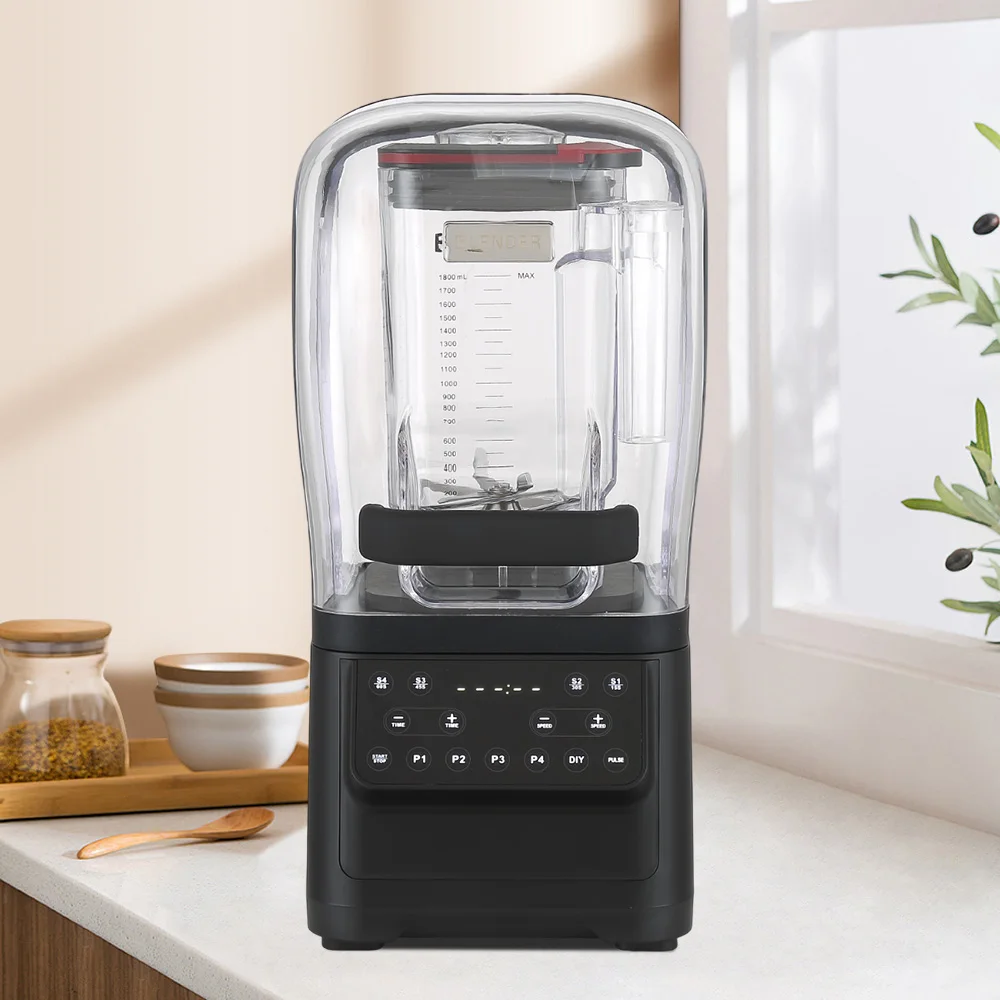
The engineering behind a commercial food blender reveals why these machines excel at handling varied ingredient challenges. A commercial food blender combines powerful motor systems, precision blade geometry, and intelligent container design to process everything from soft fruits to hard ice, thick nut butters to watery vegetable bases. By examining the core mechanics of how a commercial food blender operates across ingredient categories, you gain insight into material selection, processing techniques, and the performance standards that distinguish professional-grade equipment from consumer alternatives.
Motor Power and Torque Management
Understanding Commercial-Grade Motor Requirements
The heart of any commercial food blender is its motor system, which must deliver consistent torque across variable ingredient densities without stalling or overheating. A commercial food blender typically operates with motors ranging from 2 to 3.5 horsepower or higher, enabling continuous operation during peak service hours. This power reserve allows a commercial food blender to maintain blade speed even when encountering dense ingredients like frozen fruits, nuts, or ice without dropping RPM, which would compromise texture consistency across batches.
Handling Density Variations with Consistent Speed
When a commercial food blender processes soft ingredients like yogurt or ripe bananas, the motor requires minimal torque; however, the same commercial food blender must maintain identical blade rotation when grinding frozen components or ice. This capability depends on motor design that prevents stalling and maintains thermal stability under continuous load. Professional operators use a commercial food blender's torque characteristics to meter ingredient introduction, adding harder materials gradually while the motor reaches peak efficiency, ensuring smooth processing without flavor degradation or texture separation.
Blade Geometry and Ingredient Interaction
Multi-Stage Blade Design for Layered Processing
A commercial food blender employs multi-tier blade arrangements that engage ingredients at different container heights and angles. Lower blade positions handle coarser materials, creating initial fragmentation, while upper blade sections process semi-broken material into finer particles through shear forces. This tiered approach allows a commercial food blender to handle ingredient transitions smoothly. For example, when a commercial food blender processes a mixed berry smoothie, lower blades fragment frozen berries while upper blades simultaneously emulsify liquid and yogurt components, producing uniform texture without requiring manual material movement or batch splitting.
Shear Force Application Across Ingredient Types
The angle and curve of blades determine how a commercial food blender applies cutting, grinding, and shearing forces. A commercial food blender designed with optimized blade angles creates efficient vortex patterns that draw ingredients toward processing zones at variable rates based on density. Hard ingredients like nuts naturally settle toward blade tips where rotational speed is highest, while lighter materials remain suspended in lower-speed zones near the container center. This passive ingredient sorting means a commercial food blender processes mixed loads more uniformly than older fixed-speed designs, reducing processing time and improving batch consistency across hundreds of daily operations.
Container Design and Thermal Management
Capacity and Container Geometry for Mixed Processing
Commercial-grade containers represent another critical factor in how a commercial food blender manages ingredient diversity. These containers typically hold 64 to 80 ounces and feature tapered bottoms with precise angles that optimize ingredient flow toward blade zones. A commercial food blender's container shape directs heavier particles downward through centrifugal forces while lighter foams remain near the surface, creating natural ingredient stratification during processing. Smooth interior surfaces prevent accumulation of sticky residues from nut butters or dried fruits, enabling rapid transitions between recipes without cross-contamination or flavor carryover.
Heat Dissipation Under Continuous Operation
Friction from high-speed blade rotation generates significant heat, particularly when a commercial food blender processes hard ingredients continuously. Professional containers feature thermal management features, including thick walls that dissipate heat into the surrounding air and specialized seals that prevent steam escape into motor housings. A commercial food blender maintaining proper thermal balance ensures ingredient temperature remains stable, preventing nutritional degradation in smoothies or temperature-sensitive preparations. Food service operators who monitor a commercial food blender's runtime understand that thermal stability directly impacts product safety and shelf-life consistency across service periods.
Practical Processing Techniques for Diverse Ingredients
Sequencing Ingredient Introduction
Expert operators understand that how a commercial food blender processes mixed ingredients depends significantly on introduction sequence. Adding liquid first creates a processing cushion that slows blade acceleration, while introducing hard items last allows softer components to partially process before encountering maximum shear forces. When using a commercial food blender for nut-based smoothies, experienced users add protein powder and nut butter only after initial liquid and fruit processing, ensuring these dense materials encounter optimal vortex patterns rather than stalling conditions. This sequencing strategy allows a commercial food blender to process at maximum efficiency without motor stress, extending equipment lifespan while improving final texture quality and consistency across hundreds of daily service operations.
Temperature Control and Processing Speed Adjustments
A commercial food blender offers variable speed settings that must be matched to ingredient characteristics for optimal results. Soft fruits and leafy vegetables blend smoothly at moderate speeds (level 3-5), while frozen ingredients and ice require maximum speed settings (level 7-10) to prevent incomplete processing and extended runtime. Professional operators adjust processing time based on ingredient temperature; a commercial food blender processes room-temperature ingredients more quickly than frozen components, allowing staff to estimate service times accurately. When a commercial food blender operates at appropriate speed-to-ingredient matching, motor wear decreases, acoustic noise reduces, and final product consistency improves significantly compared to one-speed-fits-all approaches.
Real-World Application Scenarios
High-Volume Smoothie Bar Operations
In busy smoothie bars, a commercial food blender must process more than 100 drinks daily with varying recipes, ingredient ratios, and temperature profiles. Staff rely on a commercial food blender's consistent performance to deliver uniform taste and texture despite ingredient variation. When a commercial food blender encounters mid-shift ingredient substitutions—frozen mango instead of fresh, protein powder instead of yogurt—the motor torque and blade design automatically compensate without requiring operator adjustment. This adaptability means a commercial food blender maintains service speed and product quality throughout peak demand periods without product complaints or customer waiting times.
Catering and Institutional Kitchen Integration
Large catering operations and institutional kitchens depend on a commercial food blender to handle batch processing of soups, sauces, purees, and beverages with minimal downtime. A commercial food blender that successfully processes 20 pounds of vegetable soup containing firm carrots, soft onions, and liquid broth demonstrates the versatility expected in professional settings. Institutional operators value a commercial food blender's repeatability because recipe consistency directly impacts customer satisfaction and food cost management. When a commercial food blender produces identical results across multiple batches of the same recipe, inventory planning becomes predictable and waste reduction improves significantly.
FAQ
How does a commercial food blender prevent ingredient separation during processing?
A commercial food blender maintains ingredient integration through continuous vortex action that keeps all materials in motion within the container. The blade geometry and motor torque ensure that softer components don't settle while harder materials process, preventing texture layering or separation. Optimal container design maintains ingredient contact with blade zones throughout the cycle, preventing settling that leads to incomplete processing or inconsistent final products. Professional operators complete processing within 45-60 seconds for most recipes, minimizing time for natural separation.
Can a commercial food blender handle hot ingredients safely?
Yes, a commercial food blender can process heated ingredients when proper techniques are followed. Most commercial food blender containers tolerate temperatures up to 180-200 degrees Fahrenheit, though introducing extremely hot liquids directly risks seal damage and steam buildup. Best practice involves allowing ingredients to cool slightly before blending or filling the container only halfway when processing warm materials. A commercial food blender's thermal management design includes temperature-resistant seals and container materials that maintain structural integrity under normal hot ingredient processing.
What maintenance ensures a commercial food blender handles ingredient diversity reliably?
Regular maintenance of a commercial food blender includes daily cleaning of blades and container interior, weekly inspection of blade edges for dullness, and monthly motor bearing lubrication. A commercial food blender experiences wear from continuous hard ingredient processing, requiring blade replacement every 6-12 months depending on usage intensity. Motor performance monitoring ensures a commercial food blender maintains consistent RPM and torque; declining speed indicates potential bearing issues requiring professional service. Consistent maintenance practices preserve a commercial food blender's ability to process diverse ingredients uniformly throughout its operational lifespan.