 EN
EN


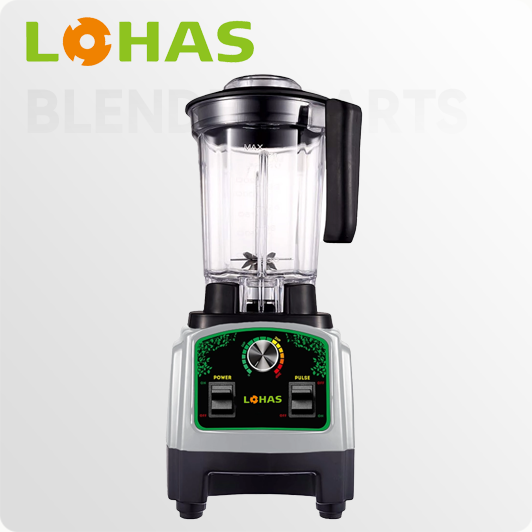
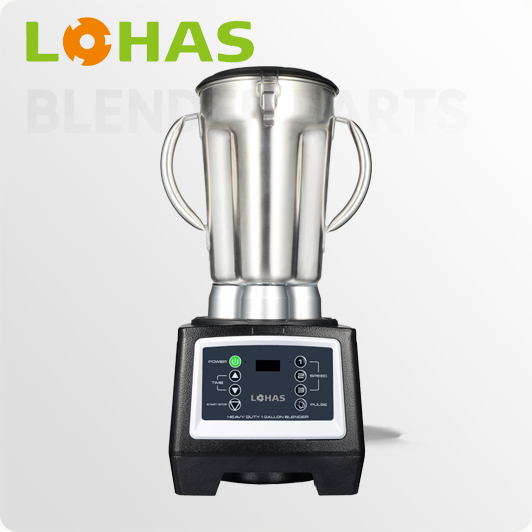
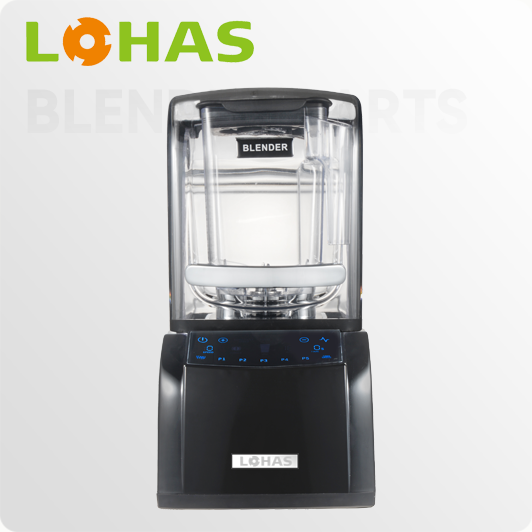

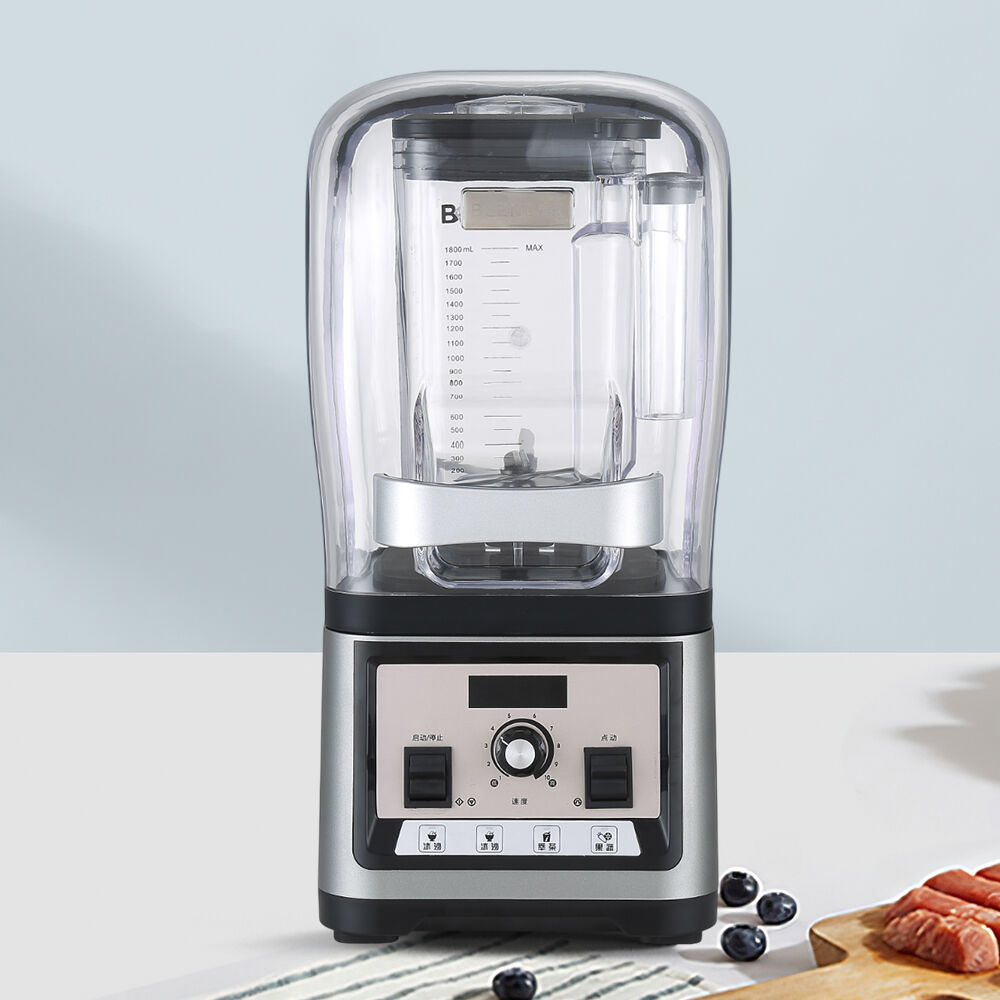
In a high-traffic food service environment, equipment performance is not a preference — it is a requirement. A commercial smoothie blender is one of the most operationally critical machines in any busy juice bar, hotel breakfast station, gym café, or quick-service restaurant. When customer volume is high and wait times must stay low, the blender on your counter cannot afford to underperform, overheat, or break down mid-shift. Understanding how a commercial smoothie blender functions under sustained pressure — and what separates a capable unit from an inadequate one — is essential knowledge for any operator making purchasing or operational decisions.
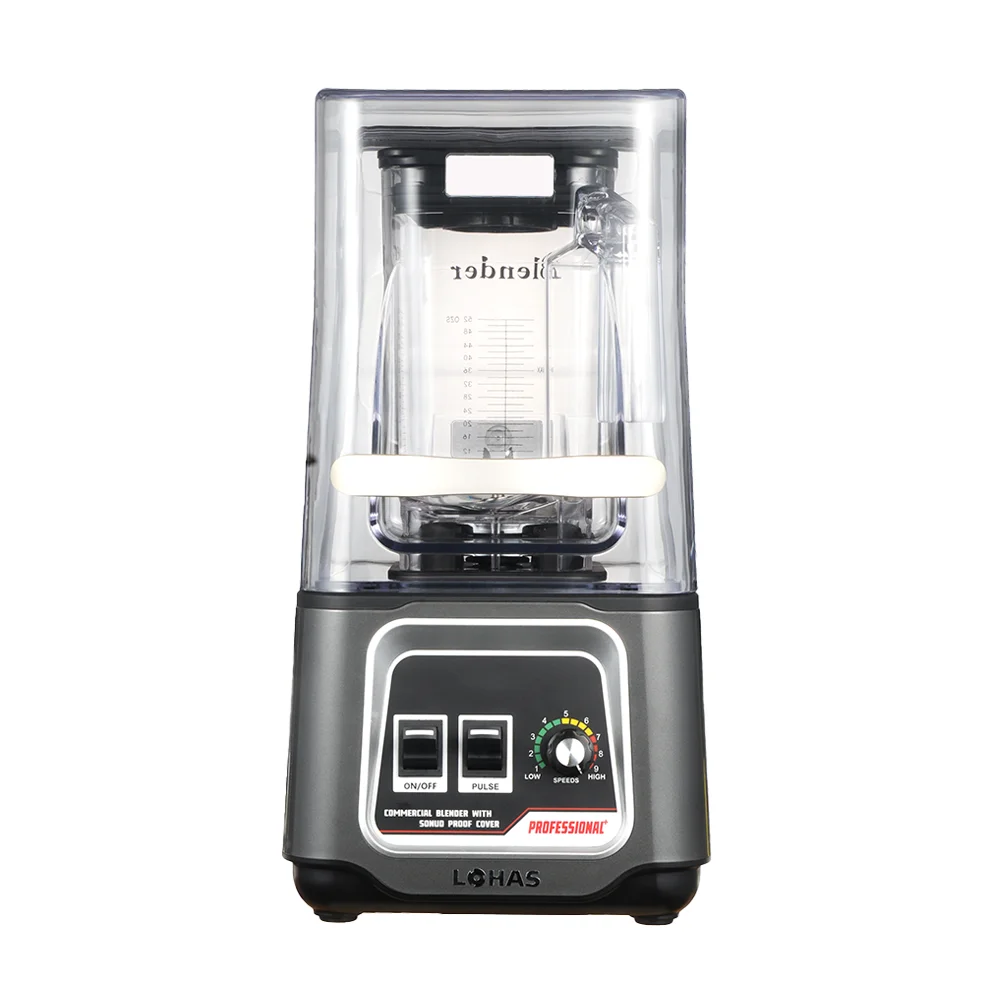
High-traffic environments place demands on blending equipment that go far beyond what a standard countertop unit can handle. Continuous operation cycles, varied ingredient loads, ice crushing requirements, and the need for consistent output quality across hundreds of blends per day all define the operational reality of a busy service setting. A commercial smoothie blender built for these conditions must deliver not just raw power, but durability, thermal management, noise control, and ease of cleaning — all at once. This article examines how a commercial smoothie blender performs in high-traffic settings, what structural and mechanical features make that performance possible, and what operators should evaluate when deploying these machines in demanding environments.
The Operational Reality of High-Traffic Blending
Volume, Speed, and Consistency Demands
High-traffic environments are defined by volume and pace. A smoothie bar inside a fitness center or airport terminal may process dozens of orders within a single hour, with each blend requiring consistent texture, temperature, and presentation. In these settings, a commercial smoothie blender must complete each cycle quickly without sacrificing output quality. Customers expect the same smooth, well-blended result whether they are the fifth or the fiftieth order of the day.
Speed of blending is directly tied to motor power and blade design. A commercial smoothie blender operating in a high-volume environment typically requires a motor rated at 2 horsepower or higher to process frozen fruit, ice, and dense ingredients within a 30 to 60 second cycle. Lower-powered units may struggle with these loads, leading to longer blend times, inconsistent textures, and increased mechanical wear over time.
Consistency is equally important. In a commercial setting, every customer expects the same product. A commercial smoothie blender with programmable blend cycles or pre-set speed profiles helps staff replicate results without relying on manual judgment. This reduces training time, minimizes waste from poorly blended batches, and supports a standardized menu offering across multiple staff members and shifts.
Continuous Duty Cycles and Thermal Management
One of the most significant differences between a commercial smoothie blender and a consumer-grade unit is the ability to sustain continuous operation without overheating. In a high-traffic environment, a blender may run dozens of consecutive cycles with minimal rest time between them. Consumer blenders are not designed for this pattern and will typically trigger thermal cutoffs or suffer motor damage under such conditions.
A commercial smoothie blender designed for high-traffic use incorporates thermal protection systems that monitor motor temperature and regulate performance to prevent damage. More importantly, the motor housing, ventilation design, and component materials are engineered to dissipate heat efficiently during sustained use. This allows the machine to maintain full performance across an entire service period without degradation.
Operators should pay close attention to duty cycle ratings when selecting a commercial smoothie blender for a high-traffic location. A unit rated for continuous or near-continuous duty is fundamentally different from one rated for intermittent use. Deploying an intermittent-duty blender in a continuous-use environment will accelerate wear, increase maintenance frequency, and shorten the machine's operational lifespan significantly.
Structural Features That Support High-Traffic Performance
Motor Power and Blade Engineering
The motor is the heart of any commercial smoothie blender, and in a high-traffic environment, it must be both powerful and reliable. High-RPM motors allow blades to reach speeds that can pulverize ice, break down fibrous vegetables, and emulsify dense ingredients in seconds. This speed is critical for maintaining throughput during peak service periods when every second of blend time affects the queue behind it.
Blade design works in direct partnership with motor power. Stainless steel blades with precision-engineered angles create vortex patterns inside the jar that pull ingredients toward the cutting edge efficiently. In a commercial smoothie blender used for high-volume service, blade geometry determines not just blend quality but also how evenly the motor load is distributed during each cycle. Poorly designed blades force the motor to work harder, generating more heat and increasing wear on bearings and seals.
The blade assembly in a commercial smoothie blender must also be replaceable and easy to service. In a high-traffic environment, blades will dull over time regardless of material quality. A design that allows quick blade replacement without specialized tools reduces downtime and keeps the machine performing at its rated specification throughout its service life.
Jar Construction and Seal Integrity
The blending jar in a commercial smoothie blender must withstand repeated thermal and mechanical stress. In high-traffic environments, jars are filled with cold or frozen ingredients, subjected to high-speed blending, emptied, rinsed, and refilled in rapid succession. This cycle creates both thermal shock and physical impact stress that lower-grade materials cannot sustain over time.
Commercial-grade jars are typically constructed from BPA-free Tritan copolyester or stainless steel, both of which offer superior impact resistance and thermal stability compared to standard polycarbonate. The jar's shape also matters — a well-designed commercial smoothie blender jar creates efficient ingredient circulation that reduces blend time and ensures no unmixed pockets remain at the end of a cycle.
Seal integrity is a critical but often overlooked factor. In a high-traffic environment, a leaking jar seal creates safety hazards, product waste, and cleaning burdens that slow down service. A commercial smoothie blender with a robust, food-grade gasket system and a secure lid-locking mechanism prevents leaks even when processing high-volume, high-viscosity blends at full speed.
Noise Management in Busy Service Environments
The Impact of Blender Noise on Customer Experience
Noise is a practical concern in any customer-facing environment. A commercial smoothie blender operating at full power can generate sound levels that disrupt conversation, affect ambient atmosphere, and create a negative impression in settings where customer experience is a priority. Hotels, upscale cafés, and wellness centers are particularly sensitive to this issue, as their brand positioning depends on a calm, pleasant environment.
High-traffic environments that process many blends per hour amplify this problem. If each blend cycle lasts 45 seconds and the blender runs 40 times per hour, the cumulative noise exposure for staff and customers is substantial. Over a full service day, this level of noise can contribute to staff fatigue and customer dissatisfaction, both of which have measurable business consequences.
Sound Enclosure Technology and Design Solutions
Many commercial smoothie blender models designed for customer-facing environments incorporate sound enclosures — rigid covers that surround the jar during blending and absorb or deflect acoustic energy. These enclosures can reduce operational noise by 10 to 20 decibels, bringing the blending sound to a level that is noticeable but not disruptive in a typical café or bar setting.
Beyond enclosures, motor mounting design and vibration dampening also contribute to noise reduction. A commercial smoothie blender with a motor mounted on vibration-absorbing pads and a stable, weighted base will produce less structural noise than a unit that transmits motor vibration directly to the countertop. These design details matter significantly in environments where the blender operates continuously throughout the day.
Operators selecting a commercial smoothie blender for a noise-sensitive high-traffic environment should request decibel ratings from suppliers and, where possible, test the unit in a representative setting before committing to a purchase. Noise specifications measured in controlled lab conditions may differ from real-world performance when the machine is processing ice-heavy blends at maximum speed.
Cleaning, Hygiene, and Operational Efficiency
Rapid Cleaning Protocols for High-Volume Service
In a high-traffic environment, cleaning time directly competes with service time. A commercial smoothie blender that requires lengthy disassembly and manual scrubbing between each use creates a bottleneck that slows throughput and frustrates staff. Efficient cleaning design is therefore not a secondary consideration — it is a core operational requirement.
Most commercial smoothie blender models designed for high-volume use support a rinse-and-blend cleaning method, where a small amount of water and dish soap is added to the jar and blended briefly to remove residue. This method takes under 30 seconds and is sufficient for maintaining hygiene between consecutive blends of similar products. For allergen management or end-of-shift deep cleaning, full disassembly and manual washing of the jar, blade assembly, and lid components is required.
Operators should verify that all jar and blade components of their commercial smoothie blender are dishwasher-safe and constructed from materials that resist staining and odor absorption. In a high-traffic environment where dozens of different ingredients pass through the machine daily, material quality directly affects long-term hygiene standards and the visual presentation of the equipment.
Staff Training and Workflow Integration
A commercial smoothie blender is only as effective as the staff operating it. In high-traffic environments with frequent staff turnover or multiple concurrent operators, ease of use is a significant factor in maintaining consistent output and preventing equipment misuse. Machines with intuitive controls, clearly labeled speed settings, and pre-programmed blend cycles reduce the learning curve and minimize the risk of operator error.
Workflow integration also matters. The physical placement of the commercial smoothie blender within the service station, its proximity to ingredient storage, and the ergonomics of the jar-loading and dispensing process all affect how efficiently staff can move through high-volume service periods. A well-placed, easy-to-operate commercial smoothie blender becomes a seamless part of the service flow rather than a friction point.
Training staff on proper loading techniques — avoiding overfilling, using the correct liquid-to-solid ratio, and following the recommended blend sequence for different ingredient types — also extends the life of the machine and maintains output quality. In a high-traffic environment, small operational habits compound over thousands of blend cycles into significant differences in equipment longevity and product consistency.
Selecting the Right Commercial Smoothie Blender for Your Environment
Matching Machine Specifications to Traffic Volume
Not all high-traffic environments are identical, and the right commercial smoothie blender for a hotel breakfast buffet may differ from the right choice for a dedicated smoothie bar processing 200 orders per day. Matching machine specifications to actual traffic volume and blend complexity is the foundation of a sound equipment decision.
For environments processing up to 50 blends per day with moderate ingredient complexity, a commercial smoothie blender with a 2 to 2.5 horsepower motor and a standard duty cycle rating may be sufficient. For environments processing 100 or more blends per day, particularly those involving heavy ice loads or dense frozen ingredients, a higher-powered unit with a continuous duty rating and advanced thermal management is the appropriate choice.
Jar capacity is another specification to align with traffic patterns. A commercial smoothie blender with a 64-ounce jar is well-suited to single-serve or small-batch production, while a 96-ounce or larger jar allows batch blending that can serve multiple customers from a single cycle, improving throughput during peak periods.
Long-Term Cost Considerations and Durability
The purchase price of a commercial smoothie blender is only one component of its total cost of ownership. In a high-traffic environment, durability, parts availability, and maintenance requirements have a substantial impact on the true cost of operating the machine over its service life. A lower-priced unit that requires frequent blade replacement, jar replacement, or motor servicing may cost significantly more over three years than a higher-priced unit with superior build quality.
Warranty terms are a useful proxy for manufacturer confidence in product durability. A commercial smoothie blender backed by a multi-year motor warranty and readily available replacement parts signals that the manufacturer has designed the product for sustained commercial use. Operators should also consider the availability of local service support, as downtime in a high-traffic environment has a direct and immediate impact on revenue.
Energy efficiency is an increasingly relevant factor as well. A commercial smoothie blender that draws excessive power during each cycle will contribute meaningfully to utility costs in a high-volume operation. High-efficiency motor designs that deliver maximum torque at lower energy draw are available in the commercial segment and represent a sound long-term investment for operators focused on operational cost management.
FAQ
How many blends per day can a commercial smoothie blender handle in a high-traffic environment?
A commercial smoothie blender rated for continuous or heavy-duty use can typically handle 100 to 300 or more blends per day, depending on motor power, thermal management design, and blend duration. Units with continuous duty ratings are specifically engineered for this level of sustained operation and will maintain performance and longevity under high-volume conditions. Always verify the duty cycle specification with the supplier before deploying a commercial smoothie blender in a high-traffic setting.
What motor power is recommended for a commercial smoothie blender used in a busy café or juice bar?
For a busy café or juice bar processing ice-heavy or frozen-ingredient blends at high volume, a commercial smoothie blender with a motor rated at 2 horsepower or higher is generally recommended. Higher motor power reduces blend time, handles dense ingredients more effectively, and places less thermal stress on the motor during continuous operation. For very high-volume environments, units rated at 3 horsepower or above offer additional headroom for sustained performance.
Is noise a significant issue with a commercial smoothie blender in customer-facing environments?
Yes, noise is a meaningful operational consideration for any commercial smoothie blender used in a customer-facing setting. High-speed blending, particularly with ice, generates significant sound that can affect customer experience and staff comfort. Many commercial smoothie blender models designed for front-of-house use incorporate sound enclosures that reduce noise levels substantially. Operators in noise-sensitive environments should prioritize models with verified decibel ratings and sound dampening features.
How should a commercial smoothie blender be cleaned during a high-traffic service period?
During active service, most operators use a rapid rinse-and-blend method: adding a small amount of water and soap to the jar, running a short blend cycle, and rinsing thoroughly. This takes under 30 seconds and maintains adequate hygiene between consecutive blends. A commercial smoothie blender should undergo full disassembly and thorough manual or dishwasher cleaning at the end of each service period, with all components — jar, blades, lid, and gaskets — cleaned and inspected for wear or residue buildup.
Table of Contents
- The Operational Reality of High-Traffic Blending
- Structural Features That Support High-Traffic Performance
- Noise Management in Busy Service Environments
- Cleaning, Hygiene, and Operational Efficiency
- Selecting the Right Commercial Smoothie Blender for Your Environment
-
FAQ
- How many blends per day can a commercial smoothie blender handle in a high-traffic environment?
- What motor power is recommended for a commercial smoothie blender used in a busy café or juice bar?
- Is noise a significant issue with a commercial smoothie blender in customer-facing environments?
- How should a commercial smoothie blender be cleaned during a high-traffic service period?