 EN
EN


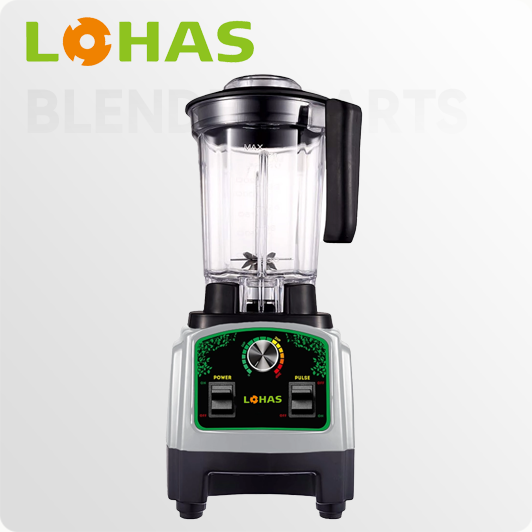
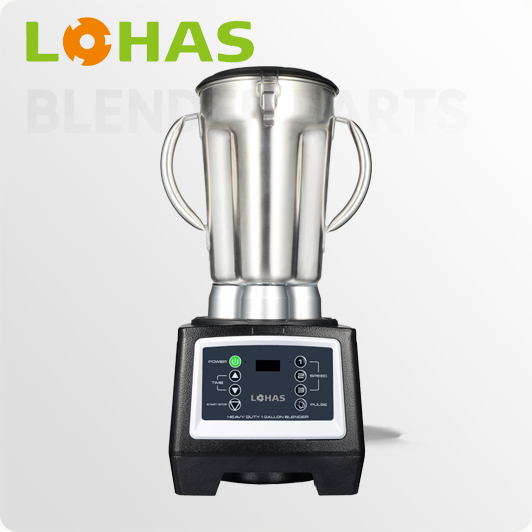
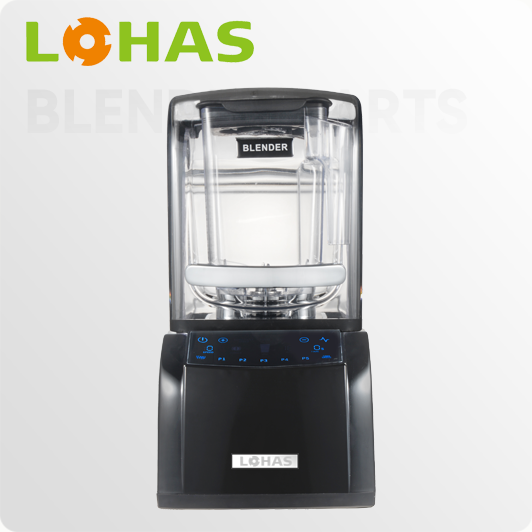

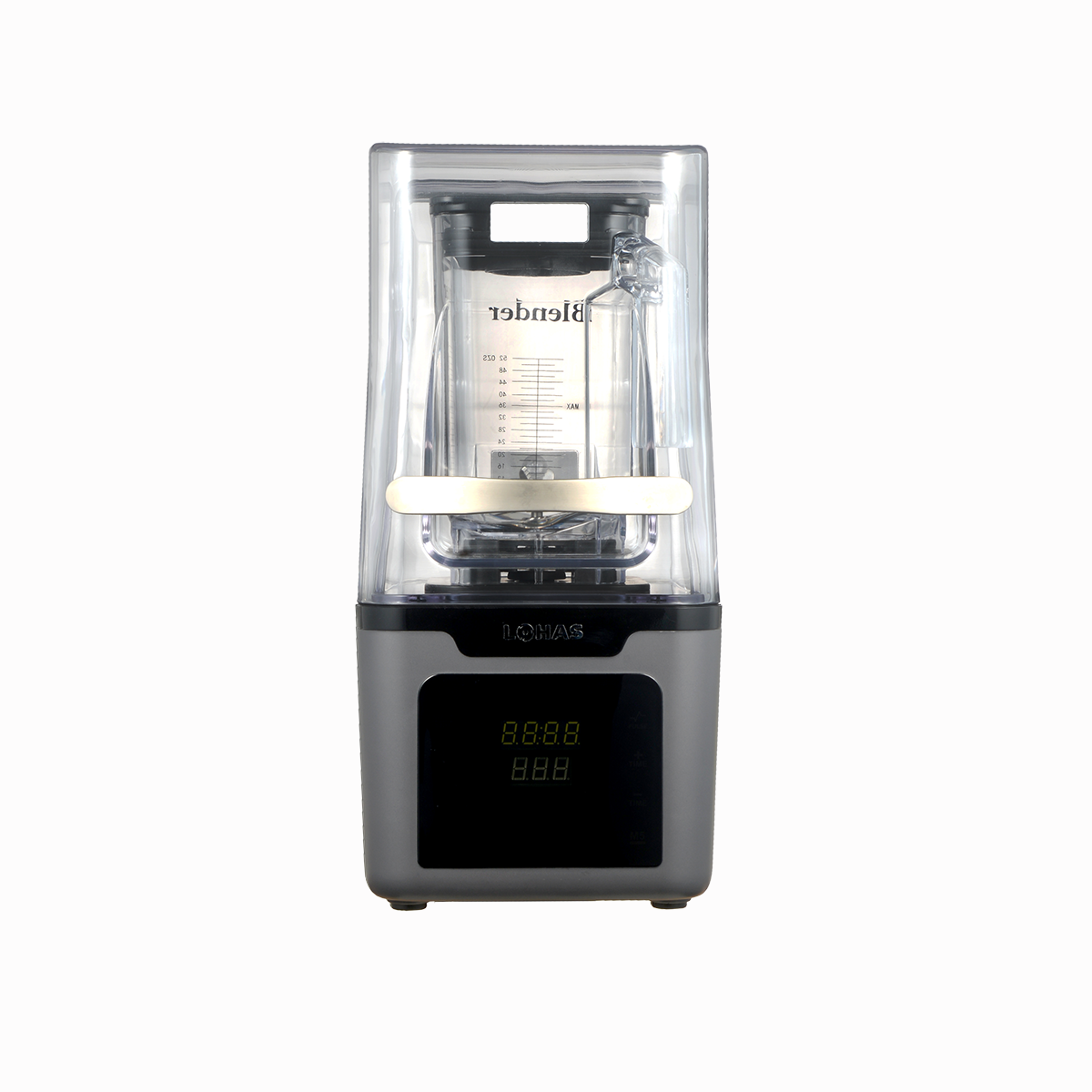
Professional kitchens demand equipment that can withstand continuous operation, handle large volumes, and deliver consistent results throughout busy service periods. When it comes to blending operations, a heavy duty blender becomes an indispensable tool that enables culinary teams to execute complex menu items efficiently while maintaining quality standards. These powerful machines transform how commercial foodservice operations approach everything from sauce preparation to beverage creation, offering the reliability and performance that professional environments require.
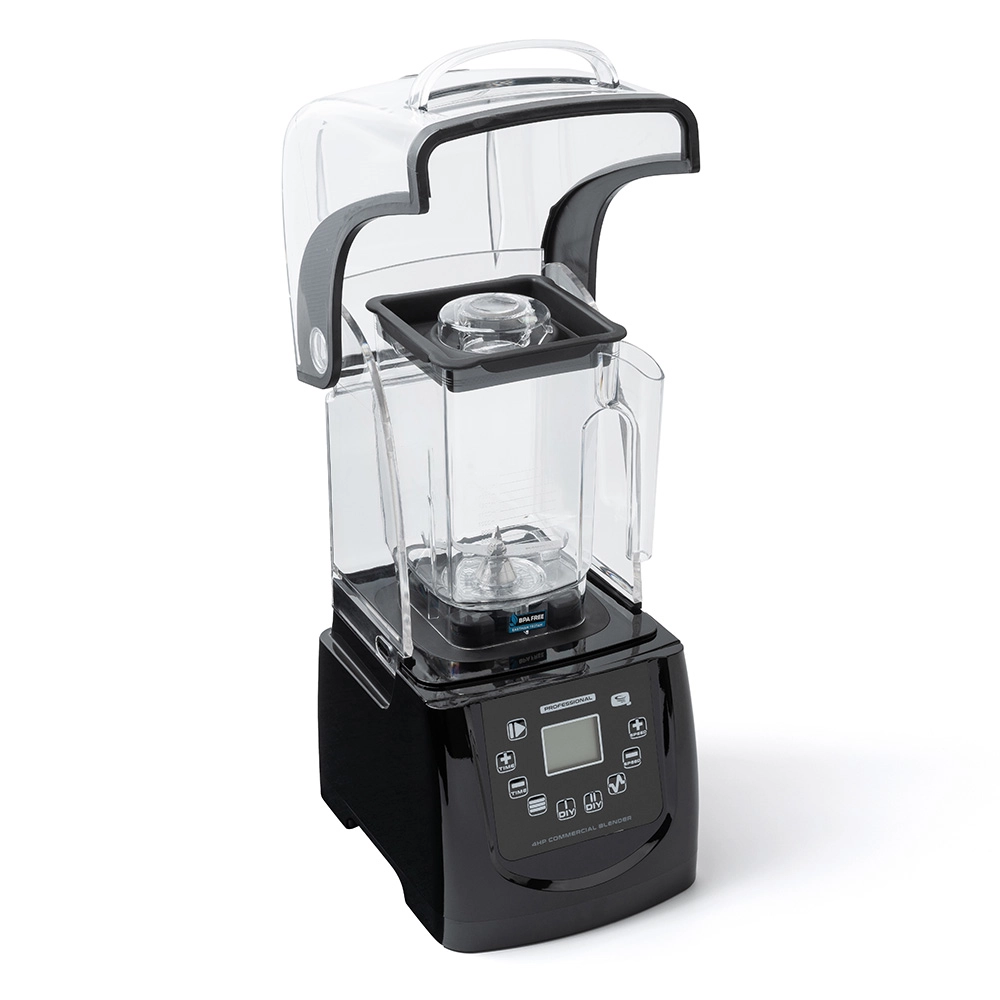
The applications of heavy duty blenders in professional kitchens extend far beyond simple smoothie preparation, encompassing critical food preparation processes that directly impact operational efficiency and customer satisfaction. From high-volume restaurants to institutional cafeterias, these robust machines enable chefs to tackle demanding blending tasks that would overwhelm standard consumer-grade equipment. Understanding the specific applications where heavy duty blenders excel helps culinary professionals maximize their investment and streamline their kitchen operations.
Sauce and Dressing Production
High-Volume Sauce Preparation
Professional kitchens rely on heavy duty blenders to produce large quantities of smooth, consistent sauces that meet exacting quality standards. These powerful machines excel at creating emulsified sauces like hollandaise, mayonnaise, and vinaigrettes, where proper texture and stability are critical for both taste and presentation. The consistent motor power and precision control of a heavy duty blender ensures that delicate emulsions maintain their structure even during extended blending cycles.
The ability to process hot ingredients safely makes heavy duty blenders particularly valuable for sauce production. Many professional-grade models feature thermal-resistant containers and powerful motors that can handle hot soups, gravies, and reduction sauces without compromising performance. This capability eliminates the need for cooling periods and allows chefs to incorporate blending directly into their cooking workflow, reducing preparation time and improving kitchen efficiency.
Consistency in sauce texture becomes especially important when preparing large batches for banquet service or institutional feeding. A heavy duty blender delivers uniform results across multiple batches, ensuring that every portion meets the same quality standards regardless of when it was prepared during the service period.
Specialty Dressing Creation
Modern professional kitchens often feature diverse menu offerings that require specialized dressings and marinades. Heavy duty blenders enable chefs to create complex flavor profiles by thoroughly incorporating ingredients that would be difficult to blend using traditional methods. Nut-based dressings, herb-infused oils, and thick marinades benefit from the powerful mixing action that breaks down cellular structures and creates smooth, well-integrated final products.
The precision speed control available in professional heavy duty blenders allows chefs to achieve specific textures for different applications. Some dressings require a completely smooth consistency, while others benefit from maintaining small pieces of herbs or other ingredients for visual appeal and texture contrast. This level of control enables culinary teams to execute their creative vision while maintaining operational efficiency.
Beverage Operations
Smoothie and Shake Programs
Restaurants and cafes incorporating smoothie programs into their beverage offerings depend on heavy duty blenders to handle the demanding requirements of frozen fruit processing and consistent texture achievement. These applications require machines capable of crushing ice and frozen ingredients repeatedly throughout service periods without motor strain or performance degradation. The robust construction of professional-grade units ensures reliable operation even during peak demand periods.
Speed and efficiency become crucial factors when beverage programs contribute significantly to revenue. A heavy duty blender designed for commercial applications can process orders quickly while maintaining the smooth, creamy texture that customers expect. This operational efficiency directly impacts customer satisfaction and table turnover rates in busy establishments.
The versatility of heavy duty blenders also supports menu expansion opportunities. Establishments can offer protein smoothies, green juice blends, and specialty beverages without investing in multiple pieces of equipment. This flexibility allows operators to test new menu items and respond to customer preferences while maximizing their equipment investment.
Cocktail and Mixed Drink Preparation
Bar operations increasingly utilize heavy duty blenders for cocktail preparation, particularly for frozen drinks and specialty cocktails that require fruit purees or other blended components. The consistent blending power ensures that frozen cocktails maintain proper texture and temperature while incorporating all ingredients thoroughly. Professional bartenders appreciate the reliability and speed that heavy duty blenders provide during busy service periods.
Creating house-made mixers and syrups becomes more feasible with heavy duty blending equipment. Bars can develop signature flavors by blending fresh fruits, herbs, and spices to create unique cocktail components that differentiate their beverage program. This capability supports premium pricing strategies and enhances the overall customer experience through distinctive flavor profiles.
Food Preparation and Processing
Puree and Paste Production
Professional kitchens frequently require smooth purees for soups, baby food, and specialty menu items. Heavy duty blenders excel at creating silky-smooth textures from vegetables, fruits, and cooked proteins that would be difficult to achieve using other processing methods. The powerful motor and precision blade design ensure complete breakdown of cellular structures, resulting in professional-quality purees that enhance dish presentation and mouthfeel.
Nut and seed pastes represent another critical application where heavy duty blenders demonstrate their value. Creating tahini, almond butter, or cashew cream in-house allows kitchens to control ingredient quality and customize flavors for specific menu applications. The sustained power delivery of commercial-grade units enables processing of these demanding ingredients without overheating or motor strain.
The ability to process hot ingredients directly supports efficient kitchen workflows. Chefs can blend hot soups and purees immediately after cooking, eliminating cooling and reheating steps that consume valuable time and energy. This workflow integration becomes particularly important during high-volume service periods when every minute of preparation time impacts overall kitchen efficiency.
Ingredient Preparation and Processing
Heavy duty blenders serve multiple ingredient preparation functions beyond traditional blending applications. Chopping vegetables, grinding spices, and creating breadcrumbs become efficient processes when utilizing the variable speed controls and pulse functions available in professional-grade equipment. This versatility reduces the need for multiple specialized tools and simplifies equipment management in busy kitchen environments.
Flour and grain processing capabilities expand menu possibilities for establishments focusing on fresh, house-made products. Heavy duty blenders can create nut flours, process oats into flour, and grind grains for specialty applications. This processing capability supports clean-label menu initiatives and allows kitchens to accommodate dietary restrictions and preferences more effectively.
Soup and Bisque Applications
Hot Soup Processing
Professional soup production benefits significantly from heavy duty blender capabilities, particularly for creating smooth, restaurant-quality textures that customers expect. The ability to process hot soups directly from the cooking vessel eliminates temperature loss and streamlines production workflows. Heavy duty blenders designed for commercial use feature thermal-resistant components that handle hot liquids safely while maintaining consistent blending performance.
Consistency in soup texture becomes critical when serving large volumes or preparing soups for institutional settings. A heavy duty blender ensures uniform results across multiple batches, preventing texture variations that could impact customer satisfaction. The powerful motor maintains consistent performance throughout extended blending cycles, ensuring that every batch meets established quality standards.
Creating sophisticated bisques and cream soups requires the precise texture control that heavy duty blenders provide. These applications often involve incorporating seafood shells, vegetable pulp, or other ingredients that require thorough processing to achieve the desired smooth consistency. Professional-grade blending equipment delivers the power and precision necessary for these demanding culinary applications.
Cold Soup and Gazpacho Preparation
Cold soup preparation presents unique challenges that heavy duty blenders address effectively. Gazpacho, fruit soups, and other chilled preparations require thorough ingredient integration while maintaining fresh flavors and appropriate textures. The powerful blending action ensures complete incorporation of vegetables, herbs, and seasonings without over-processing ingredients that could compromise flavor profiles.
Temperature control during cold soup preparation becomes important for maintaining ingredient integrity and food safety standards. Heavy duty blenders process cold ingredients efficiently without generating excessive heat that could affect flavor or nutritional content. This capability supports menu offerings that emphasize fresh, seasonal ingredients and health-conscious preparations.
Baking and Dessert Applications
Batter and Filling Preparation
Professional baking operations utilize heavy duty blenders for creating smooth batters and specialty fillings that require precise texture control. Pancake batters, crepe mixtures, and cake batters benefit from the consistent mixing action that eliminates lumps while avoiding over-development of gluten structures. The variable speed control allows bakers to achieve optimal mixing without compromising final product quality.
Custard and cream filling preparation becomes more efficient with heavy duty blending equipment. These applications require smooth, lump-free textures that enhance the final dessert presentation and mouthfeel. The powerful motor and precision blade design ensure complete incorporation of ingredients while maintaining the delicate textures that characterize professional-quality desserts.
Creating house-made ice cream bases and frozen dessert preparations requires the consistent blending power that heavy duty equipment provides. These applications often involve cold ingredients and require sustained mixing to achieve proper texture and flavor integration. Professional-grade blenders deliver the performance necessary for high-quality frozen dessert production.
Specialty Dessert Components
Modern dessert menus often feature complex components that require specialized preparation techniques. Heavy duty blenders enable pastry chefs to create fruit coulis, chocolate ganaches, and other specialty items that enhance dessert presentations and flavor profiles. The precise control available in professional-grade equipment allows for consistent results across multiple batches and service periods.
Incorporating dietary accommodations into dessert menus becomes more feasible with versatile blending equipment. Creating dairy-free mousses, sugar-free syrups, and other specialty items requires the processing power and precision that heavy duty blenders provide. This capability supports inclusive menu development and expands potential customer base while maintaining quality standards.
FAQ
What makes a heavy duty blender suitable for professional kitchen use?
Professional-grade heavy duty blenders feature robust motors, typically ranging from 2-5 horsepower, that can handle continuous operation throughout busy service periods. They incorporate commercial-grade components, thermal protection systems, and sound enclosures designed for demanding kitchen environments. The combination of sustained power delivery, precise speed control, and durable construction enables these machines to process large volumes while maintaining consistent performance and reliability.
How do heavy duty blenders improve kitchen efficiency in professional settings?
Heavy duty blenders streamline multiple food preparation processes by consolidating various functions into a single, versatile piece of equipment. They eliminate the need for separate tools for chopping, pureeing, and mixing while significantly reducing preparation time for sauces, soups, and other menu items. The ability to process hot ingredients directly and handle large batches improves workflow efficiency and reduces labor costs while maintaining consistent quality standards.
What capacity considerations are important when selecting heavy duty blenders for professional kitchens?
Professional kitchens should evaluate capacity requirements based on typical batch sizes and service volume demands. Heavy duty blenders for commercial use typically range from 32 ounces to over 1 gallon in capacity, with larger models supporting high-volume operations and institutional settings. Consider both maximum capacity and minimum effective blending volume to ensure the equipment matches operational requirements and provides flexibility for various menu applications.
How do heavy duty blenders support menu diversification in professional kitchens?
The versatility of heavy duty blenders enables kitchens to expand menu offerings without significant additional equipment investment. They support beverage programs, accommodate dietary restrictions through specialty preparations, and enable creation of house-made ingredients that differentiate menu items. This flexibility allows establishments to respond to customer preferences, test new concepts, and develop signature items that enhance their competitive position in the market.
Table of Contents
- Sauce and Dressing Production
- Beverage Operations
- Food Preparation and Processing
- Soup and Bisque Applications
- Baking and Dessert Applications
-
FAQ
- What makes a heavy duty blender suitable for professional kitchen use?
- How do heavy duty blenders improve kitchen efficiency in professional settings?
- What capacity considerations are important when selecting heavy duty blenders for professional kitchens?
- How do heavy duty blenders support menu diversification in professional kitchens?