 EN
EN


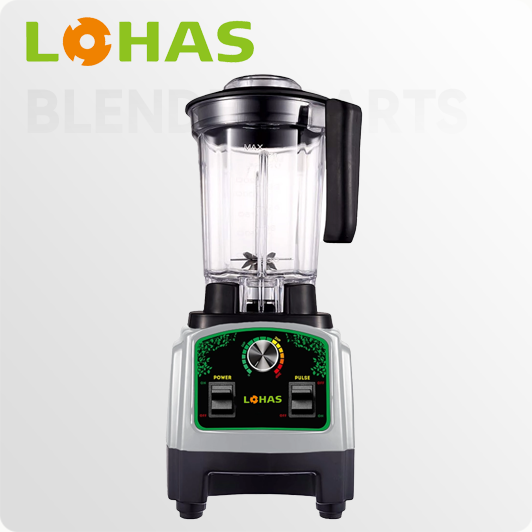
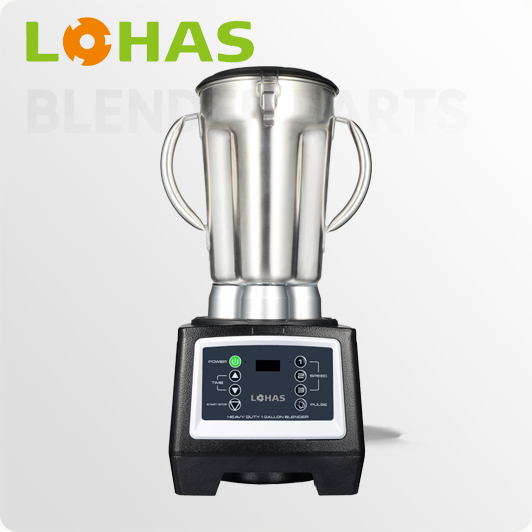
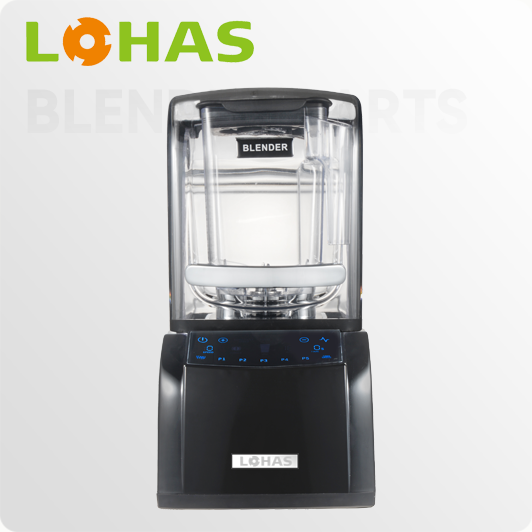

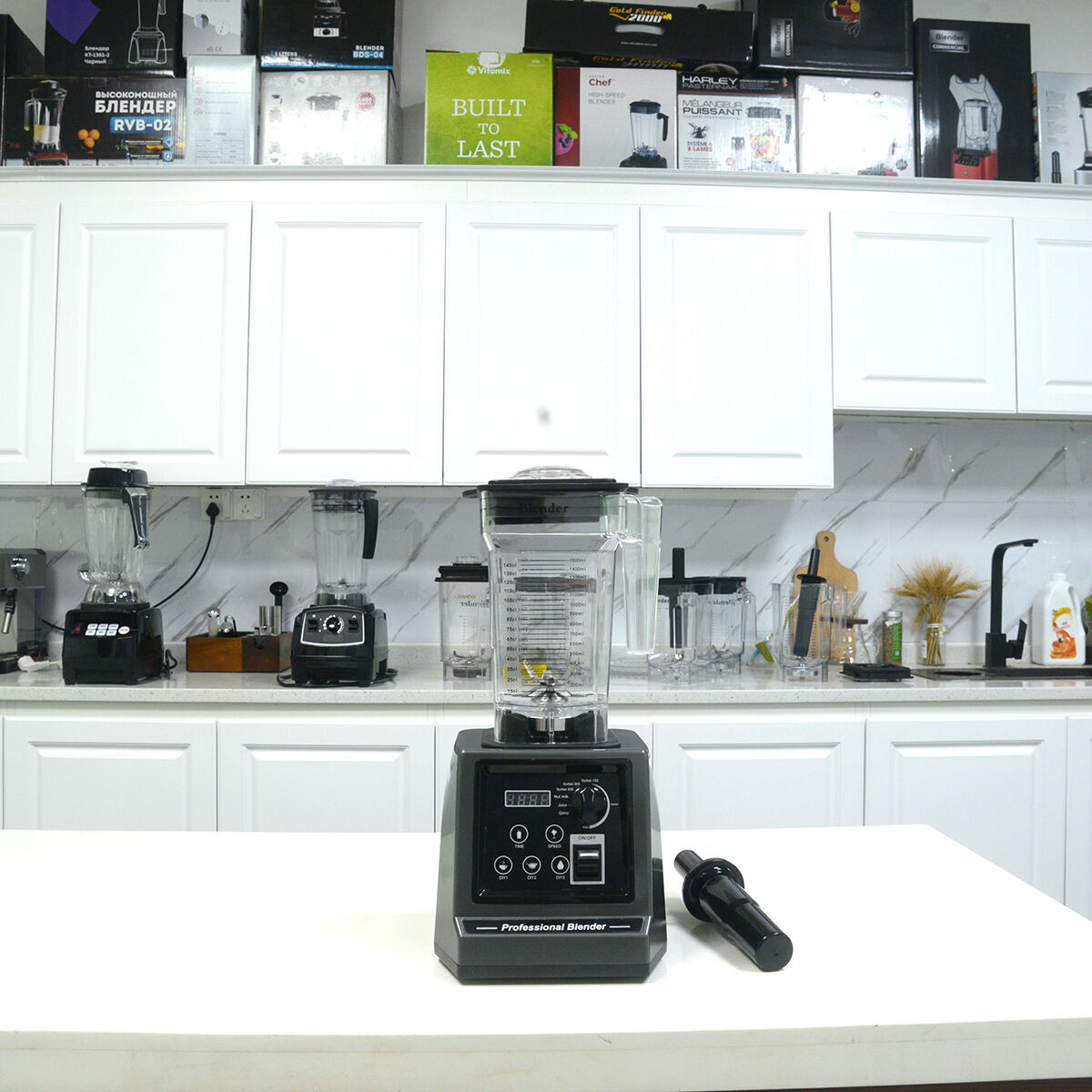
When selecting a heavy duty blender for commercial kitchens or high-volume food preparation, the debate between raw power and precise control represents one of the most critical decisions affecting operational efficiency and food quality. While marketing materials often emphasize horsepower ratings and wattage specifications, experienced food service professionals understand that the relationship between power and control determines whether a heavy duty blender delivers consistent results or becomes a source of frustration in demanding environments.
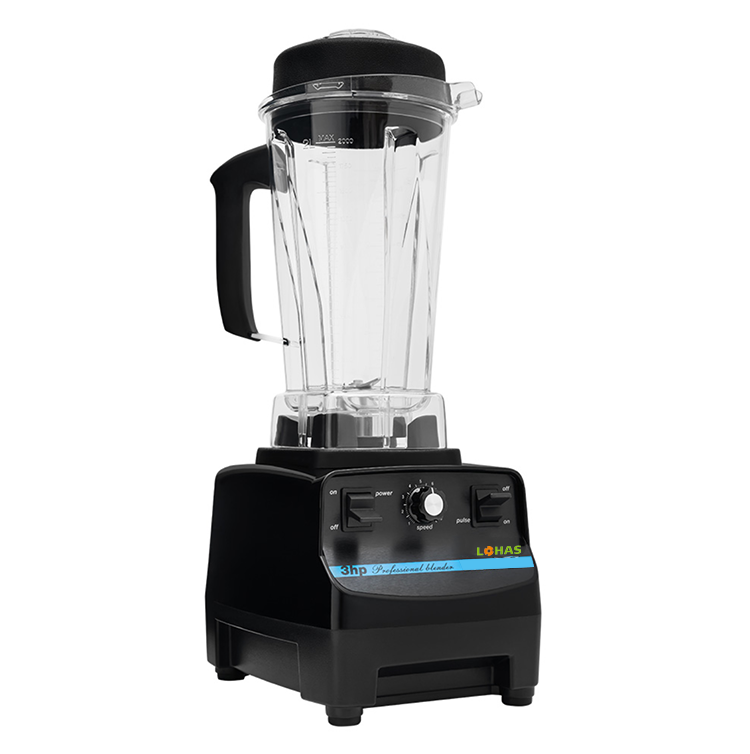
The answer to whether power or control matters more in a heavy duty blender depends entirely on your specific operational requirements, ingredient types, and production workflow. High-powered motors exceeding 1500 watts provide the brute force necessary for crushing ice, processing fibrous vegetables, and handling continuous operation cycles, while sophisticated control systems ensure repeatable results and prevent over-processing that can compromise texture and nutritional value. Understanding how these two elements work together rather than compete helps operators make informed decisions that align with their actual blending needs.
The Power Perspective in Heavy Duty Blending Operations
Raw Motor Specifications and Performance Impact
Motor power in a heavy duty blender directly influences the unit's ability to process challenging ingredients and maintain consistent blade speed under load. Commercial-grade heavy duty blender models typically feature motors ranging from 1200 watts to over 3000 watts, with the higher specifications enabling faster processing times and more effective handling of dense or frozen ingredients. The relationship between wattage and actual blending performance involves multiple factors including motor efficiency, blade design, and jar geometry that work together to convert electrical power into mechanical blending force.
Peak horsepower ratings often cited in heavy duty blender specifications can mislead operators who assume higher numbers automatically translate to superior performance. True continuous-duty power ratings provide more accurate insights into sustained performance capabilities, particularly important in commercial environments where the heavy duty blender operates for extended periods without cooling breaks. Motors designed for continuous operation typically incorporate advanced cooling systems and robust internal components that prevent thermal overload during intensive blending cycles.
Power delivery consistency affects ingredient processing quality more significantly than peak power bursts, especially when working with temperature-sensitive ingredients or achieving specific texture requirements. A well-engineered heavy duty blender maintains steady torque delivery even when processing thick mixtures or fibrous materials, preventing the speed fluctuations that can result in uneven particle sizes or incomplete blending. This consistency becomes particularly crucial in production environments where recipe standardization and batch-to-batch uniformity directly impact product quality and customer satisfaction.
Thermal Management and Continuous Operation
High-power heavy duty blender motors generate substantial heat during operation, making thermal management systems essential for maintaining performance and preventing premature equipment failure. Advanced cooling mechanisms including internal fans, heat sinks, and ventilation designs allow powerful motors to operate continuously without thermal shutdown or performance degradation. The ability to sustain full power output during extended blending sessions distinguishes professional-grade heavy duty blender units from consumer models that rely on intermittent operation cycles.
Motor housing materials and ventilation patterns significantly influence thermal performance in heavy duty blender applications. Cast aluminum housings with integrated cooling fins dissipate heat more effectively than plastic enclosures, while strategically placed air intake and exhaust ports ensure adequate airflow around critical components. These thermal management features enable commercial operators to maintain consistent blending power throughout busy service periods without forced cooling breaks that disrupt workflow efficiency.
Temperature monitoring systems in advanced heavy duty blender models provide automatic protection against overheating while alerting operators to potential maintenance needs before costly failures occur. Smart thermal controls can reduce power output temporarily during extreme conditions rather than shutting down completely, allowing continued operation at reduced capacity when full power availability would cause thermal damage. This intelligent approach to power management extends equipment lifespan while maintaining operational reliability in demanding commercial environments.
Control Systems and Precision in Professional Blending
Variable Speed Technology and Application Flexibility
Sophisticated speed control systems in a heavy duty blender enable operators to match blending intensity precisely to ingredient requirements and desired texture outcomes. Variable speed controllers provide smooth transitions between low-speed mixing and high-speed pulverization, allowing gradual acceleration that prevents ingredient splashing and ensures thorough incorporation of all components. This precise control capability becomes essential when working with delicate ingredients that require gentle handling or when creating specific texture profiles that demand exact speed parameters.
Electronic speed control systems offer superior accuracy compared to mechanical variable drives, providing consistent RPM delivery regardless of ingredient load variations. Digital controllers in advanced heavy duty blender models can maintain preset speeds within tight tolerances even when processing thick mixtures or encountering temporary resistance from large ingredients. This precision enables operators to develop standardized blending protocols that produce identical results across multiple batches, crucial for maintaining product consistency in commercial food production.
Programmable speed profiles allow operators to create custom blending cycles that automatically adjust speed parameters throughout the processing sequence. These automated programs can begin with gentle mixing speeds to incorporate ingredients without air entrapment, progress through medium speeds for initial breakdown, and finish with high-speed pulses for final texture refinement. Such sophisticated control eliminates operator guesswork while ensuring optimal results for specific recipe requirements in busy commercial kitchens.
Pulse Functions and Texture Management
Advanced pulse control systems provide precise burst timing that prevents over-processing while achieving optimal ingredient breakdown in heavy duty blender applications. Programmable pulse intervals allow operators to control exactly how long high-speed bursts operate and how much recovery time occurs between pulses, enabling fine texture control that continuous blending cannot achieve. This capability proves particularly valuable when processing ingredients that can quickly transition from properly chopped to over-processed paste with minimal additional blending time.
Multiple pulse pattern options in sophisticated heavy duty blender models accommodate different ingredient types and texture requirements within the same unit. Quick pulses work effectively for chopping vegetables or incorporating chunks, while longer pulse durations suit ice crushing or frozen ingredient processing. The ability to customize pulse timing and intensity provides operators with tools for achieving specific texture outcomes without requiring multiple specialized appliances.
Automatic pulse programs can be configured to execute complex blending sequences that would be difficult to replicate manually, ensuring consistent results even when operated by different staff members. These programmable functions eliminate timing variations that occur with manual pulse operation while providing the precise control necessary for achieving professional-quality results in commercial food preparation environments. The combination of automated timing with operator-adjustable parameters offers the ideal balance between consistency and flexibility.
Balancing Power and Control for Optimal Performance
Application-Specific Requirements Analysis
Different food preparation applications require varying combinations of power and control capabilities in a heavy duty blender, making universal recommendations impractical without considering specific operational needs. Smoothie and juice operations typically prioritize high power for ice crushing and fibrous fruit processing, while sauce and puree production demands precise control for achieving consistent texture without over-processing. Understanding these application-specific requirements helps operators select heavy duty blender configurations that excel in their particular use cases rather than compromising performance across multiple functions.
Volume requirements significantly influence the optimal power-to-control ratio in heavy duty blender selection, with high-volume operations often benefiting from maximum power capabilities that reduce processing time per batch. However, operations focused on premium products or specialized preparations may find that advanced control systems provide greater value through improved quality consistency and reduced ingredient waste. The key lies in matching heavy duty blender capabilities to actual operational priorities rather than assuming that maximum specifications automatically provide optimal results.
Ingredient diversity considerations affect the relative importance of power versus control in heavy duty blender applications, with facilities processing wide ingredient ranges requiring balanced capabilities across both performance dimensions. Operations specializing in specific product categories can optimize for either power or control based on their dominant processing requirements. This targeted approach often delivers better results than attempting to find universal solutions that may excel in neither specific application area.
Integration with Workflow and Training Requirements
The complexity of control systems in a heavy duty blender directly impacts training requirements and operational efficiency, with more sophisticated controls requiring greater operator familiarity to achieve optimal results. Simple power-focused designs may offer easier staff training but limit the precision available for achieving consistent quality outcomes. Conversely, advanced control systems provide superior capability but require investment in proper training to realize their full potential in commercial operations.
Workflow integration capabilities determine how effectively a heavy duty blender balances power and control within existing operational procedures, with programmable functions and preset cycles offering advantages in high-volume environments where consistency and speed both matter. Manual control options remain important for accommodating special requests or adjusting for ingredient variations that automated systems might not handle optimally. The most effective heavy duty blender solutions provide both automated efficiency and manual override capabilities.
Staff skill levels and turnover rates influence the practical value of advanced control systems versus simplified high-power operations in heavy duty blender applications. Establishments with experienced operators and low turnover can leverage sophisticated control features effectively, while high-turnover environments may benefit more from straightforward power-focused designs that minimize training requirements. Matching control complexity to operational reality ensures that advanced features enhance rather than complicate daily operations.
Long-term Performance and Maintenance Considerations
Durability Implications of Power versus Control Design
High-power heavy duty blender motors typically incorporate robust construction elements that contribute to extended operational life, including heavy-duty bearings, reinforced drive systems, and oversized electrical components designed to handle continuous duty cycles. However, the increased complexity of advanced control systems introduces additional electronic components that may require specialized maintenance or replacement over the equipment's service life. Understanding these durability trade-offs helps operators make informed decisions about long-term ownership costs beyond initial purchase considerations.
Mechanical simplicity in power-focused heavy duty blender designs often translates to easier field maintenance and reduced dependency on specialized service technicians for routine repairs. Electronic control systems, while providing superior operational capabilities, may require factory service or certified technician intervention for complex failures that mechanical systems can often accommodate through standard maintenance procedures. This consideration becomes particularly important in remote locations or operations with limited access to specialized technical support.
Component wear patterns differ significantly between power-optimized and control-focused heavy duty blender designs, with high-power units typically experiencing greater mechanical stress on drive components while control-heavy systems may face electronic component degradation over extended use periods. Regular maintenance requirements and replacement part availability should factor into long-term cost calculations, particularly for high-volume operations where equipment downtime directly impacts revenue generation and operational efficiency.
Upgrade Pathways and Future-Proofing
Technology advancement rates in motor power versus control systems create different upgrade considerations for heavy duty blender investments, with control technology typically evolving more rapidly than motor power capabilities. Electronic control systems may offer firmware update possibilities that extend equipment capabilities without hardware replacement, while power improvements generally require complete motor or unit replacement. These different upgrade pathways influence the long-term value proposition of power-focused versus control-optimized heavy duty blender selections.
Modular design approaches in some advanced heavy duty blender models allow independent upgrades of power or control systems without complete unit replacement, providing flexibility for adapting to changing operational requirements over the equipment's service life. This modularity can justify higher initial investments in sophisticated control systems by enabling power upgrades as operational needs expand or technology advances. Evaluating upgrade potential helps operators select heavy duty blender solutions that can adapt to future requirements rather than becoming obsolete as operations evolve.
Industry trend analysis suggests increasing integration of smart control features in heavy duty blender design, with connectivity, monitoring, and automation capabilities becoming standard expectations in professional food service equipment. Operations investing in control-advanced systems today position themselves to leverage future technological developments, while power-focused selections may require more substantial upgrades to access emerging capabilities. This forward-looking perspective can influence the power-versus-control decision for operators planning extended equipment service lives.
FAQ
What horsepower rating should I look for in a heavy duty blender for commercial use?
Commercial heavy duty blender applications typically require motors between 2 to 4 horsepower for optimal performance, though the specific requirement depends on your processing volume and ingredient types. Higher horsepower ratings provide better performance with frozen ingredients and dense mixtures, but the motor's continuous duty rating and thermal management capabilities matter more than peak horsepower claims for sustained commercial operation.
How important are variable speed controls compared to just having maximum power?
Variable speed controls become essential when processing diverse ingredients or achieving specific texture requirements that maximum power alone cannot deliver. While high power handles tough ingredients effectively, precise speed control prevents over-processing, reduces ingredient waste, and enables consistent results across different recipes. The ideal heavy duty blender combines adequate power with sophisticated speed management for optimal versatility.
Can a high-powered heavy duty blender operate continuously without speed controls?
High-powered heavy duty blender units can operate continuously, but without speed controls, operators lose the ability to match processing intensity to ingredient requirements, potentially resulting in over-processed products or unnecessary energy consumption. Continuous operation at maximum power also generates more heat and mechanical stress than variable speed operation, potentially reducing equipment lifespan and increasing maintenance requirements.
What maintenance differences exist between power-focused and control-advanced heavy duty blenders?
Power-focused heavy duty blender designs typically require more frequent mechanical maintenance on motors, bearings, and drive components due to higher operational stresses, while control-advanced models may need periodic electronic system updates or sensor calibration. However, sophisticated control systems often include diagnostic capabilities that identify maintenance needs early, potentially reducing unexpected failures and extending overall equipment life through predictive maintenance scheduling.
Table of Contents
- The Power Perspective in Heavy Duty Blending Operations
- Control Systems and Precision in Professional Blending
- Balancing Power and Control for Optimal Performance
- Long-term Performance and Maintenance Considerations
-
FAQ
- What horsepower rating should I look for in a heavy duty blender for commercial use?
- How important are variable speed controls compared to just having maximum power?
- Can a high-powered heavy duty blender operate continuously without speed controls?
- What maintenance differences exist between power-focused and control-advanced heavy duty blenders?