 EN
EN


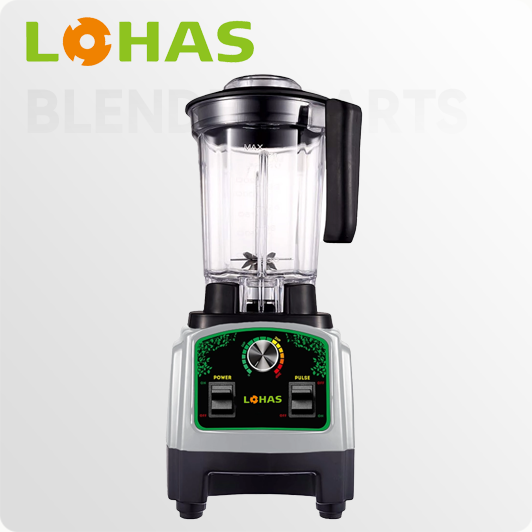
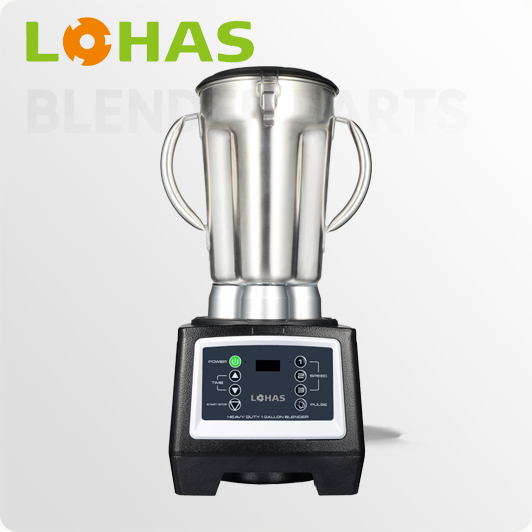
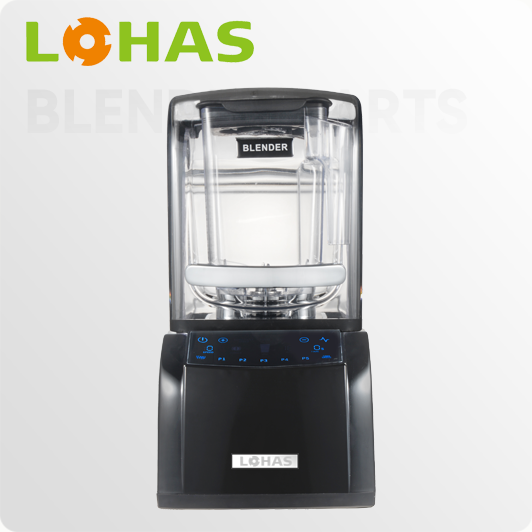

Understanding noise levels in kitchen appliances has become increasingly important for both commercial and residential users. When evaluating a heavy duty blender, sound output directly impacts user experience, workplace compliance, and customer satisfaction. The acoustic performance of these powerful machines varies significantly based on motor design, housing materials, and operational mechanisms, making noise comparison a critical factor in purchasing decisions.
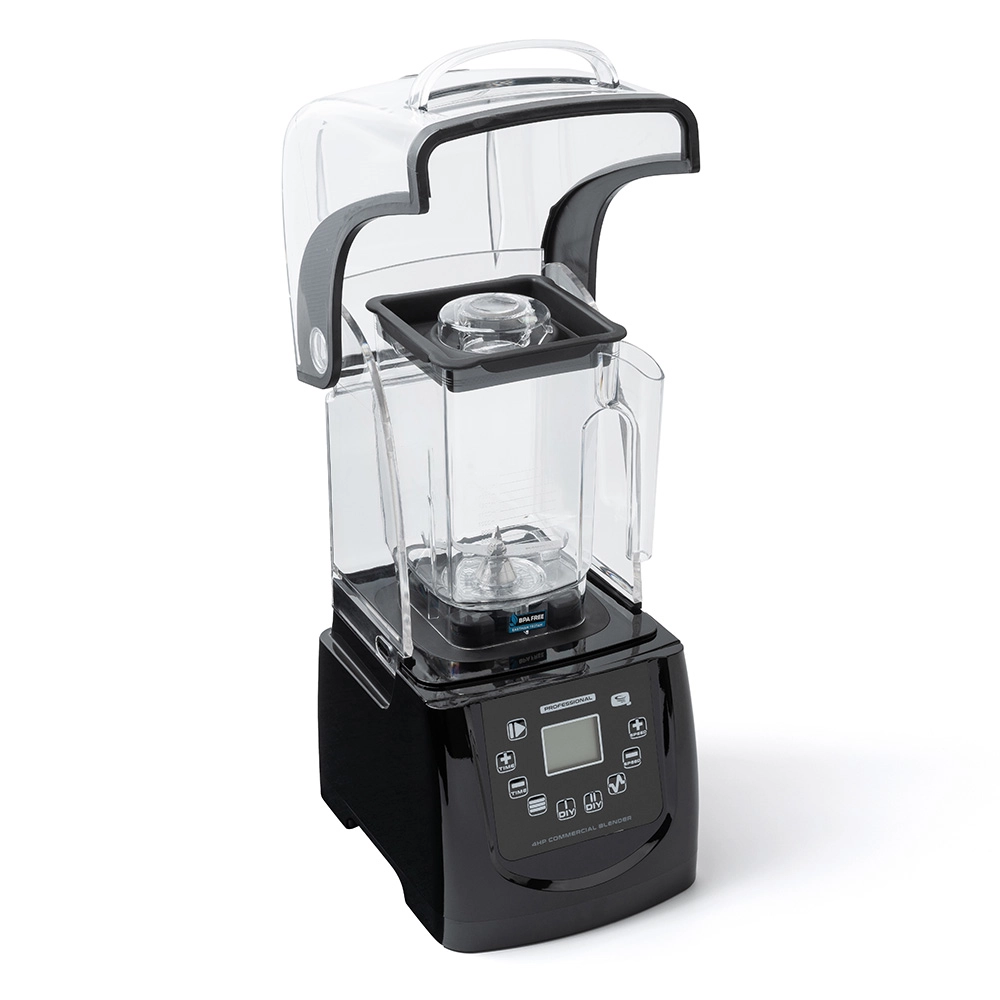
Professional food service environments and health-conscious consumers require reliable performance without excessive noise disruption. A heavy duty blender typically operates at higher decibel levels than standard household models due to increased motor power and blade speed requirements. However, modern engineering approaches have introduced sound dampening technologies and design innovations that significantly reduce operational noise while maintaining blending efficiency and durability standards.
Decibel Range Analysis in Heavy Duty Blending Systems
Standard Operating Sound Levels
Most heavy duty blender models generate between 85 to 95 decibels during typical operation, which falls within the range of moderate to loud environmental noise. This sound level compares to busy city traffic or a garbage disposal unit running at full capacity. The variation in decibel output depends heavily on motor specifications, with higher horsepower units generally producing more acoustic energy during blending cycles.
Commercial-grade heavy duty blender units often reach peak noise levels of 90 to 100 decibels when processing dense ingredients or operating at maximum speed settings. These measurements represent the upper threshold of acceptable workplace noise in many jurisdictions, requiring consideration of usage duration and frequency to maintain compliance with occupational safety standards.
The acoustic signature of a heavy duty blender also varies throughout the blending cycle, with initial startup and final processing stages typically generating higher decibel readings. Understanding these fluctuation patterns helps users anticipate noise exposure and implement appropriate mitigation strategies in sensitive environments.
Comparative Noise Measurement Standards
Industry testing protocols measure heavy duty blender noise levels using standardized conditions including specific ingredient loads, ambient temperature ranges, and microphone positioning requirements. These controlled testing environments ensure consistent comparison data across different models and manufacturers, though real-world performance may vary based on installation conditions and usage patterns.
Professional kitchen equipment ratings typically reference A-weighted decibel measurements, which account for human hearing sensitivity across different frequency ranges. This measurement approach provides more meaningful noise comparison data for users evaluating the practical impact of a heavy duty blender in their specific operating environment.
Sound level variations occur not only between different heavy duty blender models but also within the same unit depending on ingredient density, container fill level, and blade configuration. Dense frozen ingredients generally produce higher noise levels than liquid-based mixtures, while overfilled containers can create additional acoustic resonance effects.
Engineering Factors Affecting Acoustic Performance
Motor Design and Sound Generation
The motor assembly represents the primary noise source in any heavy duty blender, with brushed and brushless motor designs producing distinctly different acoustic profiles. Brushless motors typically generate more consistent, lower-frequency sound patterns, while brushed motors may produce higher-pitched operational noise with greater variation during speed transitions.
Motor mounting systems significantly influence overall noise transmission from the power unit to the surrounding environment. Quality heavy duty blender designs incorporate vibration isolation materials and strategic motor positioning to minimize sound transfer through the base housing and work surface contact points.
Variable speed control mechanisms also affect noise generation patterns, with electronic speed controllers often producing smoother acoustic transitions compared to mechanical speed adjustment systems. Advanced heavy duty blender models may include soft-start features that reduce initial noise spikes during operation initiation.
Housing Materials and Sound Dampening
The construction materials used in heavy duty blender housings play a crucial role in sound absorption and reflection characteristics. Dense plastic composites and metal housings with internal sound dampening materials can reduce transmitted noise levels by 5 to 10 decibels compared to basic housing designs without acoustic treatment.
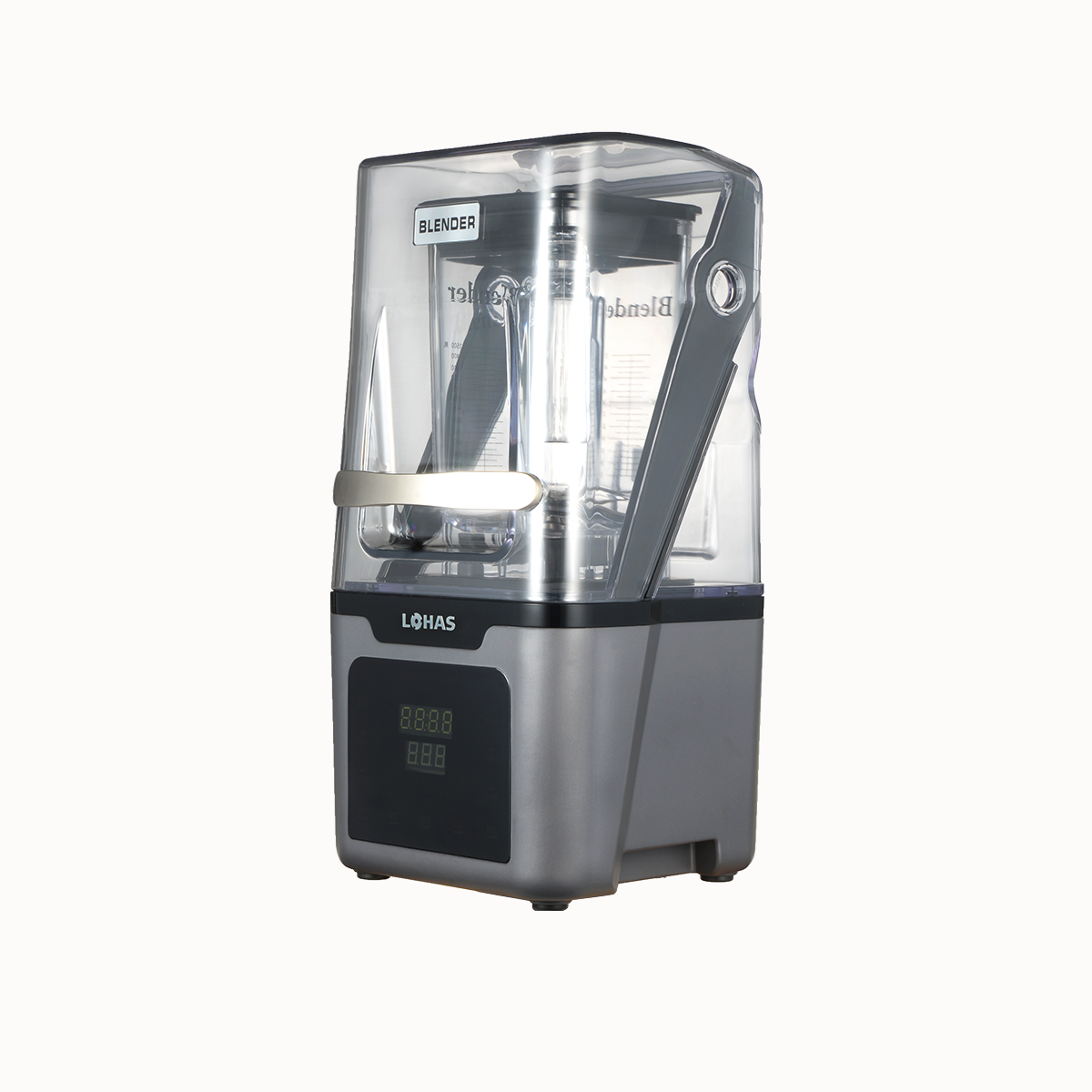
Sound enclosure systems represent an advanced approach to noise reduction in professional heavy duty blender applications. These specialized housings can achieve noise reduction of 15 to 25 decibels, bringing operational sound levels down to conversational ranges while maintaining full blending functionality and user accessibility.
Base design geometry affects both vibration dampening and acoustic resonance characteristics in heavy duty blender operation. Wider, heavier bases typically provide better sound isolation, while specialized rubber feet or anti-vibration pads can further reduce noise transmission to work surfaces and surrounding structures.
Operational Variables Influencing Noise Output
Ingredient Characteristics and Sound Impact
Different ingredient types create varying acoustic signatures when processed in a heavy duty blender, with frozen fruits and ice producing sharp, intermittent noise spikes as blade contact occurs. Dense vegetables and nuts generate more consistent grinding sounds, while liquid-based ingredients typically result in the lowest overall noise levels during processing.
Container fill levels directly correlate with noise generation patterns, as partially filled containers allow ingredients to impact container walls more frequently, creating additional acoustic energy. Optimal fill levels for noise reduction typically range from 60 to 80 percent of container capacity, balancing efficient blending action with sound management considerations.
Ingredient temperature affects both blending resistance and resulting noise levels, with frozen or very cold ingredients requiring more motor power and generating higher decibel outputs. Room temperature ingredients generally blend more quietly and efficiently in most heavy duty blender applications.
Speed Settings and Duration Effects
Variable speed operation allows users to optimize noise levels for specific blending tasks, with lower speed settings producing significantly reduced sound output while maintaining effective processing for many ingredient combinations. Progressive speed increase techniques can minimize peak noise events while achieving desired blending results.
Pulse operation modes offer another noise management strategy for heavy duty blender users, allowing intermittent high-power processing with quiet intervals between blending cycles. This approach can reduce overall noise exposure while maintaining processing efficiency for texture-sensitive applications.
Extended operation duration considerations become important in commercial environments where continuous heavy duty blender use may exceed workplace noise exposure limits. Scheduling blending activities during appropriate time periods and implementing user rotation can help manage cumulative noise exposure in professional kitchen environments.
Environmental Context and Noise Management
Commercial Kitchen Considerations
Professional food service environments must balance heavy duty blender performance requirements with staff comfort and regulatory compliance regarding workplace noise exposure. Commercial kitchen layouts can incorporate acoustic planning to position high-noise equipment away from communication-critical areas while maintaining operational efficiency.
Ambient noise levels in busy commercial kitchens often range from 75 to 85 decibels, meaning heavy duty blender operation adds significant acoustic energy to an already noisy environment. Strategic timing of blending activities can minimize cumulative noise impact during peak service periods.
Staff training programs should include proper heavy duty blender operation techniques that optimize both performance and noise management, including ingredient preparation methods, optimal speed selection, and maintenance practices that prevent noise-generating mechanical issues.
Residential Application Factors
Home users of heavy duty blender equipment must consider household noise tolerance levels, particularly during early morning or late evening usage periods. Sound transmission through residential construction varies significantly, with apartment buildings and townhomes requiring greater noise consideration than detached homes.
Kitchen placement strategies can help minimize heavy duty blender noise impact in residential settings, with sound-absorbing surfaces, distance from bedrooms, and strategic timing reducing disturbance to household members and neighbors. Counter placement away from shared walls and over sound-dampening materials provides additional noise reduction benefits.
Modern heavy duty blender models designed for home use often incorporate enhanced sound management features specifically addressing residential noise concerns while maintaining commercial-grade performance capabilities. These design improvements make powerful blending technology more accessible for home kitchen applications.
FAQ
What is considered an acceptable noise level for a heavy duty blender in commercial use?
Commercial heavy duty blender noise levels between 85 to 95 decibels are generally acceptable for professional kitchen environments, provided usage duration and frequency comply with occupational safety guidelines. Sound levels above 95 decibels may require hearing protection or operational time limits depending on local workplace safety regulations.
How do sound enclosures affect heavy duty blender performance and accessibility?
Professional sound enclosures can reduce heavy duty blender noise by 15 to 25 decibels while maintaining full operational access and performance capabilities. These systems typically feature hinged or removable covers that allow normal ingredient loading and container access while providing significant noise reduction during operation.
Can regular maintenance reduce noise levels in heavy duty blender operation?
Proper maintenance including blade sharpening, motor lubrication, and housing inspection can prevent noise-generating mechanical issues and maintain optimal acoustic performance in heavy duty blender equipment. Worn components often create additional vibration and sound that exceeds manufacturer specifications for noise output.
Do ingredient preparation techniques affect heavy duty blender noise levels?
Pre-cutting dense ingredients, using room temperature components when possible, and proper ingredient sequencing can significantly reduce peak noise levels during heavy duty blender operation. These preparation strategies optimize blending efficiency while minimizing the acoustic impact of high-power processing cycles.
Table of Contents
- Decibel Range Analysis in Heavy Duty Blending Systems
- Engineering Factors Affecting Acoustic Performance
- Operational Variables Influencing Noise Output
- Environmental Context and Noise Management
-
FAQ
- What is considered an acceptable noise level for a heavy duty blender in commercial use?
- How do sound enclosures affect heavy duty blender performance and accessibility?
- Can regular maintenance reduce noise levels in heavy duty blender operation?
- Do ingredient preparation techniques affect heavy duty blender noise levels?