 EN
EN


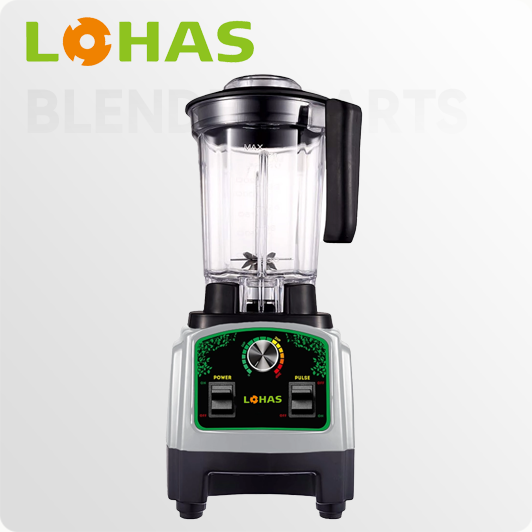
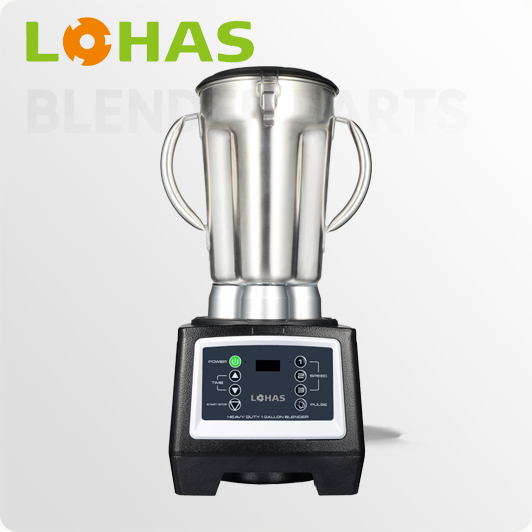
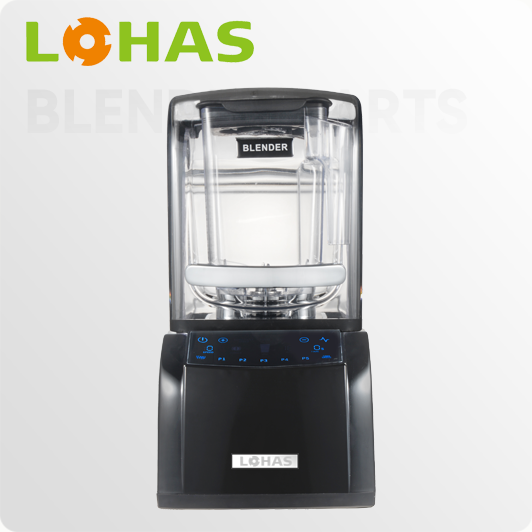

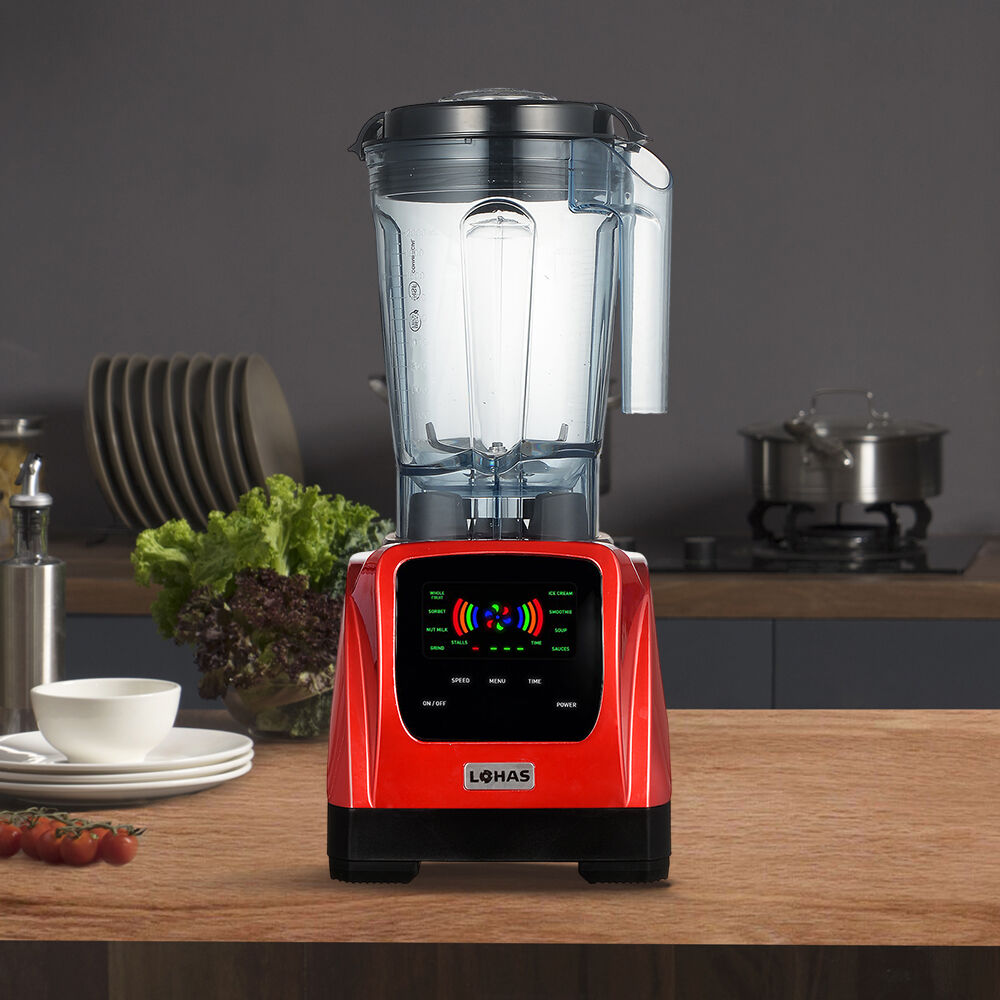
In high-volume commercial environments such as restaurants, smoothie bars, cafes, and institutional kitchens, equipment reliability directly impacts operational efficiency and customer satisfaction. Among the most essential appliances, a heavy duty commercial blender serves as the workhorse for countless food preparation tasks, from blending soups and sauces to creating smoothies and purees. However, the true measure of a commercial blender's value lies not merely in its motor power or blade sharpness, but in its stability under continuous, demanding use. When a blender lacks proper stability, the consequences extend beyond inconvenience—they include safety hazards, inconsistent product quality, equipment damage, and costly operational disruptions that busy kitchens simply cannot afford.
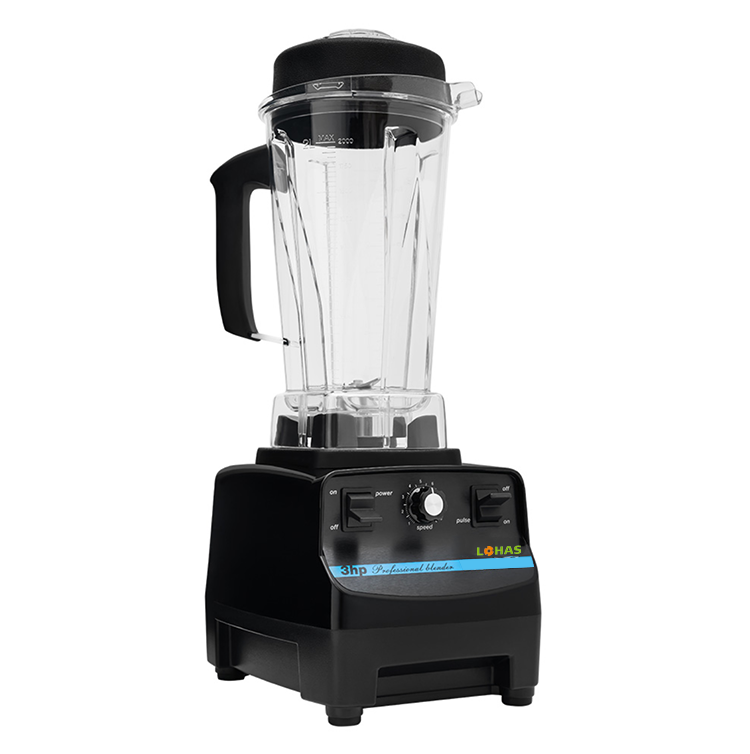
Stability in a commercial blending context encompasses multiple dimensions: physical balance during operation, vibration control, resistance to movement across work surfaces, structural integrity under thermal and mechanical stress, and consistent performance across extended duty cycles. This article examines the critical factors that determine heavy duty commercial blender stability in busy kitchen environments, explores the engineering principles behind stable blender design, identifies common stability challenges operators face, and provides practical guidance for selecting and maintaining blenders that deliver reliable performance when kitchen demands are highest. Understanding these stability factors enables foodservice professionals to make informed equipment investments that protect both their staff and their bottom line.
Engineering Foundations of Commercial Blender Stability
Base Design and Weight Distribution Principles
The foundation of any stable heavy duty commercial blender begins with its base design and weight distribution strategy. Commercial blenders designed for professional environments typically feature wider, heavier bases constructed from die-cast metal alloys rather than lightweight plastics. This deliberate mass concentration at the bottom creates a low center of gravity that resists tipping forces generated during high-speed blending operations. Engineering principles dictate that stability increases proportionally to base width and inversely to the height of the center of mass, which explains why professional-grade blenders often appear stockier than consumer models.
Beyond simple mass, the geometry of the base matters considerably. Well-engineered commercial blenders incorporate flared or stepped base designs that increase the footprint without adding unnecessary bulk to the upper housing. This widened stance distributes reactive forces over a larger surface area, reducing pressure concentration at any single contact point. Premium models also feature precision-machined contact surfaces that maximize friction with countertops, preventing the gradual walking or shifting that occurs when blenders operate on smooth stainless steel prep surfaces common in commercial kitchens.
Material selection for the base housing directly impacts both weight distribution and durability. High-quality heavy duty commercial blender bases utilize zinc alloy or aluminum die-casting processes that create dense, vibration-dampening structures. These materials provide necessary mass while maintaining reasonable portability for cleaning and repositioning. The internal architecture of the base also contributes to stability through strategic placement of the motor assembly, drive coupling, and electrical components to optimize the center of gravity position relative to the blending container's operating dynamics.
Vibration Dampening and Motor Mounting Systems
Vibration represents one of the most significant stability challenges for commercial blenders operating at high speeds with dense or chunky ingredients. The rotational forces generated by powerful motors spinning at speeds exceeding twenty thousand revolutions per minute create substantial vibrational energy that must be controlled to maintain stability. Advanced commercial blenders incorporate multi-stage vibration isolation systems that decouple the motor assembly from the exterior housing, preventing energy transfer that would otherwise cause the entire unit to shake or walk across the counter.
Motor mounting systems in professional-grade heavy duty commercial blender models typically employ rubber isolation mounts or spring-damped suspensions that absorb oscillatory motion. These mounting strategies function similarly to automotive suspension systems, allowing the motor to vibrate within controlled parameters while the base remains relatively stationary. The effectiveness of these systems depends on proper engineering of the elastomeric materials used—compounds must provide sufficient compliance to absorb vibration while maintaining structural rigidity under continuous thermal cycling and mechanical stress.
The coupling mechanism connecting the motor shaft to the blade assembly also plays a critical role in vibration management. Direct-drive systems that eliminate belts and gears reduce complexity but transmit more vibrational energy unless properly isolated. Conversely, gear-reduction systems can introduce additional vibration sources if gears are not precisely machined or become worn. High-quality commercial blenders balance these trade-offs through precision manufacturing tolerances and periodic maintenance protocols that ensure drive components remain properly aligned and balanced throughout the equipment's service life.
Container and Coupling Interface Stability
The interface between the blending container and the base represents a critical stability junction that must securely lock while allowing repeated attachment and removal throughout service periods. Professional heavy duty commercial blender systems utilize various locking mechanisms including threaded collars, cam-lock systems, and precision-fit tapered seats. Each approach offers distinct advantages for stability—threaded systems provide the most secure mechanical connection but require more time for container changes, while cam-lock designs enable rapid container swaps but depend on proper engagement to prevent loosening during operation.
The geometry of the container itself significantly influences overall blender stability. Containers with lower centers of gravity and wider bases inherently provide more stable operation, particularly when processing unbalanced loads or chunky ingredients that create asymmetric forces during blending. Container capacity must be matched appropriately to base stability characteristics—oversized containers on undersized bases create top-heavy configurations prone to tipping, especially when filled near capacity with heavy ingredients like frozen fruit or ice.
Material choices for containers also affect stability dynamics. While polycarbonate containers offer excellent impact resistance and clarity, stainless steel containers provide additional mass that can enhance overall stability during high-speed operation. The trade-off involves weight considerations for staff handling and cleaning, balanced against the stability benefits of heavier containers. Premium commercial blenders often offer multiple container options, allowing operators to select the most appropriate container type for specific menu applications and stability requirements in their particular kitchen environment.
Operational Factors Affecting Blender Stability in Commercial Settings
Load Characteristics and Ingredient Dynamics
The contents being processed exert tremendous influence on heavy duty commercial blender stability during operation. Homogeneous liquids create relatively balanced loads that generate predictable forces, while chunky mixtures with large solid pieces create dynamic, asymmetric forces as ingredients tumble and reposition within the container. When large chunks momentarily lodge against the rotating blades, instantaneous torque spikes occur that can cause the entire blender to lurch or shift if the base lacks sufficient mass and friction to counteract these forces.
Ice represents one of the most challenging ingredients for blender stability due to its hardness, irregular shapes, and tendency to form temporary blockages. As ice chunks break down during blending, the load characteristics change continuously from discrete solid pieces to slush to liquid, each phase presenting different stability challenges. Professional smoothie operations running continuous ice-based drinks throughout peak hours place extraordinary demands on blender stability systems, as the repetitive shock loads and sustained vibration can gradually fatigue mounting systems and loosen components.
Container fill level dramatically affects stability characteristics. Underfilled containers allow ingredients more freedom to move, potentially creating unbalanced loads that cause erratic behavior. Overfilled containers increase the center of gravity height and add mass above the base, both of which reduce stability margins. Manufacturers typically specify optimal fill ranges for their heavy duty commercial blender models, and operators who consistently work within these parameters experience fewer stability-related issues and more consistent blending results.
Operational Speed and Duty Cycle Considerations
Blending speed directly correlates with the magnitude of forces that stability systems must counteract. Variable-speed commercial blenders allow operators to start at lower speeds where forces are more manageable, then gradually increase to high speeds once ingredients have begun to break down and form more homogeneous mixtures. This ramping approach reduces peak stress on stability components and extends equipment service life compared to always operating at maximum speed regardless of the task requirements.
Duty cycle refers to the pattern of operation and rest periods throughout a service shift. Continuous operation generates heat in motor windings, bearings, and drive components, which can affect the material properties of vibration isolation mounts and structural adhesives. As these components warm, they may become more compliant, slightly reducing stability performance. High-quality heavy duty commercial blender designs account for thermal effects through material selection and cooling provisions that maintain consistent stability characteristics across extended duty cycles typical of busy commercial kitchens.
Pulse operation, where the blender runs in short bursts rather than continuously, creates repeated acceleration and deceleration cycles that stress stability systems differently than sustained operation. The starting torque during each pulse can momentarily exceed steady-state forces, and the repetitive nature of pulsing can resonate with natural frequencies of mounting systems if not properly engineered. Professional operators benefit from understanding how their specific blending techniques interact with their equipment's stability characteristics, adjusting their approach when necessary to optimize both performance and equipment longevity.
Work Surface and Environmental Conditions
The surface on which a commercial blender operates fundamentally impacts its stability performance. Stainless steel prep tables, while ideal for sanitation, present smooth surfaces with relatively low friction coefficients. Worn or polished steel surfaces become even more slippery over time, particularly when wet from spills or condensation. Blenders operating on such surfaces require either significant base mass, dedicated non-slip feet, or physical securing methods to prevent movement during operation. Some commercial kitchens install blenders on dedicated stations with textured or rubberized surface treatments that enhance friction.
Countertop levelness affects stability in ways that may not be immediately apparent. Even slight slopes can create directional bias in the forces acting on a heavy duty commercial blender during operation, causing it to gradually walk in the downhill direction. Leveling becomes particularly important for in-counter installations or custom blender stations. Professional kitchen equipment installers routinely check and adjust level during equipment placement, and periodic verification should be part of ongoing maintenance protocols, especially in facilities where floor settling or building movement may occur over time.
Environmental factors including temperature extremes, humidity, and exposure to liquids and cleaning chemicals can degrade stability components over time. Rubber isolation mounts may harden or crack when exposed to temperature cycling or chemical cleaners, reducing their vibration-dampening effectiveness. Structural adhesives used in base assembly may weaken with sustained heat exposure or when repeatedly wetted and dried. Regular inspection of stability-critical components allows early detection of degradation before it progresses to the point of affecting operational performance or safety.
Safety and Performance Implications of Inadequate Stability
Personnel Safety Risks and Injury Prevention
Unstable blenders present genuine safety hazards in fast-paced commercial kitchens where staff work quickly and may not always maintain full attention on individual pieces of equipment. A blender that walks across a counter during operation can fall from the edge, potentially causing serious injury from the falling unit itself or from hot contents spilling during the fall. Even minor instability that causes a blender to shift position unexpectedly can startle operators, leading to spills, burns from hot ingredients, or cuts from attempting to steady the unit while blades are spinning.
Container ejection represents one of the most serious stability-related hazards. If the coupling interface between container and base loosens during operation due to vibration or inadequate locking, the spinning blades can launch the container upward or sideways with tremendous force. Such incidents have caused severe injuries in commercial settings, and they almost invariably result from either improper container installation or worn coupling components that no longer secure the container adequately. Proper heavy duty commercial blender stability systems include fail-safe mechanisms that prevent motor operation unless the container is correctly seated and locked.
Repetitive strain injuries can also result from poor blender stability. When operators must constantly steady an unstable unit or exert force to prevent it from walking across the counter, they develop chronic strain in hands, wrists, and arms. Over time, these repetitive stress patterns contribute to musculoskeletal disorders that reduce productivity and increase workers' compensation costs. Investing in properly stable commercial blending equipment protects staff health while supporting the ergonomic standards that modern foodservice operations should maintain.
Product Quality and Consistency Concerns
Stability directly impacts blending consistency and product quality. When a heavy duty commercial blender vibrates excessively or shifts during operation, the blade trajectory through the ingredient mass becomes erratic, resulting in uneven particle size reduction and inconsistent texture. For operations serving blended beverages where customers expect uniform smoothness, this inconsistency damages brand reputation and generates complaints. Even in back-of-house applications like sauce preparation, stability-related inconsistencies affect portion yield and recipe accuracy.
Temperature control during blending depends partly on stability characteristics. Excessive vibration generates additional frictional heat within the blended product, which may be undesirable for temperature-sensitive preparations. Conversely, unstable operation that causes frequent stopping and starting to address blender positioning prolongs overall blending time, allowing more heat generation through extended blade contact. Stable, efficient blending minimizes unnecessary heat input while achieving the desired texture in the shortest practical time.
Portion control suffers when operators cannot rely on consistent blender performance. If stability issues cause variable blending times or require different operating techniques to achieve similar results, portion sizes and ingredient ratios become unpredictable. This variability increases food costs through overportioning or generates customer dissatisfaction through underportioning. Professional foodservice operations depend on equipment reliability to maintain the tight cost controls and quality consistency that sustain profitability in competitive markets.
Equipment Longevity and Maintenance Cost Impact
Poor stability accelerates equipment wear through multiple mechanisms. Excessive vibration fatigues structural components, causing cracks in housings, loosening of fasteners, and premature failure of bearings and seals. Motor mounts that repeatedly absorb large shock loads degrade faster than those operating within design parameters. Drive couplings subjected to erratic forces experience accelerated wear that eventually results in slippage or catastrophic failure requiring costly repairs and operational downtime.
The cumulative cost of instability extends beyond direct repair expenses. Unstable heavy duty commercial blender units require more frequent maintenance interventions to retighten components, replace worn parts, and address alignment issues. These service calls interrupt kitchen operations and consume management time coordinating repairs. Equipment that operates near the edge of stability margins may function adequately when new but deteriorates rapidly as components wear, resulting in shortened service life and premature replacement needs that impact capital budgets.
Secondary damage from unstable operation often exceeds the cost of the blender itself. When units walk off counters or vibrate into adjacent equipment, they can damage expensive refrigeration units, prep tables, or other appliances. Spills resulting from unstable operation create slip hazards, damage flooring materials, and require cleanup labor that reduces overall kitchen productivity. Comprehensive consideration of these indirect costs reveals that investing in properly engineered, stable commercial blending equipment delivers substantial financial returns through reduced total cost of ownership.
Selection Criteria for Maximum Stability in Commercial Applications
Evaluating Base Design and Construction Quality
When selecting a heavy duty commercial blender for demanding kitchen environments, base construction should receive priority evaluation. Prospective buyers should physically examine base materials, checking for die-cast metal construction rather than plastic housings that lack necessary mass. Lifting the unit provides immediate feedback about weight distribution—quality commercial blenders feel substantially heavier than consumer models, with most professional units weighing between fifteen and thirty pounds. This mass is not wasted material but rather essential ballast that provides stability during high-speed operation.
Base footprint dimensions should be assessed relative to container size and typical ingredient loads. A useful rule of thumb suggests that base width should equal or exceed sixty percent of maximum container height to provide adequate stability margins. Wider bases with low-profile designs inherently provide better stability than tall, narrow configurations. The presence of non-slip feet or rubberized contact pads indicates attention to stability in the design process, though the quality of these components varies significantly between economy and professional-grade models.
Manufacturing quality becomes apparent through careful inspection of fit and finish. Precision assembly with tight tolerances between mating parts indicates manufacturing discipline that extends to internal components affecting stability. Conversely, visible gaps, misaligned panels, or loose-feeling assemblies suggest manufacturing shortcuts that likely compromise stability systems. Buyers should test-operate demonstration units under realistic load conditions, observing vibration levels, walking tendencies, and overall operational feel before making purchase decisions involving multiple units for chain operations or large facilities.
Motor Specifications and Mounting System Assessment
Motor power specifications must be evaluated in context with stability provisions. While high horsepower ratings attract attention in marketing materials, motors producing extreme power require proportionally robust stability systems to control the forces generated. Reputable manufacturers balance motor power with appropriate base mass, mounting isolation, and structural reinforcement. A three-horsepower motor in a lightweight plastic base represents poor engineering regardless of blade quality or container design, as the base lacks the physical foundation necessary to safely harness that power level.
The motor mounting approach deserves specific inquiry during the selection process. Buyers should ask manufacturers to describe the isolation mounting system used and the design principles behind it. Quality commercial blenders feature documented vibration isolation systems with specified elastomeric compounds and controlled compliance characteristics. The presence of user-serviceable mounting components indicates thoughtful engineering, as these elements will require eventual replacement as part of normal maintenance. Conversely, sealed assemblies that cannot be inspected or serviced may hide inferior mounting approaches.
Drive coupling design affects both reliability and stability performance. Direct-drive systems that mechanically couple the motor shaft directly to the blade assembly minimize parts count but transmit maximum vibrational energy unless extensively isolated. Belt-drive systems provide inherent vibration dampening through flexible power transmission but introduce maintenance requirements and efficiency losses. Buyers should understand the trade-offs inherent in different heavy duty commercial blender drive approaches and select systems whose characteristics align with their operational priorities and maintenance capabilities.
Container Interface and Locking Mechanism Verification
The security and reliability of container attachment mechanisms directly impact operational stability. During product evaluation, buyers should practice container installation and removal multiple times, assessing the clarity of proper engagement, the force required for securing, and the tactile feedback that confirms correct seating. Ambiguous engagement that leaves operators uncertain whether the container is properly locked creates safety risks and contributes to stability problems if containers loosen during operation.
Locking mechanisms should demonstrate positive engagement with clear visual or audible confirmation. Threaded collar systems should rotate smoothly without binding yet provide definite resistance when fully tightened. Cam-lock systems should engage with distinct detents that provide tactile feedback and require deliberate action to unlock, preventing accidental disengagement. The wear characteristics of locking components merit consideration—plastic locking elements may deteriorate faster than metal components in high-use commercial environments, though they may also fail more gracefully rather than catastrophically when degraded.
Container compatibility and future availability deserve attention during the selection process. Proprietary container designs that fit only specific blender models can create supply chain vulnerabilities if manufacturers discontinue products or if replacement containers become difficult to source. Conversely, standardized container interfaces that accommodate multiple brands' containers provide flexibility but may sacrifice some stability performance compared to optimized proprietary designs. Buyers must weigh these trade-offs based on their operational scale, parts inventory practices, and risk tolerance for equipment obsolescence.
Operational Practices and Maintenance Strategies for Sustained Stability
Proper Installation and Workspace Preparation
Maximizing heavy duty commercial blender stability begins with proper installation in an appropriate workspace location. Blenders should be positioned on level, stable work surfaces with adequate clearance on all sides for safe operation and cleaning access. When possible, dedicated blender stations with textured or rubberized surface treatments provide enhanced friction that supplements the blender's own stability features. Permanent or semi-permanent installations can incorporate mounting plates or brackets that physically secure the blender base to the countertop, virtually eliminating any possibility of walking or tipping during operation.
Workspace organization around blender stations affects stability indirectly but importantly. When ingredient bins, cutting boards, and other tools crowd the blender's footprint, operators may be tempted to push the blender toward the counter edge to create additional workspace. This edge positioning dramatically increases tipping risk should the unit walk during operation. Adequate counter space allocation prevents such compromises, ensuring blenders remain positioned safely back from edges with sufficient clearance for stable operation throughout busy service periods.
Electrical installation quality influences stability through vibration characteristics. Undersized electrical circuits that cause voltage drops under motor starting loads can result in erratic motor behavior that exacerbates stability challenges. Dedicated circuits with appropriate amperage ratings specified by the blender manufacturer ensure clean, consistent power delivery that promotes smooth motor operation. Proper grounding protects against electrical faults that could surprise operators and cause them to inadvertently destabilize the unit during normal handling.
Loading Techniques and Operational Protocols
Operational technique significantly influences stability performance even with properly engineered equipment. Staff training should emphasize proper loading sequences that place liquids in containers before adding solid ingredients, allowing blades to engage liquid first and gradually draw solids into the vortex. This approach reduces the shock loads that occur when blades strike large solid pieces, promoting smoother operation with less vibration and reduced stress on stability systems. Standard operating procedures should specify maximum container fill levels and prohibit overloading that elevates the center of gravity beyond stable limits.
Speed management protocols help optimize stability throughout blending cycles. Starting at lower speeds allows ingredients to begin breaking down before transitioning to high speeds for final processing. This graduated approach minimizes peak forces that stability systems must counteract. For particularly challenging ingredients like frozen fruit or ice, pulse techniques that provide brief high-speed bursts separated by pauses allow heat dissipation and ingredient repositioning that ultimately produces better results with less strain on equipment. Training operators in these refined techniques leverages the stability capabilities of quality heavy duty commercial blender equipment while protecting it from abuse that accelerates wear.
Monitoring blender behavior during operation allows early detection of stability degradation. Staff should be trained to recognize abnormal vibration, walking, or unusual noise patterns that may indicate developing problems. Immediate response to such indicators—stopping the blender, checking container seating, inspecting for foreign objects, or reducing load—prevents minor issues from escalating into equipment damage or safety incidents. Establishing a culture where operators feel empowered to stop and investigate unusual equipment behavior protects both personnel and capital investments.
Preventive Maintenance and Component Inspection
Systematic preventive maintenance preserves stability performance over the operational life of commercial blending equipment. Inspection schedules should include specific attention to stability-critical components including base feet, motor mounts, drive couplings, and container locking mechanisms. Rubber feet that have hardened, cracked, or worn smooth should be replaced promptly, as these inexpensive components play outsized roles in preventing blender walking. Similarly, motor isolation mounts that show signs of degradation merit replacement before they completely fail and allow direct vibration transmission to the base housing.
Drive coupling inspection reveals wear patterns that affect both performance and stability. Worn couplings develop play that allows erratic blade motion, generating vibration and reducing blending efficiency. Blade assemblies should be removed periodically for inspection of coupling engagement surfaces, replacement of worn seals, and verification of proper blade balance. Bent or damaged blades create dynamic imbalance that dramatically increases vibration, and such damage often results from impacts with hard objects that inadvertently end up in blender containers. Staff training on careful pre-blend inspection of ingredient containers reduces the likelihood of such damage.
Fastener security throughout the base assembly requires periodic verification. The vibration inherent in heavy duty commercial blender operation can gradually loosen screws, bolts, and clamps despite initial proper assembly. Scheduled maintenance should include methodical retightening of accessible fasteners according to manufacturer specifications. Lock washers, thread-locking compounds, and other anti-loosening measures help maintain assembly integrity between service intervals. This attention to mechanical fundamentals may seem mundane but proves essential for sustaining the stability performance that equipment demonstrated when new.
Record Keeping and Performance Trend Analysis
Maintaining maintenance records for commercial blenders enables trend analysis that reveals developing stability issues before they cause failures. Documentation should capture service dates, specific work performed, parts replaced, and any operational anomalies noted. Over time, patterns emerge that indicate whether stability performance is degrading faster than expected, potentially revealing operational factors that require modification or environmental conditions that accelerate component wear. This data-driven approach to equipment management supports more informed decisions about repair-versus-replace considerations and helps justify capital investments in higher-quality equipment with superior stability characteristics.
Performance metrics including average blending times, frequency of operator complaints, spill incidents, and vibration-related service calls provide quantitative measures of stability effectiveness. Tracking these indicators across multiple blender units or between different models helps identify which equipment performs most reliably in specific operational contexts. Such information proves invaluable during replacement cycles, allowing procurement decisions based on demonstrated performance rather than marketing claims or initial cost considerations alone.
Failure analysis following stability-related incidents generates lessons that improve future equipment selection and operational practices. When a blender fails or causes an incident, systematic investigation should determine root causes—was the equipment inherently inadequate for the application, were operational practices inappropriate, or did maintenance deficiencies allow preventable degradation? Understanding these distinctions prevents repeated failures and builds organizational knowledge about the specific stability characteristics required for the particular demands of each kitchen operation. This continuous improvement approach gradually optimizes equipment reliability and safety over time.
FAQ
What makes a heavy duty commercial blender more stable than a consumer model?
Commercial blenders achieve superior stability through several engineering features including substantially heavier die-cast metal bases that lower the center of gravity, wider footprints that distribute forces over larger areas, precision motor mounting systems with vibration isolation, robust container locking mechanisms, and higher-quality materials throughout the construction. The increased mass alone—commercial units typically weigh two to three times more than consumer models—provides resistance to movement during high-speed operation. Additionally, commercial designs undergo more rigorous testing under continuous-duty conditions that reveal stability weaknesses, allowing manufacturers to refine designs before production. These engineering investments significantly increase manufacturing costs but deliver the reliability necessary for professional foodservice environments where equipment failures create immediate operational and financial consequences.
How can I prevent my commercial blender from walking across the counter during operation?
Preventing blender walking requires addressing multiple factors. First, ensure the blender operates on a level surface with adequate friction—textured rubber mats or dedicated blender stations with rubberized surfaces significantly improve traction compared to smooth stainless steel. Verify that the blender's rubber feet are in good condition and not worn smooth, cracked, or hardened, replacing them if necessary. Check that you are not overloading the container beyond recommended fill levels, as excess weight raises the center of gravity and amplifies instability. Start blending at lower speeds before ramping to maximum power, which reduces initial shock loads. Ensure the container is properly seated and locked to prevent coupling play that generates vibration. For persistent problems despite these measures, consider whether the blender has sufficient base mass and stability engineering for your specific applications—upgrading to a heavier-duty model may be necessary if current equipment is fundamentally undersized for your operational demands.
What are the warning signs that my commercial blender's stability systems are deteriorating?
Several indicators suggest developing stability problems requiring attention. Increased vibration beyond what the unit exhibited when new signals potential motor mount degradation, blade imbalance, or drive coupling wear. Gradual walking across the counter that worsens over time often indicates worn base feet or loosening of internal components. Unusual noises including rattling, knocking, or grinding suggest mechanical play or component loosening that affects stability. Visual inspection may reveal cracks in the base housing, gaps between formerly tight-fitting panels, or visible wear on contact surfaces. If the container becomes more difficult to lock securely or seems looser when properly engaged, the coupling mechanism may be wearing. Operators reporting that the blender feels different or requires different handling techniques may be detecting subtle changes in stability characteristics before they become obvious problems. Addressing these early warning signs through inspection and component replacement prevents progression to more serious failures that could cause safety incidents or require expensive repairs.
Does blender stability affect the quality of blended products beyond just safety concerns?
Absolutely—stability significantly impacts product quality through multiple mechanisms. Excessive vibration creates erratic blade movement through ingredients, resulting in inconsistent particle size reduction and uneven texture rather than the uniform smoothness expected in professional blended products. Unstable operation generates additional frictional heat that can undesirably warm temperature-sensitive preparations like smoothies or frozen cocktails. When operators must frequently stop and restart blenders to address stability issues, total blending time extends, leading to both additional heat input and inconsistent processing between batches. Vibration can also cause ingredient separation or aeration patterns that affect appearance and mouthfeel. For operations where blended products represent signature menu items or significant revenue streams, the consistency enabled by stable blender operation directly influences customer satisfaction and repeat business. Professional chefs and experienced baristas recognize that equipment stability is not merely a safety consideration but rather a fundamental requirement for consistently delivering the quality standards that define their establishment's reputation.
Table of Contents
- Engineering Foundations of Commercial Blender Stability
- Operational Factors Affecting Blender Stability in Commercial Settings
- Safety and Performance Implications of Inadequate Stability
- Selection Criteria for Maximum Stability in Commercial Applications
- Operational Practices and Maintenance Strategies for Sustained Stability
-
FAQ
- What makes a heavy duty commercial blender more stable than a consumer model?
- How can I prevent my commercial blender from walking across the counter during operation?
- What are the warning signs that my commercial blender's stability systems are deteriorating?
- Does blender stability affect the quality of blended products beyond just safety concerns?