 EN
EN

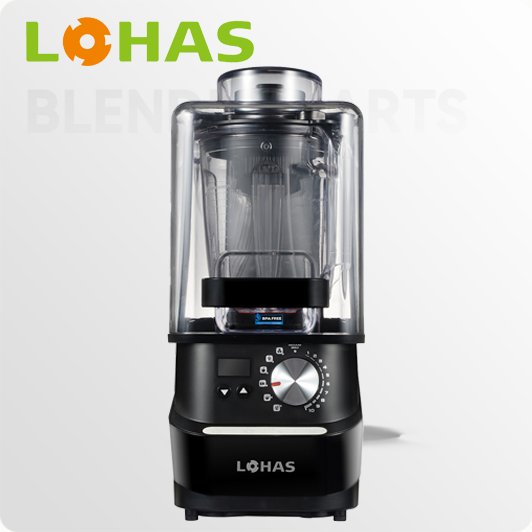
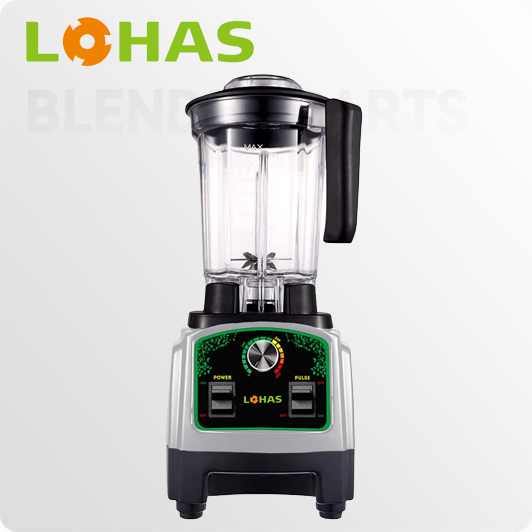
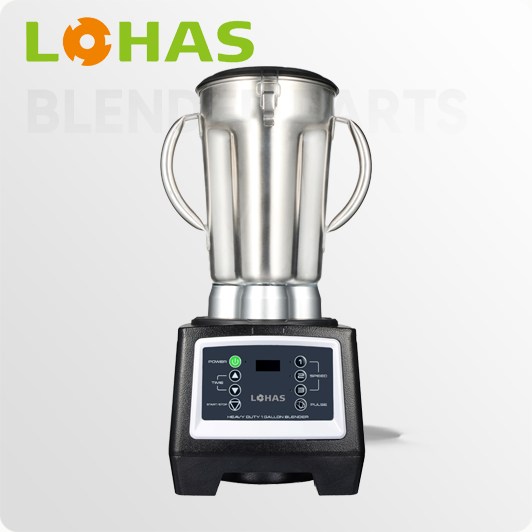
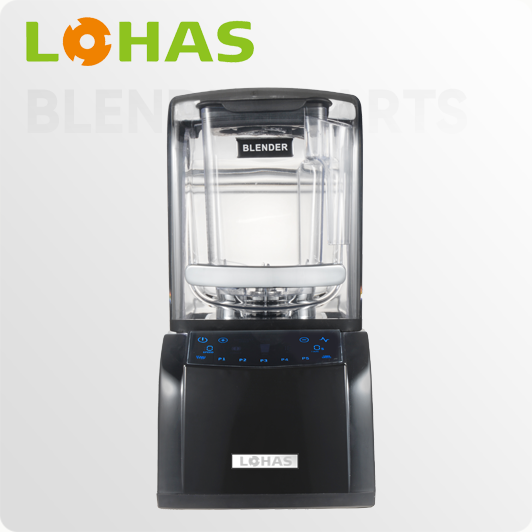
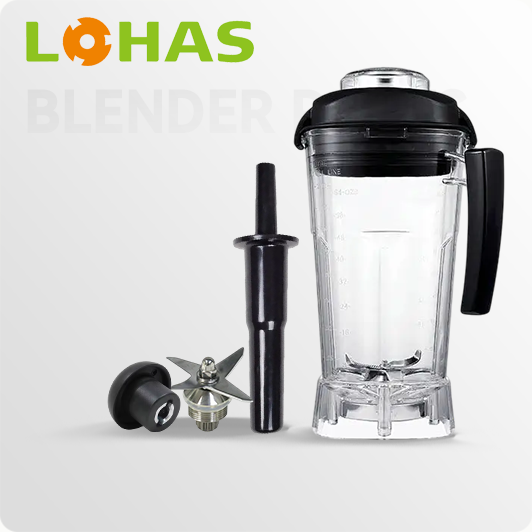
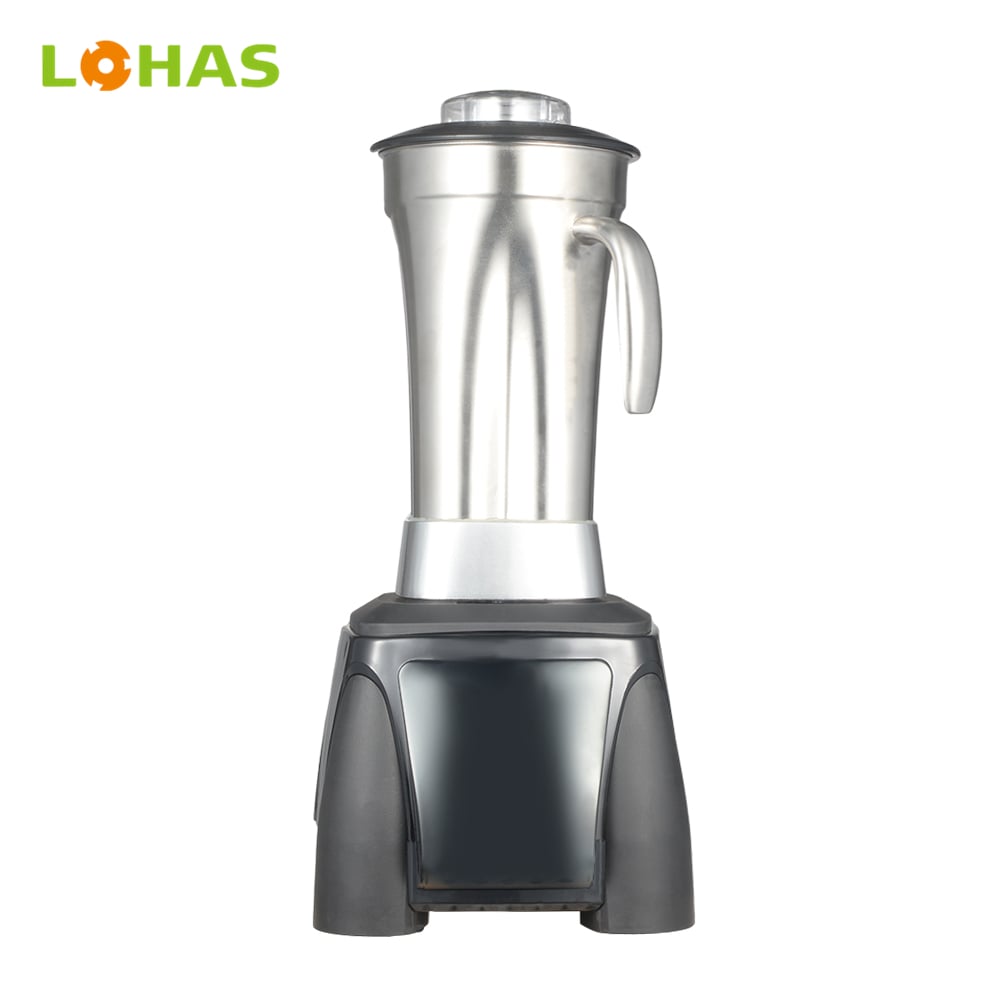
When it comes to crafting ice-heavy drink recipes behind a busy counter, the right equipment makes all the difference. A high-performance bar blender is specifically engineered to crush, pulverize, and blend large volumes of ice without stalling, overheating, or producing uneven texture. Understanding how a bar blender achieves this consistently is essential for any bar, restaurant, or beverage operation that depends on high-volume output and drink quality.

Ice-heavy recipes place extreme mechanical demands on any blending machine. Unlike blending soft fruits or liquids, crushing dense ice requires sustained torque, a resilient blade assembly, and intelligent motor management. A professional bar blender is built from the ground up to meet these demands, delivering smooth, consistent results drink after drink, even during the most demanding service hours.
Motor Power and Torque in a Bar Blender
Why High Wattage Alone Is Not Enough
Many operators assume that a bar blender with the highest wattage automatically handles ice the best. In reality, torque delivery and motor design matter just as much as raw power ratings. A bar blender designed for ice-heavy use features a motor that sustains torque under load, meaning it does not lose blade speed the moment it encounters a dense pack of ice cubes. This sustained performance is what separates a professional bar blender from a standard household unit.
A well-engineered bar blender uses a high-cycle induction or brushless motor that maintains consistent RPM across varying resistance levels. When ice is added in large quantities, the motor compensates automatically rather than bogging down. This capability allows the bar blender to deliver the same smooth texture whether the recipe calls for a small amount of crushed ice or a full container packed tightly with large cubes.
Thermal Protection and Continuous Use
Commercial environments require a bar blender to operate repeatedly throughout a shift without cooling periods between blends. Ice-heavy recipes generate significant friction heat inside the motor housing. A reliable bar blender includes built-in thermal overload protection that monitors temperature and prevents burnout during extended use. This feature is not optional in a real bar setting — it is what keeps a bar blender running through peak hours without interruption.
Blade Design and Container Engineering
How Blade Geometry Affects Ice Processing
The blade assembly of a bar blender is the first point of contact with ice, and its geometry directly determines crushing efficiency. A bar blender built for ice-heavy recipes uses hardened stainless steel blades with specific angle configurations that force ice downward into the blade path rather than allowing it to float or deflect. This creates a consistent crushing cycle rather than sporadic chopping.
Multi-tiered blade designs found in a quality bar blender allow different layers of the container to process ice simultaneously. The lower blades initiate the primary crush while upper blades refine the texture as ice circulates upward through the vortex. The result is a bar blender output that is uniformly smooth rather than containing large unbroken chunks that ruin the drink experience.
Container Shape and the Ice Vortex
The container design of a bar blender is as critical as the blade itself. A narrow base combined with a wider upper body encourages a strong downward vortex that continuously pulls ice into the blade zone. Without this engineered flow pattern, ice floats at the top of the container and the bar blender blades spin inefficiently in liquid below. A bar blender container designed for ice use eliminates this problem through precise geometry and optimal jar volume.
Polycarbonate or Tritan containers used in a commercial bar blender resist cracking under the impact stress of hard ice. A bar blender jar that flexes or fractures under repeated ice-blending cycles creates both safety risks and costly replacement schedules. The material and wall thickness of the container are therefore key engineering decisions in any bar blender intended for heavy daily ice use.
Speed Programs and Operational Control
Programmed Cycles Designed for Ice Recipes
A modern bar blender does not rely on operators manually adjusting speed during each blend cycle. Pre-programmed settings built into a bar blender allow staff to select an ice-specific cycle that automatically ramps blade speed up and down in a sequence optimized for crushing and smoothing. This removes guesswork, reduces training time, and ensures every drink produced by the bar blender meets the same quality standard regardless of who is behind the counter.
These timed programs on a bar blender also protect the motor by preventing excessive run time on maximum speed. The bar blender intelligently alternates between high-speed crushing bursts and lower-speed mixing phases, which both textures the ice correctly and prevents premature wear on the drive system. For bars producing frozen cocktails, slushies, or blended spirits, this level of control in a bar blender is directly tied to drink consistency and customer satisfaction.
Sound Enclosure and Workflow Integration
A professional bar blender often incorporates a sound enclosure or noise-dampening housing that allows it to operate in customer-facing environments without disrupting conversations or service flow. Ice crushing is inherently loud, and a bar blender equipped with acoustic shielding reduces operational noise significantly. This practical feature allows the bar blender to be used continuously during peak hours without requiring staff to pause service or move to a back-of-house area.
FAQ
What size ice works best in a bar blender?
Most commercial bar blender models perform best with standard ice cube sizes or smaller. Extra-large cubes can challenge even a heavy-duty bar blender by creating uneven load distribution. Pre-crushing or using a bar blender with a high-torque motor handles larger ice more effectively.
How often should a bar blender be serviced for ice use?
A bar blender used daily for ice-heavy recipes should have its blade assembly and drive socket inspected every few months. Ice processing accelerates wear on contact components, so regular maintenance of a bar blender keeps performance consistent and prevents unexpected downtime during service.
Can a bar blender handle both ice and hot liquids?
Most commercial bar blender units are optimized for cold and room-temperature applications. Using a bar blender with very hot liquids is generally not recommended unless the manufacturer specifies compatibility. Always confirm the thermal ratings of your bar blender before blending heated ingredients to avoid container damage or injury.