 EN
EN


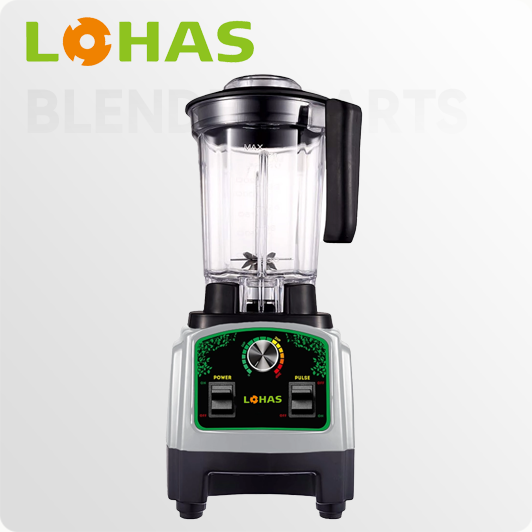
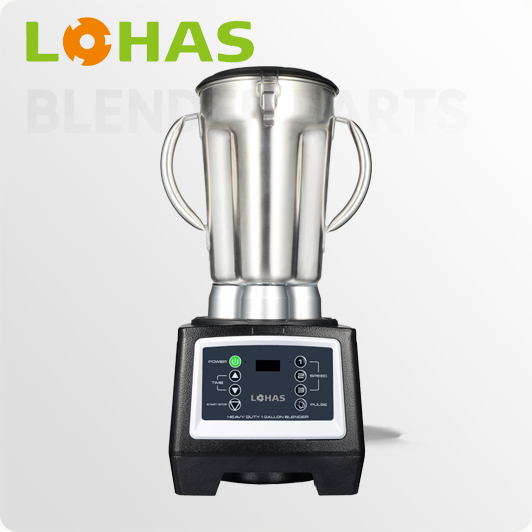
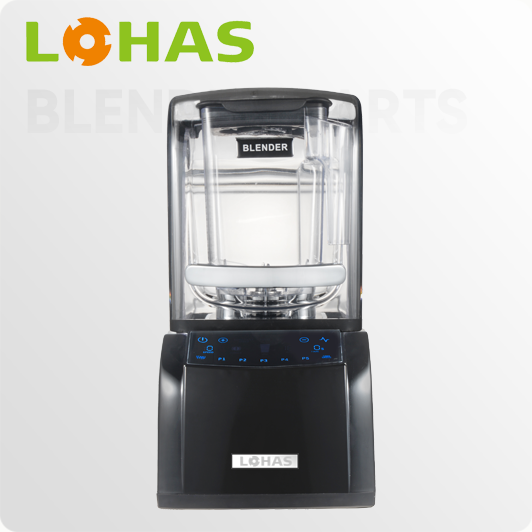

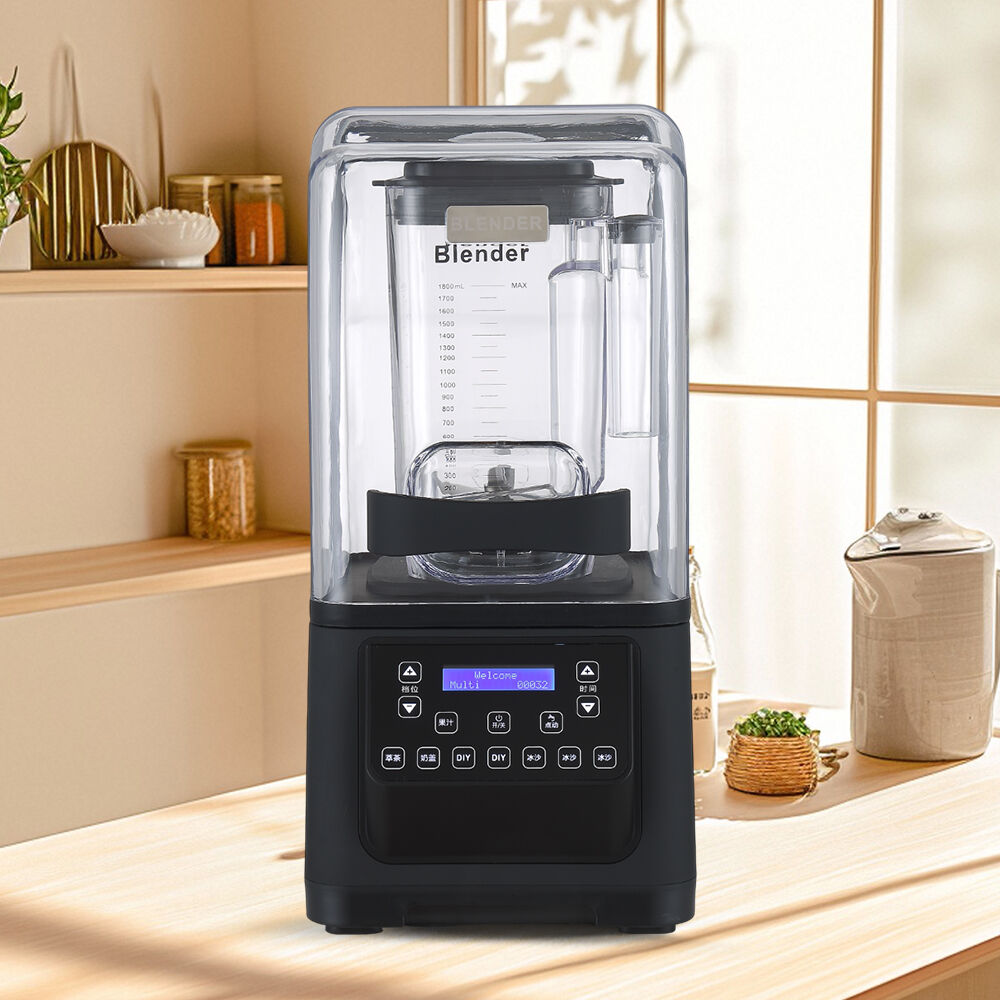
Food service establishments face mounting pressure to deliver consistent quality while managing labor costs and meeting demanding service windows. A commercial blender machine serves as a pivotal solution for streamlining preparation workflows, enabling kitchen staff to process ingredients faster while maintaining the precision required for professional culinary operations. Understanding how this equipment transforms traditional prep methods reveals why successful restaurants, cafes, and food production facilities prioritize high-performance blending technology.
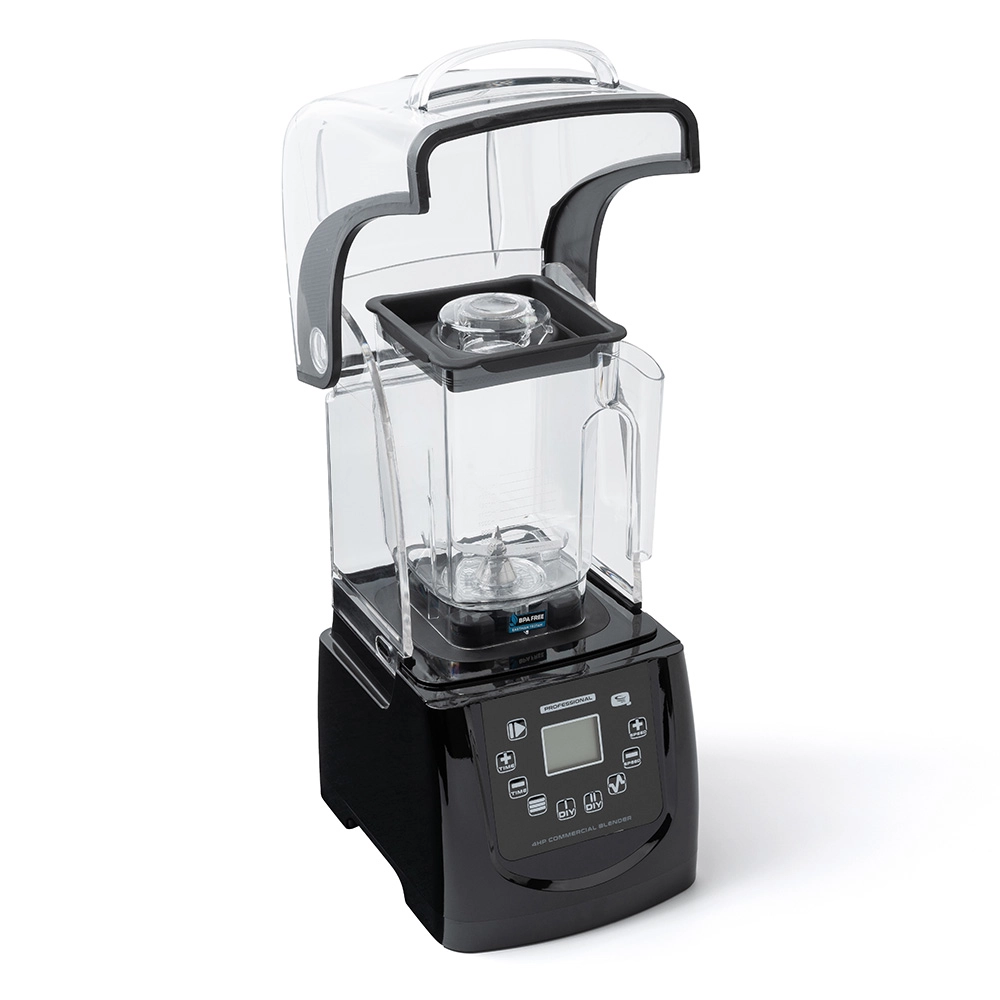
The efficiency gains from implementing a commercial blender machine extend far beyond simple speed improvements. These machines fundamentally restructure kitchen workflows by consolidating multiple preparation steps, reducing manual labor intensity, and creating standardized processes that ensure consistent output regardless of staff skill levels. The compound effect of these improvements translates into measurable operational benefits that directly impact profitability and service quality.
Speed Enhancement Through Advanced Motor Systems
High-Torque Performance Capabilities
Professional-grade commercial blender machine units deliver substantially higher torque output compared to residential alternatives, enabling rapid processing of tough ingredients that would otherwise require extensive manual preparation. The robust motor systems maintain consistent performance even under continuous operation, eliminating the downtime associated with overheating protection cycles common in lower-grade equipment.
This enhanced power translates directly into time savings during peak service periods when kitchen efficiency becomes critical. Ingredients that previously required chopping, dicing, or extended processing can be transformed into desired textures within seconds, allowing prep staff to focus on higher-value tasks that require human expertise and creativity.
Variable Speed Control Systems
Advanced speed control mechanisms in modern commercial blender machine designs provide precise texture control without compromising processing speed. Multiple speed settings enable operators to achieve specific consistency requirements for different menu items while maintaining optimal efficiency throughout the preparation cycle.
The programmable settings eliminate guesswork and reduce the learning curve for new staff members, ensuring consistent results regardless of operator experience. This standardization prevents waste caused by over-processing or under-processing, while maintaining the rapid throughput necessary for efficient kitchen operations.
Workflow Optimization Through Multi-Functionality
Consolidated Processing Operations
A commercial blender machine eliminates the need for multiple separate tools and appliances by handling diverse preparation tasks within a single unit. From creating smooth purees and emulsions to grinding spices and crushing ice, the versatility reduces equipment footprint while increasing overall kitchen efficiency.
This consolidation simplifies cleaning protocols and reduces the time spent switching between different preparation tools. Kitchen staff can complete complex recipes using fewer pieces of equipment, minimizing both setup time and the potential for cross-contamination between different food preparation stages.
Batch Processing Capabilities
Large-capacity commercial blender machine units enable batch processing that dramatically improves prep efficiency during high-volume periods. Instead of preparing ingredients in small quantities throughout service hours, kitchen teams can process larger batches during designated prep windows, optimizing labor allocation and reducing interruptions during peak service.
The ability to prepare standardized quantities ensures portion control accuracy while reducing food waste from inconsistent preparation methods. This batch approach also allows for better inventory management and helps predict ingredient requirements more accurately.
Labor Cost Reduction Mechanisms
Skill Level Independence
Modern commercial blender machine technology reduces dependence on highly skilled prep staff by automating complex processing tasks that previously required significant knife skills and experience. Preset programs and consistent processing capabilities enable entry-level employees to achieve professional-quality results, reducing training time and labor costs.
This democratization of advanced food preparation techniques allows establishments to maintain quality standards even during periods of high staff turnover or when experienced prep cooks are unavailable. The reduced skill requirements also expand the available labor pool, potentially lowering recruitment costs.
Reduced Physical Strain
The automated processing power of a commercial blender machine significantly reduces the physical demands placed on kitchen staff during prep activities. Manual chopping, grinding, and mixing operations that contribute to repetitive strain injuries are replaced by efficient mechanical processing, improving workplace safety and reducing workers' compensation costs.
Lower physical strain also means staff can maintain productivity levels throughout longer shifts without experiencing the fatigue that typically accompanies intensive manual food preparation. This sustained performance contributes to more consistent output quality and helps maintain service standards during extended operating hours.
Consistency and Quality Control Benefits
Standardized Output Parameters
Professional commercial blender machine systems deliver identical results across multiple preparation cycles, eliminating the variability inherent in manual processing methods. This consistency ensures that signature dishes maintain their intended flavor profiles and textures regardless of which staff member handles the preparation.
Consistent texture and blend quality also improve customer satisfaction by delivering predictable menu items that meet established expectations. This reliability becomes particularly important for establishments building brand recognition around specific signature preparations or maintaining franchise standards across multiple locations.
Enhanced Food Safety Protocols
The sealed processing environment of a commercial blender machine reduces contamination risks compared to open-air manual preparation methods. Ingredients remain contained throughout the blending process, minimizing exposure to airborne contaminants and reducing cross-contamination opportunities between different food items.
Additionally, the powerful processing action can help achieve more thorough incorporation of ingredients, ensuring that seasonings and additives are evenly distributed throughout the final product. This uniform distribution contributes to better food safety outcomes and more consistent flavor delivery.
Economic Impact Analysis
Return on Investment Calculations
The efficiency improvements delivered by a commercial blender machine generate measurable cost savings through reduced labor hours, decreased ingredient waste, and improved throughput capacity. These operational improvements typically result in payback periods ranging from six to eighteen months, depending on volume and utilization patterns.
Higher throughput capabilities also enable establishments to handle increased order volumes without proportional increases in prep staff, effectively expanding revenue potential without corresponding labor cost escalation. This scalability becomes particularly valuable during seasonal peaks or promotional periods that drive temporary volume increases.
Long-term Operational Benefits
Professional-grade commercial blender machine units offer extended service lives that provide continued efficiency benefits over multiple years of operation. The durability and reliability of commercial-grade components reduce maintenance costs and minimize disruptions caused by equipment failures during critical service periods.
The consistent performance characteristics also support menu expansion opportunities by enabling establishments to offer more complex preparations without increasing prep complexity or labor requirements. This flexibility allows operators to respond to changing customer preferences and market trends more effectively.
FAQ
How much time can a commercial blender machine save during daily prep work?
A commercial blender machine typically reduces prep time by 60-80% for tasks involving ingredient processing, purees, and emulsions. For high-volume operations, this translates to saving 2-4 hours daily in labor costs while maintaining higher consistency standards than manual preparation methods.
What maintenance requirements affect the efficiency benefits of commercial blender machines?
Proper maintenance involves daily cleaning, weekly deep sanitization, and monthly inspection of blade assemblies and seals. Well-maintained commercial blender machine units retain peak efficiency throughout their service life, while neglected equipment experiences declining performance that reduces the operational benefits.
Can a commercial blender machine handle different types of ingredients without affecting efficiency?
Yes, modern commercial blender machine designs accommodate diverse ingredient types through variable speed controls and specialized blade configurations. The versatility actually improves overall efficiency by eliminating the need to switch between different processing equipment for various ingredients and recipes.
How does commercial blender machine efficiency compare across different kitchen sizes?
Commercial blender machine efficiency scales effectively across kitchen sizes, with larger operations experiencing more dramatic labor savings due to higher volume processing. Small establishments benefit from reduced equipment needs and simplified workflows, while large kitchens gain from batch processing capabilities and consistent output quality.
Table of Contents
- Speed Enhancement Through Advanced Motor Systems
- Workflow Optimization Through Multi-Functionality
- Labor Cost Reduction Mechanisms
- Consistency and Quality Control Benefits
- Economic Impact Analysis
-
FAQ
- How much time can a commercial blender machine save during daily prep work?
- What maintenance requirements affect the efficiency benefits of commercial blender machines?
- Can a commercial blender machine handle different types of ingredients without affecting efficiency?
- How does commercial blender machine efficiency compare across different kitchen sizes?