 EN
EN


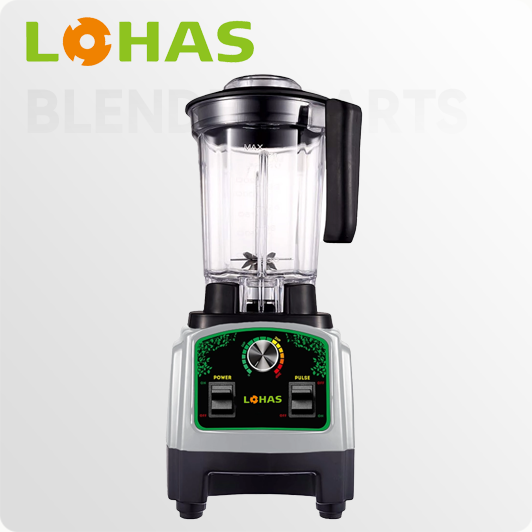
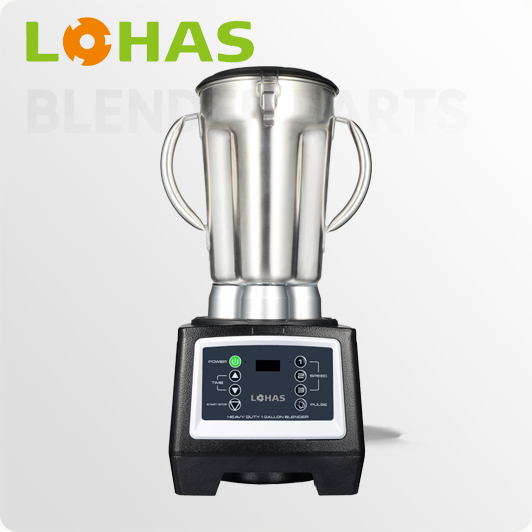
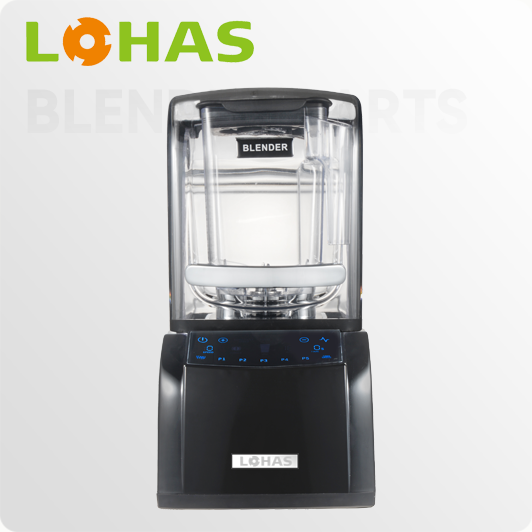

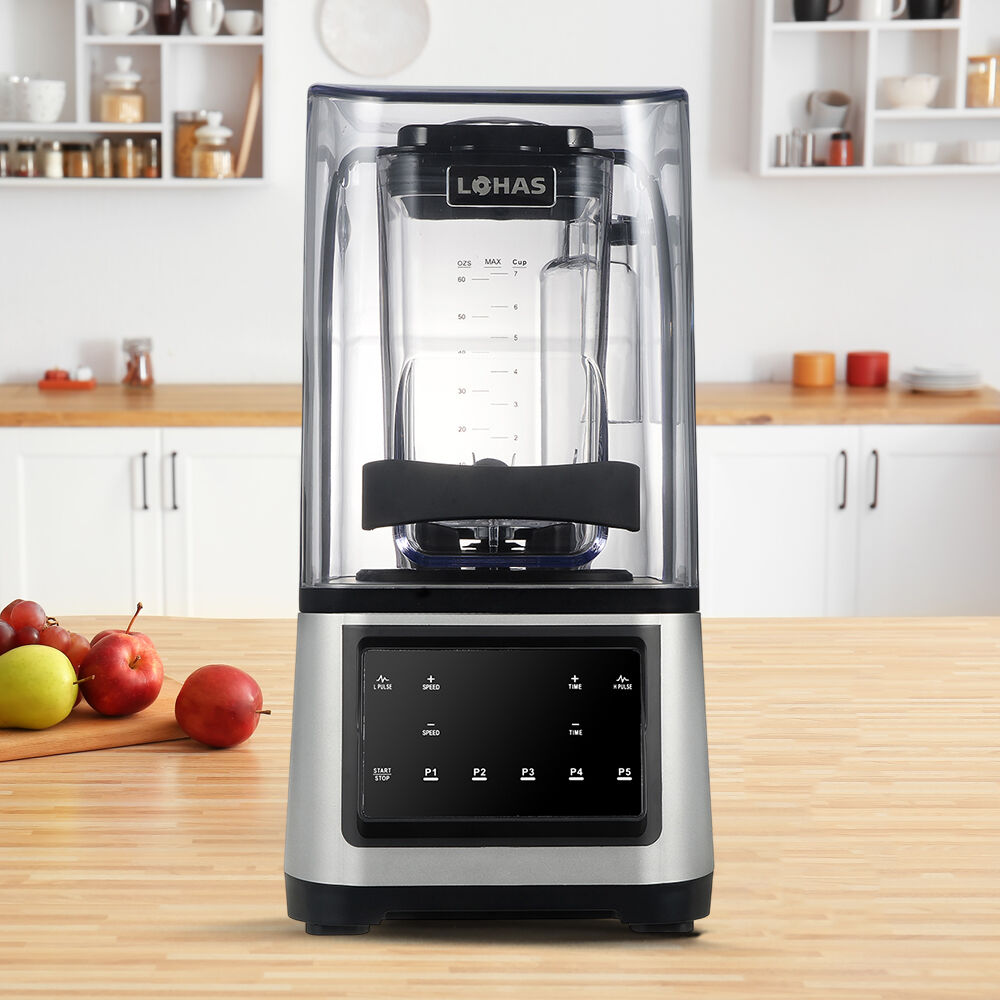
In any high-volume food service environment, consistency is not a luxury — it is the foundation of operational efficiency. A commercial smoothie blender that delivers uniform results every single cycle does far more than produce a great-tasting drink. It anchors the entire workflow of a café, juice bar, or restaurant kitchen by reducing waste, cutting prep time, and protecting staff productivity during peak hours. When operators understand why consistency matters so deeply in blending performance, they make smarter investments and build more reliable service models.
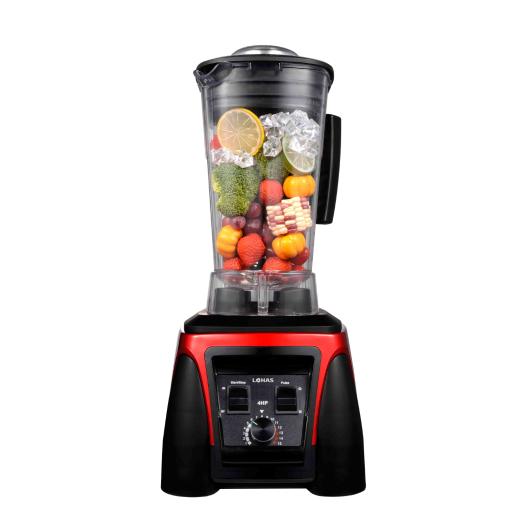
The commercial smoothie blender is not simply a scaled-up version of a household appliance. It is an engineered production tool built to handle demanding ingredient loads, repeated daily cycles, and the unforgiving pace of professional kitchens. However, the real measure of its value is not only durability — it is the degree to which it produces identical results across hundreds of blending runs without requiring constant manual correction. This article explores why that level of consistency is the true engine of efficiency in commercial blending operations.
The Direct Link Between Blending Consistency and Operational Efficiency
Consistent Output Reduces Manual Rework
Every time a commercial smoothie blender produces an uneven result — whether that means chunks of unblended fruit, a texture that is too watery, or inconsistent portion volumes — a staff member must intervene. That intervention takes time, wastes ingredients, and can delay order fulfillment during periods when speed is most critical. In a busy café serving dozens of drinks per hour, even small inconsistencies accumulate into significant operational drag.
A commercial smoothie blender engineered for precision output eliminates much of this rework. When the machine reliably processes the same ingredients to the same texture and volume each time, staff can operate with confidence. They do not need to taste-test, visually inspect, or manually correct each cycle. This frees up time and mental energy for other tasks that genuinely require human judgment.
From a labor efficiency standpoint, the savings compound quickly. A team that spends less time correcting blending errors can handle a higher volume of orders with the same number of staff. That directly improves throughput, which is a critical metric for any food service business operating on tight margins.
Uniform Results Standardize Recipe Execution
Standardized recipes are the backbone of any scalable food service concept. A commercial smoothie blender that delivers consistent results makes recipe standardization practical rather than aspirational. When operators know the machine will process a defined quantity of ingredients to the same outcome every time, they can confidently set fixed recipes, train new staff quickly, and replicate quality across multiple locations.
Inconsistent blending, by contrast, turns recipe standardization into an exercise in approximation. Staff must constantly adjust ratios, blend times, or ingredient quantities to compensate for unpredictable machine behavior. This variability undermines quality control and makes training far more complex than it needs to be.
For multi-location operators, the implications are even larger. A commercial smoothie blender that performs consistently across all units allows central kitchens or management teams to enforce brand standards with confidence. A customer who orders a signature smoothie at any location expects the same flavor, texture, and volume — and achieving that requires blending equipment that does not introduce its own variables into the process.
Motor Power and Blade Engineering as Consistency Drivers
High-Torque Motors Sustain Performance Through Dense Loads
The consistency of a commercial smoothie blender is deeply connected to the engineering of its motor. High-torque motors maintain blade speed and processing power even when the blender jar contains dense materials such as frozen fruit, leafy greens, nut butters, or ice. Lesser motors lose rotational speed under load, which causes uneven breakdown of ingredients and unpredictable final textures.
When a commercial smoothie blender maintains consistent blade velocity through every phase of the blend cycle, the physical forces acting on the ingredients remain stable. This means the machine produces the same result regardless of whether it is processing a light berry blend or a thick frozen açaí bowl. Operators can apply the same settings and expect the same outcome, which is precisely the condition that makes workflow standardization possible.
In high-volume settings, motor endurance over many consecutive cycles is equally important. A commercial smoothie blender designed for sustained operation without thermal degradation maintains its performance characteristics through the entire service period, not just the first few hours. This sustained consistency is what separates professional-grade equipment from machines that are only nominally marketed for commercial use.
Precision Blade Design Controls Particle Breakdown
Blade geometry, sharpness, and configuration directly influence whether a commercial smoothie blender produces a smooth, homogeneous texture or a drink with unprocessed particles and irregular consistency. Precision-engineered blades create predictable fluid dynamics inside the jar, drawing ingredients toward the cutting zone at consistent rates and processing them to uniform particle sizes.
Poor blade design introduces turbulence patterns that leave pockets of ingredients insufficiently processed. This is a common cause of the batch-to-batch variability that frustrates operators and leads to customer complaints. When the blade assembly of a commercial smoothie blender is engineered to exacting tolerances, the physical processing of ingredients becomes repeatable — and repeatability is the technical definition of consistency.
Blade durability matters too. A commercial smoothie blender that maintains blade sharpness over thousands of cycles continues to produce consistent results well into its service life, while a machine with rapidly dulling blades will show progressive deterioration in output quality. Operators should consider blade material and design as primary factors when evaluating blending consistency.
Programmatic Controls and Their Role in Consistent Output
Pre-Set Blending Programs Remove Human Variability
One of the most effective ways a commercial smoothie blender drives efficiency through consistency is by removing human variability from the blending process. Pre-set programs allow operators to define exact blend cycles — specifying speed profiles, timing sequences, and pulse patterns for each recipe category. Once programmed, the machine executes those cycles identically every time, regardless of which staff member initiates the process.
This is particularly valuable in environments with high staff turnover or mixed-skill teams. A new employee does not need extensive training to produce a consistent smoothie when the commercial smoothie blender handles the technical execution. They simply load the correct ingredients, select the appropriate program, and allow the machine to complete the cycle. The output quality is then determined by machine precision, not operator skill level.
Pre-set programs also enable faster service by eliminating the decision-making delay that occurs when staff manually manage blend time and speed. In a rush period, the ability to initiate a precise, automated cycle and move immediately to preparing the next order represents a meaningful improvement in throughput per station.
Feedback Systems Maintain Consistency Across Ingredient Variations
Advanced commercial smoothie blender designs incorporate feedback mechanisms that detect load resistance and automatically adjust motor output to maintain target performance. This adaptive capability is important because ingredient characteristics naturally vary — fresh produce changes with the season, ice crystal density fluctuates with freezer conditions, and portion weights are never perfectly identical in real kitchen environments.
A commercial smoothie blender with intelligent load management compensates for these variations in real time, maintaining consistent blade dynamics even when input conditions change slightly. The result is a machine that produces predictably uniform output without requiring operators to manually recalibrate for every ingredient variation they encounter during a service shift.
For efficiency-focused operators, this adaptive consistency translates into fewer intervention points in the workflow. The machine manages its own performance optimization, freeing staff from the monitoring and adjustment tasks that consume time and attention. The overall effect is a smoother, faster, and more reliable production process throughout the day.
Noise Control, Jar Design, and Their Effect on Workflow Efficiency
Sound Enclosures Protect Workflow Continuity in Open Kitchens
Consistency in a commercial smoothie blender extends beyond blending output quality to the operational environment the machine creates. High noise levels disrupt staff communication, create customer discomfort in open-service settings, and can even cause operators to shorten blend cycles to minimize noise exposure — which directly compromises output consistency. A commercial smoothie blender equipped with an effective sound enclosure maintains full-cycle blending without these workflow disruptions.
In juice bars and café environments where staff constantly communicate with customers and each other, noise reduction is a practical efficiency issue, not merely a comfort preference. When the blending station does not dominate the ambient soundscape, the overall service environment functions more smoothly. Staff can hear orders clearly, communicate without strain, and maintain a professional atmosphere even during peak periods of blending activity.
The consistency of noise control also matters. A commercial smoothie blender that performs quietly on the first cycle of the day but becomes progressively louder as components heat up or wear introduces an unpredictable element into the working environment. Well-engineered equipment maintains stable acoustic performance throughout extended service periods, just as it maintains stable blending performance.
Jar Capacity and Shape Determine Batch Consistency
The jar design of a commercial smoothie blender is an often-overlooked consistency driver. Jar geometry determines how ingredients circulate during blending, which directly affects whether all material contacts the blade equally or whether some portions remain in low-turbulence zones and are processed less thoroughly. A jar designed with fluid dynamics in mind creates a consistent vortex that draws all ingredients through the blade zone uniformly.
Jar capacity must also match the operational volume requirements of the business. A commercial smoothie blender consistently running at or beyond its maximum fill level will produce variable results because the fluid dynamics inside an overfilled jar differ significantly from those in a properly loaded one. Operators who understand their volume requirements and select equipment with matched jar capacity avoid this source of inconsistency entirely.
Ease of cleaning is a related efficiency consideration. A commercial smoothie blender with jar designs that clean quickly and completely between batches maintains hygiene standards without slowing production. Time lost to cleaning cycles is time lost to productive blending capacity, so jar ergonomics and cleanability contribute meaningfully to overall operational efficiency in high-turnover environments.
The Business Impact of Consistent Commercial Blending
Customer Experience and Repeat Business
The efficiency gains from commercial smoothie blender consistency do not remain internal to kitchen operations — they propagate directly into the customer experience. When every smoothie a customer receives matches the quality they expect based on a previous visit, trust is built and repeat business follows. Inconsistent products, by contrast, erode customer confidence regardless of how good the average result might be.
For food service operators in competitive urban markets, product consistency is a meaningful differentiator. A commercial smoothie blender that reliably delivers the right texture, flavor balance, and portion size on every order supports the brand promise the business makes to its customers. The investment in high-consistency equipment is therefore an investment in customer retention as much as operational efficiency.
The connection between blending consistency and customer satisfaction is direct and measurable. Operations that track customer feedback often find that smoothie quality complaints cluster around periods of equipment malfunction or improvised blending practices — precisely the situations where a reliable commercial smoothie blender would have maintained standard output and prevented the service failure that prompted the complaint.
Cost Efficiency Through Reduced Waste and Equipment Longevity
Consistent blending reduces ingredient waste by ensuring that defined recipe quantities produce predictable yields. A commercial smoothie blender that processes ingredients thoroughly on every cycle eliminates the need to discard under-processed batches or add supplementary ingredients to correct failed runs. Over a full operating year, waste reduction from consistent blending contributes meaningfully to ingredient cost control.
Equipment longevity is another dimension of cost efficiency. A commercial smoothie blender engineered for consistent performance typically reflects higher standards of mechanical design, materials quality, and manufacturing precision — all factors that extend service life and reduce the frequency and cost of repairs. An operation that replaces a low-quality blender every twelve to eighteen months incurs far higher total equipment costs than one that invests in a well-built machine designed to deliver consistent results for years.
From a total cost of ownership perspective, the commercial smoothie blender that prioritizes consistency is consistently the more economical choice. It saves on labor, ingredients, repairs, and replacement costs while simultaneously protecting revenue through reliable product quality. Efficiency, in this context, is not just about speed — it is about the elimination of every unnecessary cost that inconsistent equipment introduces into the operation.
FAQ
Why does blending consistency matter more in commercial settings than in home use?
In commercial settings, a commercial smoothie blender must produce identical results across dozens or hundreds of cycles per day, often operated by multiple staff members with varying experience levels. Inconsistency at this scale directly affects service speed, product quality, and profitability. Home use involves far fewer cycles and no revenue dependency, so small variations are tolerable. In a professional kitchen, they are not.
How do pre-set programs in a commercial smoothie blender improve efficiency?
Pre-set programs automate the blend cycle, removing the need for staff to manually manage speed and timing. This standardizes output regardless of operator skill, reduces decision-making time during busy service periods, and ensures that the commercial smoothie blender executes recipes consistently across all shifts and staff members. The result is faster service with more predictable quality.
What role does motor power play in the consistency of a commercial smoothie blender?
Motor power determines whether a commercial smoothie blender maintains blade speed under load. A high-torque motor sustains consistent processing force even when blending dense or frozen ingredients, which ensures uniform breakdown regardless of ingredient type. A weaker motor slows under load, producing uneven textures and variable results that compromise both product quality and operational efficiency.
Can jar design affect the consistency of a commercial smoothie blender?
Yes, significantly. The geometry of the jar in a commercial smoothie blender determines the fluid dynamics inside the container during blending. A well-designed jar creates a consistent vortex that draws all ingredients through the blade zone uniformly. A poorly designed jar allows dead zones where ingredients are processed less thoroughly, leading to textural inconsistencies that vary from batch to batch.
Table of Contents
- The Direct Link Between Blending Consistency and Operational Efficiency
- Motor Power and Blade Engineering as Consistency Drivers
- Programmatic Controls and Their Role in Consistent Output
- Noise Control, Jar Design, and Their Effect on Workflow Efficiency
- The Business Impact of Consistent Commercial Blending
-
FAQ
- Why does blending consistency matter more in commercial settings than in home use?
- How do pre-set programs in a commercial smoothie blender improve efficiency?
- What role does motor power play in the consistency of a commercial smoothie blender?
- Can jar design affect the consistency of a commercial smoothie blender?