 EN
EN

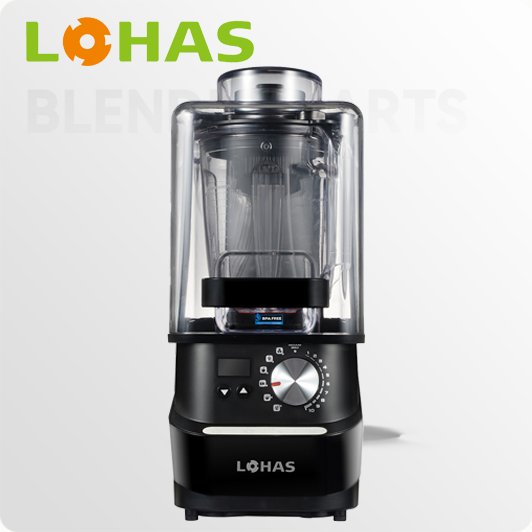
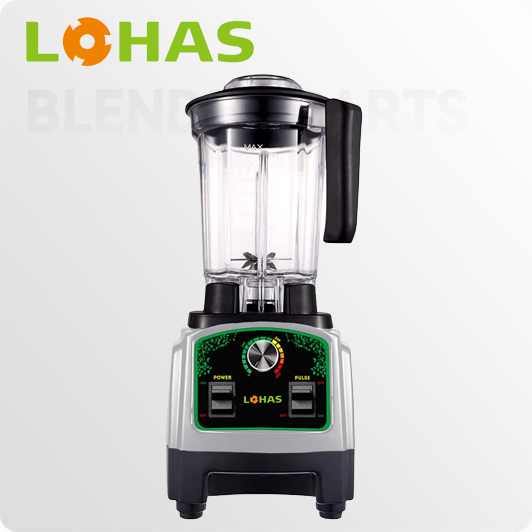
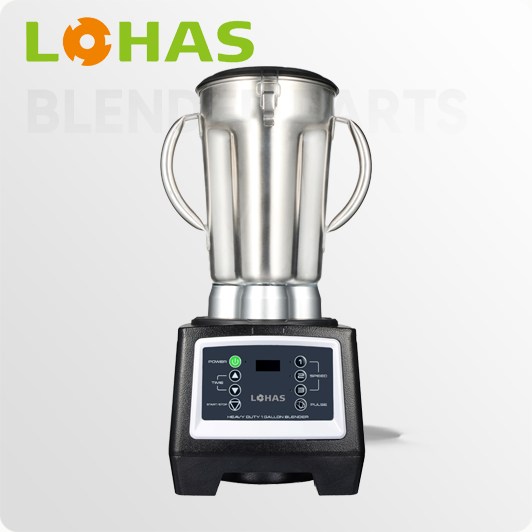
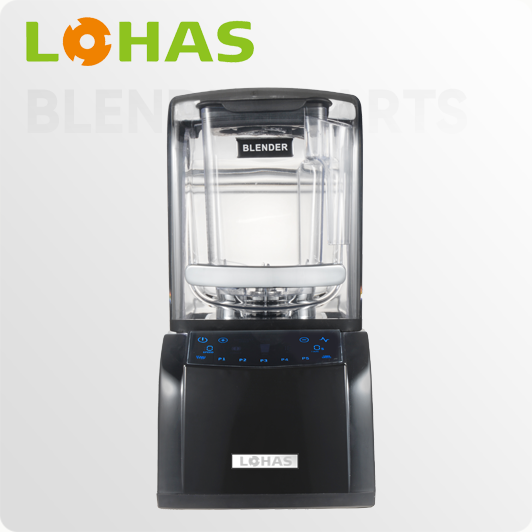
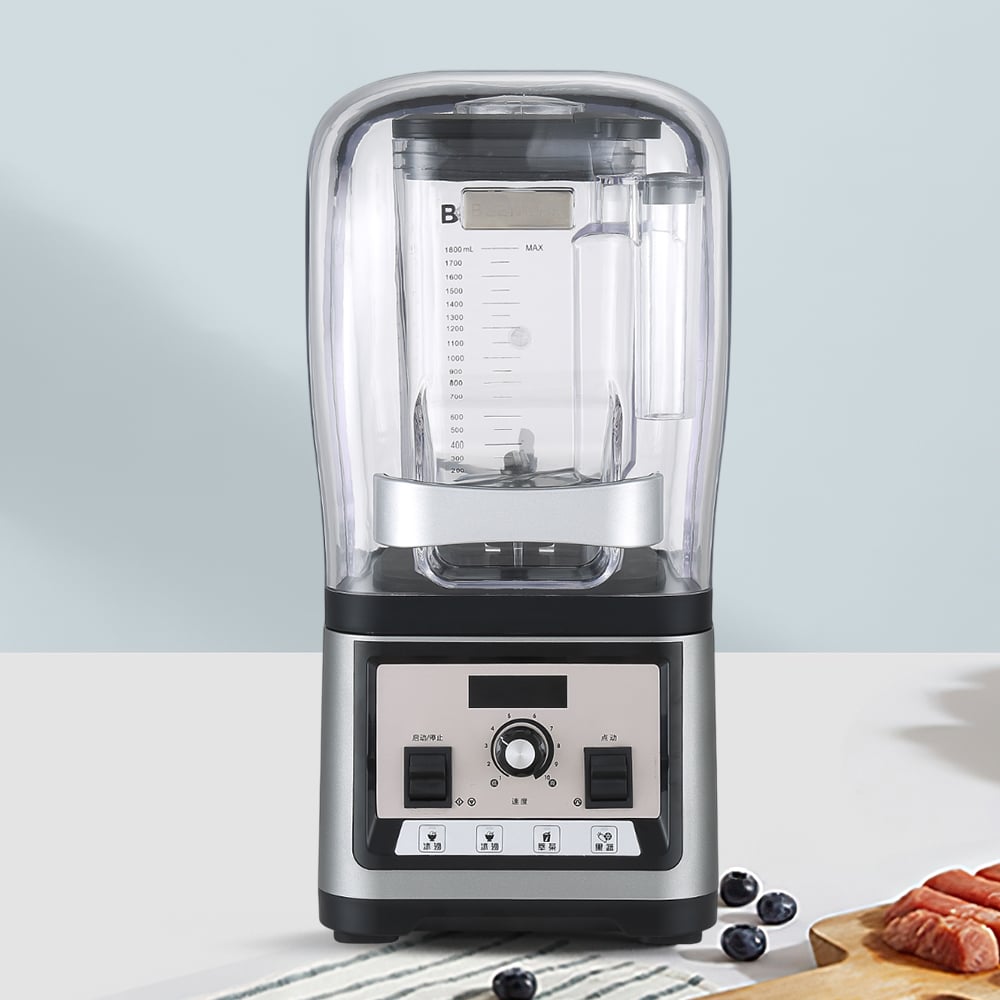
Frozen ingredients present one of the most demanding mechanical challenges in any food service environment. Ice cubes, frozen fruit chunks, and solidified purees place extreme stress on blending equipment, and only a purpose-built machine can convert them into smooth, consistent output without damage or downtime. Understanding how a commercial smoothie blender manages this process reveals why the right equipment choice is critical for any high-volume operation.
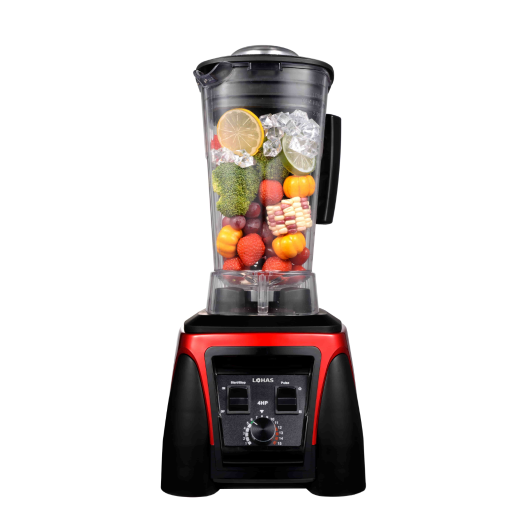
Whether you operate a juice bar, a café, a hotel breakfast station, or a hospital nutrition kitchen, the ability to process frozen ingredients quickly and reliably is a core performance metric. A professional commercial smoothie blender is engineered from the ground up to handle these conditions repeatedly throughout an entire service shift, delivering consistent texture and quality every single cycle. This article breaks down precisely how that engineering works in practice.
The Motor Power Behind Frozen Ingredient Processing
Why Motor Wattage Matters More With Frozen Loads
When a blade encounters a frozen banana or a compacted handful of ice, it experiences a sudden and significant resistance load. Consumer-grade blenders stall, overheat, or suffer motor burnout under such conditions because their motors are not designed for sustained high-torque operation. A commercial smoothie blender, by contrast, is typically equipped with motors ranging from 1,500 watts to over 3,000 watts, allowing them to push through dense frozen material without losing rotational speed or generating dangerous heat buildup inside the motor housing.
High wattage alone does not tell the complete story. The quality of the motor's windings, the efficiency of heat dissipation, and the design of the drive coupling all contribute to how the machine responds under load. Commercial-grade motors are wound for continuous-duty performance, meaning they can sustain peak-demand operation for far longer than their residential counterparts. This is essential in environments where a commercial smoothie blender may be used dozens of times per hour.
Thermal protection systems are another important motor feature. When processing large quantities of ice or deeply frozen fruit, internal temperatures can rise rapidly. A quality commercial smoothie blender incorporates automatic thermal cutoffs that pause operation before damage occurs, then reset quickly to minimize disruption to service. This protective mechanism extends motor lifespan significantly while giving operators confidence during peak demand periods.
Torque Delivery and Rotational Consistency
Torque—the rotational force the motor delivers to the blade assembly—determines whether frozen chunks are shattered on first contact or simply pushed aside. Commercial blender motors are engineered to deliver high torque from startup, which means the blades reach effective processing speed even before the container is fully engaged. This 'hard start' capability is particularly important when loading partially frozen smoothie bases directly into the jar.
Rotational consistency under variable load is equally important. As frozen ingredients break down during the blend cycle, the resistance they present to the blades changes constantly. A well-designed commercial smoothie blender uses motor controls that compensate for these fluctuations, maintaining blade speed within an effective range so the final texture remains smooth and uniform rather than chunky or uneven.
Blade Design and Geometry for Ice and Frozen Fruit
Material Strength and Blade Hardness
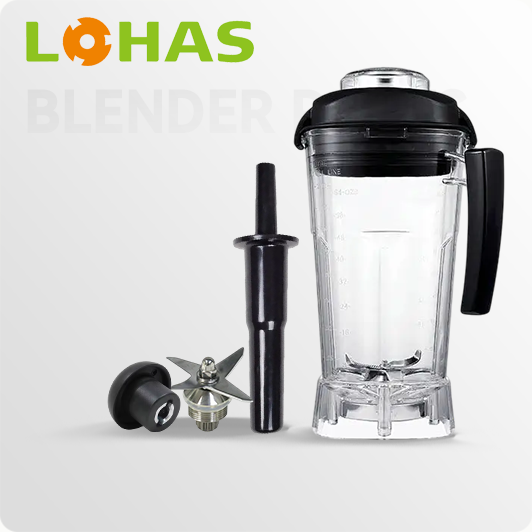
The blades of a commercial smoothie blender must withstand repeated direct impact with ice and frozen produce. Commercial blades are typically manufactured from hardened stainless steel alloys, often with a Rockwell hardness rating significantly above that of standard kitchen cutlery. This hardness allows the blade edge to retain its geometry after thousands of cycles, preventing the gradual dulling that would otherwise compromise texture quality and increase the motor load needed to achieve blending.
Blade thickness also plays a role. Thicker blades resist bending and micro-fractures that can develop when thin metal is repeatedly subjected to the shock loading of frozen ingredient contact. In a commercial smoothie blender used for hundreds of cycles per day, blade integrity is a direct factor in both product consistency and equipment longevity. Operators who upgrade from consumer blenders to commercial models often report a noticeable improvement in output uniformity, and blade quality is a primary reason.
Multi-Angle Blade Configurations
Most commercial smoothie blenders use blade assemblies with multiple cutting surfaces positioned at different angles. This geometry creates a vortex effect inside the container that draws frozen ingredients downward and inward toward the cutting zone rather than allowing them to orbit the outer walls without being processed. The result is more efficient contact between blades and frozen material, which reduces cycle time and lowers thermal stress on the motor.
Some commercial smoothie blender designs use asymmetrical blade arrangements where not all blades are at identical heights or angles. This asymmetry intentionally disrupts uniform airflow within the container, breaking up air pockets that could otherwise insulate frozen chunks from blade contact. The practical effect is a smoother final blend achieved in fewer seconds, which is a meaningful efficiency gain in a busy service context.
Blade assembly serviceability is another design consideration unique to commercial equipment. Because blades in a commercial smoothie blender endure far greater cumulative stress than those in residential models, manufacturers design the assembly for quick disassembly, inspection, and replacement. This serviceability reduces maintenance downtime and allows operators to swap blade assemblies between peak service periods without specialized tools.
Container Design and Its Role in Frozen Blending
Container Shape and Internal Flow Dynamics
The shape of the blending container directly influences how frozen ingredients behave during the blend cycle. Containers designed for commercial smoothie blender use typically feature a tapered or narrowed base that channels ingredients toward the blade zone and limits the formation of dead zones where frozen chunks can rest without being processed. This funnel-like geometry keeps all material in active circulation, which is especially important when large frozen fruit pieces are introduced at the beginning of a cycle.
Container volume is another design variable. Commercial smoothie blender containers are offered in a range of capacities, and selecting the correct volume for a given recipe affects frozen ingredient processing significantly. Overfilling reduces the space needed for ingredients to circulate, causing the blender to struggle and increasing processing time. Underfilling with dense frozen material can cause the motor to encounter uneven loading. Following manufacturer capacity guidelines for frozen loads is essential for consistent results.
Container Material Durability Under Cold Loads
Commercial smoothie blender containers must resist both the thermal shock of frozen ingredients and the mechanical stress of blade-generated pressure waves. Most commercial-grade containers are manufactured from BPA-free co-polyester or Tritan-type materials that maintain structural integrity at low temperatures. Unlike standard plastics that can become brittle when cold, these commercial materials retain flexibility and impact resistance even when the container walls are in contact with ice or frozen fruit for extended periods.
Lid design is often overlooked but critically important when processing frozen ingredients. When a commercial smoothie blender processes ice, the sudden pressure changes inside the container can force the lid upward if it is not properly secured. Commercial lids incorporate locking mechanisms, vented plugs, or interlocking tabs that prevent accidental lid displacement, protecting both the operator and the work surface from splatter or injury during high-speed processing of frozen loads.
Operational Techniques That Maximize Frozen Ingredient Performance
Load Order and Its Impact on Cycle Efficiency
Experienced operators of a commercial smoothie blender understand that the order in which ingredients are loaded into the container has a measurable effect on how efficiently frozen ingredients are processed. The standard technique is to add liquid first, followed by softer or fresh ingredients, with frozen items and ice added last on top. This layering ensures that the liquid lubricates the blade zone from startup, reducing the initial resistance the motor encounters before the frozen material begins to break down.
Loading all frozen ingredients at once versus adding them in stages is another variable operators can control. For extremely dense frozen loads such as solid fruit blocks or large ice quantities, splitting the addition into two stages—blending the first portion until partially broken down, then adding the remainder—can reduce cycle time and motor stress. This technique is particularly relevant in operations where the commercial smoothie blender handles non-standard frozen ingredients with unpredictable densities.
Programmatic Cycles and Speed Ramping
Many modern commercial smoothie blenders incorporate programmable blend cycles that automatically adjust motor speed over the duration of a blend. These cycles typically begin at a lower speed to establish initial ingredient movement, ramp up to high speed for full processing, then pulse at a final stage to ensure uniformity. This speed ramping approach is more effective for frozen ingredients than simply running the motor at maximum speed from the beginning, because it allows frozen chunks to partially mobilize before full blade contact force is applied.
Preset programs in a commercial smoothie blender can be customized to match specific frozen recipe profiles. A smoothie containing frozen mango and ice will have a different optimal processing curve than one containing frozen yogurt and frozen berries. Operators who invest time in calibrating these programs to their specific menu items see measurable improvements in output consistency, reduce over-blending waste, and extend the service life of their commercial smoothie blender components over time.
Maintenance Practices That Preserve Frozen-Load Capability
Blade and Seal Inspection Routines
The performance of a commercial smoothie blender when processing frozen ingredients depends heavily on the condition of its blades and container seals. Blades that have developed micro-chips or visible dullness will require the motor to work harder to achieve the same result, generating more heat and shortening motor lifespan. Regular blade inspection—typically after every few hundred cycles in high-volume operations—allows operators to identify wear before it affects output quality or causes mechanical damage.
Container base seals and gaskets are another maintenance priority. These seals prevent liquid and fine frozen particle residue from entering the blade bearing assembly, where it can cause corrosion and premature bearing failure. A worn seal may not be immediately obvious during normal operation, but it will progressively allow moisture ingress that degrades bearing performance. Replacing seals on schedule, as specified in the commercial smoothie blender manufacturer's maintenance guide, is one of the most cost-effective ways to extend equipment life.
Cleaning Protocols After Frozen Ingredient Use
Frozen fruit and dairy-based smoothie ingredients leave residue in the blade assembly and container that, if not removed promptly, can harden and become difficult to remove during standard cleaning cycles. The recommended practice for a commercial smoothie blender used with frozen ingredients is a warm-water rinse cycle immediately after each use, followed by a complete disassembly clean at defined intervals. This two-stage approach prevents buildup from accumulating in areas that standard rinse-and-blend cleaning methods cannot reach.
Many commercial smoothie blender models support on-board rinse programs that circulate a controlled water volume through the container at speed, dislodging most residue within seconds. This feature is especially valuable in high-throughput environments where there is limited time between service cycles. However, this rinse cycle is not a substitute for periodic deep cleaning—it is a complementary step that reduces the effort required during scheduled maintenance cleanings.
FAQ
Can a commercial smoothie blender handle ice without damaging the blades?
Yes. A commercial smoothie blender is specifically engineered with hardened steel blades and high-torque motors designed to crush ice repeatedly without sustaining damage. Unlike residential blenders, commercial models are built to handle ice as a standard operating condition, not an occasional exception. Blade wear will occur over time with heavy use, but commercial blades are designed to maintain their geometry through thousands of ice-processing cycles before replacement is needed.
What is the ideal liquid-to-frozen-ingredient ratio for a commercial smoothie blender?
While specific ratios vary by recipe, a general guideline for a commercial smoothie blender is to ensure liquid comprises at least 30 to 40 percent of the total container volume when processing frozen ingredients. This liquid volume provides sufficient lubrication for the blade zone from startup and supports the vortex flow needed to keep frozen chunks in active circulation. Insufficient liquid with high frozen loads increases motor strain and can lead to uneven blend texture.
How often should blades be replaced in a commercial smoothie blender used for frozen ingredients?
Replacement frequency depends on daily cycle volume and the density of frozen ingredients processed. In high-volume operations running a commercial smoothie blender through 100 or more frozen cycles per day, a blade inspection every two to three months is advisable, with replacement as needed based on visible wear. Lower-volume operations may extend this interval significantly. Following the manufacturer's recommended service schedule is the most reliable guide for a specific model.
Does the container size of a commercial smoothie blender affect frozen ingredient performance?
Yes, container size has a direct impact. Using a commercial smoothie blender container that is too large for a small frozen load reduces the centripetal force acting on ingredients, allowing frozen chunks to orbit ineffectively without reaching the blade zone. Conversely, overfilling a container with frozen ingredients restricts ingredient movement and increases cycle time. Matching container capacity to the typical batch size in a given operation is an important factor in achieving consistent, efficient frozen ingredient processing.
Table of Contents
- The Motor Power Behind Frozen Ingredient Processing
- Blade Design and Geometry for Ice and Frozen Fruit
- Container Design and Its Role in Frozen Blending
- Operational Techniques That Maximize Frozen Ingredient Performance
- Maintenance Practices That Preserve Frozen-Load Capability
-
FAQ
- Can a commercial smoothie blender handle ice without damaging the blades?
- What is the ideal liquid-to-frozen-ingredient ratio for a commercial smoothie blender?
- How often should blades be replaced in a commercial smoothie blender used for frozen ingredients?
- Does the container size of a commercial smoothie blender affect frozen ingredient performance?