 EN
EN



A commercial hand blender is one of the most versatile and indispensable tools found in professional kitchens, food processing facilities, and large-scale catering operations. Unlike its domestic counterpart, a commercial hand blender is engineered for continuous, heavy-duty use, delivering the power and durability required to handle large volumes of food preparation without compromising consistency or efficiency. For culinary professionals, understanding exactly what this tool is used for can mean the difference between a streamlined kitchen workflow and a bottleneck that slows service.
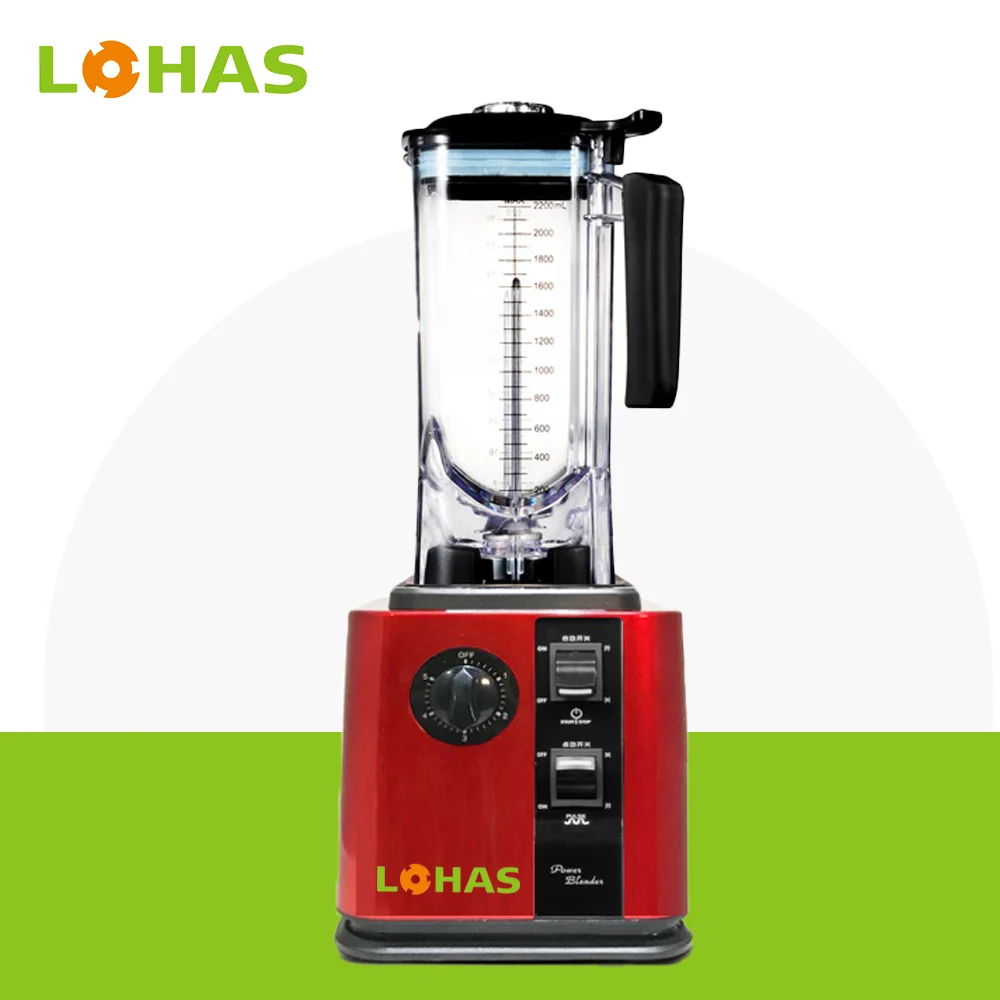
From pureeing large batches of soup directly in the stockpot to emulsifying sauces, processing smoothies, and creating silky bisques at speed, the commercial hand blender enables chefs and food production staff to perform tasks that would otherwise require multiple pieces of equipment or significantly more preparation time. This article explores the full professional scope of what a commercial hand blender is used for, why it matters in high-demand environments, and what distinguishes its application across different sectors of the food industry.
The Core Professional Functions of a Commercial Hand Blender
Processing Large-Volume Soups and Broths
One of the primary and most widely recognized uses of a commercial hand blender in professional settings is the processing of soups and broths directly in the cooking vessel. Rather than transferring hot liquids in batches to a countertop blender — a process that is both time-consuming and potentially hazardous — kitchen staff can insert the commercial hand blender directly into the stockpot and blend to the desired consistency on the spot. This dramatically reduces preparation time and minimizes the risk of burns or spills associated with pouring scalding liquids.
In restaurant kitchens, hotel catering departments, and institutional food services, soups such as tomato bisque, butternut squash, cream of mushroom, and vichyssoise are prepared in quantities that make the immersion approach not just convenient but practically necessary. A high-powered commercial hand blender can handle pots holding 20, 50, or even 100 liters, processing ingredients smoothly and uniformly without the limitations of a fixed-capacity countertop blender. The ability to blend in the same vessel used for cooking also means fewer dishes, less cleanup time, and a more efficient overall workflow.
Professional models are typically equipped with extended shaft lengths specifically to reach the bottom of deep commercial pots without the operator needing to tilt or strain. This ergonomic consideration is not incidental — it directly supports health and safety standards in fast-paced commercial environments where repetitive motion and prolonged tool use are daily realities.
Emulsifying Sauces and Dressings
Emulsification is another critical professional application of the commercial hand blender. Creating stable emulsions — such as hollandaise, aioli, mayonnaise, vinaigrettes, and compound sauces — requires both speed and precision. The high-speed blade rotation of a commercial hand blender generates the rapid shear force needed to combine oil and water-based ingredients into a stable, uniform mixture. This is a task that demands consistency across every batch, especially in professional kitchens where menu quality must remain the same regardless of which team member is working the station.
For large catering operations and food production facilities, the ability to produce consistent sauces in volume without relying on a stationary mixer or industrial blending unit gives the commercial hand blender a clear operational advantage. The immersion format allows operators to monitor the emulsification process visually and make real-time adjustments, which is particularly useful when working with delicate or heat-sensitive sauces that require precise timing.
Puree Applications Across Food Categories
Vegetable and Fruit Purees for Culinary Use
Puree production is one of the most demanding applications for any blending equipment, and it is here that the commercial hand blender truly demonstrates its professional value. Chefs use the commercial hand blender to produce smooth vegetable purees that serve as bases for sauces, plating components, or standalone dishes. Whether working with root vegetables like parsnip and carrot, or softer produce like peas and roasted red pepper, the consistent blade performance of a commercial-grade immersion blender ensures a smooth, lump-free result every time.
Fruit purees used in pastry applications, dessert components, and beverage bases are also commonly prepared with a commercial hand blender. The tool allows pastry chefs to process cooked fruits in the same saucepan used for reduction, maintaining temperature control and minimizing waste. Speed settings on professional models give operators the ability to start slow and increase power progressively, preventing splatter while achieving the desired texture with precision.
Baby Food and Dietary Menu Production
In healthcare facilities, senior living communities, and specialized catering companies, the commercial hand blender plays a critical role in producing pureed diets for patients and residents with swallowing difficulties or specific dietary requirements. These applications demand hygienic processing, consistent texture, and the ability to handle a wide variety of ingredients quickly between meal cycles. The commercial hand blender fits this need precisely — it can be cleaned rapidly, often features removable and dishwasher-safe shaft components, and is built to withstand the repeated daily use typical of institutional food service environments.
Producing texturally modified meals at volume requires a tool that is both powerful and easy to control. The handheld format of a commercial hand blender gives operators the tactile feedback needed to assess blend consistency while processing, which is especially important when preparing meals that must meet specific texture standards defined by clinical dietary guidelines.
Beverage and Smoothie Preparation at Commercial Scale
Smoothie Bars and Juice Operations
Beyond the hot food kitchen, the commercial hand blender finds significant application in smoothie bars, juice counters, and specialty beverage operations. While countertop blenders are more commonly associated with this setting, the immersion format provides real advantages when working with large batches or when space is limited. Staff can prepare base blends in large containers and process them quickly without the need to transfer product between multiple pieces of equipment.
For operations preparing large quantities of blended fruit beverages, protein shakes, or nutritional drinks — such as those found in hospital cafeterias, fitness centers, or school catering operations — a commercial hand blender with sufficient power output can process multiple servings simultaneously. The reduced footprint of the tool compared to a bank of countertop blenders also makes it easier to maintain a clean and organized workspace during high-traffic service periods.
Hot Beverage Preparation and Frothing
Some professional models of the commercial hand blender are also used in the preparation of hot beverages, including frothy hot chocolate, chai bases, and blended coffee preparations. The ability to use the blender with hot liquids — a feature specifically engineered into commercial-grade models — makes this a practical option for beverage stations where multiple drink types are prepared in rapid succession.
The speed variability available on many commercial units allows operators to create fine foam on dairy and non-dairy milk alternatives, adding a degree of versatility that supports menu diversity without requiring additional equipment investment. This is particularly valuable for food service operations managing tight budgets or limited storage space.
Industry-Specific Professional Uses
Food Manufacturing and R&D Kitchens
In food manufacturing environments and product development kitchens, the commercial hand blender is frequently used for small-to-medium batch testing, prototype recipe development, and quality control sampling. Its ability to replicate industrial processing results at a smaller scale makes it a go-to tool for food scientists and product developers who need to quickly test texture, viscosity, and ingredient behavior before scaling up production.
The precision and repeatability offered by a well-specified commercial hand blender contribute to reliable test outcomes. When a food technologist is evaluating how a new emulsifier behaves in a sauce formulation or testing the blend-stability of a plant-based product, the consistent performance of a commercial immersion blender ensures that results reflect the actual formulation variables rather than equipment inconsistency. This is a subtle but professionally significant distinction between consumer-grade and commercial-grade tools.
Catering Companies and Event Food Production
Large-scale catering operations that produce food for events, corporate functions, and institutional contracts rely on the commercial hand blender to manage the rapid preparation of sauces, soups, and purees in temporary or mobile kitchen settings. In these environments, portability is as important as power. The compact, handheld design of the commercial hand blender makes it easy to transport, set up quickly, and use in locations where permanent kitchen equipment is unavailable.
Catering professionals working in off-site kitchens or pop-up food service setups often cite the commercial hand blender as one of their most relied-upon pieces of equipment. Its flexibility means it can serve multiple functions across a single production shift — blending soups, emulsifying dressings, and pureeing dessert components without requiring a tool change or a cleaning interruption between tasks, provided basic rinsing protocols are followed.
Key Performance Features That Enable Professional Use
Motor Power and Continuous Duty Rating
A defining characteristic of the commercial hand blender compared to consumer models is its motor specification. Professional units commonly feature motors rated between 800 watts and 1500 watts or more, with continuous duty cycles that allow extended use without overheating. This is essential for high-volume food service environments where a blender may be in use for several hours during a single preparation shift.
The motor's ability to maintain consistent blade speed under load — when processing dense purees or fibrous vegetables, for example — directly determines the quality and consistency of the output. A commercial hand blender with insufficient power will slow under load, resulting in uneven blending and longer processing times. Investing in a unit with the right motor rating for the intended application is a foundational decision for any professional kitchen manager or equipment buyer.
Hygiene Design and Ease of Maintenance
Food safety compliance is a non-negotiable requirement in professional food service, and the commercial hand blender is designed with this in mind. Most professional models feature stainless steel shaft assemblies, removable blade guards, and smooth surfaces that minimize bacterial harboring points. Detachable components that are either dishwasher-safe or easy to clean manually support rapid turnaround between uses, which is critical in busy kitchen environments with tight service windows.
Operators and kitchen managers should look for commercial hand blender models that meet relevant food safety certification standards applicable to their market. The construction materials, seal quality, and surface finish of the blending shaft and blade housing are important hygiene-related factors that distinguish professionally rated equipment from general-purpose alternatives. Proper maintenance protocols, combined with durable hygienic design, extend equipment lifespan and support consistent food safety outcomes.
FAQ
What makes a commercial hand blender different from a home model?
A commercial hand blender is built for continuous heavy-duty use, featuring higher motor wattage, more durable construction materials, longer shaft lengths for deep pots, and compliance with professional food safety standards. Home models are designed for intermittent light use and typically lack the power and durability needed for high-volume professional food preparation environments.
Can a commercial hand blender be used with hot liquids?
Yes, one of the core professional advantages of a commercial hand blender is its ability to process hot liquids directly in the cooking vessel. Commercial-grade models are specifically engineered with heat-resistant components and shaft materials rated for use with hot soups, sauces, and other temperature-sensitive preparations. Always follow the manufacturer's operational guidelines regarding maximum recommended temperatures.
How should a commercial hand blender be cleaned between uses in a professional kitchen?
Most commercial hand blender models feature a removable shaft assembly that can be detached from the motor housing for thorough cleaning. The shaft and blade components can typically be cleaned by immersing them in warm soapy water and activating the blender briefly, followed by rinsing. Many models also feature components that are dishwasher-safe. Always disconnect the unit from power before disassembly and refer to the manufacturer's cleaning instructions.
What motor power level is appropriate for a commercial hand blender in a high-volume kitchen?
For high-volume professional applications such as large-batch soup processing, dense vegetable purees, or continuous sauce production, a commercial hand blender with a motor rating of at least 1000 to 1500 watts is generally recommended. The continuous duty cycle rating is equally important — this indicates how long the unit can operate without requiring a rest period, which is directly relevant to the demands of commercial kitchen use.
Table of Contents
- The Core Professional Functions of a Commercial Hand Blender
- Puree Applications Across Food Categories
- Beverage and Smoothie Preparation at Commercial Scale
- Industry-Specific Professional Uses
- Key Performance Features That Enable Professional Use
-
FAQ
- What makes a commercial hand blender different from a home model?
- Can a commercial hand blender be used with hot liquids?
- How should a commercial hand blender be cleaned between uses in a professional kitchen?
- What motor power level is appropriate for a commercial hand blender in a high-volume kitchen?